Why Neither Party Is Happy With Ex-FBI Director James Comey
The former FBI director James Comey attempted to position himself above party politics in his first public interview since President Trump fired him last year, and the anger Comey has engendered from Democrats and Republicans may indicate he succeeded.
"It helps his credibility in some sense that he's not positioning himself directly in alliance with one party or the other," said Jack Crowe, a reporter at the National Review. "No one in Washington is particularly happy with him."
In the ABC interview, Comey said Trump was "morally unfit to be president," angering Republicans perhaps as much as he upset Democrats when he told Congress 11 days before the 2016 presidential election that he was reopening part of the investigation into Hillary Clinton's emails. Clinton said in her 2017 book, "What Happened," that Comey's decision likely cost her the election.
Since Comey was fired in May 2017, he has emerged as a polarizing figure in Washington. His termination led to the appointment of the special counsel, Robert S. Mueller III, to investigate whether the Trump campaign worked with agents of the Russian government. The investigation has ensnared individuals close to Trump, including his personal lawyer, Michael D. Cohen.
During the ABC interview to promote his new memoir, Comey told Stephanopoulos that "it's possible" the Russian government has compromising information on Trump.
"It is stunning and I wish I wasn't saying it, but it's just-- it's the truth," Comey said.
Speaking on Cheddar's live broadcast on Monday, Crowe said that Comey's criticism of Trump didn't clearly "align himself with the democrats," but speculating that the Russian's may have dirt on the president "hurts Comey's credibility a bit."
Comey is scheduled to conduct a number of media interviews this week to promote his book, "A Higher Loyalty: Truth, Lies, and Leadership," to be published Tuesday by Flatiron Books.
For the full interview, [click here](https://cheddar.com/videos/james-comey-tells-all).
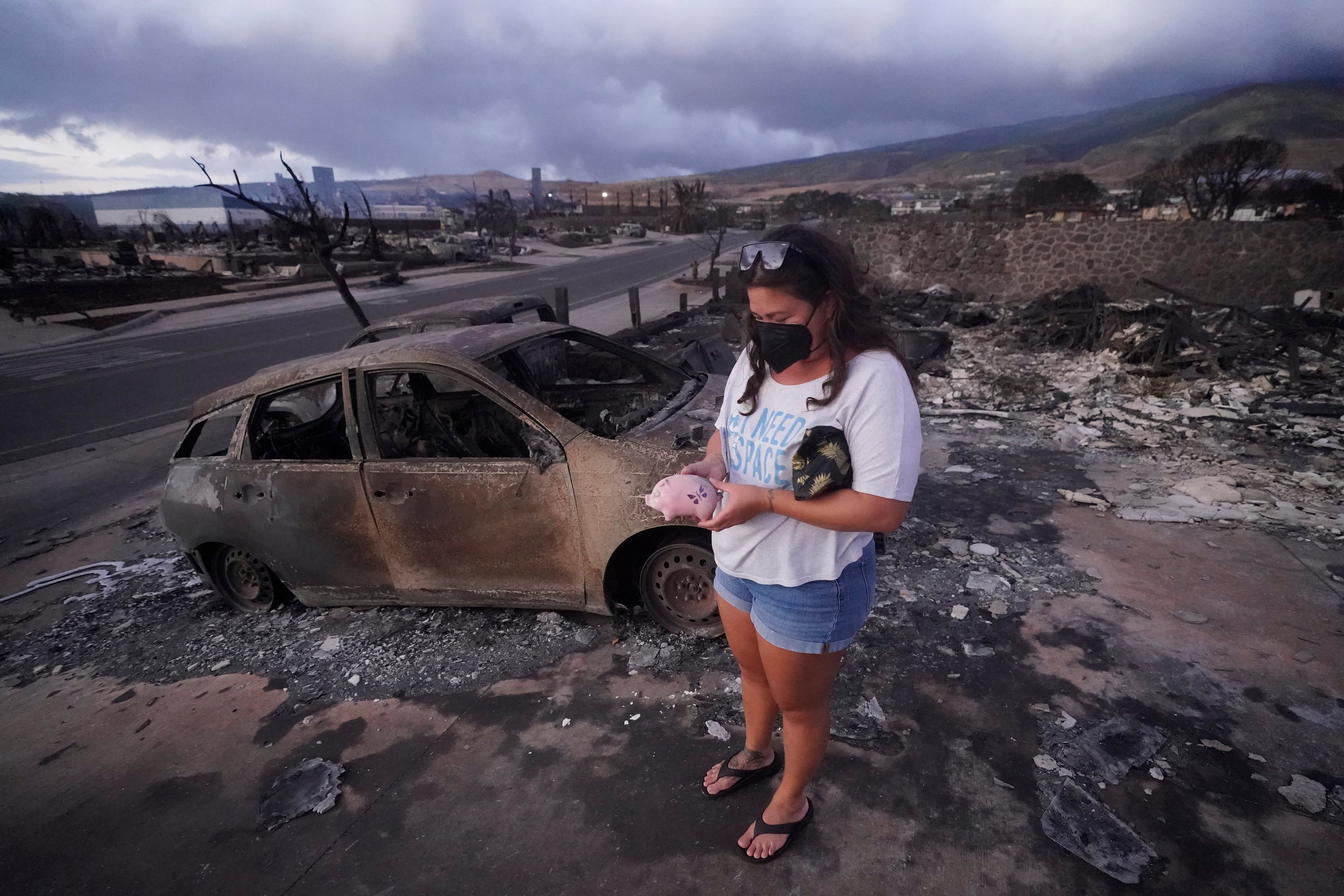
Lawmakers probing the cause of last month’s deadly Maui wildfire did not get many answers during Thursday's congressional hearing on the role the electrical grid played in the disaster.
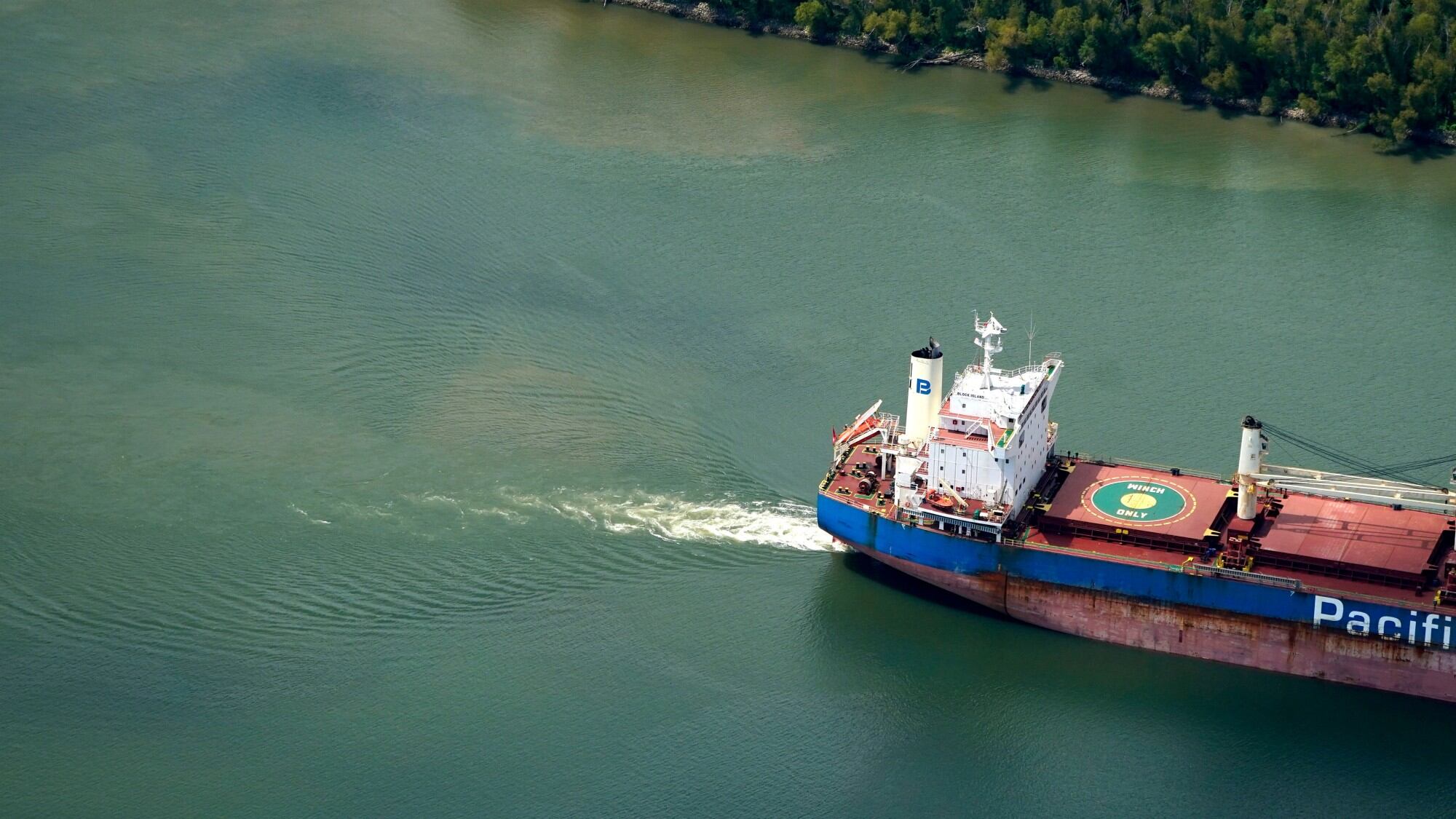
President Joe Biden announced Wednesday that federal disaster assistance is available for Louisiana, which is working to slow a mass inflow of salt water creeping up the Mississippi River and threatening drinking water supplies in the southern part of the state.
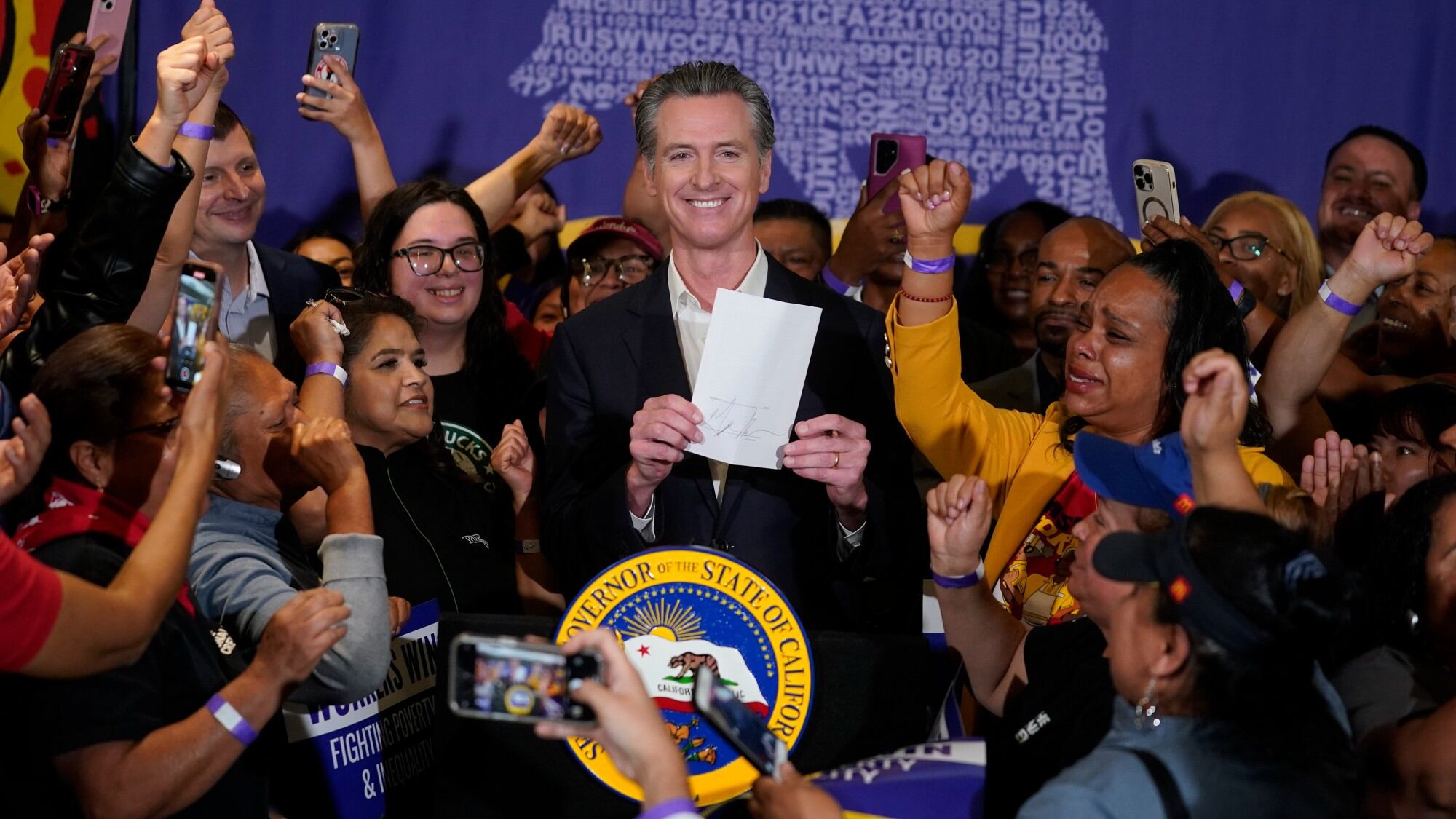
A new law in California will raise the minimum wage for fast food workers to $20 per hour next year, an acknowledgment from the state's Democratic leaders that most of the often overlooked workforce are the primary earners for their low-income households.
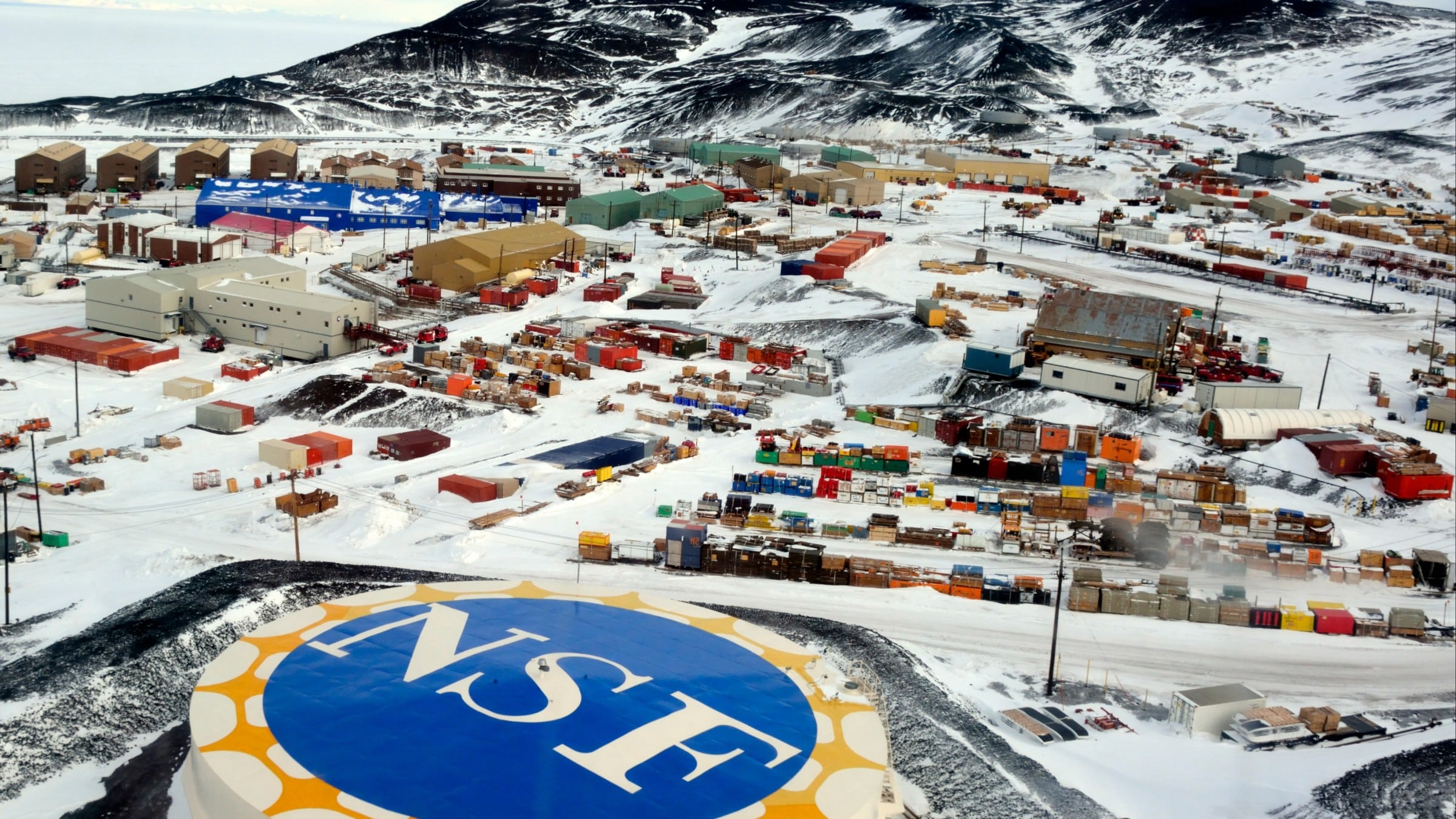
From Sunday, workers at the main United States base in Antarctica will no longer be able to walk into a bar and order a beer, after the U.S. federal agency that oversees the research program decided to stop serving alcohol.
House Republicans launched a formal impeachment hearing Thursday against President Joe Biden, promising to “provide accountability” as they probe the family finances and business dealings of his son Hunter and make their case to the public, colleagues and a skeptical Senate.
The FBI and other government agencies should be required to get court approval before reviewing the communications of U.S. citizens collected through a secretive foreign surveillance program, a sharply divided privacy oversight board recommended on Thursday.
The federal government is just days away from a shutdown that will disrupt many services, squeeze workers and roil politics as Republicans in the House, fueled by hard-right demands, force a confrontation over federal spending.
The Biden administration is finalizing a new rule that would cut federal funding for colleges that leave graduates with low pay and high debt after graduating.