Why Neither Party Is Happy With Ex-FBI Director James Comey
The former FBI director James Comey attempted to position himself above party politics in his first public interview since President Trump fired him last year, and the anger Comey has engendered from Democrats and Republicans may indicate he succeeded.
"It helps his credibility in some sense that he's not positioning himself directly in alliance with one party or the other," said Jack Crowe, a reporter at the National Review. "No one in Washington is particularly happy with him."
In the ABC interview, Comey said Trump was "morally unfit to be president," angering Republicans perhaps as much as he upset Democrats when he told Congress 11 days before the 2016 presidential election that he was reopening part of the investigation into Hillary Clinton's emails. Clinton said in her 2017 book, "What Happened," that Comey's decision likely cost her the election.
Since Comey was fired in May 2017, he has emerged as a polarizing figure in Washington. His termination led to the appointment of the special counsel, Robert S. Mueller III, to investigate whether the Trump campaign worked with agents of the Russian government. The investigation has ensnared individuals close to Trump, including his personal lawyer, Michael D. Cohen.
During the ABC interview to promote his new memoir, Comey told Stephanopoulos that "it's possible" the Russian government has compromising information on Trump.
"It is stunning and I wish I wasn't saying it, but it's just-- it's the truth," Comey said.
Speaking on Cheddar's live broadcast on Monday, Crowe said that Comey's criticism of Trump didn't clearly "align himself with the democrats," but speculating that the Russian's may have dirt on the president "hurts Comey's credibility a bit."
Comey is scheduled to conduct a number of media interviews this week to promote his book, "A Higher Loyalty: Truth, Lies, and Leadership," to be published Tuesday by Flatiron Books.
For the full interview, [click here](https://cheddar.com/videos/james-comey-tells-all).
Deputy Commerce Secretary Don Graves spoke to Cheddar's Alex Vuocolo about the ongoing semiconductor shortages and the push from the Biden administration to cover the supply chain problem as well as look ahead to future-proofing it.
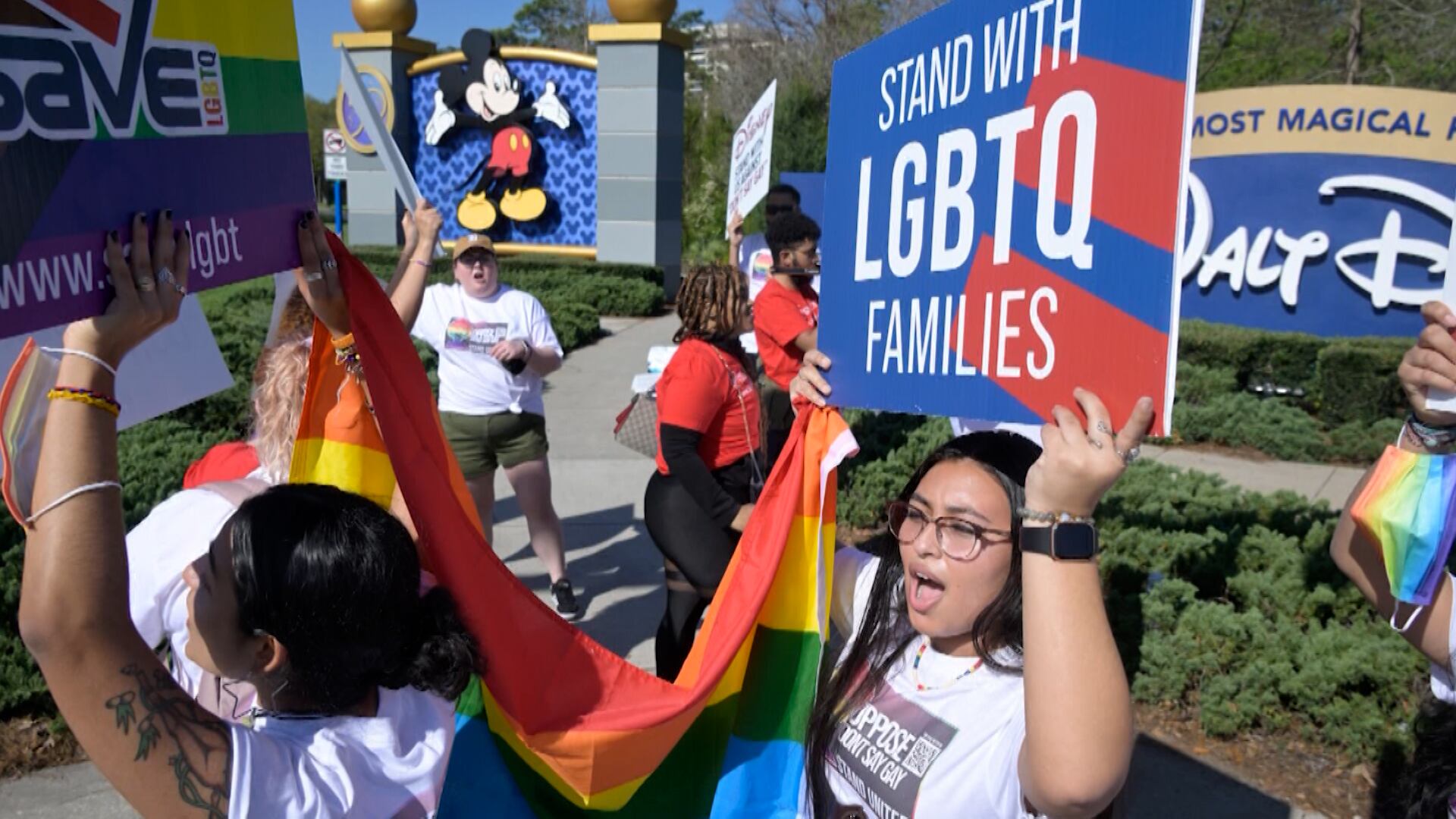
President Maxx Fenning and Vice President CJ Walden of PRISM, a Florida non-profit providing resources for LGBTQ youth, joined Cheddar News to discuss the negative repercussions of a Florida bill banning discussions of sexuality and gender identity in some classrooms.
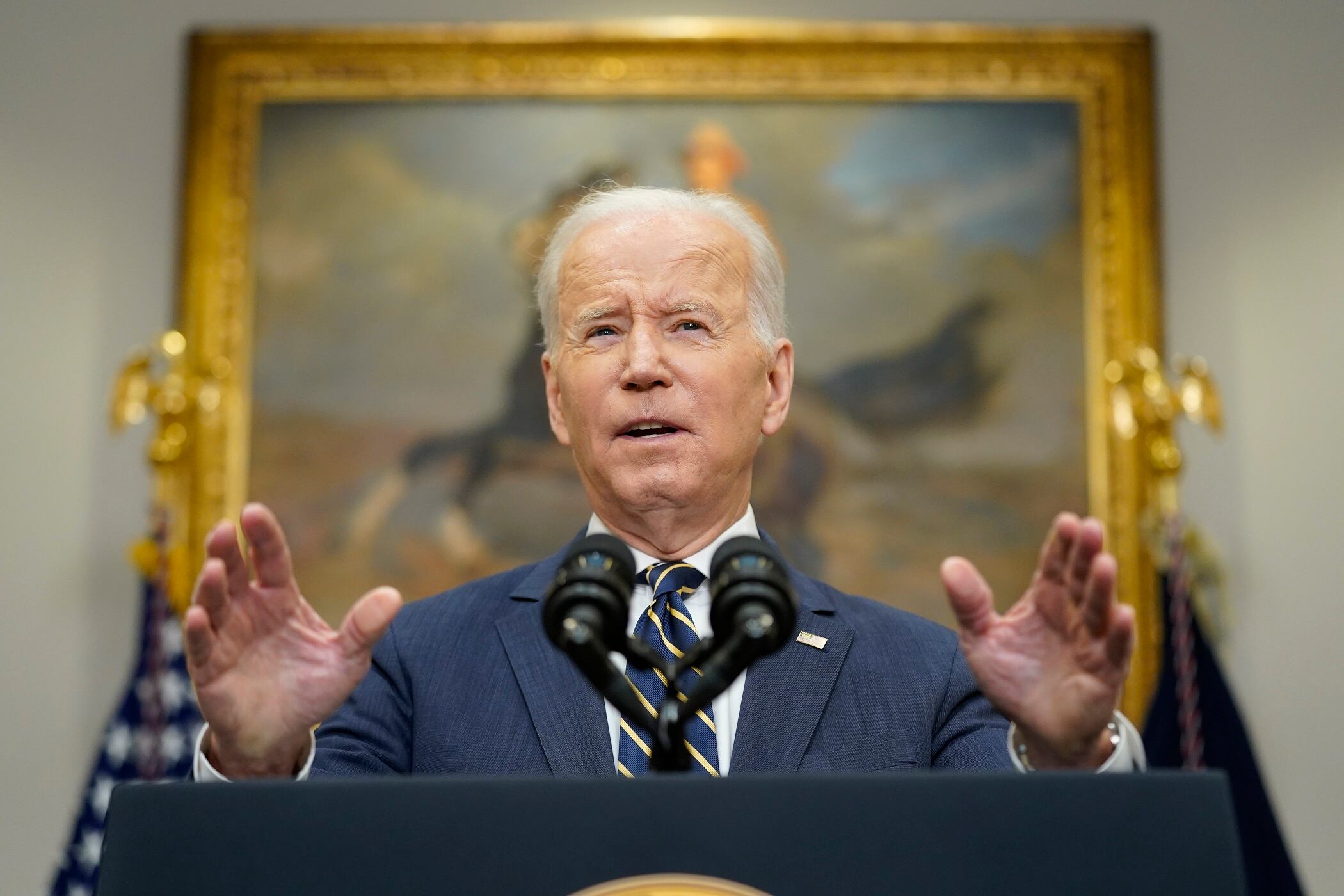
President Joe Biden announced Friday that along with the European Union and the Group of Seven countries, the U.S. will revoke “most favored nation” trade status for Russia over its invasion of Ukraine.
The consumer price index jumped 7.9 percent in February, marking a 40-year high for inflation in the U.S. This report comes less than a week ahead of the Fed's all important meeting. Kayla Bruun, Economic Analyst, Morning Consult, joined Cheddar's Opening Bell to discuss.
Markets opened lower amid hotter-than-expected inflation data, which surged to its highest level in nearly 40 years. Lisa Erickson, Senior Vice President and Co-Head, Public Markets Group, U.S. Bank joined Cheddar's Opening Bell to discuss the significance of this figure ahead of the Federal Reserve's FOMC meeting.
As the Russia-Ukraine war disrupts the global economy, sending markets on a roller coaster ride, gold remains hovering around $2,000 an ounce. Often seen as a safe haven in times of economic crisis, Jason Cozens, founder and CEO of gold-as-currency platform Glint Pay, joined Cheddar’s Opening Bell to discuss the latest gold rush, how the war is impacting prices, and how people can use Glint to trade in the precious metal. “You know the stock markets and cryptocurrencies are risky investments," he stated. "Whereas gold is just reliable money. It's no one else's liability if you own."
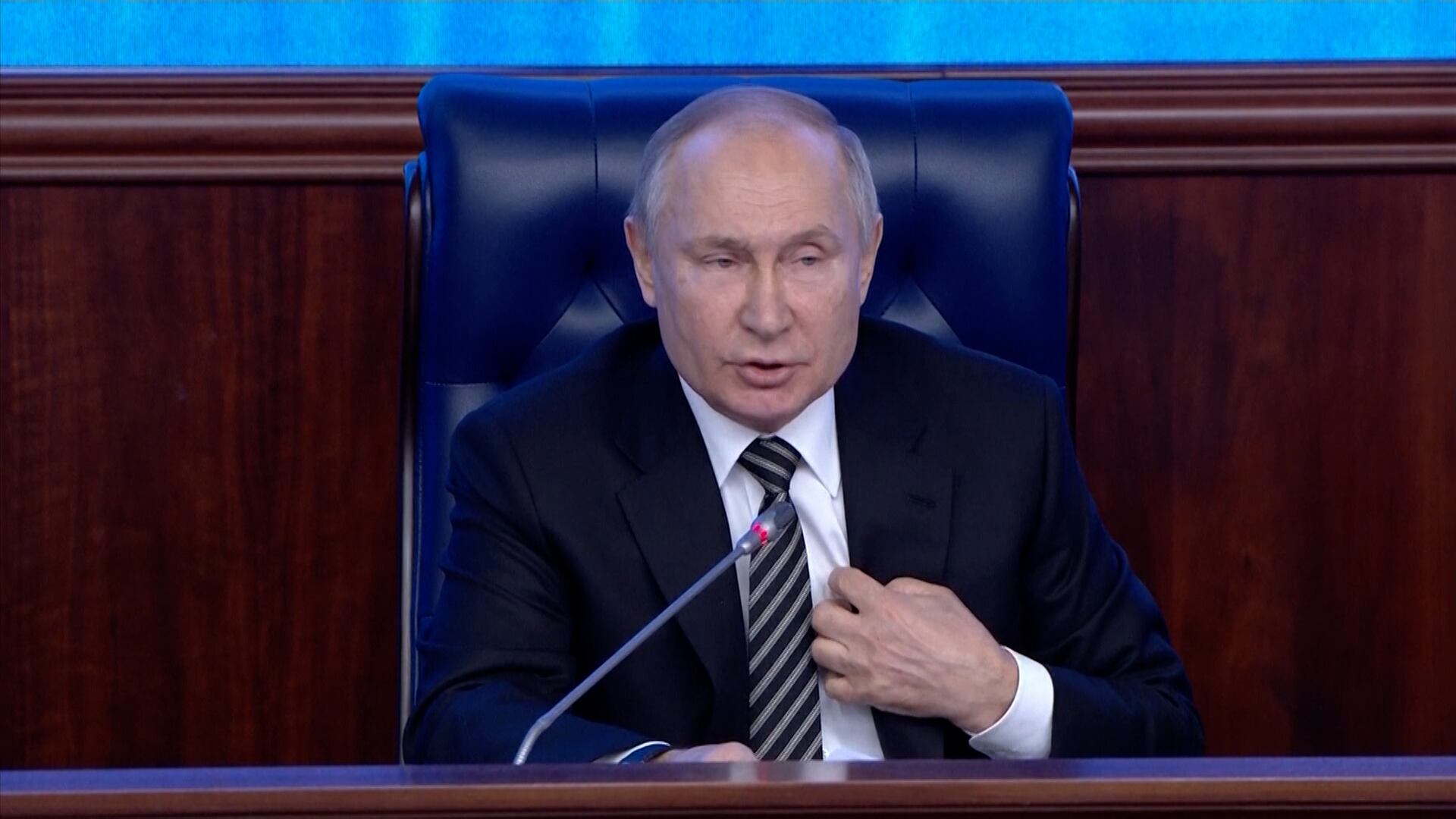
As Western sanctions weigh on Russia's economy, the country is at the risk of defaulting on its debt. Fitch ratings agency has downgraded Russia's debt for the second time in a week, warning a "sovereign default is imminent." Jesse Wheeler, Economic Analyst at Morning Consult, explains what that means, and how it could have ripple effects across the global economy.
Uber Lyft and Doordash are all set to spend $1 million dollars on a campaign and efforts to stop lawmakers from classifying their gig workers as employees. The campaign features TV and online ads highlighting Washington area workers who say they prefer the flexibility of being an independent contractor rather than following the model of a company employee. Professor at NYU. Stern School of Business and author of the sharing economy, Arun Sundararajan, joined Cheddar to discuss more.