Why Neither Party Is Happy With Ex-FBI Director James Comey
The former FBI director James Comey attempted to position himself above party politics in his first public interview since President Trump fired him last year, and the anger Comey has engendered from Democrats and Republicans may indicate he succeeded.
"It helps his credibility in some sense that he's not positioning himself directly in alliance with one party or the other," said Jack Crowe, a reporter at the National Review. "No one in Washington is particularly happy with him."
In the ABC interview, Comey said Trump was "morally unfit to be president," angering Republicans perhaps as much as he upset Democrats when he told Congress 11 days before the 2016 presidential election that he was reopening part of the investigation into Hillary Clinton's emails. Clinton said in her 2017 book, "What Happened," that Comey's decision likely cost her the election.
Since Comey was fired in May 2017, he has emerged as a polarizing figure in Washington. His termination led to the appointment of the special counsel, Robert S. Mueller III, to investigate whether the Trump campaign worked with agents of the Russian government. The investigation has ensnared individuals close to Trump, including his personal lawyer, Michael D. Cohen.
During the ABC interview to promote his new memoir, Comey told Stephanopoulos that "it's possible" the Russian government has compromising information on Trump.
"It is stunning and I wish I wasn't saying it, but it's just-- it's the truth," Comey said.
Speaking on Cheddar's live broadcast on Monday, Crowe said that Comey's criticism of Trump didn't clearly "align himself with the democrats," but speculating that the Russian's may have dirt on the president "hurts Comey's credibility a bit."
Comey is scheduled to conduct a number of media interviews this week to promote his book, "A Higher Loyalty: Truth, Lies, and Leadership," to be published Tuesday by Flatiron Books.
For the full interview, [click here](https://cheddar.com/videos/james-comey-tells-all).
Meta, the parent company of Facebook, turned heads on Tuesday when it announced it will block some ad-targeting, specifically those of a political and religious nature.
This is one of the most direct moves the company has made in order to minimize ad-targeting by advertisers on its platforms. Hastie Afkhami, Head of Digital at S-3 Group, joins Cheddar News to discuss the impact of this move.
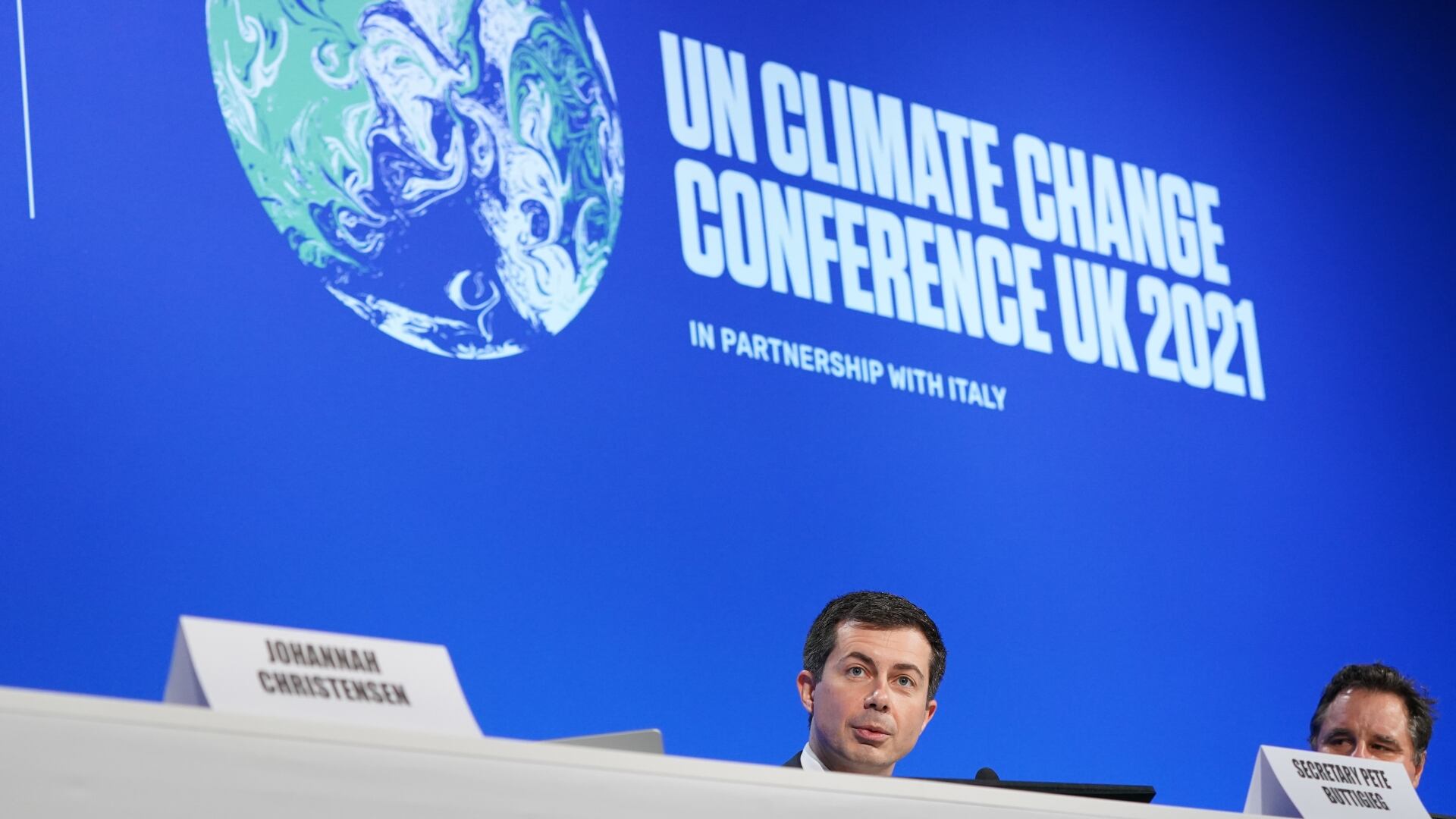
The COP26 summit in Scotland is in its final days, and the U.N. has just released a draft of an agreement for more than 200 world leaders to sign on Friday. The draft urges nations to set more aggressive goals in cutting emissions, while also calling for coal to be phased out. Chloe Demrovsky, President and CEO of Disaster Recovery Institute International, joins Cheddar News to discuss this agreement.
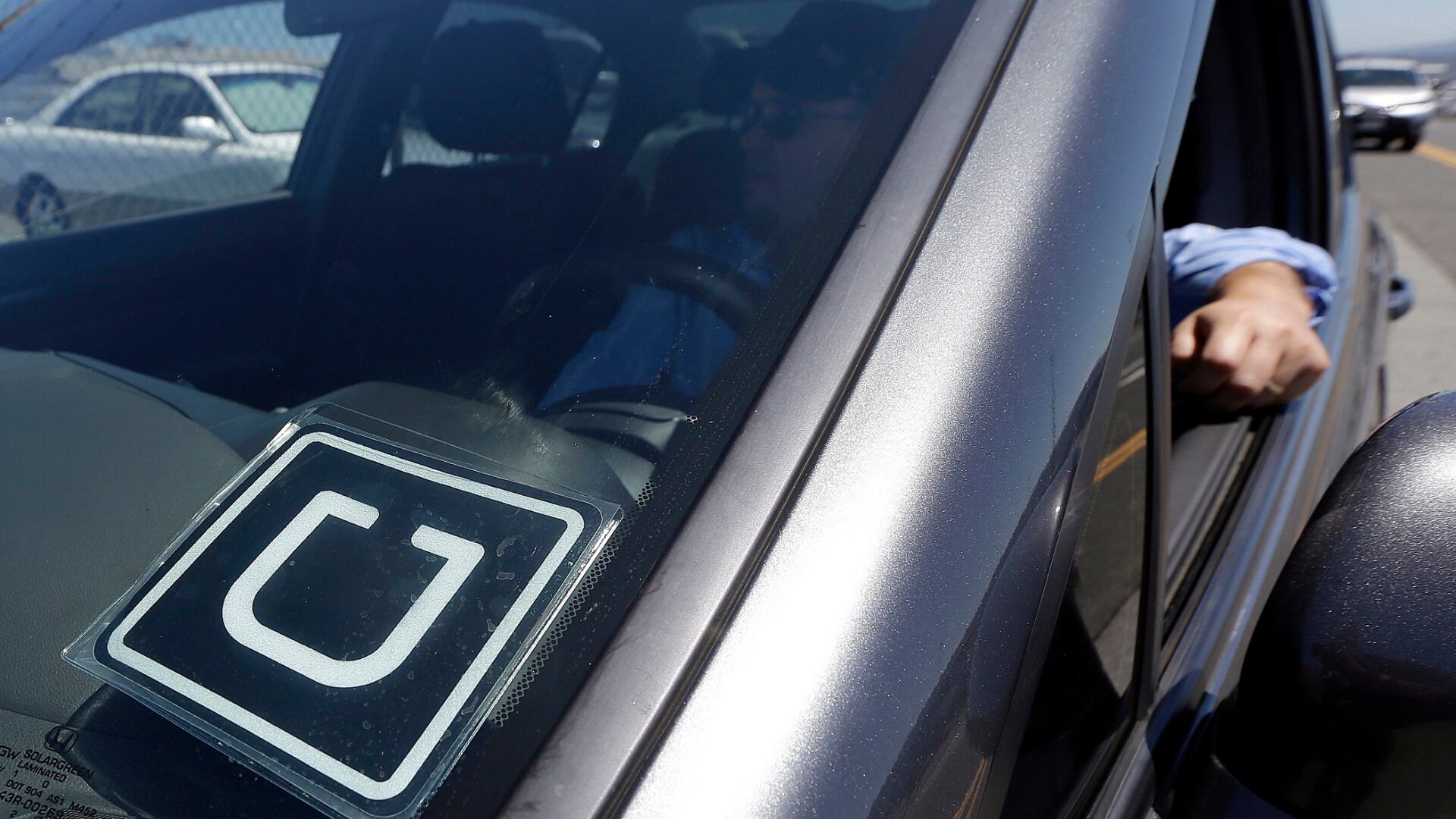
The Department of Justice has filed a lawsuit against Uber, alleging the ride-hailing company discriminates against customers with disabilities. The DOJ is arguing that its two-minute wait period before a cancellation fee is applied violates the Americans With Disabilities Act.
Stocks fell into the red on Wednesday after new data heightened fears over inflation. Vince Lorusso, Co-Founder and portfolio manager at Changebridge Capital, joins Cheddar News' Closing Bell where he says recent history suggests investors to buy the dips.
Iran is continuing to crack down on illicit bitcoin mining in the Islamic Republic after 227 mining rigs were seized. Businesses looking to run legal bitcoin mining operations have had to seek approval since 2019.
Tatenda Musapatike, Founder of the Voter Formation Project and former Political Ad Specialist at Facebook, joined Cheddar to discuss the outsized role social media plays in politics.