Why Neither Party Is Happy With Ex-FBI Director James Comey
The former FBI director James Comey attempted to position himself above party politics in his first public interview since President Trump fired him last year, and the anger Comey has engendered from Democrats and Republicans may indicate he succeeded.
"It helps his credibility in some sense that he's not positioning himself directly in alliance with one party or the other," said Jack Crowe, a reporter at the National Review. "No one in Washington is particularly happy with him."
In the ABC interview, Comey said Trump was "morally unfit to be president," angering Republicans perhaps as much as he upset Democrats when he told Congress 11 days before the 2016 presidential election that he was reopening part of the investigation into Hillary Clinton's emails. Clinton said in her 2017 book, "What Happened," that Comey's decision likely cost her the election.
Since Comey was fired in May 2017, he has emerged as a polarizing figure in Washington. His termination led to the appointment of the special counsel, Robert S. Mueller III, to investigate whether the Trump campaign worked with agents of the Russian government. The investigation has ensnared individuals close to Trump, including his personal lawyer, Michael D. Cohen.
During the ABC interview to promote his new memoir, Comey told Stephanopoulos that "it's possible" the Russian government has compromising information on Trump.
"It is stunning and I wish I wasn't saying it, but it's just-- it's the truth," Comey said.
Speaking on Cheddar's live broadcast on Monday, Crowe said that Comey's criticism of Trump didn't clearly "align himself with the democrats," but speculating that the Russian's may have dirt on the president "hurts Comey's credibility a bit."
Comey is scheduled to conduct a number of media interviews this week to promote his book, "A Higher Loyalty: Truth, Lies, and Leadership," to be published Tuesday by Flatiron Books.
For the full interview, [click here](https://cheddar.com/videos/james-comey-tells-all).
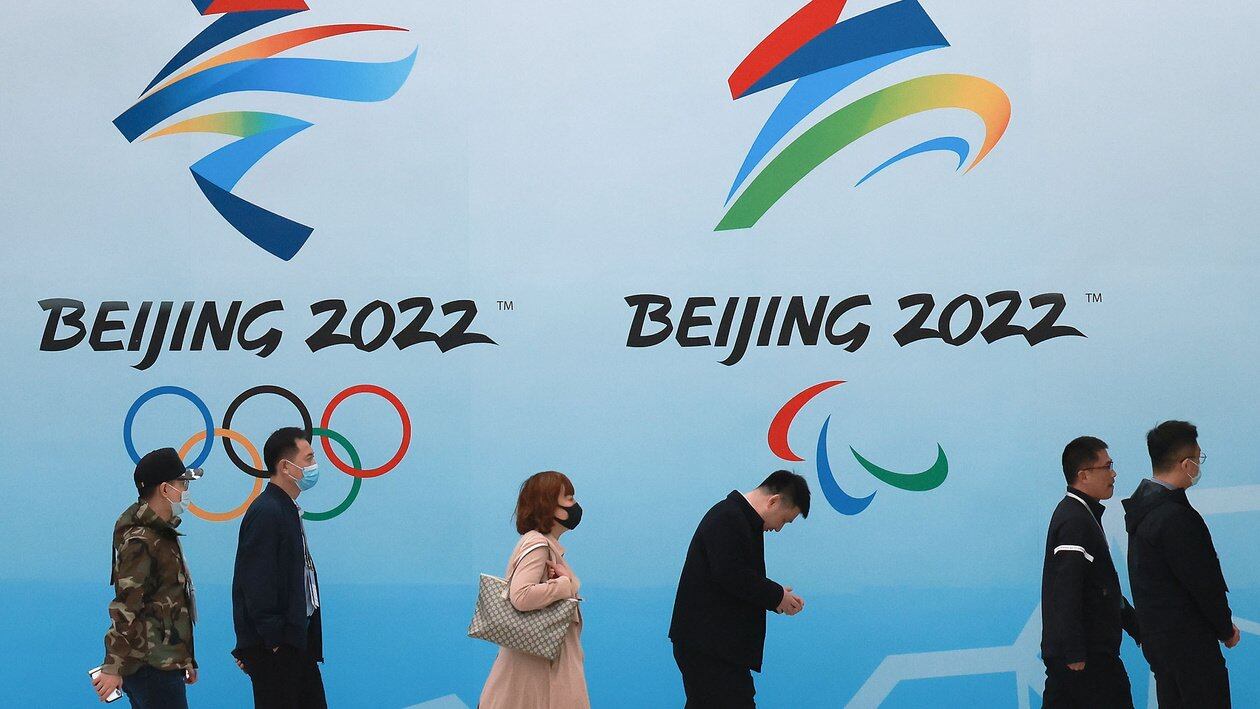
The Biden administration will not send an official U.S. delegation to the 2022 Winter Olympics in Beijing as a statement against China's "ongoing genocide and crimes against humanity in Xinjiang." Weifeng Zhong, senior research fellow at George Mason University's Mercatus Center, joins Cheddar News to discuss the boycott.
Back in 2010, several large companies pledged to work towards stopping deforestation by 2020. Companies like Nestle and Carrefour even went further to say that they would eliminate deforestation from their supply chains altogether. However, fast forward to 2020, many of these companies have failed to reach that goal. Associate Director of Forest at the CDP Nadia Bishai, joined Cheddar to discuss more.
Instagram Chief Executive Adam Mosseri is set to testify before Congress for the first time. Mosseri’s appearance follows reports that showed Facebook and Instagram are aware of the harms their apps and services cause, including to teen mental health. Nicole Gill, co-founder and executive director of Accountable Tech joins Cheddar News to preview the hearing.
Chamber of Progress CEO Adam Kovacevich joined Wake Up With Cheddar to break down what to expect from the cryptocurrency executives appearing on Capitol Hill and how it could impact future crypto regulation. "I think what most people want to see from regulation is essentially channeling the good and the potential and putting in place guardrails to minimize the bad," he said.
Markets opened higher as investors shrugged off weaker-than-expected job growth and Omicron fears. George Seay, CEO, Annandale Capital joined Cheddar's Opening Bell to discuss.
Less than six months after making its public debut on the NYSE, Chinese ride-hailing giant Didi says it will delist in the U.S. and pivot to Hong Kong instead. Chinese regulators are citing cybersecurity and data concerns. Shehzad Qazi, Managing Director, China Beige Book International joined Cheddar's Opening Bell to discuss.
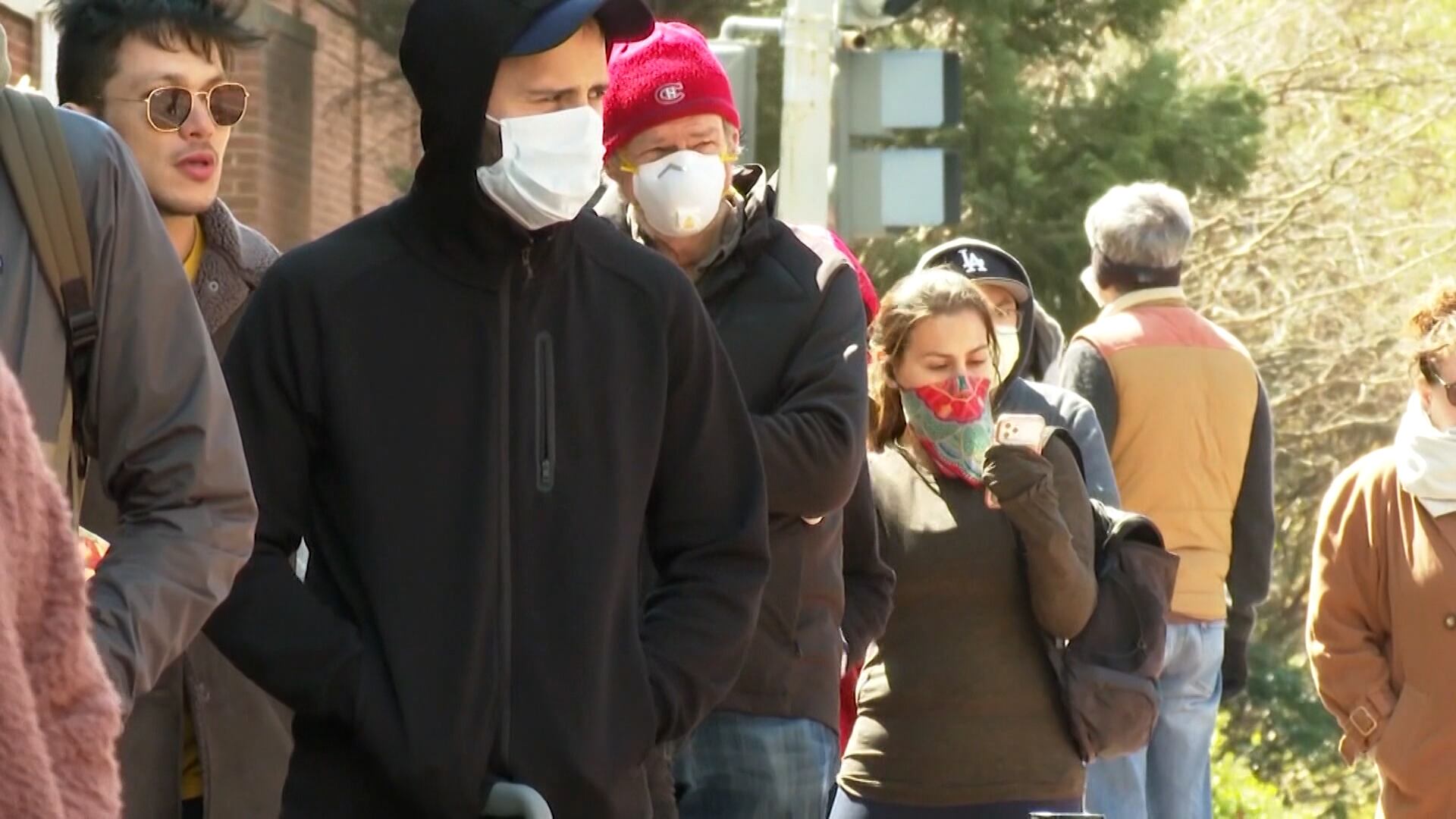
While the World Health Organization strongly advises against a COVID-19 vaccine mandate, national and local governments are moving to make inoculations compulsory. Cheddar News speaks with Dr. Joel Zinberg of the Competitive Enterprise Institute on the issue.