How Mueller's Investigation Is Like Going After the Mob
There are new developments in Special Counsel Robert Mueller’s investigation into Russia’s meddling in the 2016 presidential election. Friday, former White House National Security Adviser Michael Flynn, pleaded guilty to lying to the FBI. According to Jeet Heer, Editor at The New Republic, the plea is a result of Mueller cracking down on President Trump.
“He’s used to dealing with mobsters,” Heer says of Mueller, who headed the FBI for 12 years before being appointed as a special counsel for the Department of Justice earlier this year. “The way you deal with mobsters is you get the goons first, you get the higher ups, the capos, and then you get the godfather.”
Heer believes Flynn’s cooperation means he has flipped against the president, which could eventually lead to the FBI apprehending White House Senior Advisor and President Trump’s son-in-law, Jared Kushner. Heer says Mueller has managed to ensure that there won’t be any presidential pardons available, as there are ongoing state-level investigations, too.
“There’s a lot of leverage and it's all on Mueller’s side,” Heer said.
Meanwhile on Capitol Hill, Senate Republicans are leading a fierce battle to pass a vote on the GOP tax plan, which is expected to raise the national debt to $1.7 trillion, according to the CBO. Heer says the bill can pass, but it has to be now or never, since the party also had a very poor performance during the 2017 off-year elections.
“Republicans are headed to a tough season, which means they should probably get whatever they can out of the way,” he said.
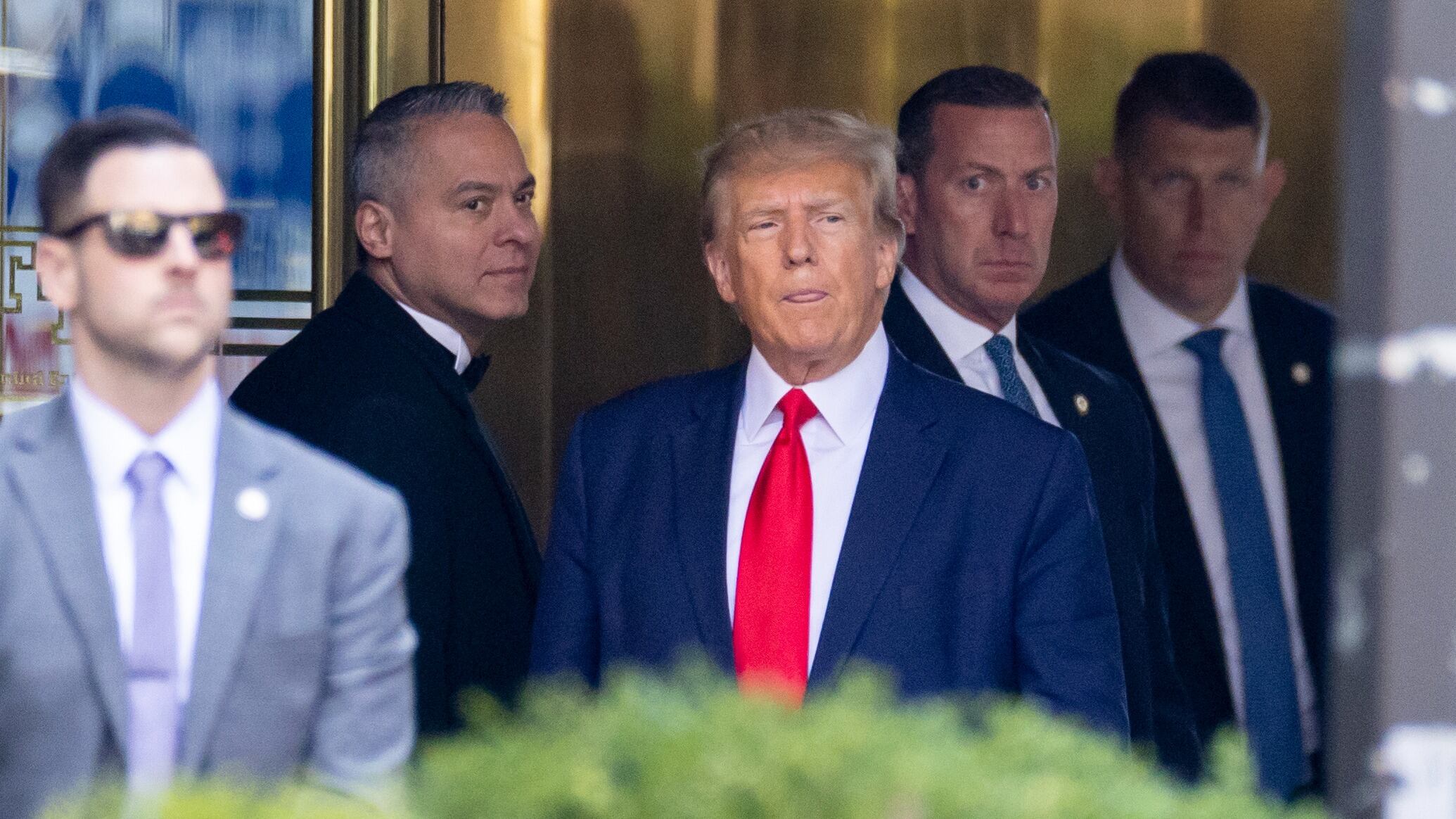
Former President Donald Trump answered questions for nearly seven hours Thursday during his second deposition in a legal battle with New York's attorney general over his company's business practices, reversing an earlier decision to invoke his Fifth Amendment protection against self-incrimination and remain silent.
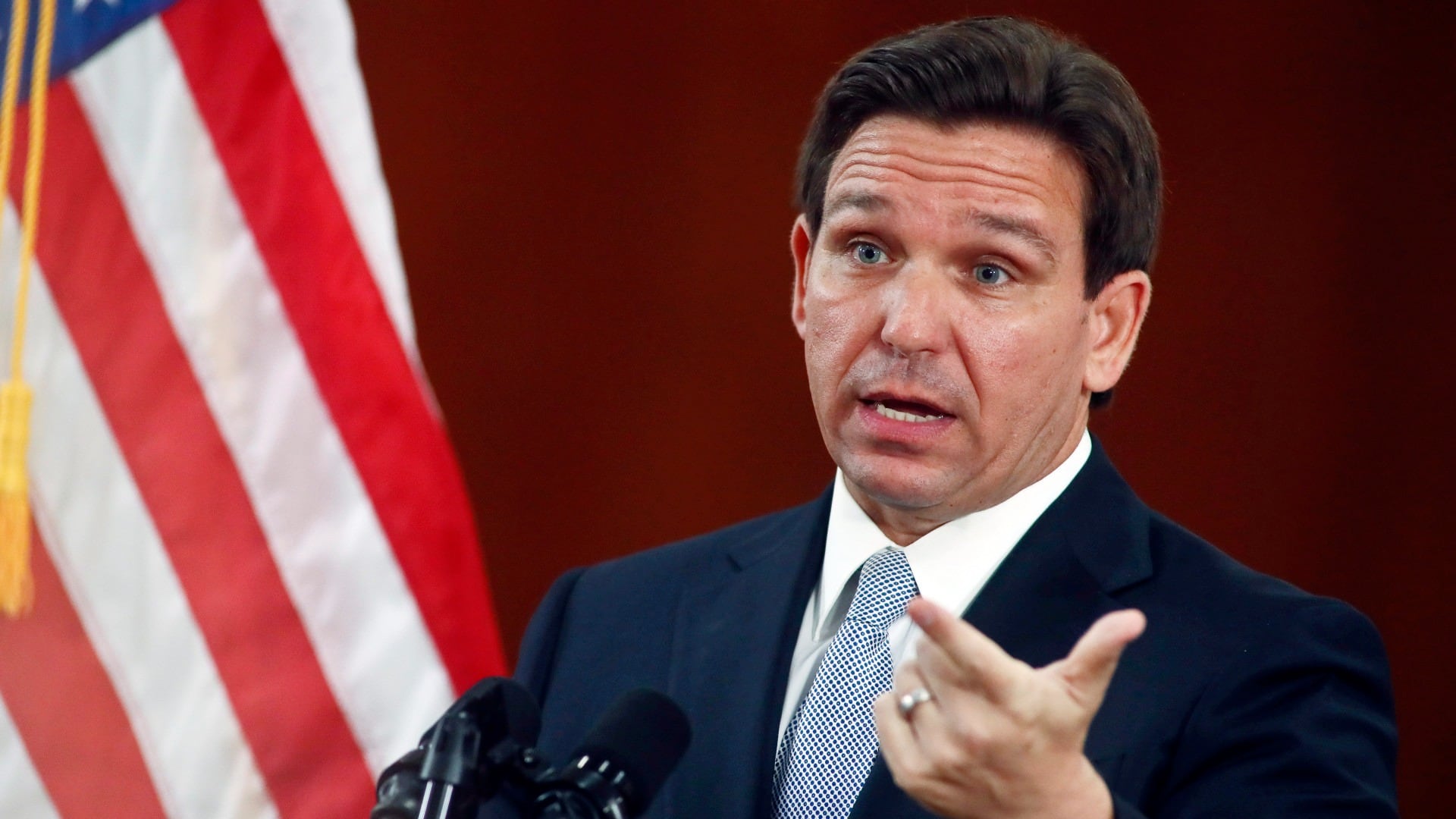
Republican Gov. Ron DeSantis has signed into law a bill approved by the Republican-dominated Florida Legislature to ban abortions after six weeks of pregnancy.
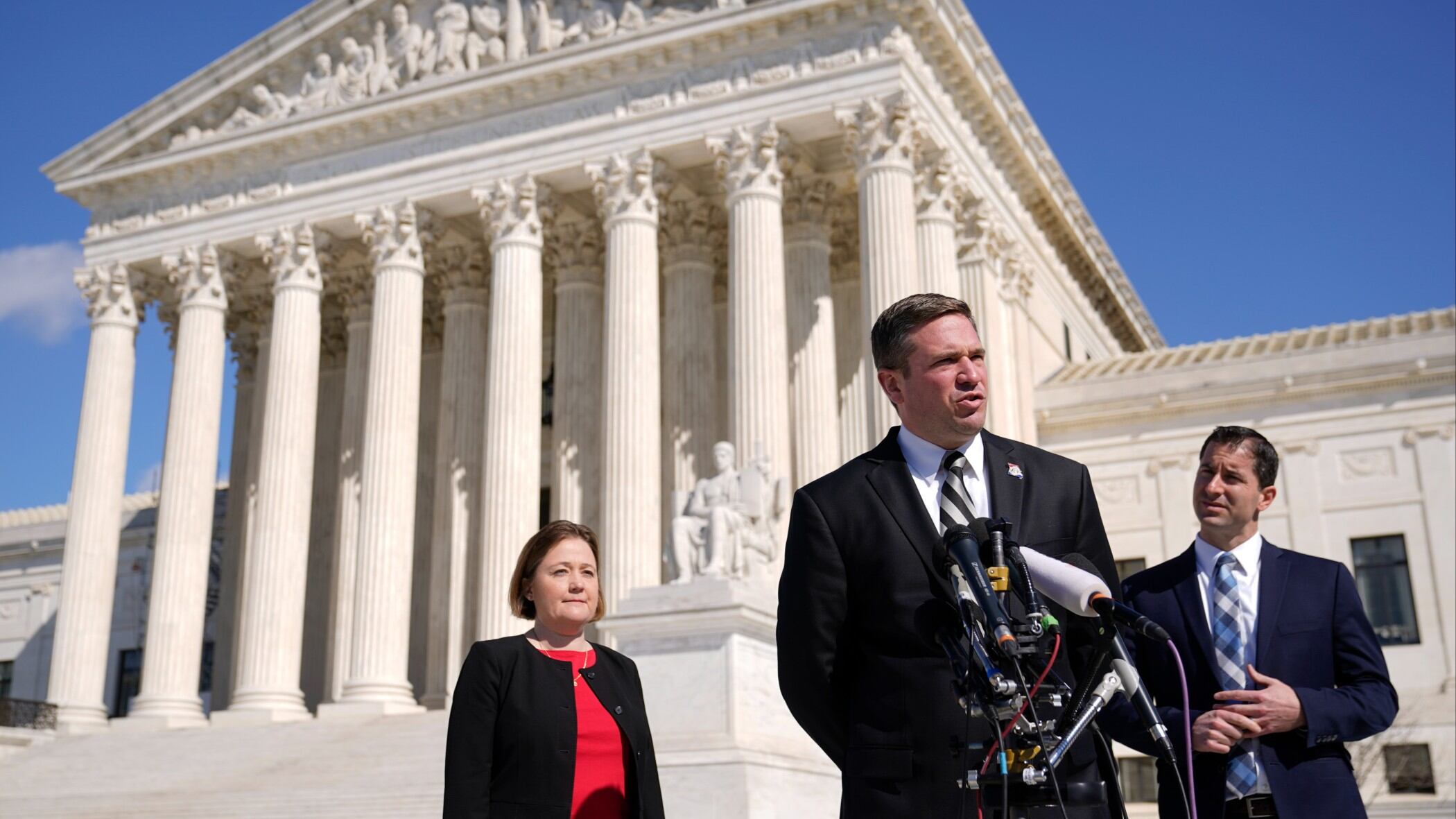
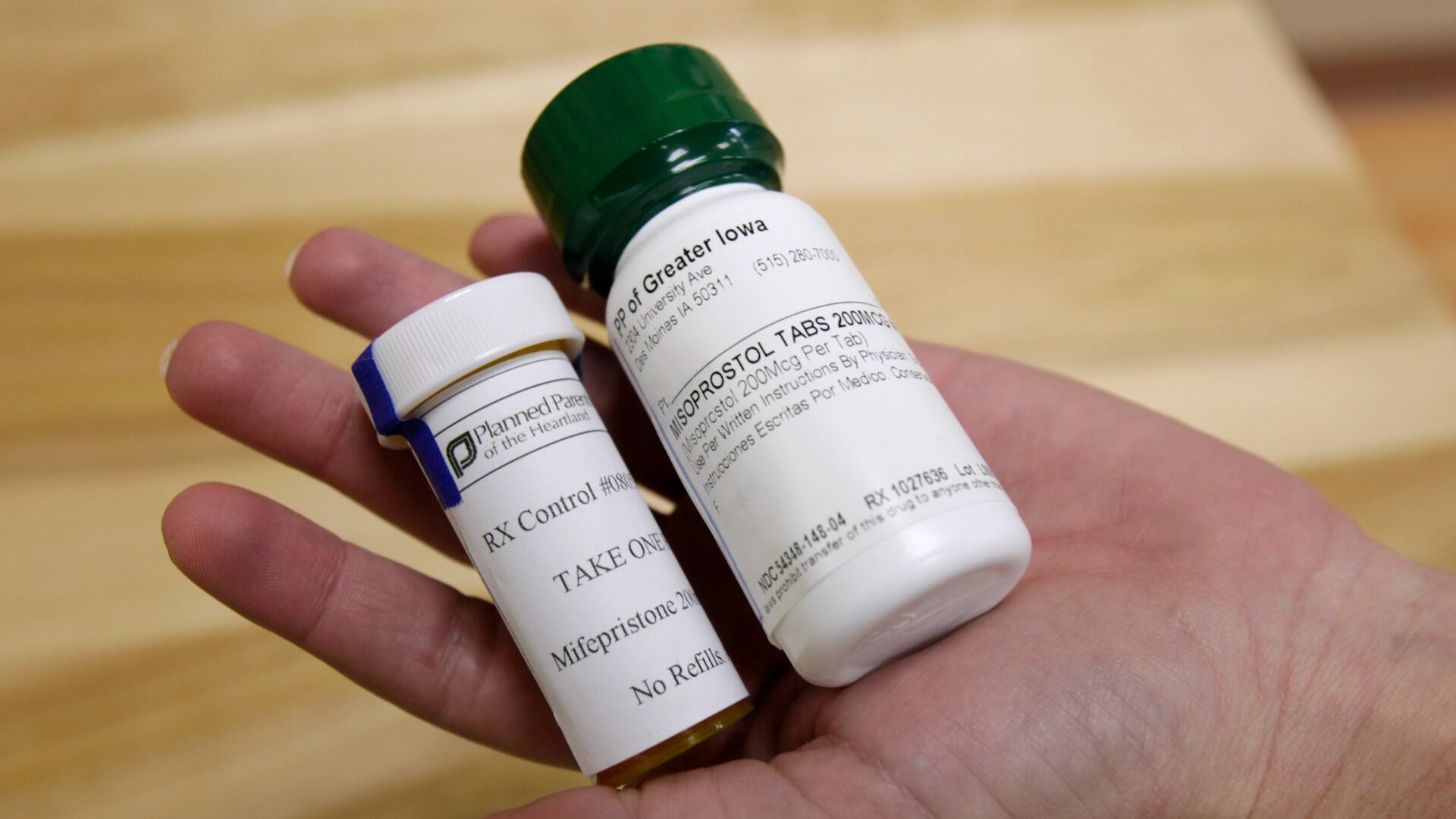
A federal appeals court has ruled that the abortion pill mifepristone can still be used for now but reduced the period of pregnancy when the drug can be taken and said it could not be dispensed by mail.
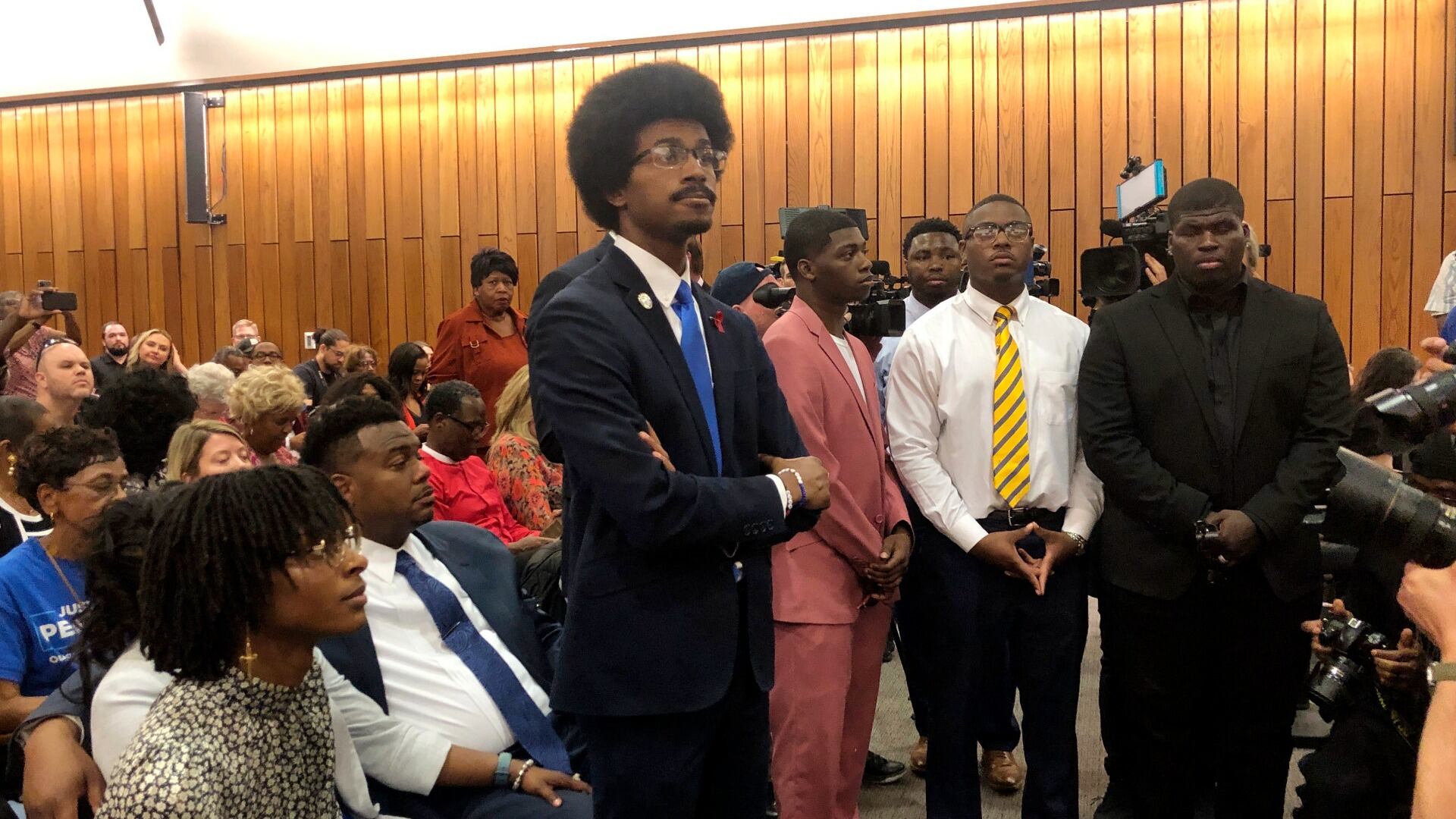
The second of two Black Democrats expelled from the Republican-led Tennessee House will return to the Legislature after a Memphis commission voted to reinstate him Wednesday.
Some abortion clinics are fielding lots of calls from patients since a court ruling last Friday threatened the availability of a main drug used in medication abortion, mifepristone.
The Biden administration released an environmental analysis Tuesday that outlined two ways that seven Western states and tribes reliant on the over-tapped Colorado River could cut their use, but declined to publicly take a side on the best option.