Can you remember the last time you had a good night's sleep? Many people go weeks without sleeping through the entire night. Marina Khidekel, Senior Deputy Editor at Women's Health, joins Cheddar to talk about its latest sleep study in partnership with Thrive Global and the American Sleep Association.
Stress, cell phones, kids & pets could be some of the main reasons women aren't getting sleep. Women's Health says only 2% of women reported waking up rested. Khidekel talks about how the perception of sleep has changed over the past few years. People used to brag about how little sleep they got, now elites are spending $3,000 on "sleeping resorts" to hit the hay.
Plus, Khidekel suggests investing in a weighted blanket to help fall asleep. She explains how they help the brain pump out neurotransmitters, like a soothing hug!
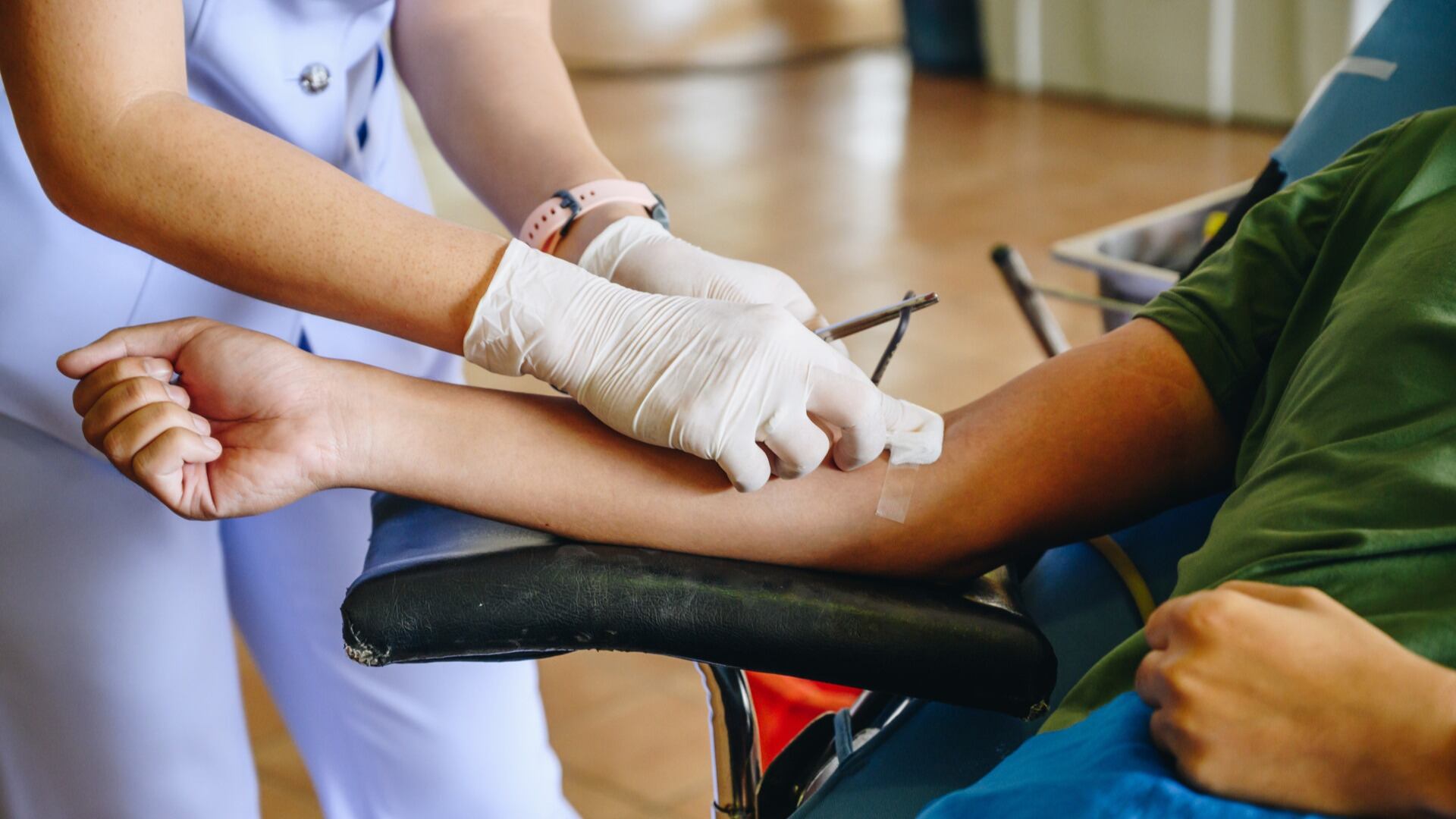
The Food and Drug Administration is changing its policy to make it easier for gay men to donate blood.
Blue Origin is sending an all-female crew into orbit next year, according to The Wall Street Journal.
Jeff Bezos' girlfriend is leading an all-female space mission aboard a Blue Origin spacecraft.
The Food and Drug Administration is raising concerns about the long-term effects of CBD.
CVS and Walmart are cutting back pharmacy hours due to a shortage of pharmacists.
The U.S. plans to make it easier for gay and bisexual men to give blood by easing restrictions on groups that typically face higher risks of HIV.
Five former Memphis police officers were charged with murder in the death of Tyre Nichols, the FDA explores yearly COVID vaccines, and New York City explores electric Uber and Lyft rides. Here is everything you Need2Know for Friday, January 27, 2023.
The Food and Drug Administration is joining an international probe that is taking a closer look at some cough syrups that have killed over 300 children worldwide.
Payam Banazadeh, founder and CEO of Capella Space, joined Cheddar News to discuss the satellite imagery company's latest $60 million funding and what government projects lie ahead.
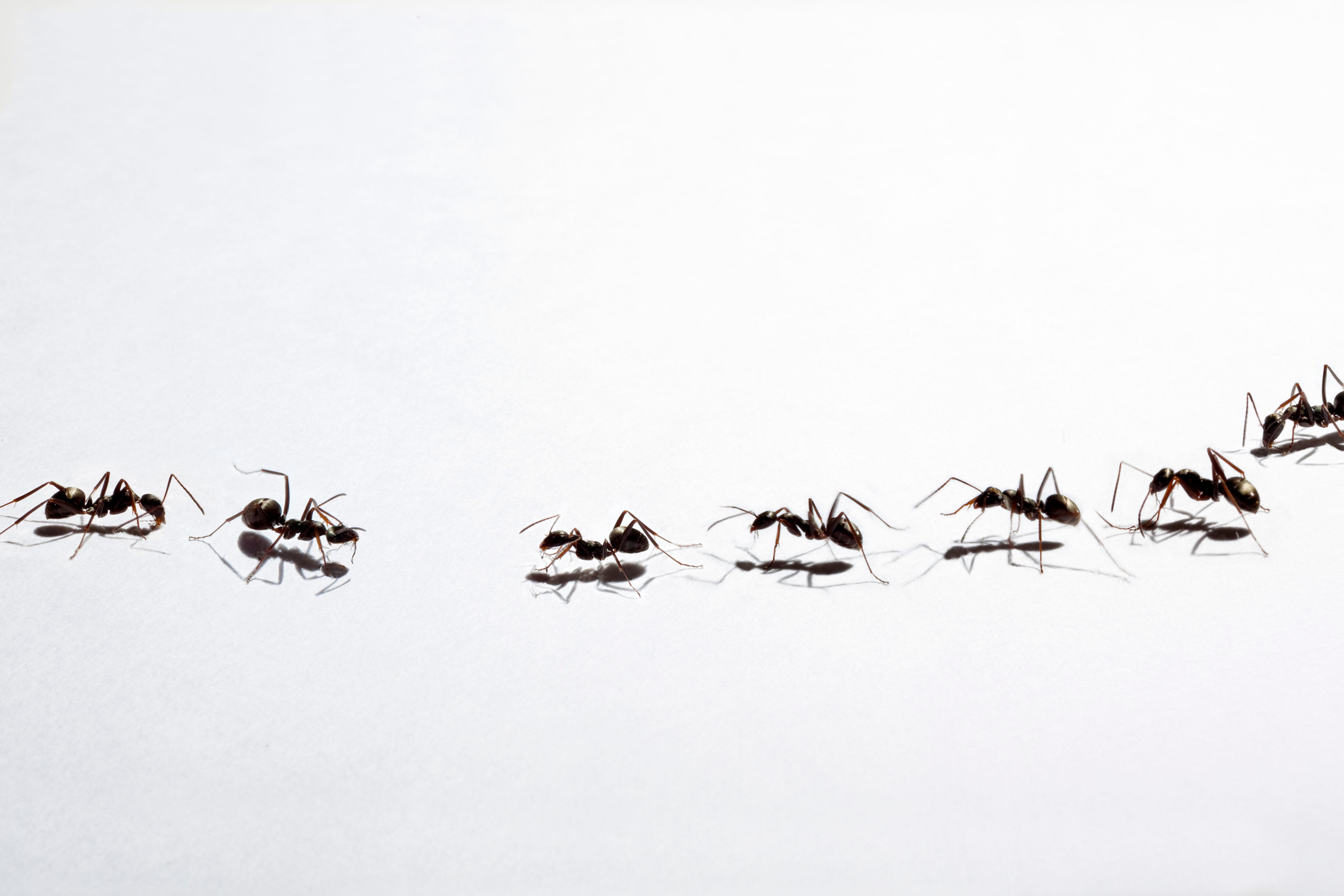
Ants could be the next line of defense against cancer, according to a study.