Temperatures hit 82 degrees in Washington, D.C., Wednesday, one of the highest readings the city has ever experienced in February. And for the second day in a row, Boston set a high-temperature record for a February day: 71 degrees.
In New York’s Central Park, the temperature hit 78 degrees, the highest ever recorded in February. The milestone shattered the record for Feb. 21, which had previously stood at 68 degrees, back in 1930.
“We’re not breaking daily records, we’re breaking all-time temperature records,” said Andrew Freedman, senior science editor of Mashable.
According to Freedman, part of the explanation lies in an unusual disturbance of the polar vortex, which in the past week has split in two, producing two distinct cold waves across the globe.
“You had one portion of it moving into the Western U.S. and Canada, while at the same time one portion of it moved into Europe and Eurasia,” Freedman said. “So those are the two cold spots in the Northern Hemisphere right now. And in the eastern U.S., suddenly we had this incredible warm-up today and on Tuesday.”
Freedman explained the split in the polar vortex. “Normally, you have this circulation of fast winds in the upper levels of the atmosphere over the Arctic. Usually, it stays put; it behaves well.” But this year the planet experienced what Freedman called a Sudden Stratospheric Warming event. “You had energy from the lower atmosphere go up to the upper atmosphere and sort of knocked it off balance.”
Freedman added that climate change is also contributing to the record temperatures on the East Coast. “It’s easier for us to set these high-temperature records as the climate continues to warm,” he said. “That's the bottom line climate message overall.”
And as for what’s ahead, well, Freedman said, on Thursday, “It’s going to snow in Boston.”
Read more at [Mashable](https://mashable.com/2018/02/15/polar-vortex-split-stratospheric-warming-snow-cold-europe-us/).
Despite the expected arrival of COVID-19 vaccines in just a few weeks, it could take several months — probably well into 2021 — before things get back to something close to normal in the United States.
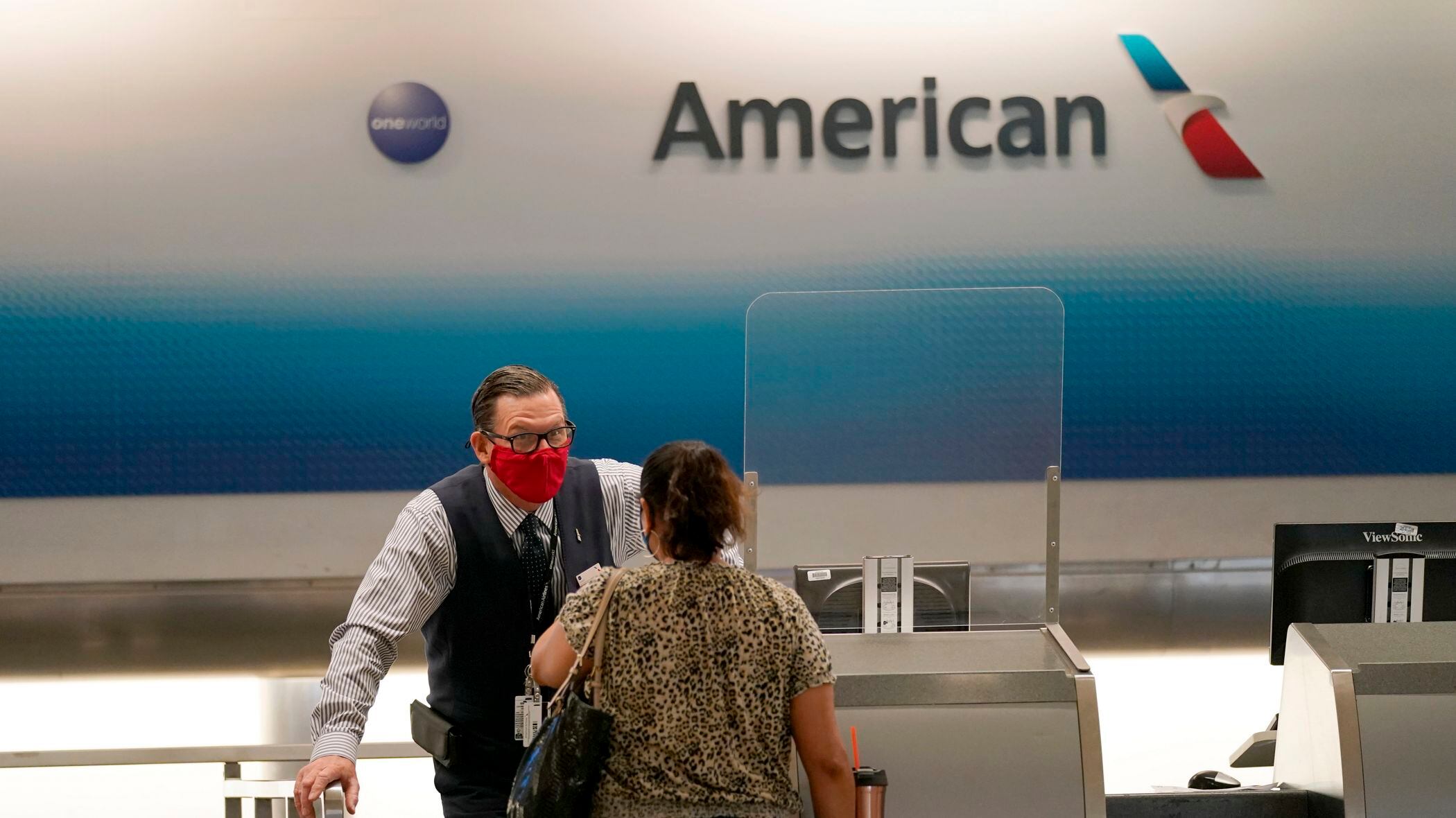
American Airlines is expanding its COVID-19 pilot pre-flight testing program to London in an effort to get more international flyers in the sky.
AstraZeneca reported that its vaccine is 90% effective and cheaper to distribute than vaccines from its competitors. Meanwhile, the U.S. is averaging 1,500 deaths per day according to Johns Hopkins.
Pharmaceutical company AstraZeneca said Monday that late-stage trials showed its coronavirus vaccine was up to 90% effective, giving public health officials hope they may soon have access to a vaccine that is cheaper and easier to distribute than some of its rivals.
Pfizer said Friday it is asking U.S. regulators to allow emergency use of its COVID-19 vaccine, starting the clock on a process that could bring limited first shots as early as next month and eventually an end to the pandemic -- but not until after a long, hard winter.
A satellite jointly developed by Europe and the United States being launched this weekend will greatly help scientists keep track of the rise in global sea levels, one of the most daunting effects of climate change, a senior official at the European Space Agency said Friday.
The use of mRNA technology in COVID-19 vaccines is groundbreaking for a number of reasons. However, there is a drawback to the vaccines: they have to be stored in brutally cold temperatures.
The U.S. decline in cigarette smoking could be stalling while the adult vaping rate appears to be rising, according to a government report released Thursday.
The only known white giraffe in the world has been fitted with a GPS tracking device to help protect it from poachers as it grazes in Kenya.
Pfizer said Wednesday that new test results show its coronavirus vaccine is 95% effective, is safe and also protects older people most at risk of dying.