Temperatures hit 82 degrees in Washington, D.C., Wednesday, one of the highest readings the city has ever experienced in February. And for the second day in a row, Boston set a high-temperature record for a February day: 71 degrees.
In New York’s Central Park, the temperature hit 78 degrees, the highest ever recorded in February. The milestone shattered the record for Feb. 21, which had previously stood at 68 degrees, back in 1930.
“We’re not breaking daily records, we’re breaking all-time temperature records,” said Andrew Freedman, senior science editor of Mashable.
According to Freedman, part of the explanation lies in an unusual disturbance of the polar vortex, which in the past week has split in two, producing two distinct cold waves across the globe.
“You had one portion of it moving into the Western U.S. and Canada, while at the same time one portion of it moved into Europe and Eurasia,” Freedman said. “So those are the two cold spots in the Northern Hemisphere right now. And in the eastern U.S., suddenly we had this incredible warm-up today and on Tuesday.”
Freedman explained the split in the polar vortex. “Normally, you have this circulation of fast winds in the upper levels of the atmosphere over the Arctic. Usually, it stays put; it behaves well.” But this year the planet experienced what Freedman called a Sudden Stratospheric Warming event. “You had energy from the lower atmosphere go up to the upper atmosphere and sort of knocked it off balance.”
Freedman added that climate change is also contributing to the record temperatures on the East Coast. “It’s easier for us to set these high-temperature records as the climate continues to warm,” he said. “That's the bottom line climate message overall.”
And as for what’s ahead, well, Freedman said, on Thursday, “It’s going to snow in Boston.”
Read more at [Mashable](https://mashable.com/2018/02/15/polar-vortex-split-stratospheric-warming-snow-cold-europe-us/).
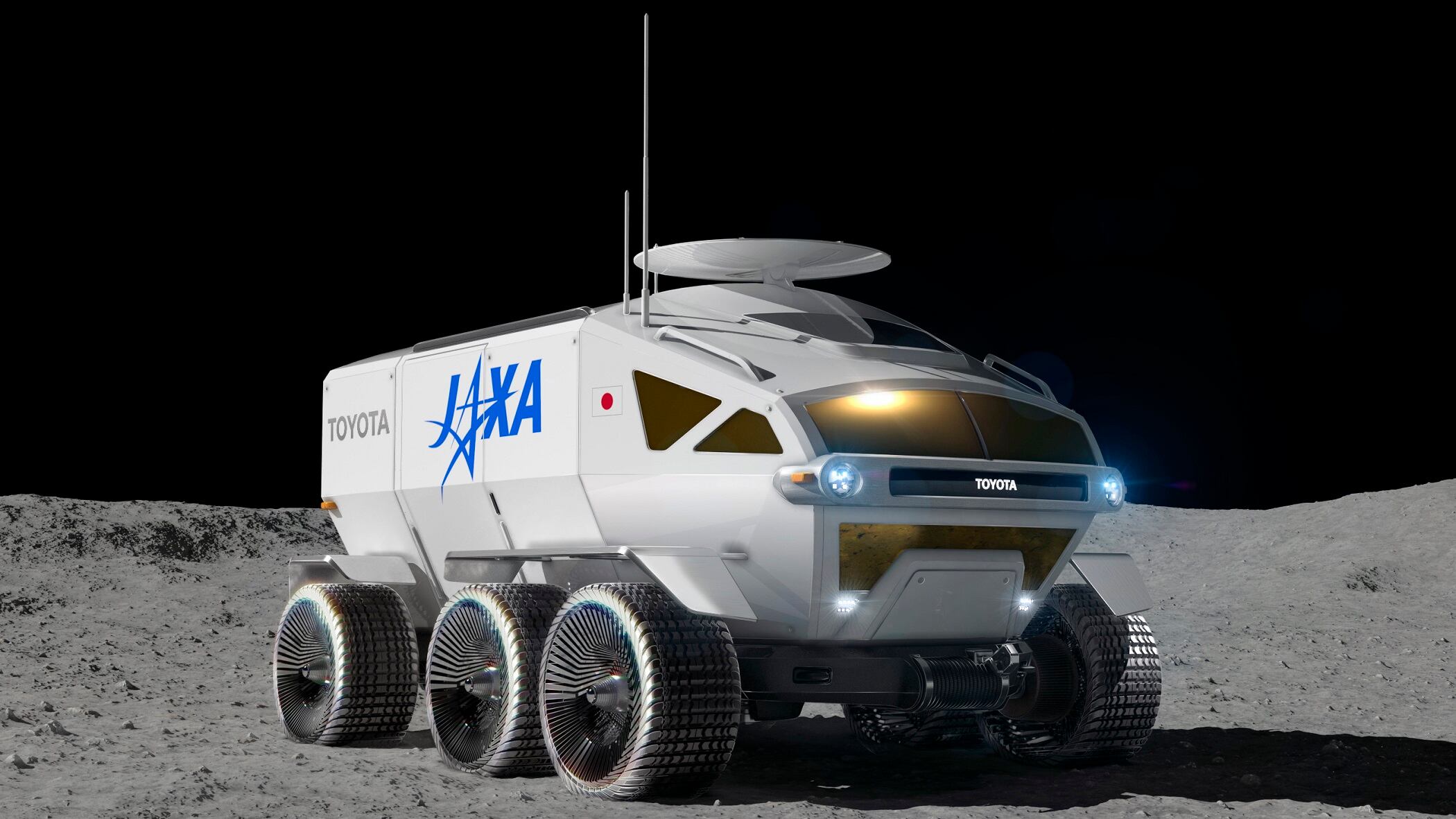
Toyota says it's working with Japan’s space agency on a vehicle to explore the lunar surface, with ambitions to help people live on the moon by 2040 and eventually live on Mars.
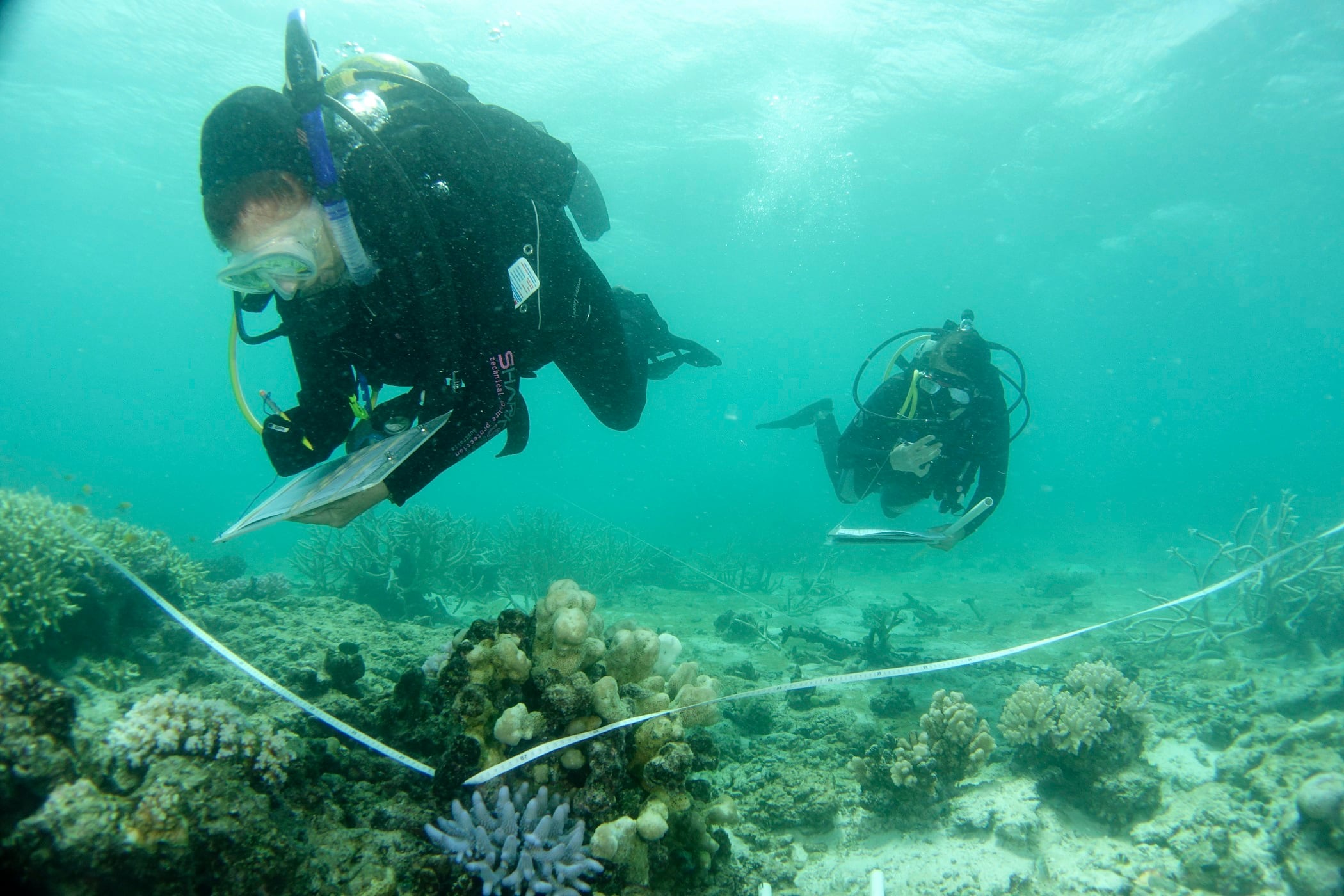
he Australian government has pledged to spend another 1 billion Australian dollars ($704 million) over nine years on improving the health of the Great Barrier Reef after stalling a UNESCO decision on downgrading the natural wonder’s World Heritage status.
The study by California researchers that was published in Thursday’s journal Environmental Science & Technology found that more than 2.6 million tons of methane leaks into the air from gas stoves in the United States even when they aren't running.
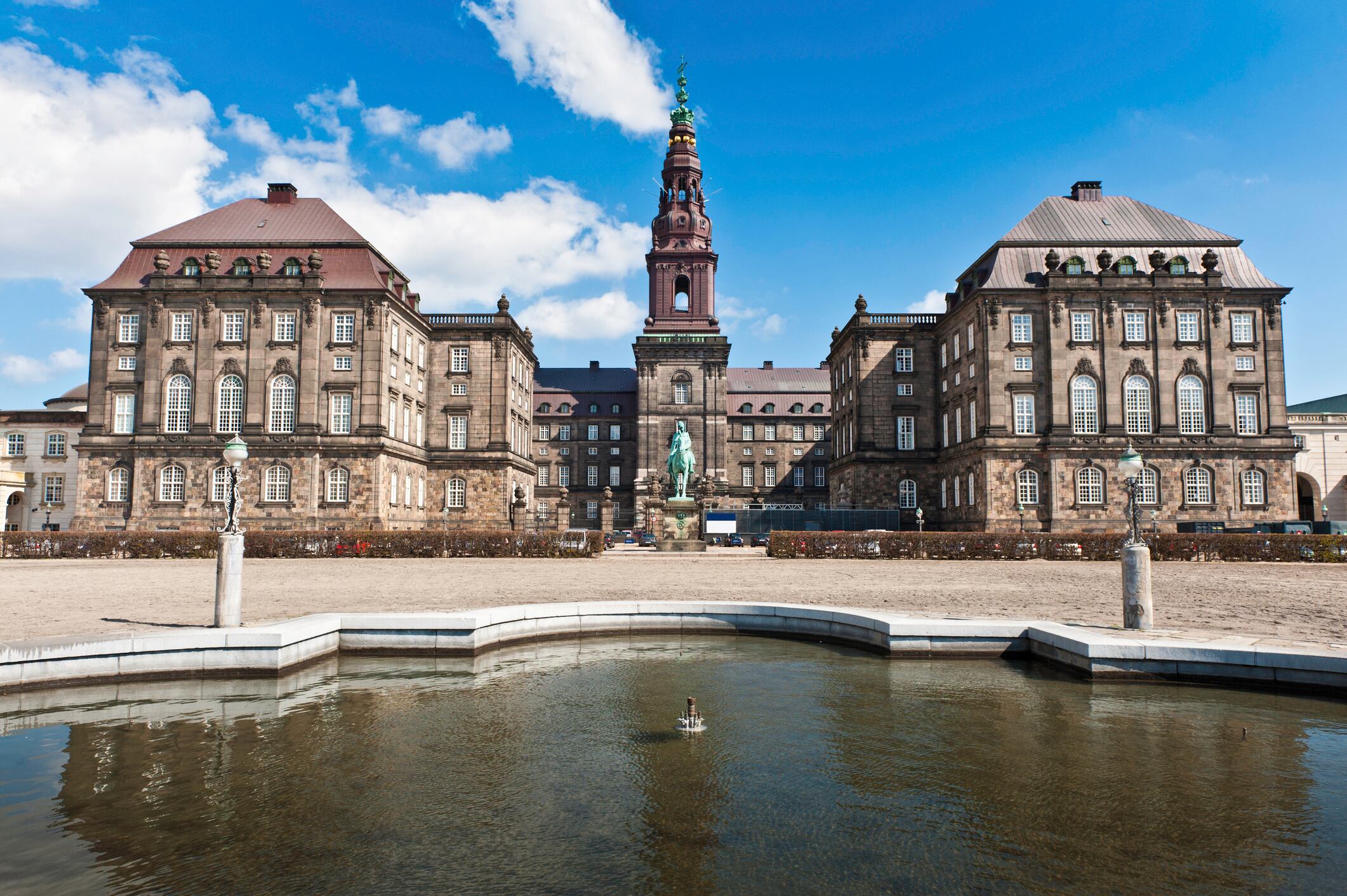
Denmark’s government says it will scrap most pandemic restrictions next week, even as neighboring Sweden has extended its own measures for another fortnight.
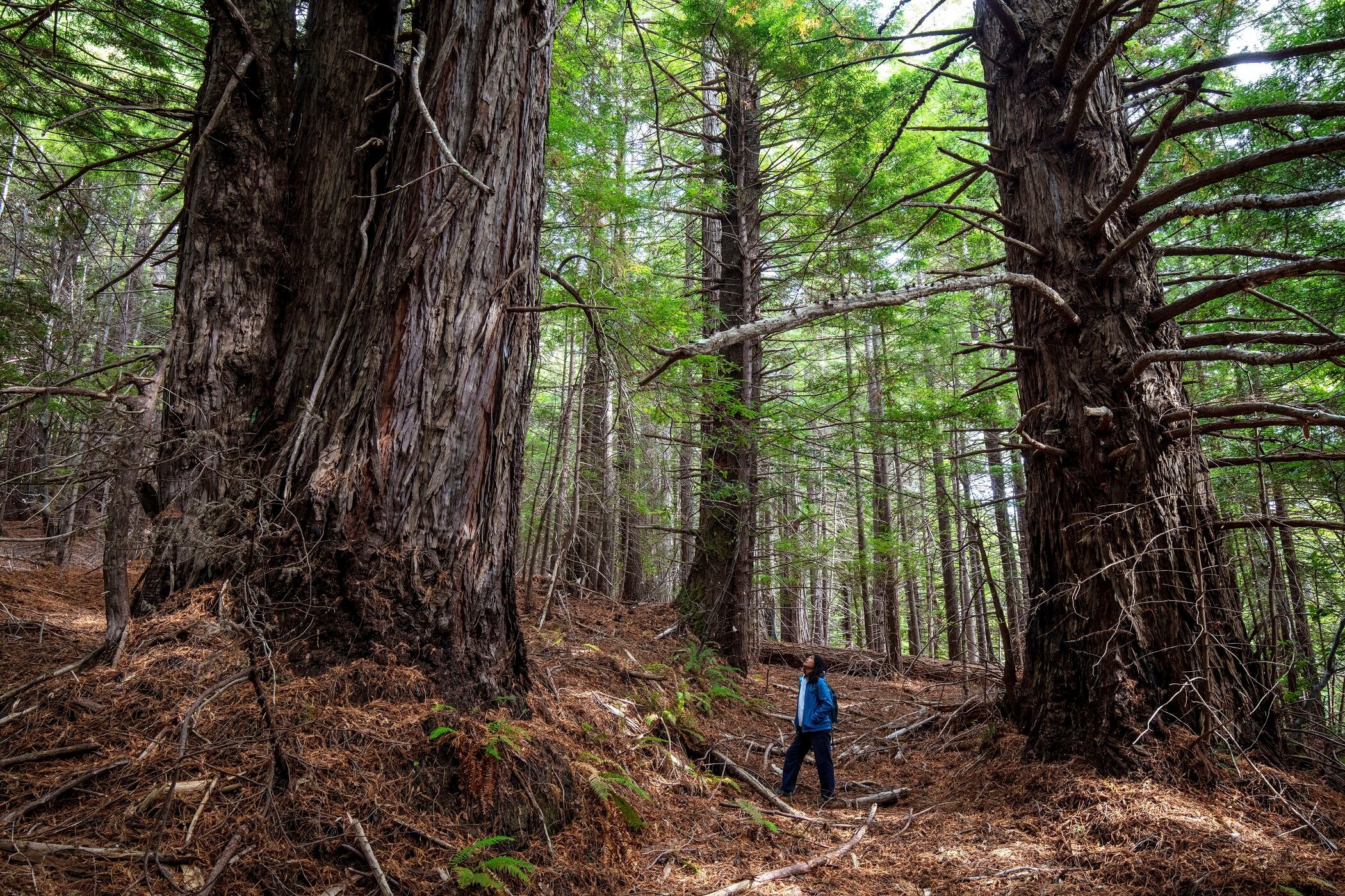
A conservation group is turning over a historic redwood grove on the Northern California coast to descendants of the original Native American inhabitants.
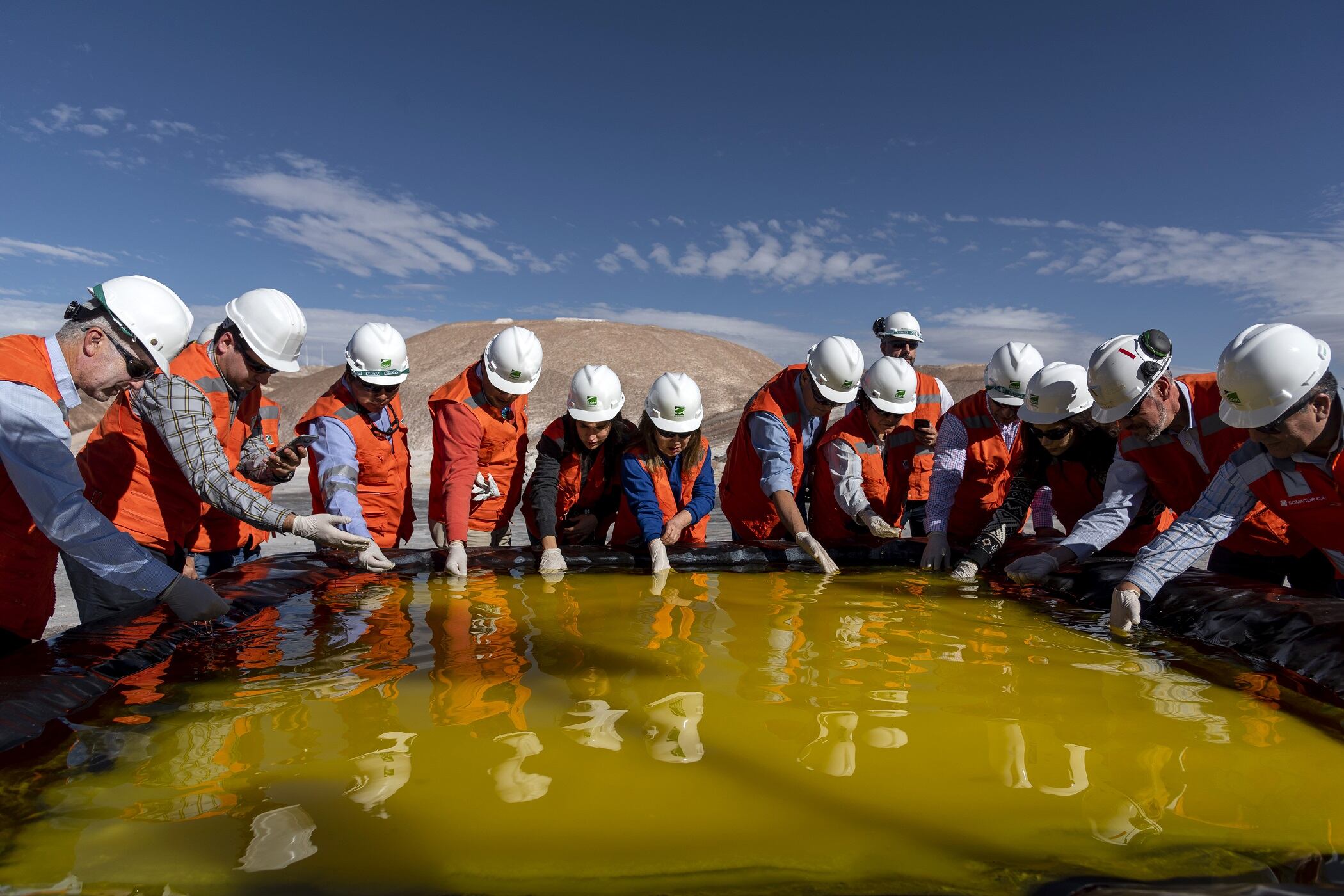
Arguably the biggest challenge to the rise of electric vehicles is their outsized demand for rare earth minerals. Cheddar's Alex Vuocolo does a deep dive into the struggle over securing supply chains for a green tech future.
New research suggests giving extra cash to low-income mothers can change their infants’ brain development.
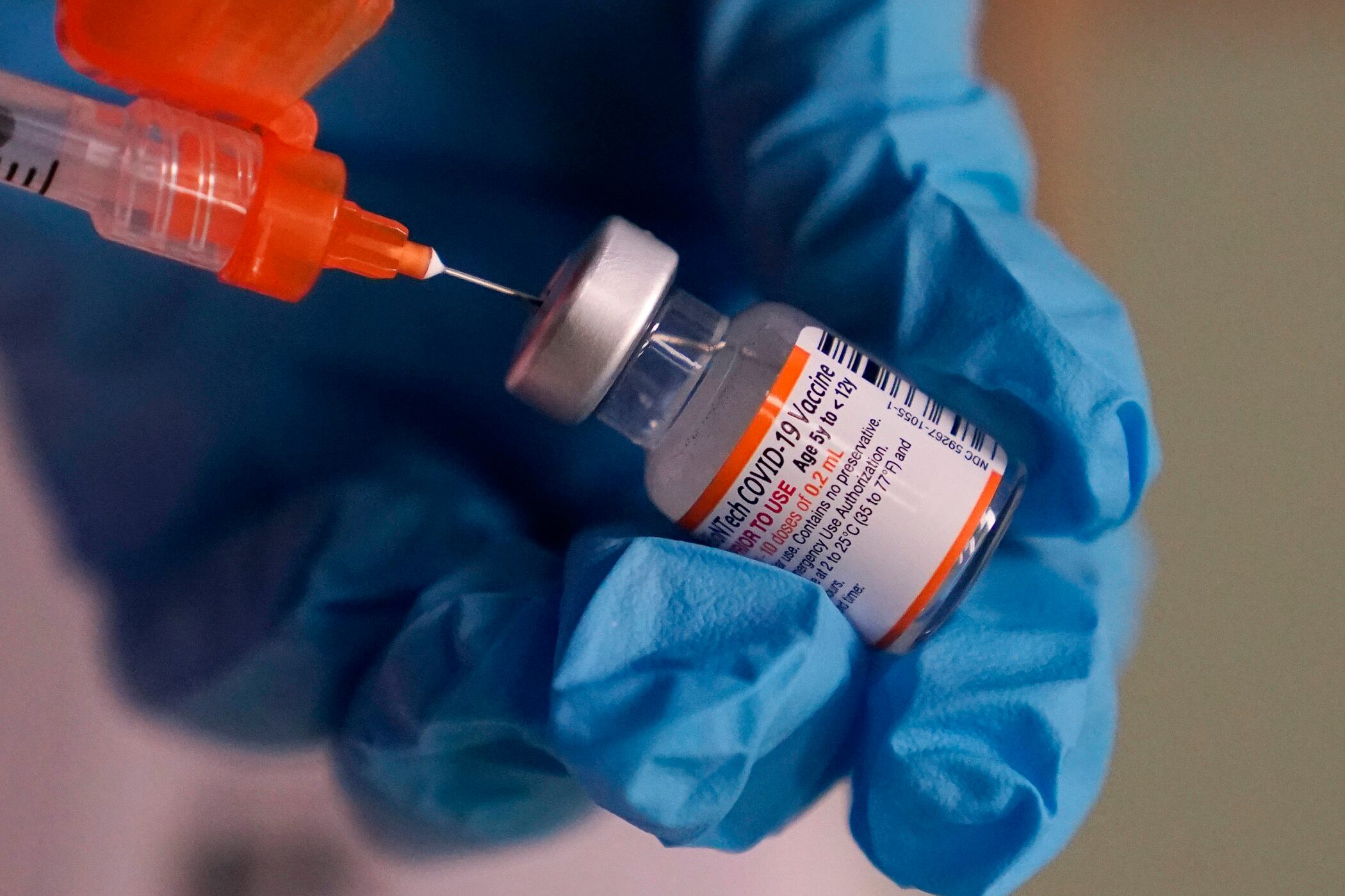
Pfizer and BioNTech have begun studying a COVID-19 vaccine tweaked to match to the omicron variant in healthy adults.
Federal authorities say the last of the escaped monkeys from a Pennsylvania highway crash of a truck towing a trailer load of the animals has been accounted for.
They say life is about the journey, not the destination — and how you get there makes all the difference. Americans shunned train stations, roadways, and airports amid the coronavirus pandemic, never realizing things could be fundamentally different when they return. In this episode, we're exploring the evolving world of transportation, from how we get around to how goods get to us.