Temperatures hit 82 degrees in Washington, D.C., Wednesday, one of the highest readings the city has ever experienced in February. And for the second day in a row, Boston set a high-temperature record for a February day: 71 degrees.
In New York’s Central Park, the temperature hit 78 degrees, the highest ever recorded in February. The milestone shattered the record for Feb. 21, which had previously stood at 68 degrees, back in 1930.
“We’re not breaking daily records, we’re breaking all-time temperature records,” said Andrew Freedman, senior science editor of Mashable.
According to Freedman, part of the explanation lies in an unusual disturbance of the polar vortex, which in the past week has split in two, producing two distinct cold waves across the globe.
“You had one portion of it moving into the Western U.S. and Canada, while at the same time one portion of it moved into Europe and Eurasia,” Freedman said. “So those are the two cold spots in the Northern Hemisphere right now. And in the eastern U.S., suddenly we had this incredible warm-up today and on Tuesday.”
Freedman explained the split in the polar vortex. “Normally, you have this circulation of fast winds in the upper levels of the atmosphere over the Arctic. Usually, it stays put; it behaves well.” But this year the planet experienced what Freedman called a Sudden Stratospheric Warming event. “You had energy from the lower atmosphere go up to the upper atmosphere and sort of knocked it off balance.”
Freedman added that climate change is also contributing to the record temperatures on the East Coast. “It’s easier for us to set these high-temperature records as the climate continues to warm,” he said. “That's the bottom line climate message overall.”
And as for what’s ahead, well, Freedman said, on Thursday, “It’s going to snow in Boston.”
Read more at [Mashable](https://mashable.com/2018/02/15/polar-vortex-split-stratospheric-warming-snow-cold-europe-us/).
Andrew Chanin, CEO of investment management firm ProcureAM, joined Cheddar to break down the many industries in the space economy and discuss what trends are driving the most growth. "Right now there's been so much media focus on space tourism. Why? Because last year it really debuted itself to the world," he said. "However it's less than 1 percent of the overall space economy, and there are many other parts of space which are actually driving this area."
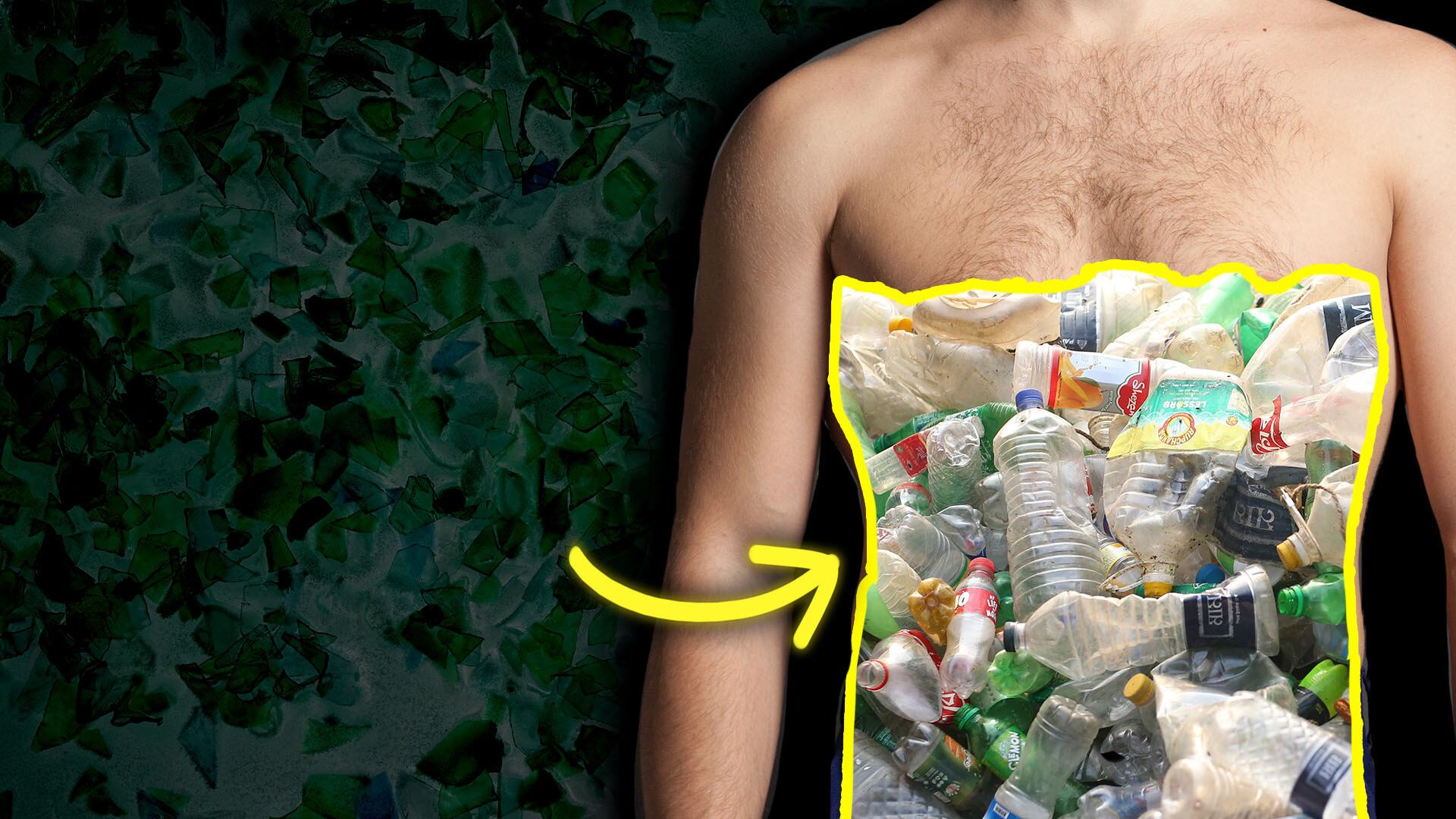
Plastic has become the face of global pollution. To date, humans have produced 8.3 billion metric tons of it. Once discarded, plastic doesn’t biodegrade. Instead, it fragments into microplastics smaller than the size of a sesame seed and further into nanoplastics.
These tiny particles of plastic end up everywhere, deep in the ice of Antarctic glaciers or even inside our bodies.
So how much plastic is inside of us? And what does it mean for our health? Let’s find out.
Catching you up on what you Need to Know on Mar 29, 2022, with updates on the snow squall in Pennsylvania that caused a pileup killing three, the teacher's strike in Sacramento heading into week two, Walmart no longer selling tobacco products in select stores, and what meme stocks are up to this week.
Catching you up on what you Need to Know on Mar 28, 2022, with peace talks resuming in Ukraine as early as today, Colorado wildfires causing evacuations, Shanghai, China, ramping up restrictions once again, the Oscars debacle between Will Smith and Chris Rock, and more.
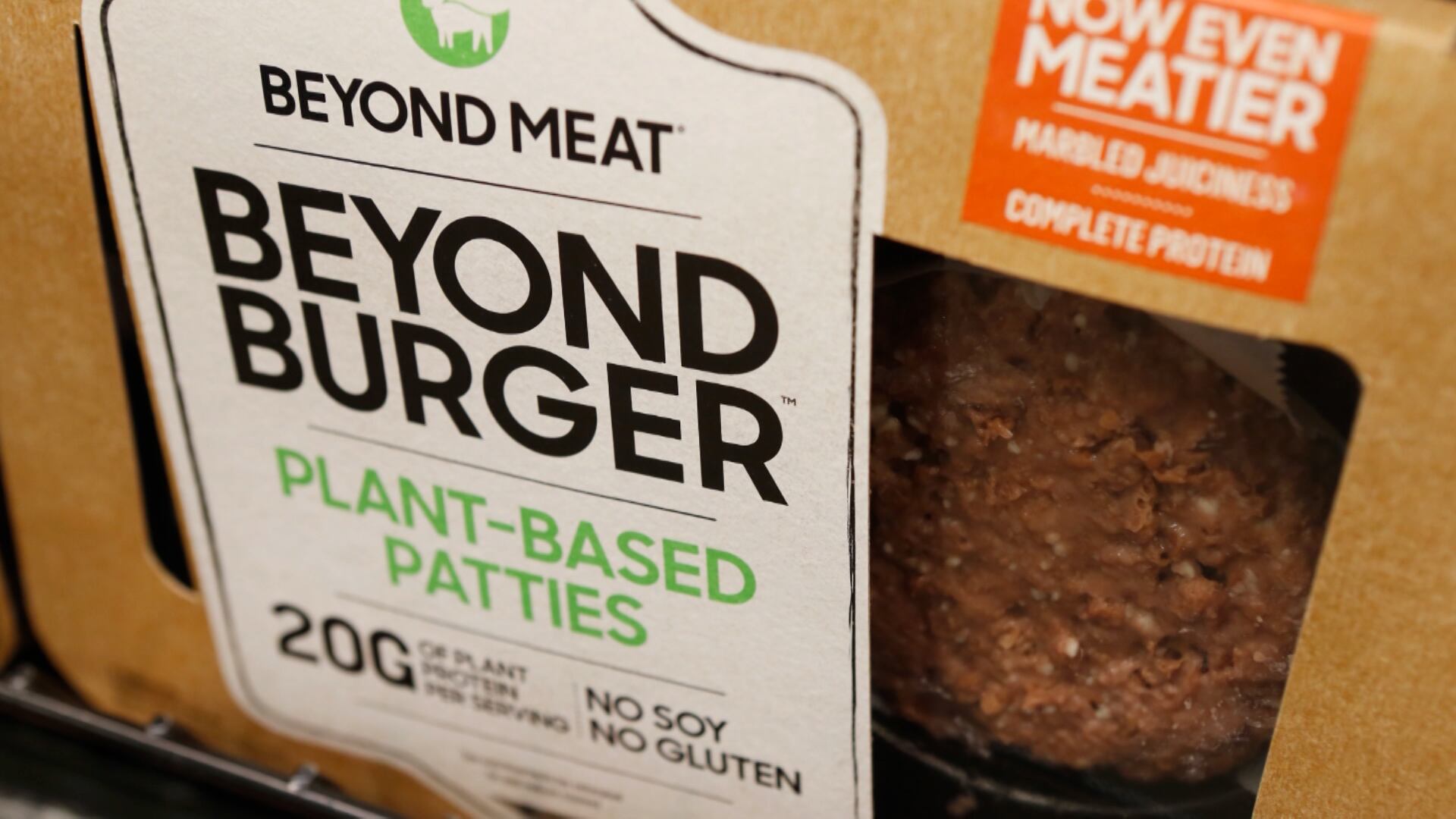
The U.S. market value of the plant-based food industry reached an all-time high last year. According to a new report from the Plant Based Food Association, retail sales of plant-based foods reached $7.4 billion, but questions are arising over whether the industry can sustain the levels of growth it had in the past few years. Julie Emmett, senior director of marketplace development at the Plant Based Food Association, joined Cheddar News' Closing Bell to discuss.
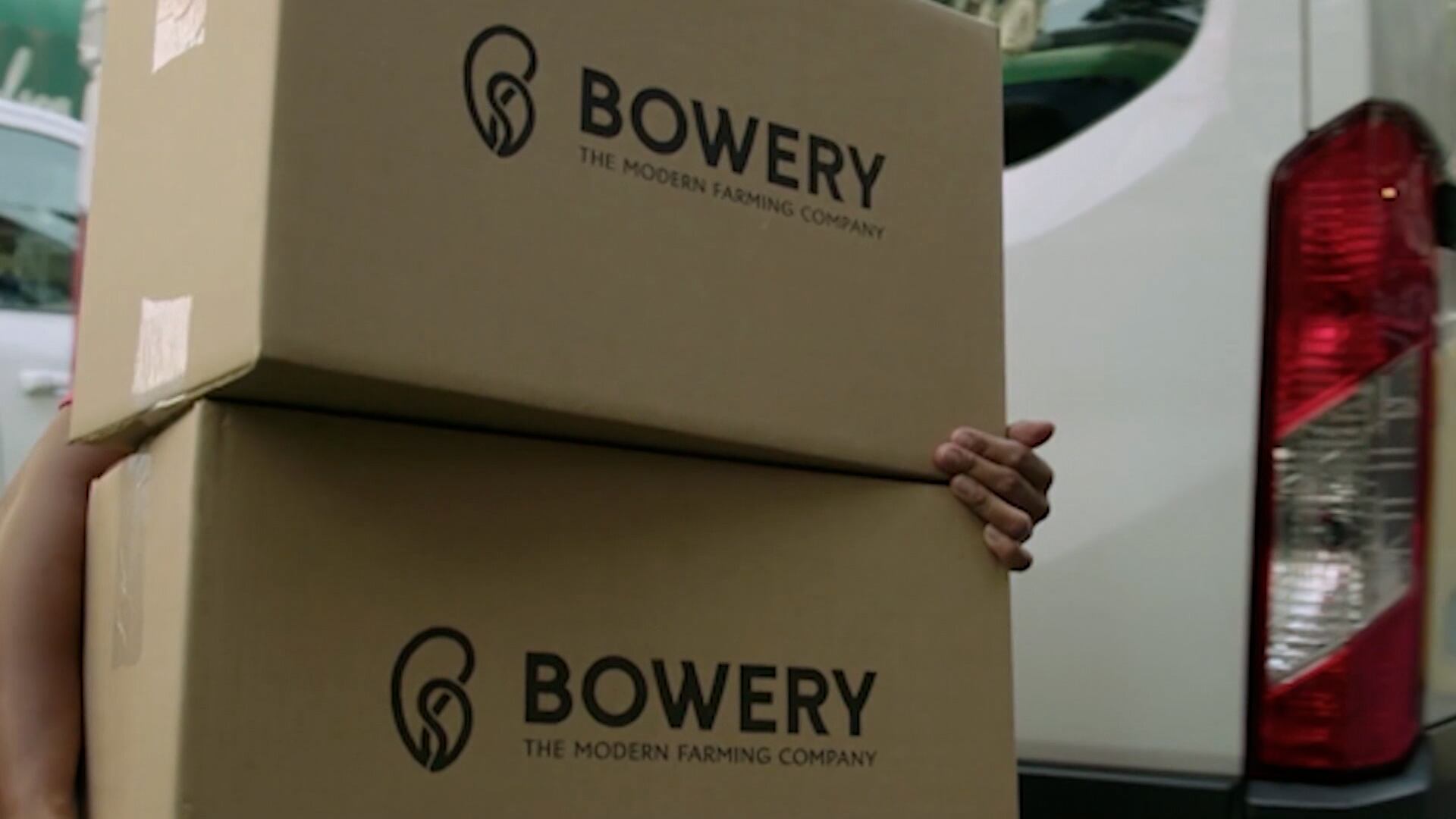
Bowery Farming's vertical growing process allows it to cultivate 13 types of greens — and now, strawberries — in a sustainable way that's also faster than traditional farming. Bowery focuses on sustainability from start to finish, using unique technology to provide plants with what they need at the right time while eliminating waste and cutting down on carbon dioxide emissions. Katie Seawell, Chief Commercial Officer of Bowery Farming, joins Closing Bell to discuss the company's vertical farming process, sustainability focus, fixing the food supply chain, and more.
Nexii, a company based in Canada, is getting some big backing for its sustainable, low-carbon concrete alternative. CEO Stephen Sidwell, joined Cheddar News to talk about the initiatives his company is taking to tackle climate change and scaling up production to meet demand. "Most people don’t realize it, but buildings are the number one contributor to CO2 emissions," he said. "So that's really what we're attacking, the overall CO2 emissions."
Catching you up on what you need to know on March 25, 2022, with Ukrainian forces retaking Kyiv, 300 deaths reported from the bombing of a theater used as a shelter in Mariupol, U.S. regulators ditch a climate review of natural gas projects, the 94th Academy Awards, and more.
New York City Mayor Eric Adams has announced the removal of the mask mandate in school and day-care centers for children under 5. If COVID-19 cases remain low, this change will take place on April 4th. Syra Madad, an infectious disease epidemiologist, joins Cheddar News to discuss.