First, it was Black Friday. Then came Cyber Monday. Then Small Business Saturday became a thing. Holiday shopping events are a marketing team's holy grail, an opportunity to change consumer behavior writ large that doesn't come around very often.
Enter Giving Tuesday, the most recent of the holiday shopping holidays ー though this one is all about altruism. Started in 2012 by the New York nonprofit 92nd Street Y, in partnership with the UN Foundation, the movement has grown to become a de facto response to the consumerism that surrounds the holiday season, in which companies and non-profits urge people to donate money or time to charity ー at least for a day.
According to predictions from the data firm Whole Whale, #GivingTuesday, as it's known online, is expected to top $500 million for the first time, a 25 percent increase from the estimated $400 million that was donated online last year. Still, that haul represents less than 14 percent of the amount of money that will be spent online on Tuesday, according to Adobe Analytics data.
Save the Children, the 100-year-old charity that works to help disadvantaged kids in 120 countries, is among the nonprofits that looks to Giving Tuesday for a portion of its annual fundraising. CEO Carolyn Miles told Cheddar in an interview that millennials still have limited awareness of the day. Save the Children is trying to leverage its relationships with brands and celebrities to spread the word on its social media accounts (and to broadcast that it is matching all donations, 1:1, on Tuesday).
The charity has partnered with red-hot designers like Gabriela Hearst, who is donating 100 percent of the net proceeds from her handbag sales to Save the Children's efforts in Yemen. Those handbags are typically only available by invite, though Hearst is opening the collection to the public this week to spur donations. There are also partnerships with Dave Matthews Band, Jennifer Garner, and the shoe brand Toms.
Many people who give want their donations to help "closer to home," Miles said, noting that Save the Children also works in impoverished communities in the U.S. as well as "all the toughest places to be a child in the world."
The charity counts on the last few weeks of the year for nearly a third of its donations, she said, which is why the awareness around Giving Tuesday is particularly important. Save the Children has an operational budget of $2.2 billion ー equivalent to the entire budget of the newly created U.S. Space Force over the next five years. Last year, it brought in a half-million dollars, the latest in a number that has been "growing every year," though it is still a fraction of the overall budget. The rest comes from corporations, foundations, individual donors and grants from the UN, she said.
U.S. stocks closed Tuesday's session near session highs. The Dow Jones Industrial Average rose 350 points, after rising more than 400 points at its session high. Shares were also impacted positively by optimism around peace talks in Ukraine. Nancy Prial, Co-Chief Executive Officer & Senior Portfolio Manager of Essex Investment Management, joins Cheddar News' Closing Bell to discuss.
Food, paper, and plastic are known to be major factors when it comes to America's trash; but furniture is high on that list, as well. According to the EPA, furniture makes up twelve million tons of waste in landfills every year. It's a problem that one online furniture store is trying to solve. Alpay Koralturk, Founder & CEO of Kaiyo, joins Cheddar News' Closing Bell to discuss.
Bitcoin surged to its highest level on Monday since January 2nd. The gains also come after a late Sunday rally for the cryptocurrency, when it surpassed the key price of $45,000, and also turned positive for 2022. Matt Hougan, CIO of Bitwise Asset Fund, joins Cheddar News' Closing Bell to discuss what is behind the recent rallies for Bitcoin and other cryptocurrencies.
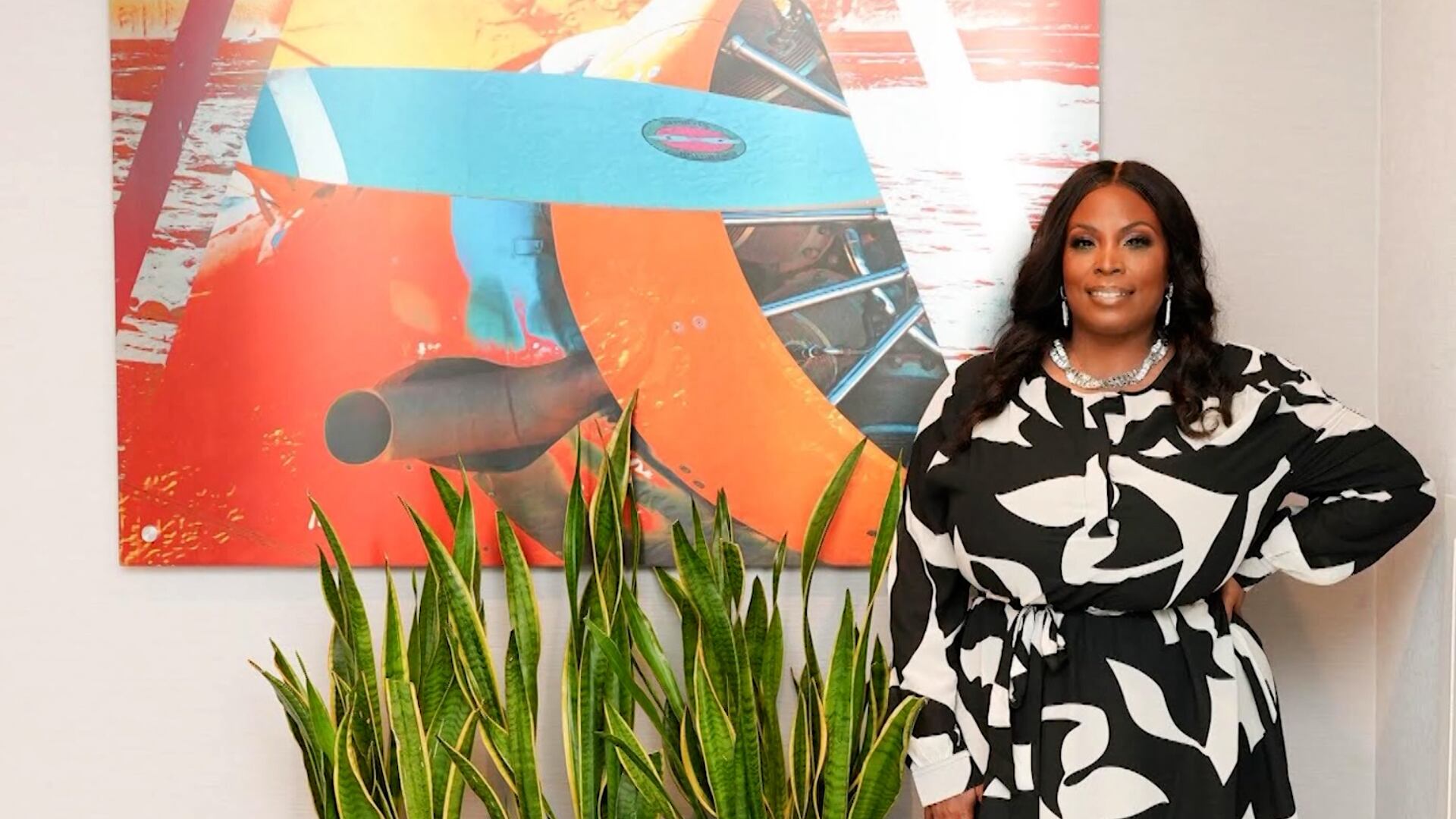
Founder and CEO of Capital Postal & Mail Box Service, Takisha Clark, joined Cheddar News to talk about being the first black woman to own a postal franchise, the obstacles she faced when launching her business, and how she overcame them. “I ran into just dealing with lack of resources, dealing with just being a black woman, just trying to become this entrepreneur and be inspiring to others, so it's been a journey," she said. "It's been hard, and I've just been maneuvering through the cracks."
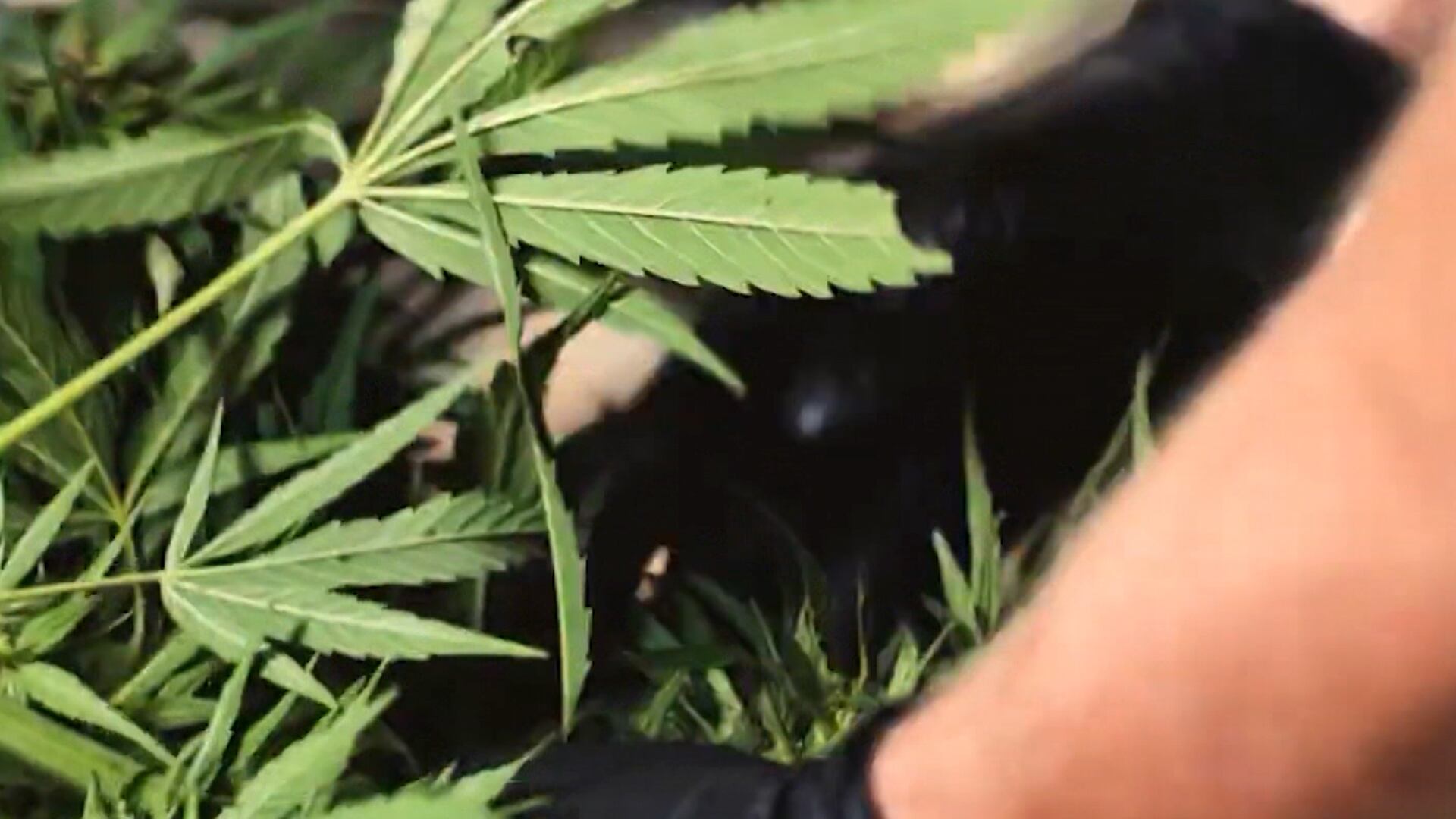
Actress, model, author, and entrepreneur Brooke Shields has joined organic CBD company Prospect Farms as its chief brand officer. She joined CEO Brad Tipper to talk to Cheddar News about her coming aboard. Shield’s explained how her involvement with Prospect Farms stemmed from a discussion about her lack of sleep. “I started learning about the positive effects and the different ways that CBD can be introduced to a person's life, and I was just sort of fascinated because it all feels so new to me," she said.
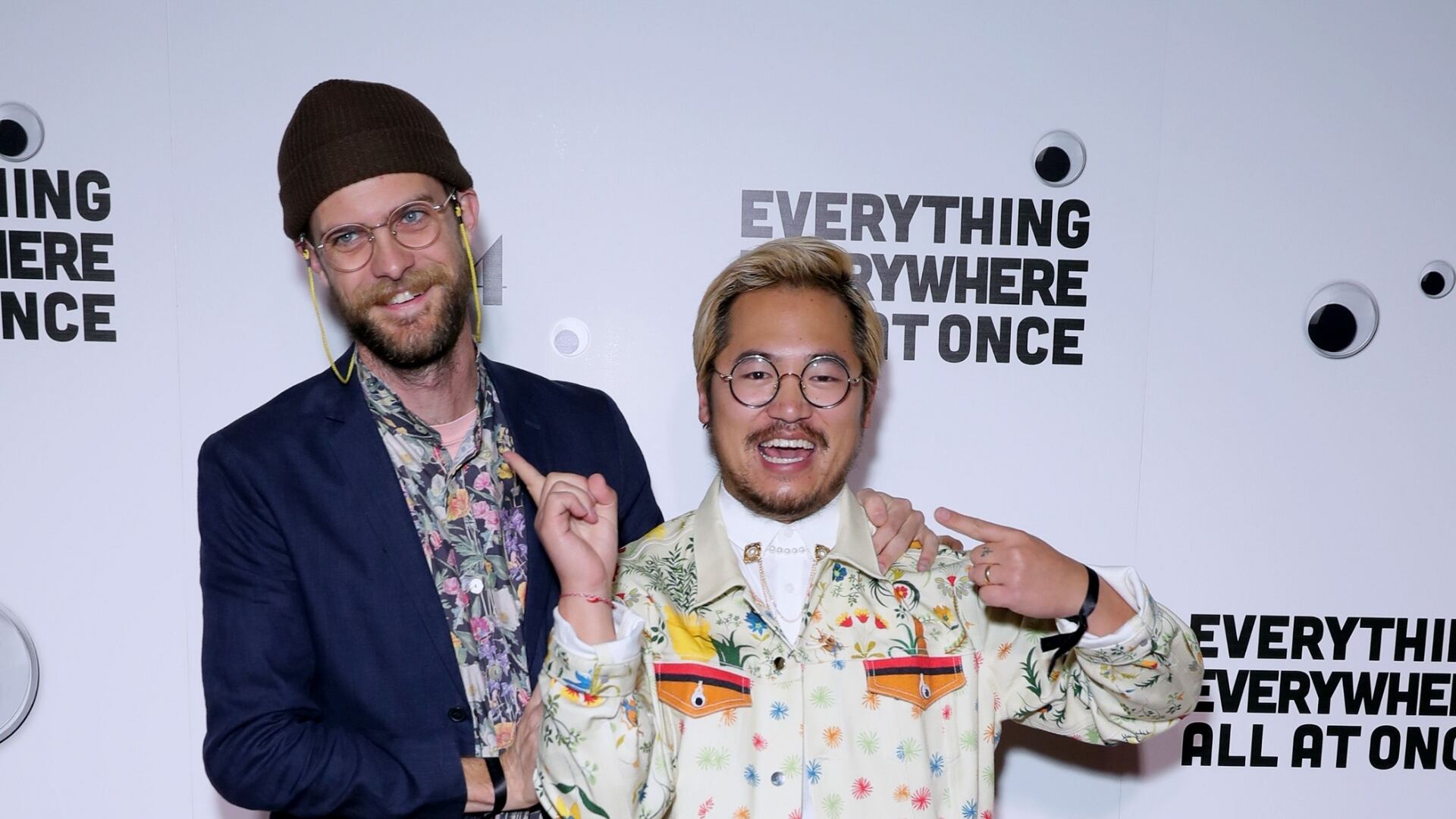
The co-writers and directors of the movie "Everything Everywhere All at Once" Daniel Kwan and Daniel Scheinert joined Cheddar News to discuss their new sci-fi action-comedy starring Michelle Yeoh now in select theaters. The filmmakers talked about bringing the multiverse-traversing plot to life, as well as getting the chance to tell an Asian American story following in the footsteps of successful films like "Crazy Rich Asians." "We like to make films that we want to see on the screen, and even if that means they don't exist or even that means that the world might not be ready for them," said Kwan. "That's what we're chasing. Luckily for us, the movie took so long to make that by the time it was finished or by the time now that it's done, so much has changed."
Paul Mundell, Executive Director of the American Service Dog Access Coalition, joins Cheddar Reveals to discuss why emotional support, therapy, and service dogs are important.
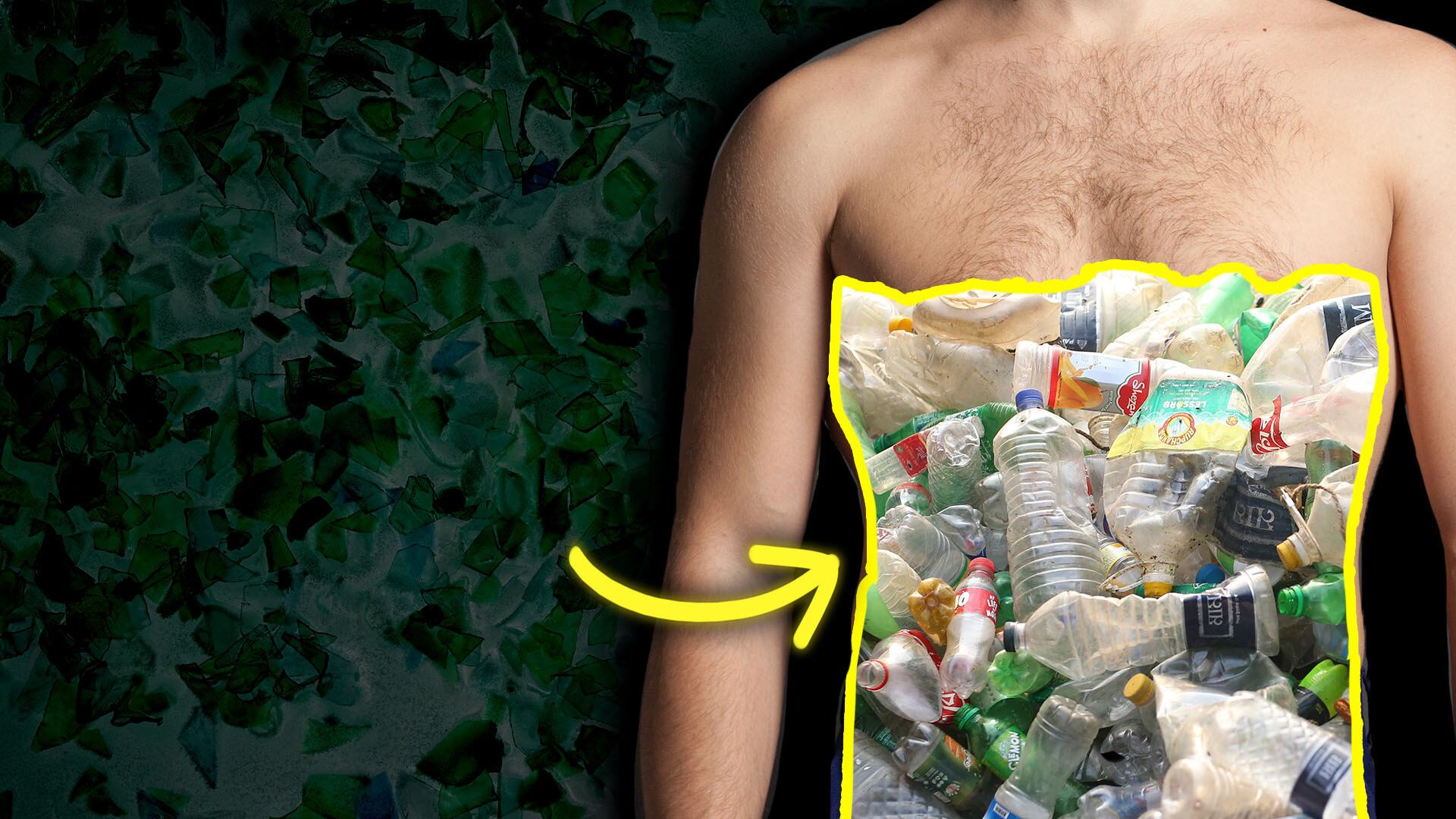
Plastic has become the face of global pollution. To date, humans have produced 8.3 billion metric tons of it. Once discarded, plastic doesn’t biodegrade. Instead, it fragments into microplastics smaller than the size of a sesame seed and further into nanoplastics.
These tiny particles of plastic end up everywhere, deep in the ice of Antarctic glaciers or even inside our bodies.
So how much plastic is inside of us? And what does it mean for our health? Let’s find out.
Catching you up on what you Need to Know on Mar 29, 2022, with updates on the snow squall in Pennsylvania that caused a pileup killing three, the teacher's strike in Sacramento heading into week two, Walmart no longer selling tobacco products in select stores, and what meme stocks are up to this week.