First, it was Black Friday. Then came Cyber Monday. Then Small Business Saturday became a thing. Holiday shopping events are a marketing team's holy grail, an opportunity to change consumer behavior writ large that doesn't come around very often.
Enter Giving Tuesday, the most recent of the holiday shopping holidays ー though this one is all about altruism. Started in 2012 by the New York nonprofit 92nd Street Y, in partnership with the UN Foundation, the movement has grown to become a de facto response to the consumerism that surrounds the holiday season, in which companies and non-profits urge people to donate money or time to charity ー at least for a day.
According to predictions from the data firm Whole Whale, #GivingTuesday, as it's known online, is expected to top $500 million for the first time, a 25 percent increase from the estimated $400 million that was donated online last year. Still, that haul represents less than 14 percent of the amount of money that will be spent online on Tuesday, according to Adobe Analytics data.
Save the Children, the 100-year-old charity that works to help disadvantaged kids in 120 countries, is among the nonprofits that looks to Giving Tuesday for a portion of its annual fundraising. CEO Carolyn Miles told Cheddar in an interview that millennials still have limited awareness of the day. Save the Children is trying to leverage its relationships with brands and celebrities to spread the word on its social media accounts (and to broadcast that it is matching all donations, 1:1, on Tuesday).
The charity has partnered with red-hot designers like Gabriela Hearst, who is donating 100 percent of the net proceeds from her handbag sales to Save the Children's efforts in Yemen. Those handbags are typically only available by invite, though Hearst is opening the collection to the public this week to spur donations. There are also partnerships with Dave Matthews Band, Jennifer Garner, and the shoe brand Toms.
Many people who give want their donations to help "closer to home," Miles said, noting that Save the Children also works in impoverished communities in the U.S. as well as "all the toughest places to be a child in the world."
The charity counts on the last few weeks of the year for nearly a third of its donations, she said, which is why the awareness around Giving Tuesday is particularly important. Save the Children has an operational budget of $2.2 billion ー equivalent to the entire budget of the newly created U.S. Space Force over the next five years. Last year, it brought in a half-million dollars, the latest in a number that has been "growing every year," though it is still a fraction of the overall budget. The rest comes from corporations, foundations, individual donors and grants from the UN, she said.
With so many high-profile court cases taking over the media, from the trial over the murder of Ahmaud Arbery to the trial of Kyle Rittenhouse to the ongoing Elizabeth Holmes trial, Cheddar took a look at these cases and why there is such a big interest in them. Rachel Fiset, a white collar criminal defense lawyer and partner with Zeiback, Fiset, and Coleman, and Bryan Hance, attorney-at-law, professor, and academic program director of the pre-law and paralegal studies program at National University, joined Cheddar for a roundtable discussion on why there is so much public interest in so-called courtroom drama.
2022 is just around the corner and one of the world's most famous trendspotters says that there is a wide-ranging mix of trends coming up in the new year that could impact businesses, culture, and our society at large.
Trendspotter and cultural zeitgeist analyst Marian Salzman, joined Cheddar to discuss more.
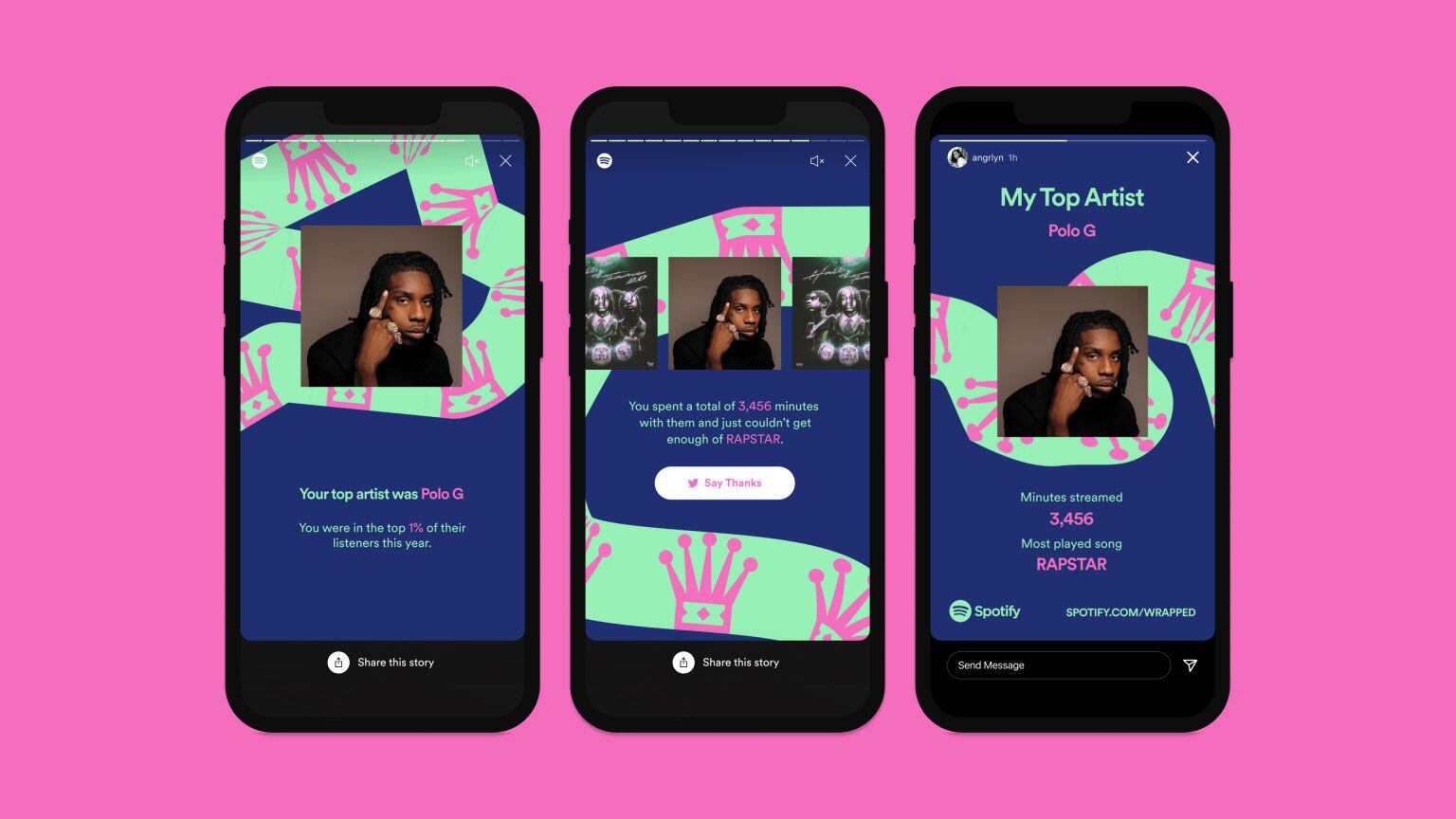
Spotify has just officially released its 2021 'Wrapped'. For the past few years, the streaming giant has been presenting customers with their listening habits from the prior year, including favorite artists, most listened to the genre, podcasts, songs you name it. However, critics say this method just shows how apps can collect our data. CEO of Prevailion Karim Hijazi, joined Cheddar to discuss more.
Recent internal documents obtained by the New York Times reveal how exactly TikTok's algorithm works. The report highlights how the app is mainly focused on retaining two metrics which are retention and time spent. In addition, the document titled, "TikTok Algo 101" details how the algorithm understands human nature from when we get bored to our sensitivity and culture ques. It means the app monitors will kind of videos you like. Professor of Computer Science at the University of California in San Diego Julian McCauley, joined Cheddar to discuss more.
According to a recent study by a group of international researchers, artificial intelligence can predict new illegal drugs before they hit the streets. This method could help save lives and fight crime. Professor of Computing Science at the University of Alberta, joined Cheddar to discuss more.
Carlo and Baker discuss the sweeping new vaccine mandate in NYC that will target all private businesses. Plus, Trump's media venture gets its CEO and more.
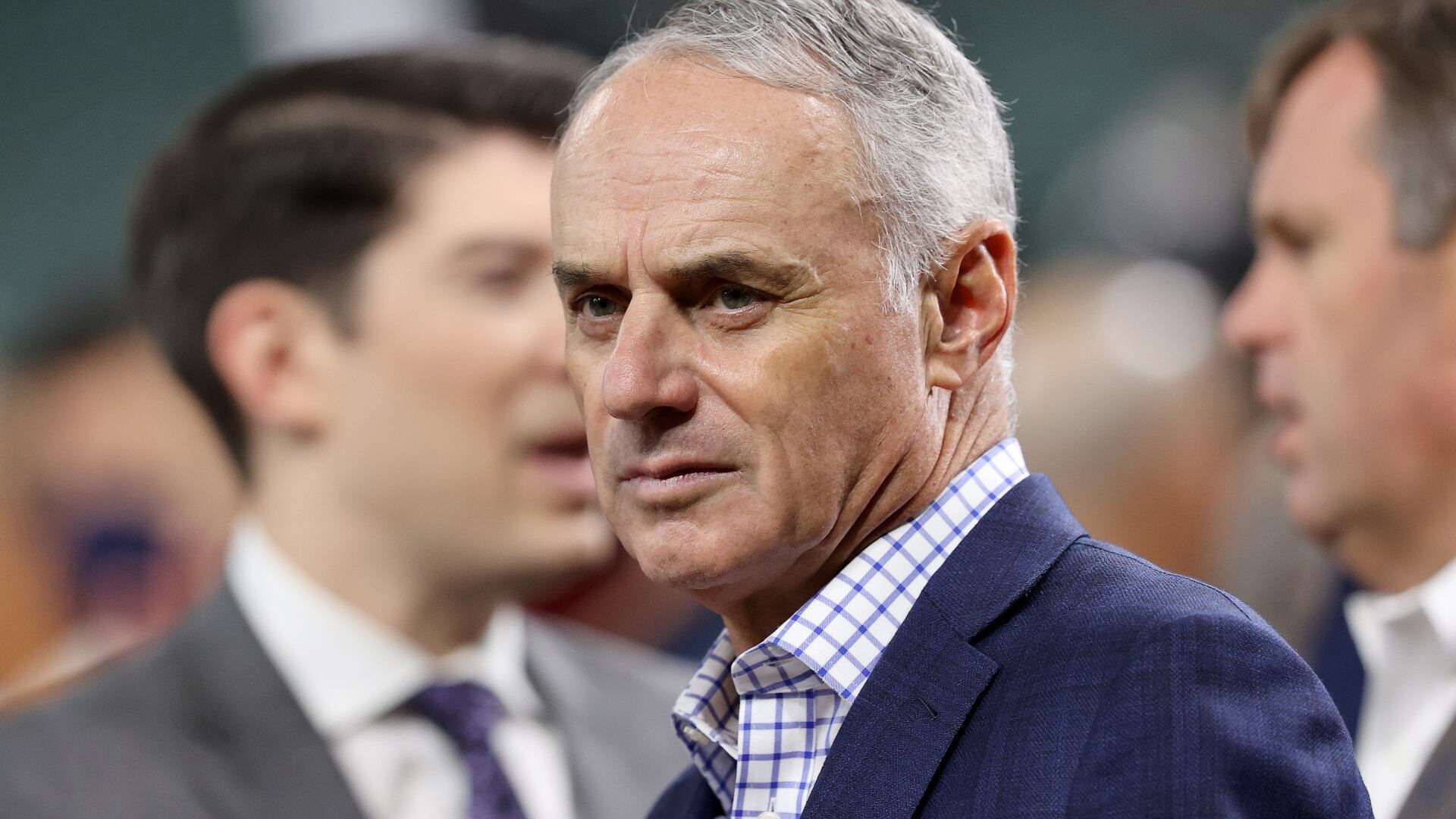
A lockout is now in place for Major League Baseball. The collective bargaining agreement between the league and players association expired at 11:59 p.m. Wednesday night.
MLB commissioner Rob Manfred said both sides were unable to negotiate a new contract by that time, so the league locked out the players on Thursday at 12:01 a.m. The lockout also means trades and free agency deals have to stop for now. Dodgers Nation lead editor Clint Pasillas joined Cheddar News' Closing Bell to discuss.
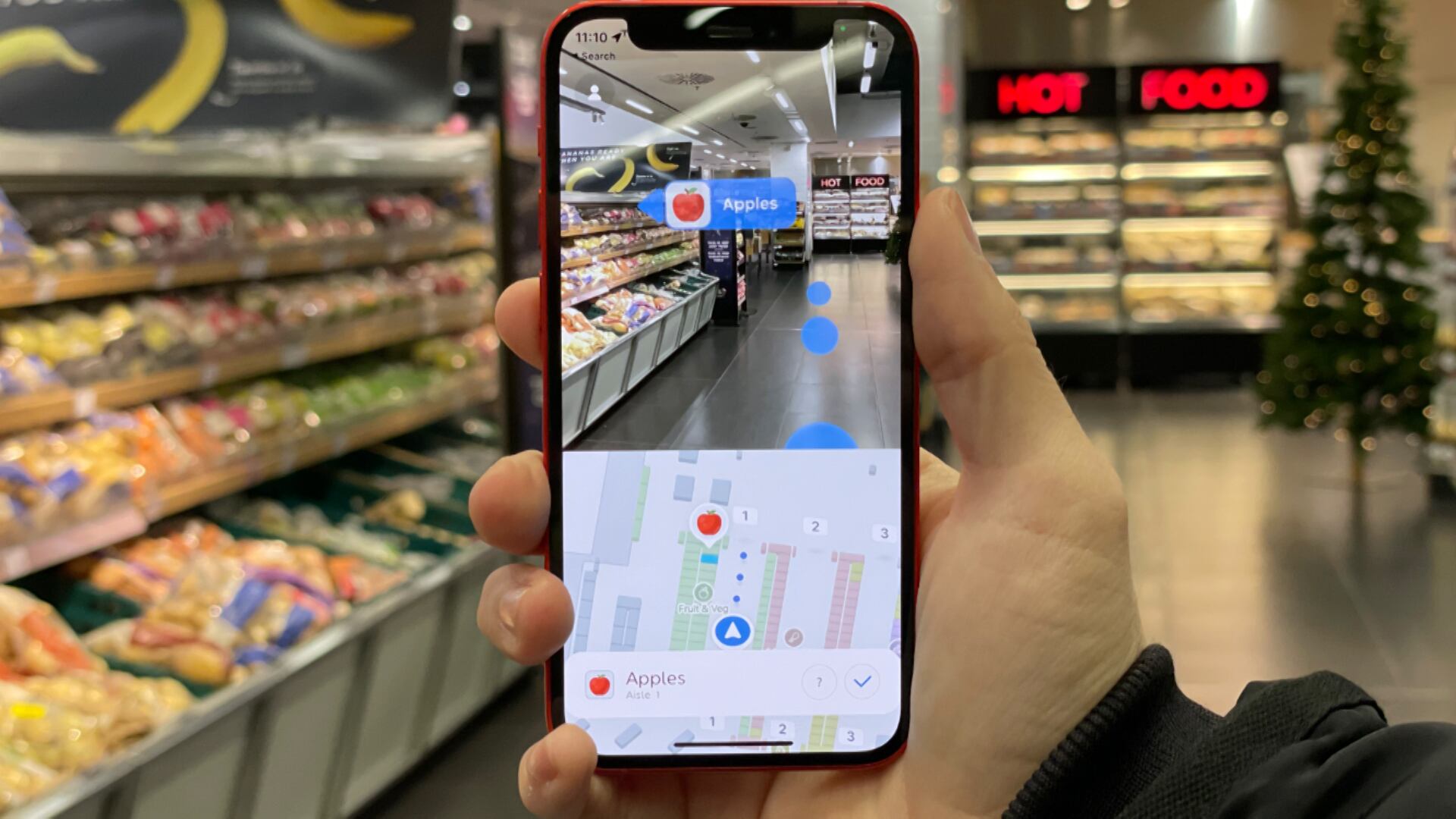
The UK-based augmented reality startup, Dent Reality, raised the equivalent of $3.4 million USD in its most recent funding round. Dent Reality has created an AR app for smartphones that helps shoppers navigate retail locations by providing a layout of a store's aisles, while showing where to find specific items. The company works mainly with grocery stores but aims to integrate its tech with all types of physical spaces. Dent Reality CEO Andrew Hart joins Cheddar News' Closing Bell to discuss.