First, it was Black Friday. Then came Cyber Monday. Then Small Business Saturday became a thing. Holiday shopping events are a marketing team's holy grail, an opportunity to change consumer behavior writ large that doesn't come around very often.
Enter Giving Tuesday, the most recent of the holiday shopping holidays ー though this one is all about altruism. Started in 2012 by the New York nonprofit 92nd Street Y, in partnership with the UN Foundation, the movement has grown to become a de facto response to the consumerism that surrounds the holiday season, in which companies and non-profits urge people to donate money or time to charity ー at least for a day.
According to predictions from the data firm Whole Whale, #GivingTuesday, as it's known online, is expected to top $500 million for the first time, a 25 percent increase from the estimated $400 million that was donated online last year. Still, that haul represents less than 14 percent of the amount of money that will be spent online on Tuesday, according to Adobe Analytics data.
Save the Children, the 100-year-old charity that works to help disadvantaged kids in 120 countries, is among the nonprofits that looks to Giving Tuesday for a portion of its annual fundraising. CEO Carolyn Miles told Cheddar in an interview that millennials still have limited awareness of the day. Save the Children is trying to leverage its relationships with brands and celebrities to spread the word on its social media accounts (and to broadcast that it is matching all donations, 1:1, on Tuesday).
The charity has partnered with red-hot designers like Gabriela Hearst, who is donating 100 percent of the net proceeds from her handbag sales to Save the Children's efforts in Yemen. Those handbags are typically only available by invite, though Hearst is opening the collection to the public this week to spur donations. There are also partnerships with Dave Matthews Band, Jennifer Garner, and the shoe brand Toms.
Many people who give want their donations to help "closer to home," Miles said, noting that Save the Children also works in impoverished communities in the U.S. as well as "all the toughest places to be a child in the world."
The charity counts on the last few weeks of the year for nearly a third of its donations, she said, which is why the awareness around Giving Tuesday is particularly important. Save the Children has an operational budget of $2.2 billion ー equivalent to the entire budget of the newly created U.S. Space Force over the next five years. Last year, it brought in a half-million dollars, the latest in a number that has been "growing every year," though it is still a fraction of the overall budget. The rest comes from corporations, foundations, individual donors and grants from the UN, she said.
Integrity Marketing Group, nation's largest independent distributor of life and health insurance products, is showing its employees it cares. The company surprised its 5,500 employees with $125 million in cash payouts to those participating in the company's Employee Ownership Plan. Bryan Adams, CEO of at Integrity Marketing Group, and Steve Young, NFL Hall of Famer and chairman of the board at Integrity Marketing Group, join Cheddar News to talk about the announcement.
Anthony Tall, sports agent and president of Miracle Sports Agency, joins Cheddar News to talk about the challenges professional sports leagues are facing amid a surge in coronavirus cases across the U.S.
Jilly Stephens, CEO of City Harvest, joins Cheddar News to discuss food insecurity. She also offers tips on how people can volunteer at their local food bank this holiday season.
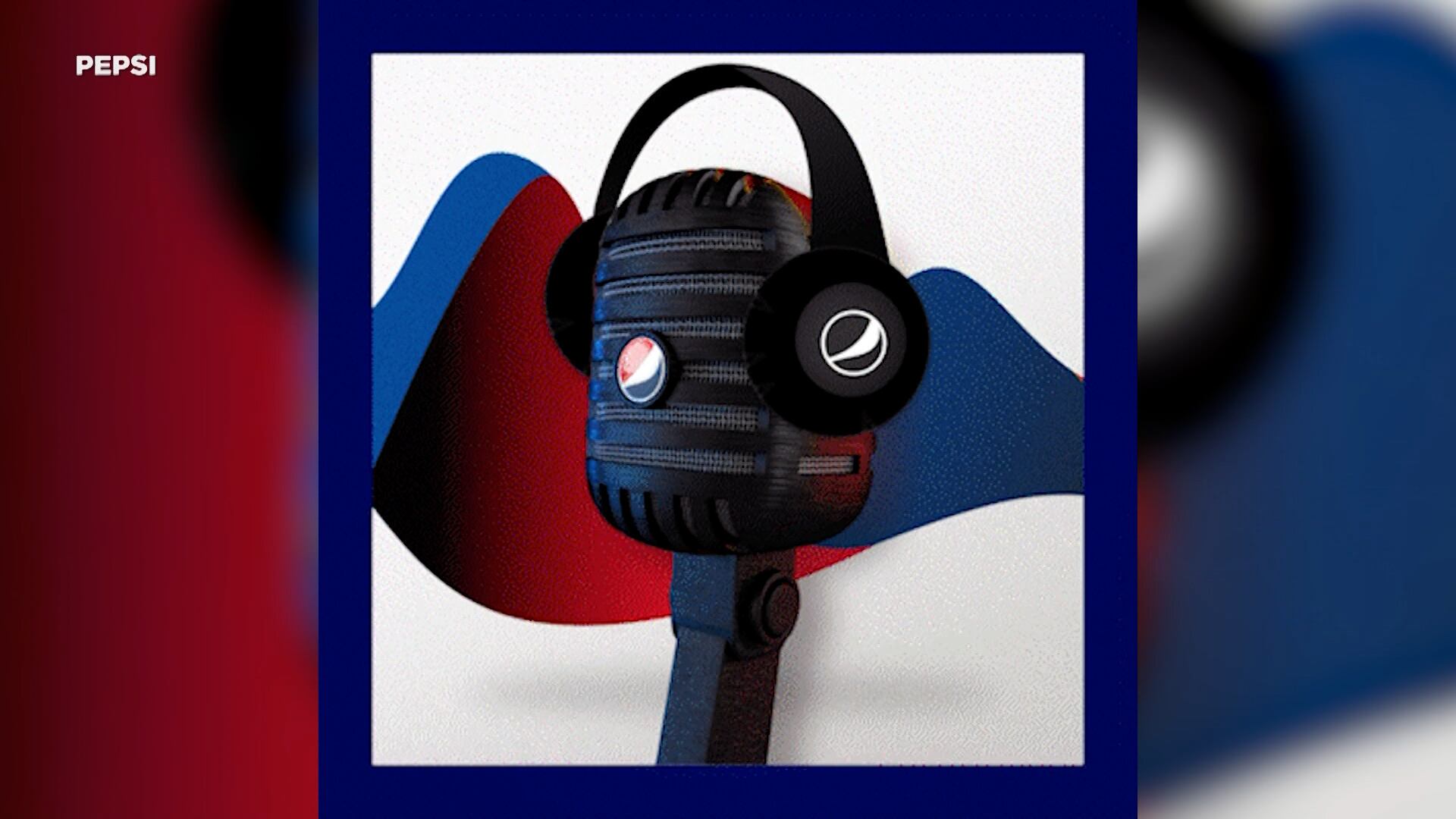
Todd Kaplan, Pepsi's Vice President of Marketing, joins Cheddar News to discuss the company's first-ever non-fungible token with its Pepsi Mic Drop genesis NFT collection.
This year, consumers might not be as surprised by what's under their trees as by the trees themselves. Despite a tighter market for trees, Stew Leonard's was able to secure its entire stock of Christmas trees from a supplier in Quebec. But some prices jumped this year as a result of increased costs for shipping and labor amid the COVID-19 pandemic. Cheddar's Chloe Aiello reports.
Dr. Travis Langley, Professor of Psychology at Henderson State University, joins Cheddar Reveals to discuss why the Joker is widely considered the best villain of all time and a prevailing figure in pop culture and provides insight into the psychological and cultural reasons we find him so fascinating.
On this episode of Cheddar Reveals, Dr. Travis Langley, Professor of Psychology, Henderson State University, discusses why the Joker is widely considered the best villain of all time and a prevailing figure in pop culture and provides insight into psychological and cultural reasons we find him so fascinating; Jonathan Gayles Professor and Chair, Department of Africana Studies at Georgia State University, dissects the diversity efforts in representations of superheroes and villains in comics and Hollywood films; Cheddar gets a look at Curiosity Stream's 'My Comic Shop Country.'
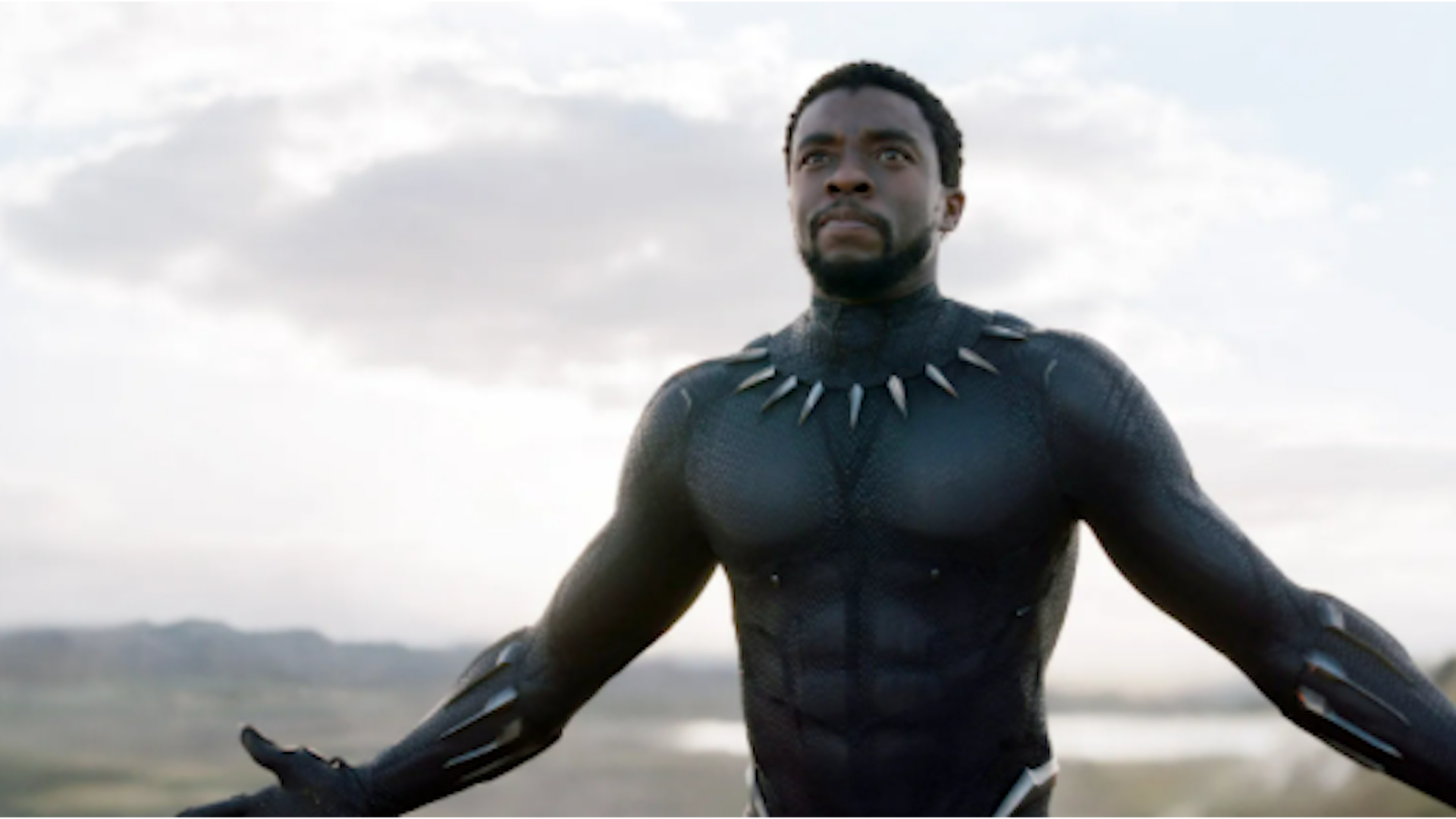
Jonathan Gayles Professor and Chair, Department of Africana Studies at Georgia State University, joins Cheddar Reveals to dissect the diversity efforts in representations of superheroes and villains in comics and Hollywood films.
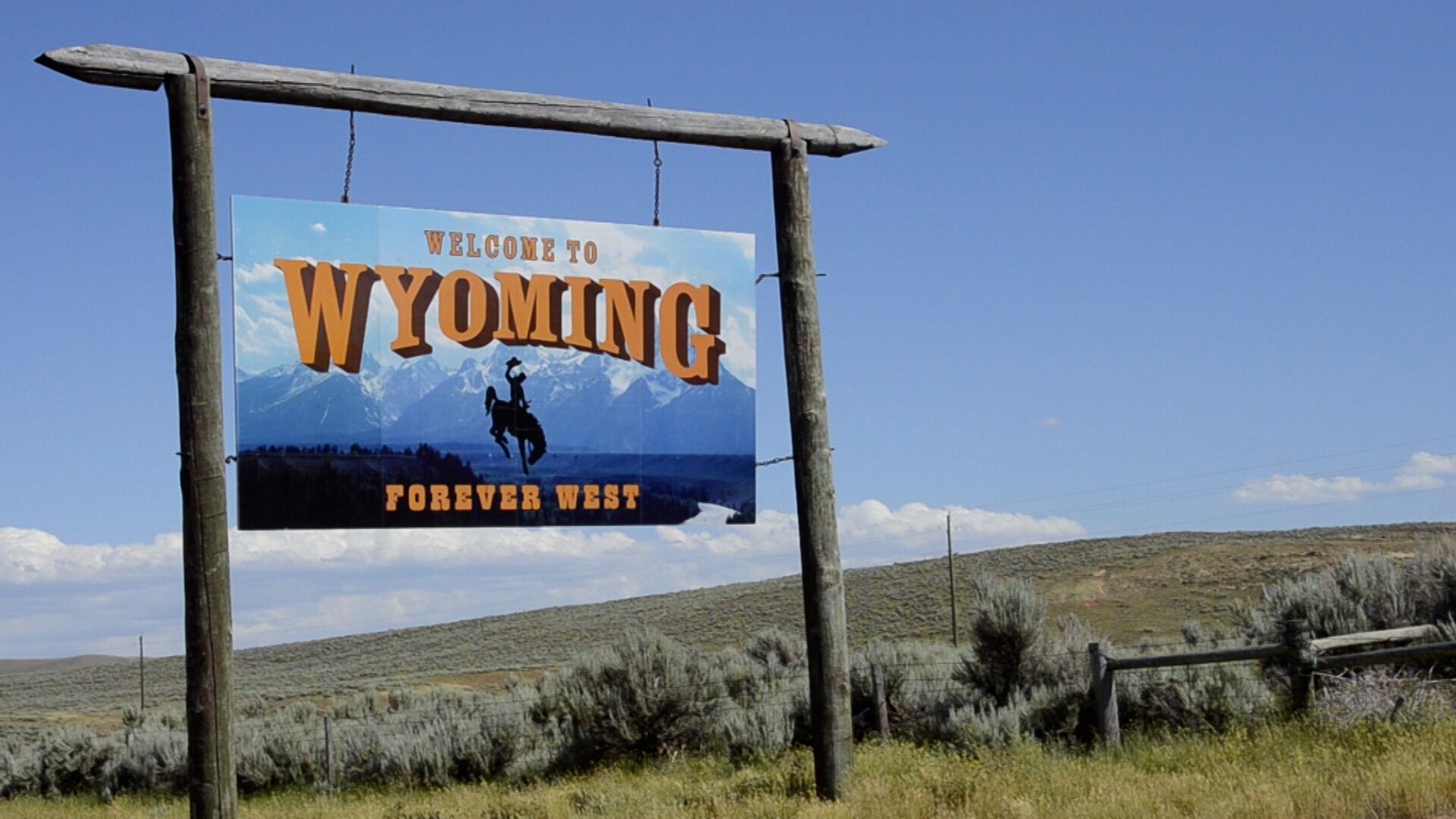
The Cowboy State has become one of the world's top tax havens, according to the Pandora Papers, a trove of more than 11.9 million documents obtained by the International Consortium of Investigative Journalists and The Washington Post. The papers reveal, among other things, how ultra-wealthy people from around the world move money into the U.S., invest, and spend it under a shroud of secrecy. Allison Tait, University of Richmond law professor, joined Cheddar to talk about Wyoming's laidback tax laws, their impact on the nation's economy, and provided some details on the financial arrangement known as the "cowboy cocktail."