First, it was Black Friday. Then came Cyber Monday. Then Small Business Saturday became a thing. Holiday shopping events are a marketing team's holy grail, an opportunity to change consumer behavior writ large that doesn't come around very often.
Enter Giving Tuesday, the most recent of the holiday shopping holidays ー though this one is all about altruism. Started in 2012 by the New York nonprofit 92nd Street Y, in partnership with the UN Foundation, the movement has grown to become a de facto response to the consumerism that surrounds the holiday season, in which companies and non-profits urge people to donate money or time to charity ー at least for a day.
According to predictions from the data firm Whole Whale, #GivingTuesday, as it's known online, is expected to top $500 million for the first time, a 25 percent increase from the estimated $400 million that was donated online last year. Still, that haul represents less than 14 percent of the amount of money that will be spent online on Tuesday, according to Adobe Analytics data.
Save the Children, the 100-year-old charity that works to help disadvantaged kids in 120 countries, is among the nonprofits that looks to Giving Tuesday for a portion of its annual fundraising. CEO Carolyn Miles told Cheddar in an interview that millennials still have limited awareness of the day. Save the Children is trying to leverage its relationships with brands and celebrities to spread the word on its social media accounts (and to broadcast that it is matching all donations, 1:1, on Tuesday).
The charity has partnered with red-hot designers like Gabriela Hearst, who is donating 100 percent of the net proceeds from her handbag sales to Save the Children's efforts in Yemen. Those handbags are typically only available by invite, though Hearst is opening the collection to the public this week to spur donations. There are also partnerships with Dave Matthews Band, Jennifer Garner, and the shoe brand Toms.
Many people who give want their donations to help "closer to home," Miles said, noting that Save the Children also works in impoverished communities in the U.S. as well as "all the toughest places to be a child in the world."
The charity counts on the last few weeks of the year for nearly a third of its donations, she said, which is why the awareness around Giving Tuesday is particularly important. Save the Children has an operational budget of $2.2 billion ー equivalent to the entire budget of the newly created U.S. Space Force over the next five years. Last year, it brought in a half-million dollars, the latest in a number that has been "growing every year," though it is still a fraction of the overall budget. The rest comes from corporations, foundations, individual donors and grants from the UN, she said.
2021 was a wild ride for the world of cryptos. Both Bitcoin and Etherum hit new all-time highs, as well as other coins like SHIB-INU. According to several experts, crypto is here to stay and is expected to blast off in the year 2022 as more and more people invest in the crypto world. The host of "The O Show" Wendy O, joined Cheddar to discuss more.
According to recent new polls, Americans are becoming more and more skeptical about tech companies. A number of respondents revealed their distrust of companies like Apple, Instagram, Facebook, and even Tik Tok. They say that they believe it is time for government agencies to step in to take action in order to protect users' personal information and data. Technology Reporter at AXIOS Ashley Gold, joined Cheddar to discuss more.
Over the past year, the new love for gaming has created a huge demand for the consumption of content on streaming platforms. All this has caused a rise in gaming influencers all over the world. Founder of Viral Nation Joe Gagliese and Digital Video Executive Andrew Wall, joined Cheddar to discuss more.
The U.S. population has dipped to its slowest rate since the nation's founding. According to the U.S. Census Bureau, the population grew just point 0.11% from 2020 to 2021 due in part to decreased international migration, decreased fertility, and increased mortality from the pandemic. Paul Overberg, reporter at the Wall Street Journal, joined Cheddar to discuss what's behind the record slow growth in population and why it has negative implications for the economy and the nation.
Carlo and Baker kick off the weirdest week of the year with all the news you missed over the holiday weekend, including calls for the CDC to shorten its isolation window as Omicron sweeps through the country.
The 2022 Winter Olympics will be without some of hockey's biggest players. The NHL and the NHL Player's Association have agreed to not participate in the men's hockey tournament at the Games in Beijing next year. The league has been forced to postpone some games because of a rise in COVID-19 cases among players. Washington Post sports reporter Samantha Pell joins Cheddar News' Closing Bell to discuss what this could mean for the Winter Olympics and the sport of hockey.
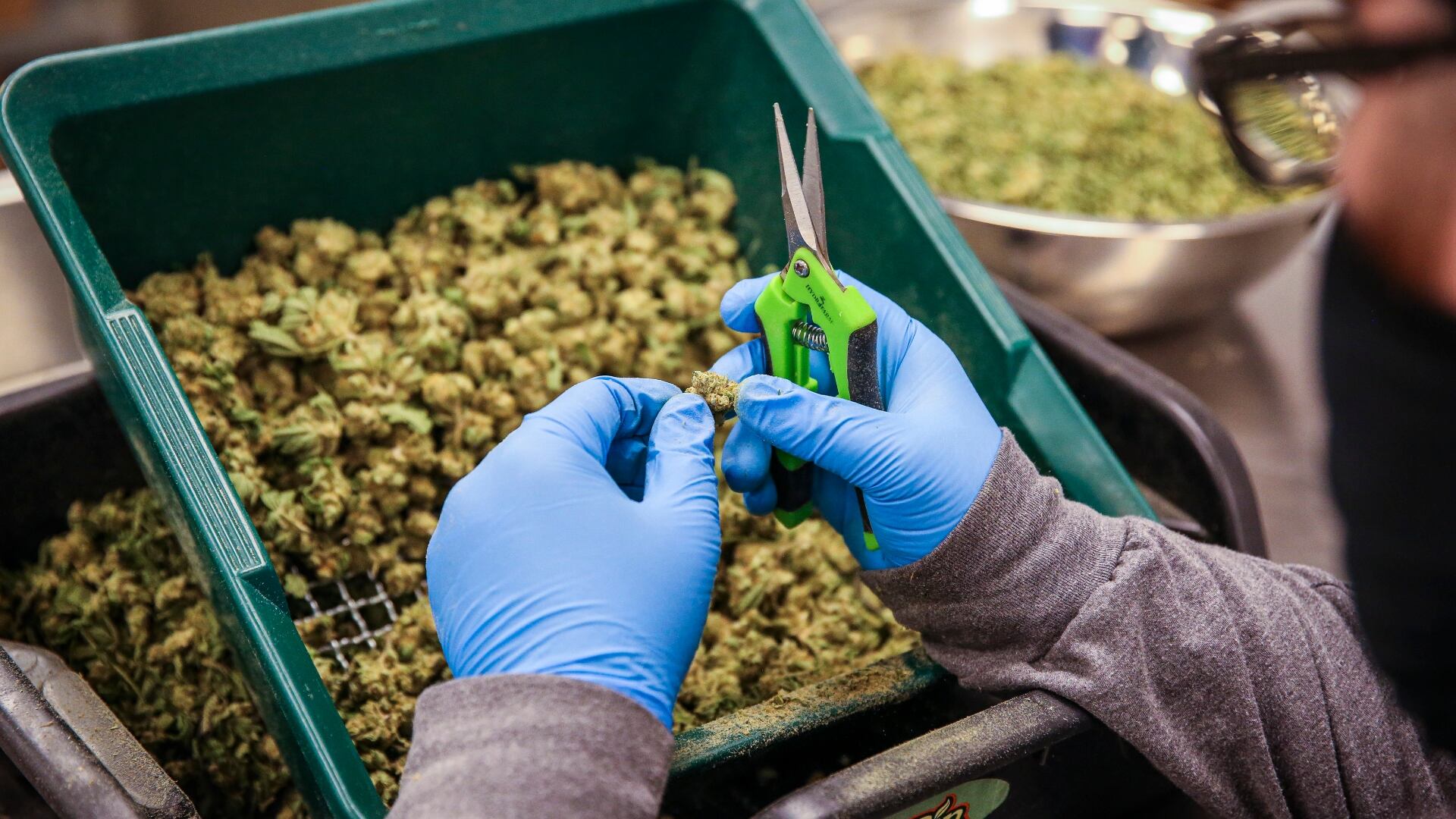
Baron Davis and Kate Hudson want you to bring cannabis home for the holidays. The cannabis-infused seltzer brand Cann released a new spot featuring the actress and former NBA player. The campaign comes hand in hand with Cann's launch of a new holiday bundle, which includes its product with Hudson's King Street Vodka. Davis and Hudson are also Cann investors. Cheddar cannabis reporter Chloe Aiello spoke to Davis about his involvement with the company and its new campaign.
Healthcare workforce management platform ShiftMed
recently announced a $45 million funding round.
The company's platform connects nurses and healthcare professionals to hospitals and other healthcare providers.
ShiftMed's new funding comes amid widespread labor shortages in the healthcare sector. The company's CEO Todd Walrath joins Cheddar News' Closing Bell to discuss.
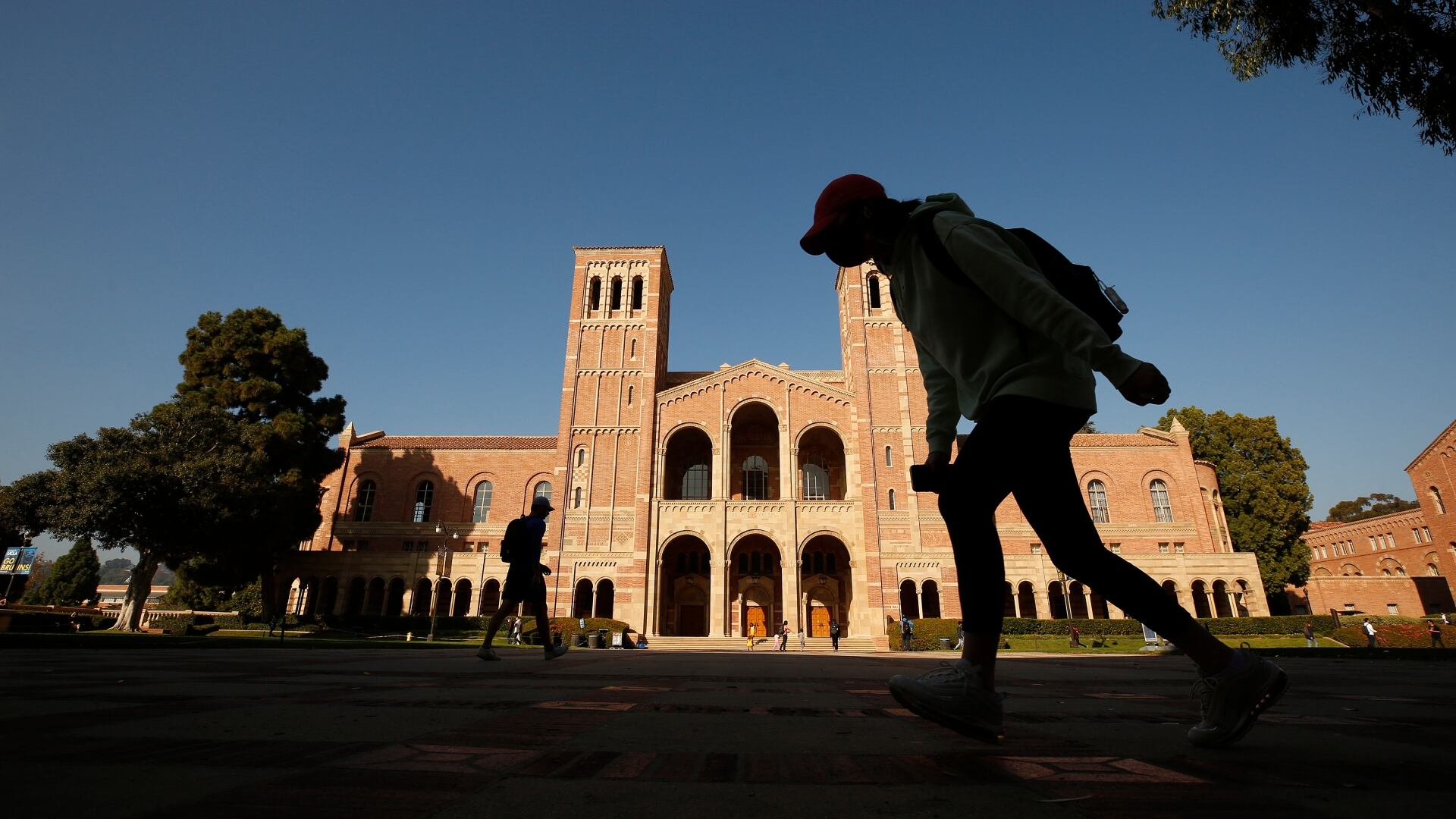
Universities like UCLA, Yale, and Duke have announced they're implementing remote learning amid the COVID omicron variant surge, despite President Biden recommending that K-12 schools should continue in-person education. Jared C. Bass, senior director for Higher Education at American Progress, joined Cheddar to break down what institutions of higher education might be considering differently. "I think some universities are allowing periods of a bit of a respite to allow students to get testing and make sure when they do return back to campus that they're healthy," he noted.