First, it was Black Friday. Then came Cyber Monday. Then Small Business Saturday became a thing. Holiday shopping events are a marketing team's holy grail, an opportunity to change consumer behavior writ large that doesn't come around very often.
Enter Giving Tuesday, the most recent of the holiday shopping holidays ー though this one is all about altruism. Started in 2012 by the New York nonprofit 92nd Street Y, in partnership with the UN Foundation, the movement has grown to become a de facto response to the consumerism that surrounds the holiday season, in which companies and non-profits urge people to donate money or time to charity ー at least for a day.
According to predictions from the data firm Whole Whale, #GivingTuesday, as it's known online, is expected to top $500 million for the first time, a 25 percent increase from the estimated $400 million that was donated online last year. Still, that haul represents less than 14 percent of the amount of money that will be spent online on Tuesday, according to Adobe Analytics data.
Save the Children, the 100-year-old charity that works to help disadvantaged kids in 120 countries, is among the nonprofits that looks to Giving Tuesday for a portion of its annual fundraising. CEO Carolyn Miles told Cheddar in an interview that millennials still have limited awareness of the day. Save the Children is trying to leverage its relationships with brands and celebrities to spread the word on its social media accounts (and to broadcast that it is matching all donations, 1:1, on Tuesday).
The charity has partnered with red-hot designers like Gabriela Hearst, who is donating 100 percent of the net proceeds from her handbag sales to Save the Children's efforts in Yemen. Those handbags are typically only available by invite, though Hearst is opening the collection to the public this week to spur donations. There are also partnerships with Dave Matthews Band, Jennifer Garner, and the shoe brand Toms.
Many people who give want their donations to help "closer to home," Miles said, noting that Save the Children also works in impoverished communities in the U.S. as well as "all the toughest places to be a child in the world."
The charity counts on the last few weeks of the year for nearly a third of its donations, she said, which is why the awareness around Giving Tuesday is particularly important. Save the Children has an operational budget of $2.2 billion ー equivalent to the entire budget of the newly created U.S. Space Force over the next five years. Last year, it brought in a half-million dollars, the latest in a number that has been "growing every year," though it is still a fraction of the overall budget. The rest comes from corporations, foundations, individual donors and grants from the UN, she said.
In what could be the biggest deal in video games history, Microsoft's purchase of Activision Blizzard underlines the company's aggressive push in gaming and beyond into its long-term vision of being top dog in the metaverse. Adam Hollander, former director of gamification at Microsoft and founder of Hungry Wolves NFT, joined Cheddar's Opening Bell to discuss. “Microsoft always plays chess, not checkers," he said, describing the price tag as an opportunity cost. "It's about integrating Activision Blizzard in with Azure and Windows and Xbox and Hololens and Minecraft and everything else that they're doing for the inevitable goal of being the major player in the next phase of the internet."
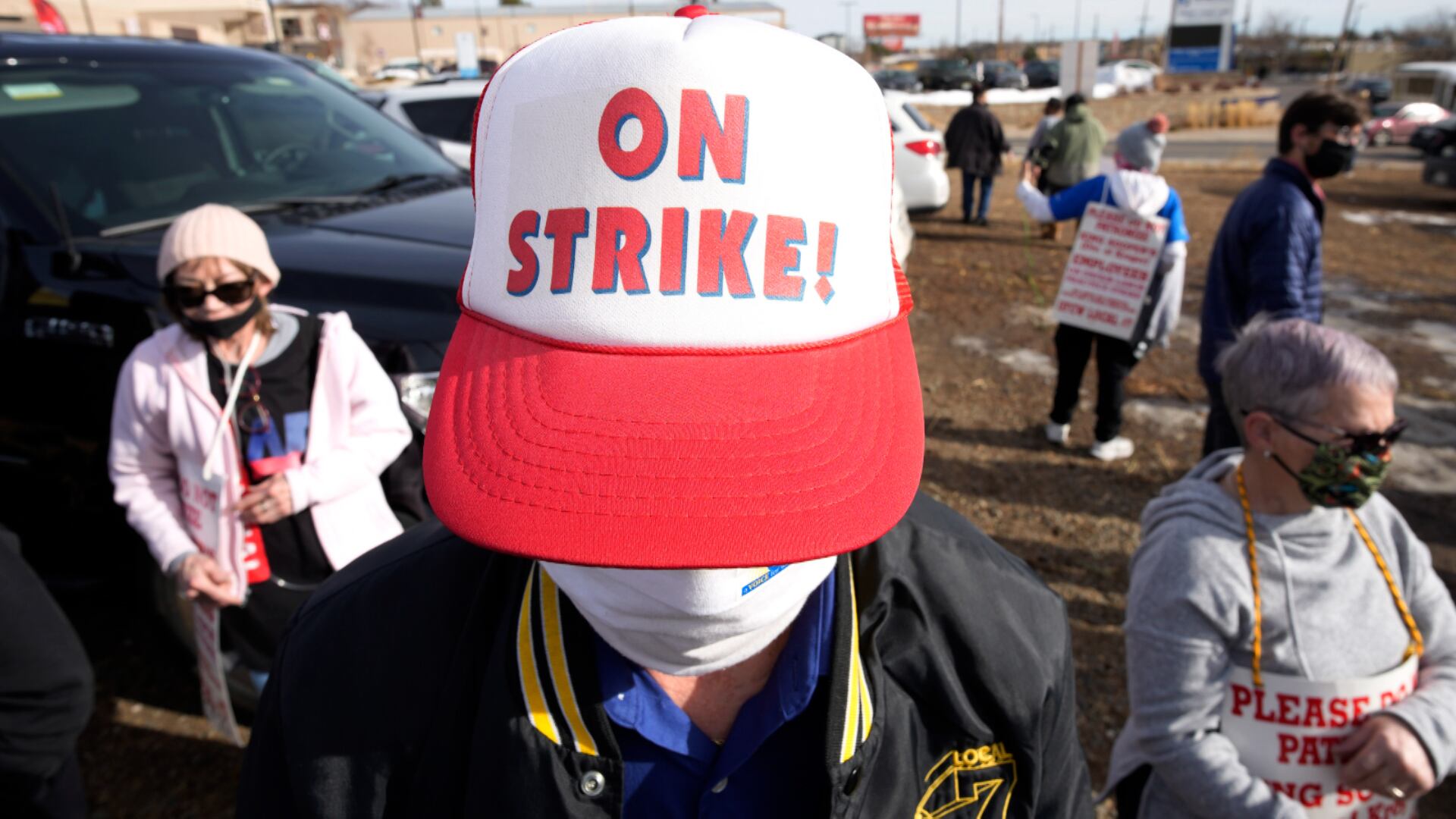
Jordan Zakarin, Media Producer at A More Perfect Union, joined Cheddar News to break down the latest from Colorado, where at least 8,700 Kroger employees walked off the job in demand of increased benefits and wages.
Food waste is a major contributor to greenhouse gas emissions in the United States. Strella Biotechnology is trying to solve the problem by introducing new technology to a business that's been around for generations -- farming. The 24-year-old CEO created hi-tech sensors that interpret the shelf life of produce and alert farmers when fruits and vegetables are ready to be sent to supermarkets. The company says the process can help farmers make money, reduce food waste and increase the quality of produce. Strella Biotechnology's co-founder and CEO Katherine Sizov and co-founder and COO Jay Jordan joined Cheddar Climate to discuss.
Norbu Tenzing, Vice President of the American Himalayan Foundation and the son of the first Sherpa to ever summit Everest, joins Cheddar Reveals to discuss how Sherpa's put themselves in danger for clients, and the dangers of Everest's 'Death Zone.'
Gordon Janow, Director of Programs at Alpine Ascents, joins Cheddar Reveals to discuss how to get mentally and physically prepared to climb Mount Everest.
Netflix may not be staying at the top of the streaming wars, according to some wary investors, as competition heats up and it raises prices yet again. Tuna Amobi, director and senior equity analyst at CFRA Research, spoke with Cheddar about what investors should be considering should they stick with the streaming pioneer or drop the investment. "I think it's always mostly about the subscriber growth for the Q4, which is going to be an indicator of how the company has been navigating the speed bumps that we saw early in the year," said Amobi.
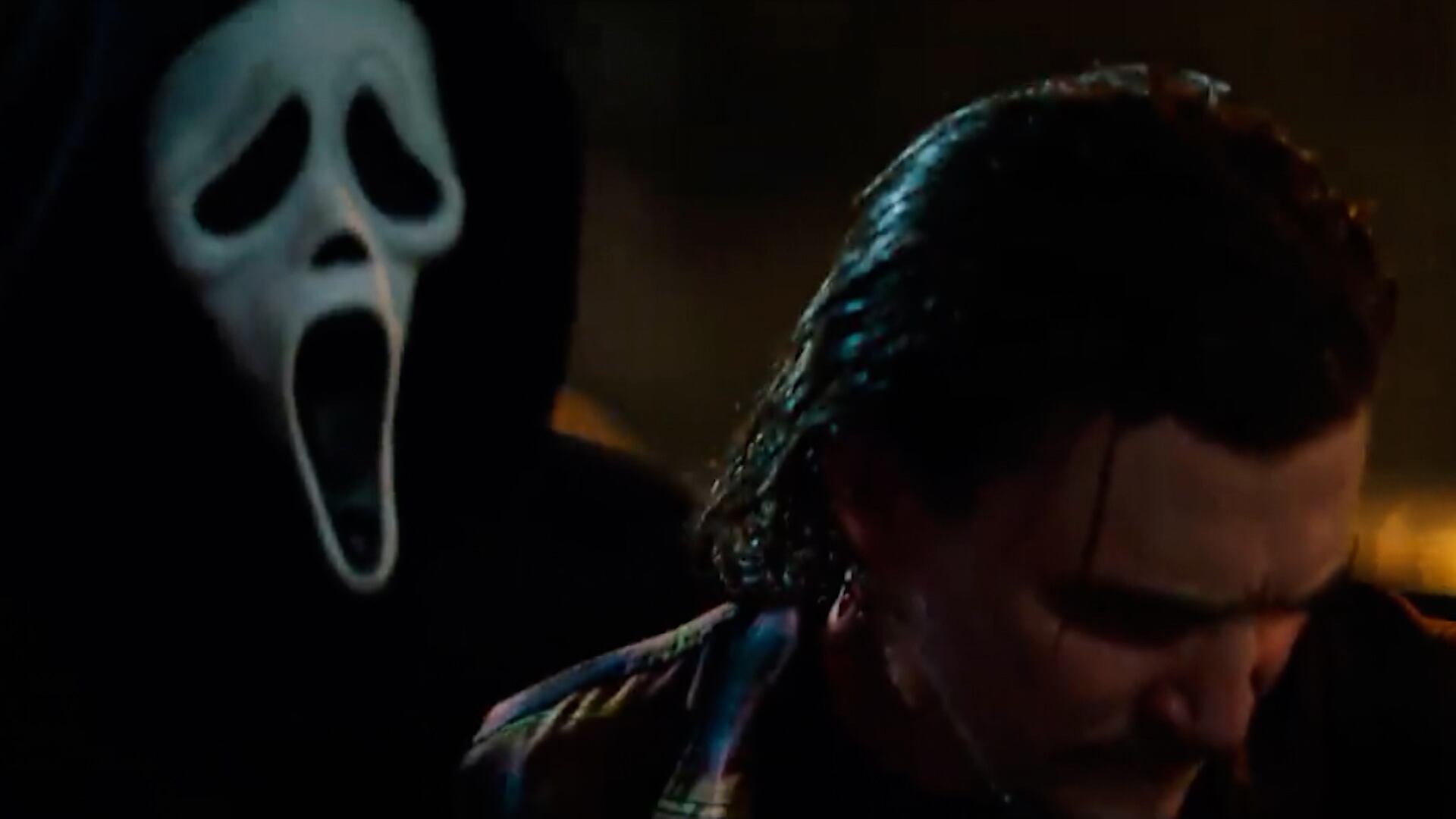
Daniel Loría, SVP content strategy and editorial director at Boxoffice Media, joins Cheddar News to discuss what helped 'Scream' score number one at the box office and what it means for the horror genre.
Dave Levinthal, deputy Washington Bureau chief at Insider, joins Cheddar News to discuss Gallup's new survey that reveals more Americans leaned Republican by the end of 2021.