First, it was Black Friday. Then came Cyber Monday. Then Small Business Saturday became a thing. Holiday shopping events are a marketing team's holy grail, an opportunity to change consumer behavior writ large that doesn't come around very often.
Enter Giving Tuesday, the most recent of the holiday shopping holidays ー though this one is all about altruism. Started in 2012 by the New York nonprofit 92nd Street Y, in partnership with the UN Foundation, the movement has grown to become a de facto response to the consumerism that surrounds the holiday season, in which companies and non-profits urge people to donate money or time to charity ー at least for a day.
According to predictions from the data firm Whole Whale, #GivingTuesday, as it's known online, is expected to top $500 million for the first time, a 25 percent increase from the estimated $400 million that was donated online last year. Still, that haul represents less than 14 percent of the amount of money that will be spent online on Tuesday, according to Adobe Analytics data.
Save the Children, the 100-year-old charity that works to help disadvantaged kids in 120 countries, is among the nonprofits that looks to Giving Tuesday for a portion of its annual fundraising. CEO Carolyn Miles told Cheddar in an interview that millennials still have limited awareness of the day. Save the Children is trying to leverage its relationships with brands and celebrities to spread the word on its social media accounts (and to broadcast that it is matching all donations, 1:1, on Tuesday).
The charity has partnered with red-hot designers like Gabriela Hearst, who is donating 100 percent of the net proceeds from her handbag sales to Save the Children's efforts in Yemen. Those handbags are typically only available by invite, though Hearst is opening the collection to the public this week to spur donations. There are also partnerships with Dave Matthews Band, Jennifer Garner, and the shoe brand Toms.
Many people who give want their donations to help "closer to home," Miles said, noting that Save the Children also works in impoverished communities in the U.S. as well as "all the toughest places to be a child in the world."
The charity counts on the last few weeks of the year for nearly a third of its donations, she said, which is why the awareness around Giving Tuesday is particularly important. Save the Children has an operational budget of $2.2 billion ー equivalent to the entire budget of the newly created U.S. Space Force over the next five years. Last year, it brought in a half-million dollars, the latest in a number that has been "growing every year," though it is still a fraction of the overall budget. The rest comes from corporations, foundations, individual donors and grants from the UN, she said.
Student loan debt continues to be a major concern for tens of millions of Americans who collectively owe about $1.7 trillion. Black college students often take on larger amounts of student debt in order to pay for a higher education. In turn, they are more likely to struggle post-graduation with repaying their debt, creating a racial wealth gap divide. Andre Perry, senior fellow at Brookings Institution joined All Hands to help break down the black student debt crisis.
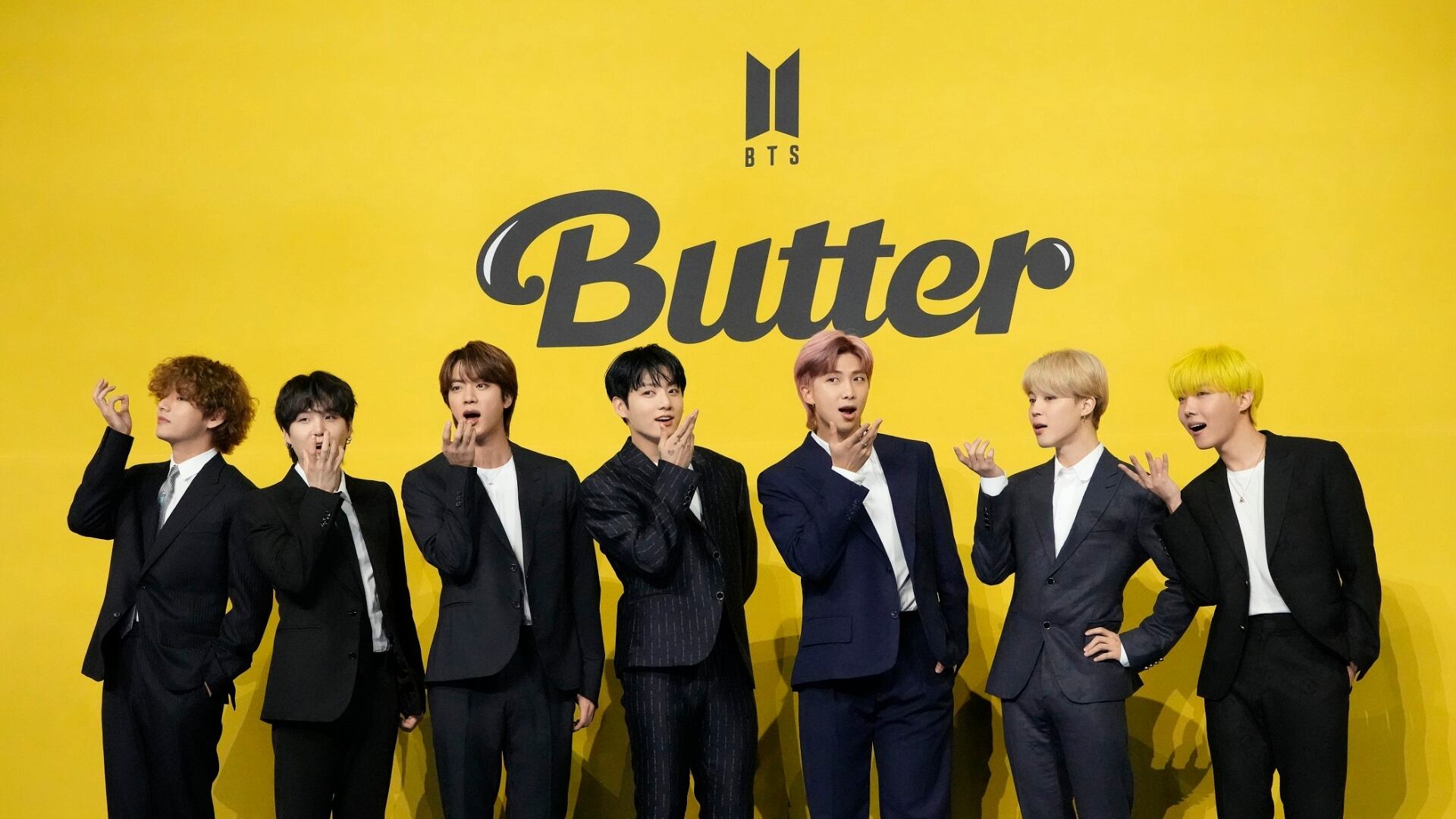
BTS’ hit single “Butter” tops the zeitgeist again, bumping back up to number one on Billboard’s Hot Trending Chart. The chart tracks what songs people are talking about rather than what they're listening to.
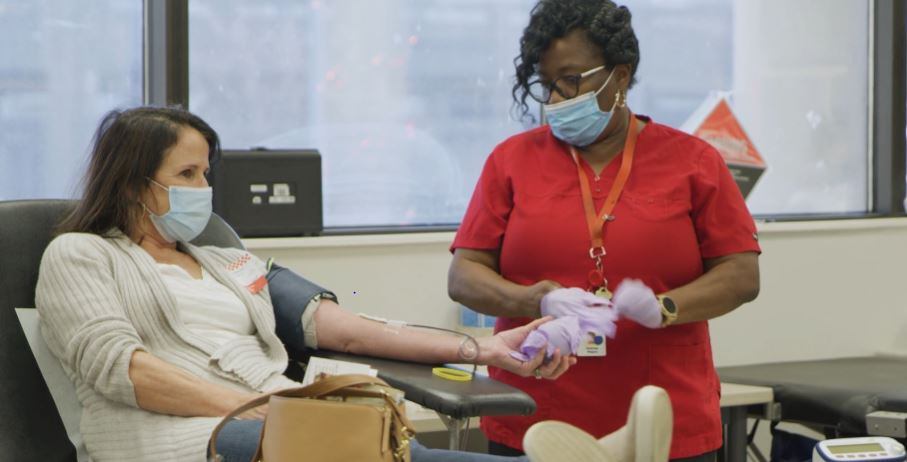
The American Red Cross has declared its first-ever "national blood crisis" in the United States. Since COVID hit the U.S. in March 2020, blood donations have declined by 10 percent. American Red Cross Medical Director, Dr. Baia Lasky joined Cheddar News to discuss the country facing the worst blood shortage in over a decade. Dr. Lasky noted that as much as 40 percent of Americans are eligible to donate blood but only about 4 percent do so. "This is going to be ongoing," she said. "This is not an acute shortage. We really do need the commitment of people to come out and donate and donate again." Appointments to donate can be made by using the Red Cross Donor App, at RedCrossBlood.org, or calling 1-800-RED CROSS (1-800-733-2767).
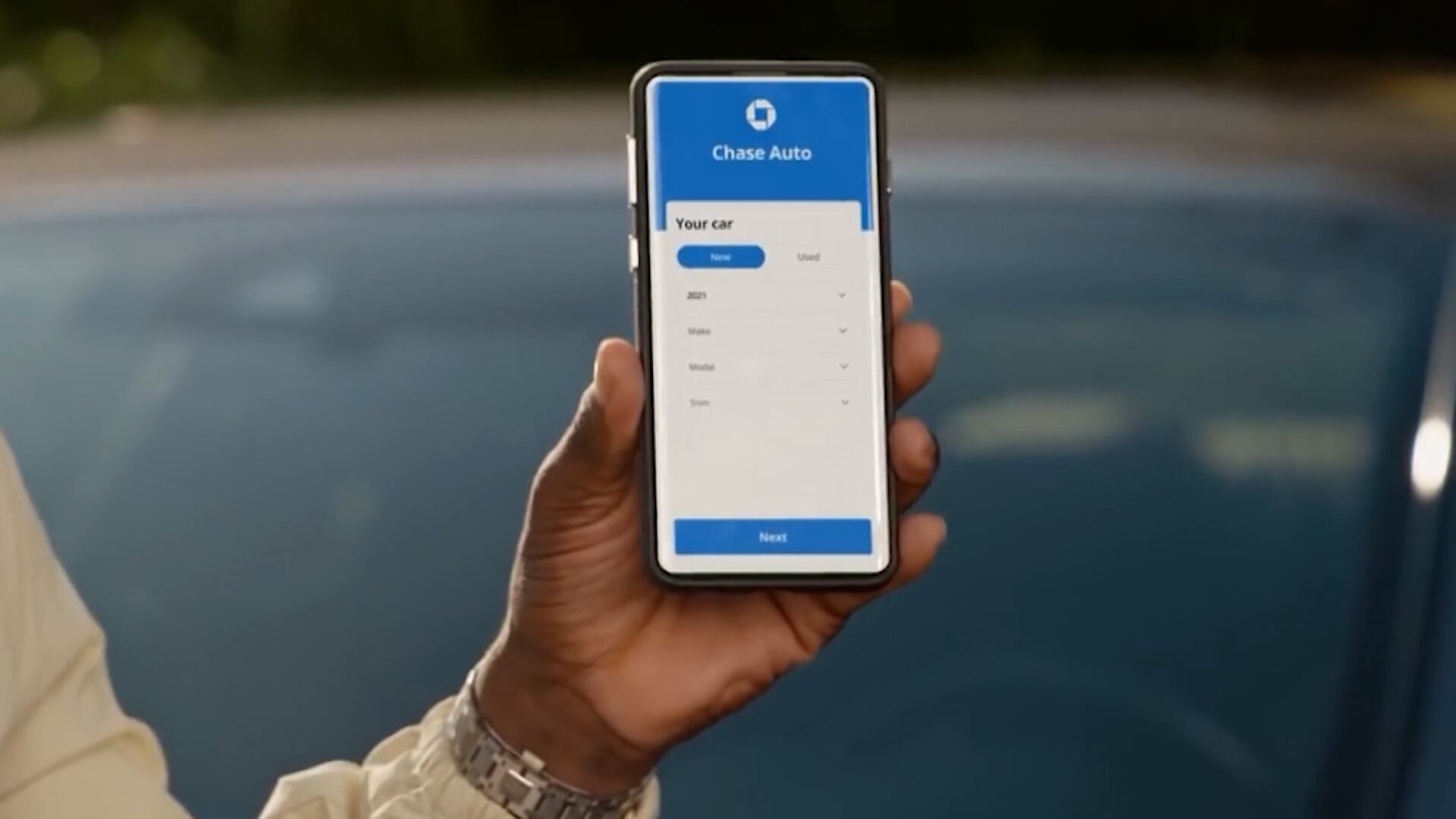
On this episode of ChedHER: Co-Founder of VC firm CaJE breaks down how she's creating a new era of venture capital and empowering Black women with 'soil' funding to start and grow their businesses; AYO Foods Co-Founder discusses how the brand is bringing West African cuisine to the frozen food industry and building a grocery aisle her daughters can be proud of; Chief Marketing & Customer Experience Officer at Chase Auto talks her experience being a woman of color in the auto industry, and why transportation is so important to financial freedom.
Renée Horne, chief marketing and customer experience officer at Chase Auto, joins ChedHER to discuss her experience being a woman of color in the auto industry and why transportation is so important to financial freedom.
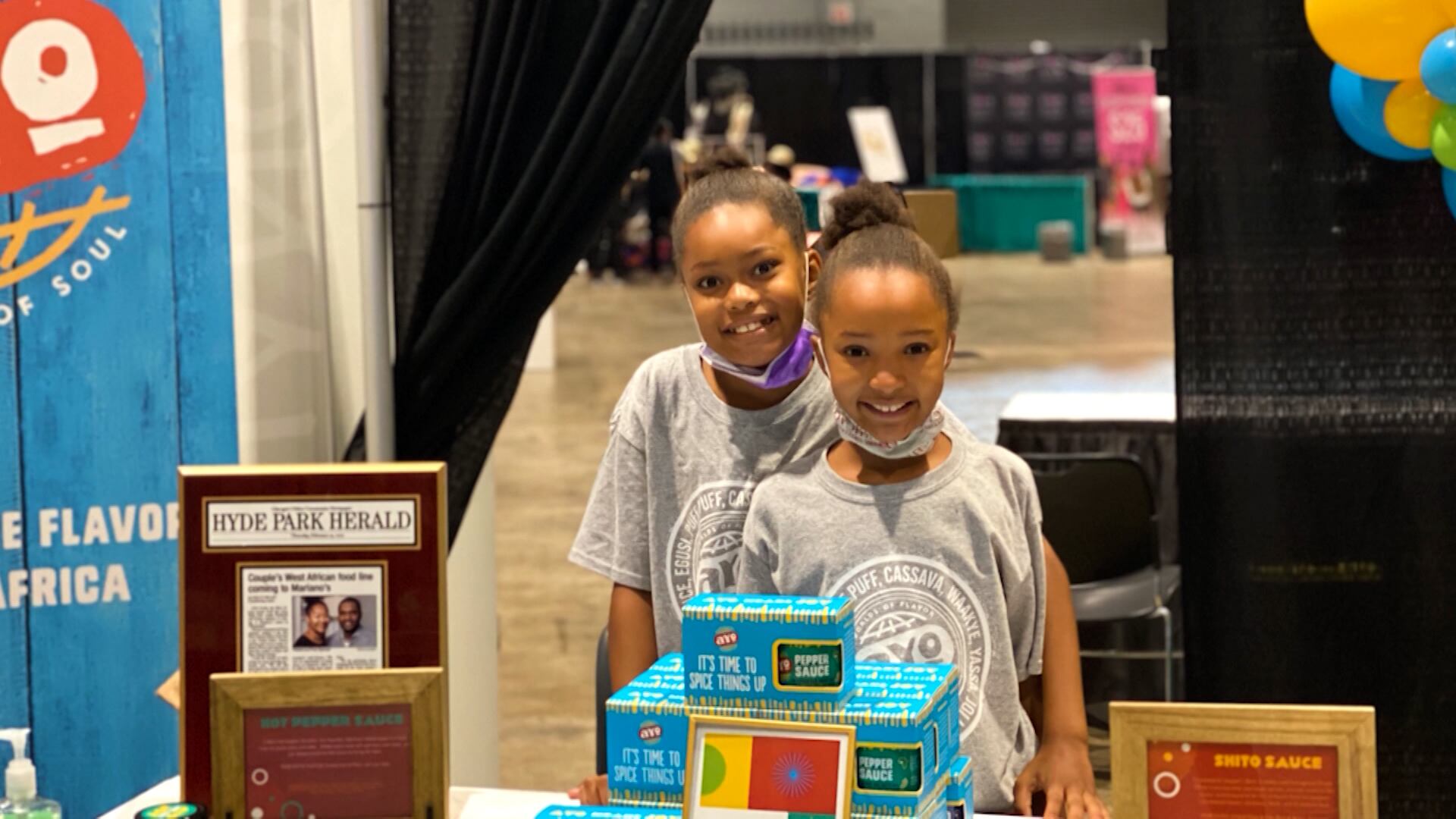
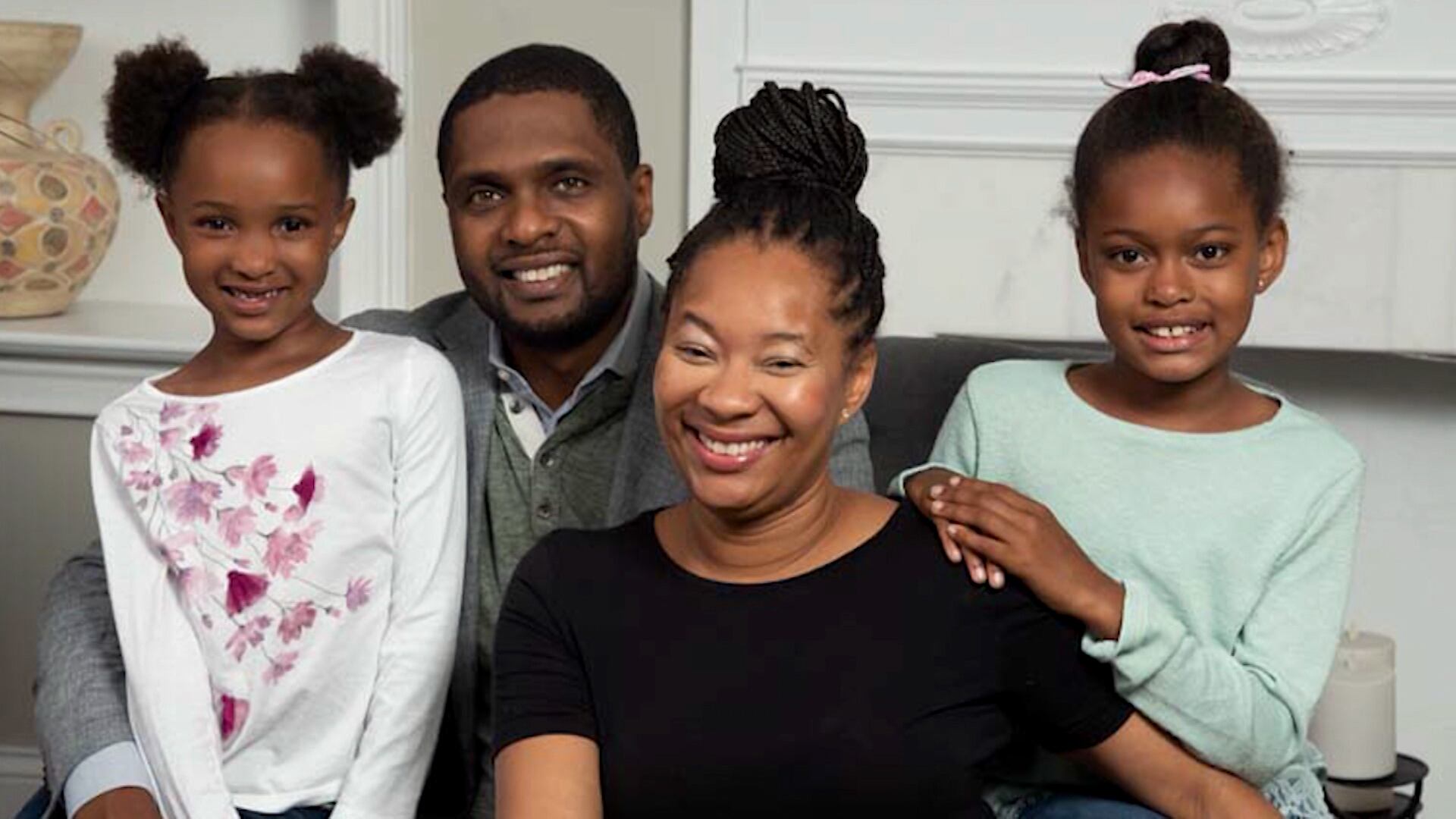
Perteet Spencer, Co-Founder of AYO Foods, joins ChedHER to discuss how the brand is bringing West African cuisine to the frozen food industry and building a grocery aisle her daughters can be proud of.
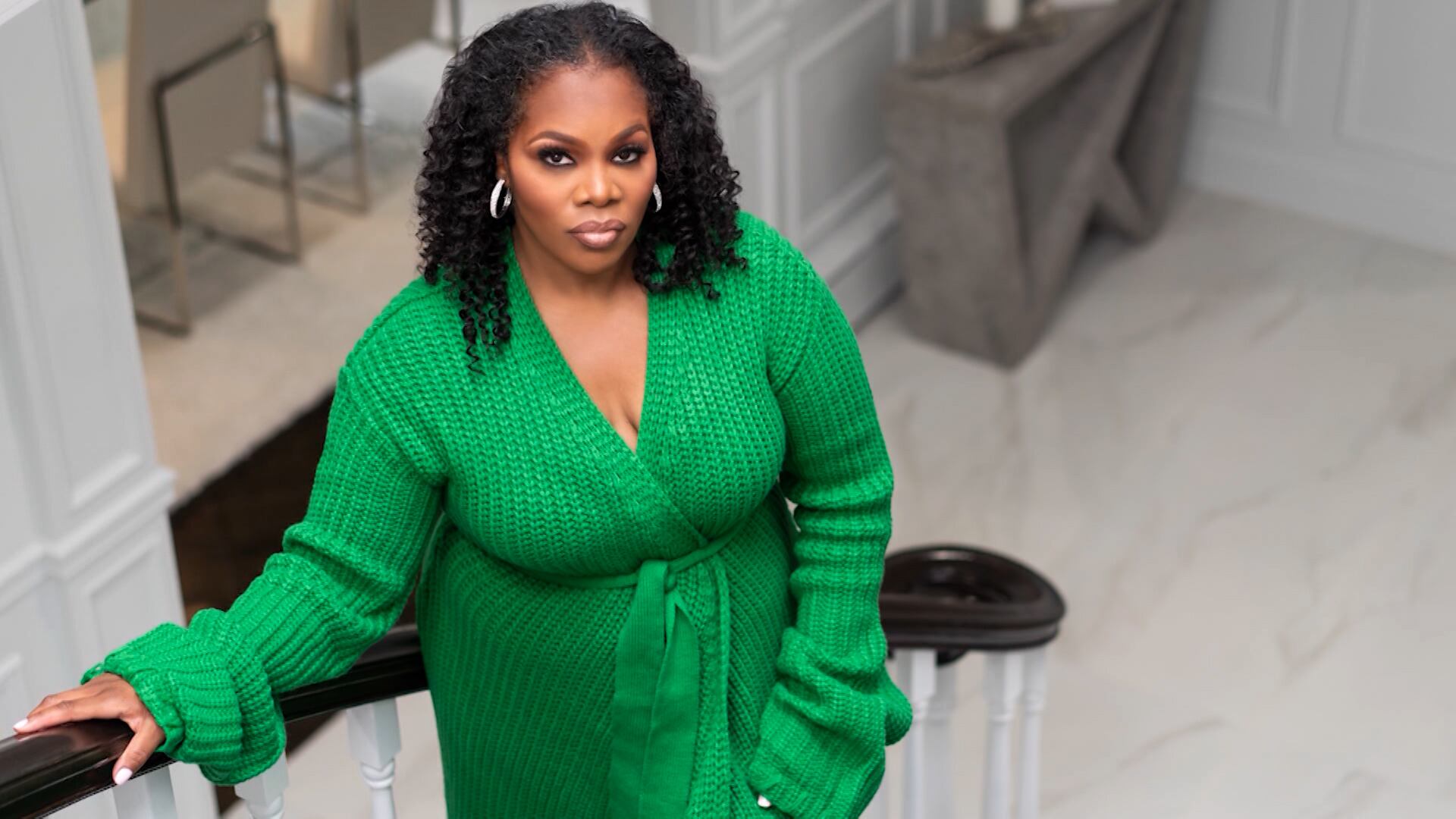
Crystal Etienne, Founder and CEO of period apparel company Ruby Love and Co-Founder of VC firm CaJE, joins ChedHER to discuss her experience bootstrapping her company to $10 million, and how she's creating a new era of venture capital and empowering Black women with 'soil' funding to start and grow their businesses.