First, it was Black Friday. Then came Cyber Monday. Then Small Business Saturday became a thing. Holiday shopping events are a marketing team's holy grail, an opportunity to change consumer behavior writ large that doesn't come around very often.
Enter Giving Tuesday, the most recent of the holiday shopping holidays ー though this one is all about altruism. Started in 2012 by the New York nonprofit 92nd Street Y, in partnership with the UN Foundation, the movement has grown to become a de facto response to the consumerism that surrounds the holiday season, in which companies and non-profits urge people to donate money or time to charity ー at least for a day.
According to predictions from the data firm Whole Whale, #GivingTuesday, as it's known online, is expected to top $500 million for the first time, a 25 percent increase from the estimated $400 million that was donated online last year. Still, that haul represents less than 14 percent of the amount of money that will be spent online on Tuesday, according to Adobe Analytics data.
Save the Children, the 100-year-old charity that works to help disadvantaged kids in 120 countries, is among the nonprofits that looks to Giving Tuesday for a portion of its annual fundraising. CEO Carolyn Miles told Cheddar in an interview that millennials still have limited awareness of the day. Save the Children is trying to leverage its relationships with brands and celebrities to spread the word on its social media accounts (and to broadcast that it is matching all donations, 1:1, on Tuesday).
The charity has partnered with red-hot designers like Gabriela Hearst, who is donating 100 percent of the net proceeds from her handbag sales to Save the Children's efforts in Yemen. Those handbags are typically only available by invite, though Hearst is opening the collection to the public this week to spur donations. There are also partnerships with Dave Matthews Band, Jennifer Garner, and the shoe brand Toms.
Many people who give want their donations to help "closer to home," Miles said, noting that Save the Children also works in impoverished communities in the U.S. as well as "all the toughest places to be a child in the world."
The charity counts on the last few weeks of the year for nearly a third of its donations, she said, which is why the awareness around Giving Tuesday is particularly important. Save the Children has an operational budget of $2.2 billion ー equivalent to the entire budget of the newly created U.S. Space Force over the next five years. Last year, it brought in a half-million dollars, the latest in a number that has been "growing every year," though it is still a fraction of the overall budget. The rest comes from corporations, foundations, individual donors and grants from the UN, she said.
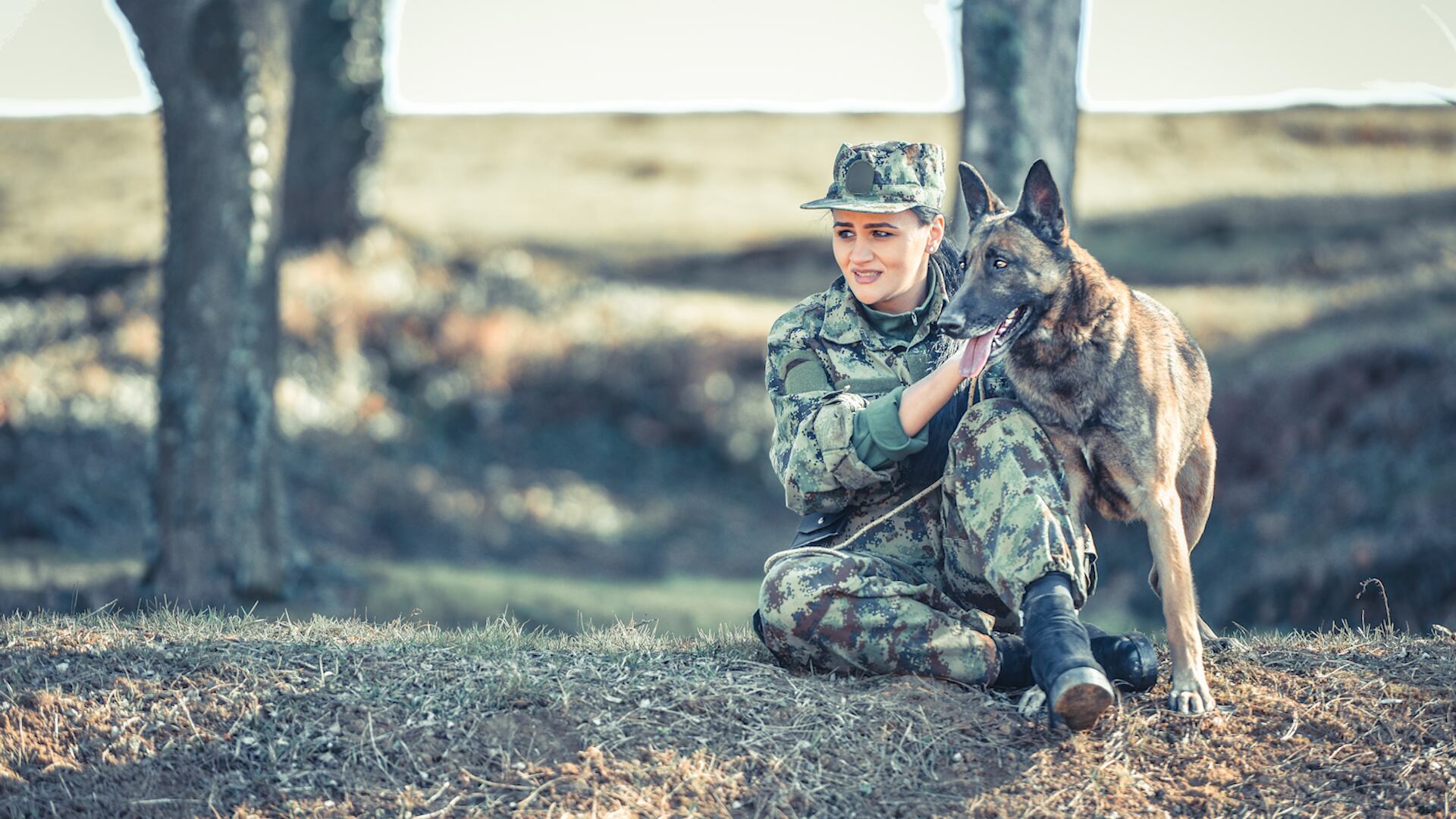
Sheila Goffe, VP of Government Relations of the American Kennel Club, joins Cheddar Reveals to discuss the efficacy of police, military, and other working dogs, and how they're trained.
On this episode of Cheddar Reveals, Sheila Goffe, VP of Government Relations of the American Kennel Club, discusses the efficacy of police, military, and other working dogs, and how they're trained. Paul Mundell, Executive Director of the American Service Dog Access Coalition, breaks down why emotional support, therapy, and service dogs are important; Cheddar gets a look at Curiosity Stream's 'Secrets of a Dog's Nose.'
On this episode of ChedHER; Amanda Carlson Phillips, Senior Vice President of Exos' performance team, breaks down how wellness programs can fight burnout; Deena LaMarque Piquion, Chief Marketing Officer at Xerox, explains why and how women should stop saying 'sorry' so often;
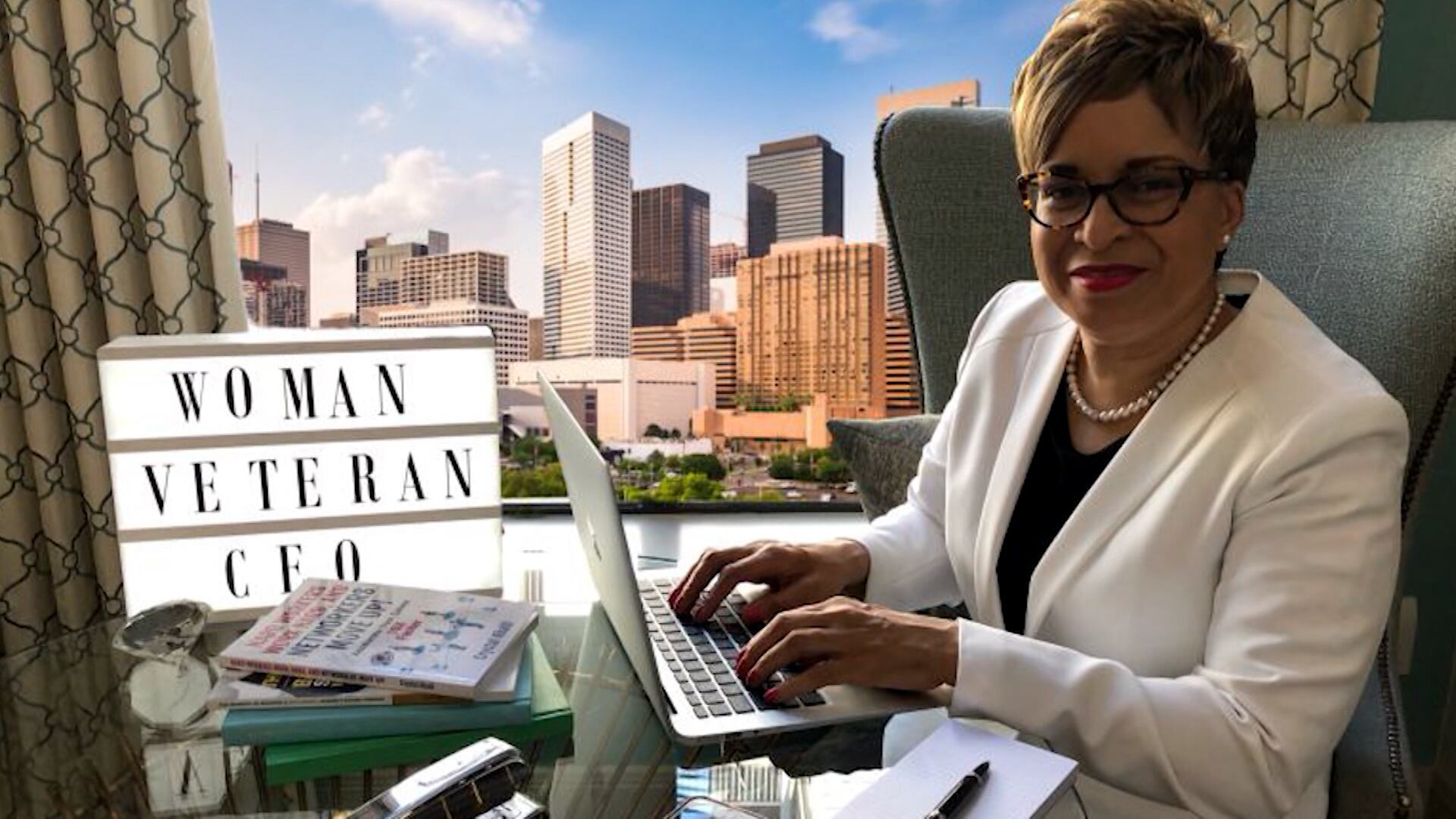
Marylyn Harris, President of Harrland Healthcare Consulting, talks about how her experience in the military prepared her for a cybersecurity career, and how she's paving the way for women of color in the industry.
On this episode of Cheddar Innovates: Atom Limbs CEO breaks down how the Atom Touch prosthetic is different from other prosthetics on the market; CEO & Chief Scientific Officer of MyMD explains how the MYMD-1 is on track to be the first FDA-approved drug to treat aging and age-related diseases; A look at Curiosity Stream's 'The Future of Warfare.'
On this episode of Cheddar Reveals Clay Routledge, Professor of Business and author of "Nostalgia: A Psychological Resource", discusses the psychology of nostalgia: why we have it, and why it may be good for our mental health; Patrick Metzger, Writer and Technologist, breaks down how nostalgia has influenced pop culture, why it remains in a trend loop for every generation, and why that trend is likely never going to end; Cheddar gets a look at Curiosity Stream's 'The Year That Rocked the World.'
On this episode of ChedHER: CEO of The Lactation Network breaks down how they are expanding access to lactation support for families nationwide; CEO of Vanta explains the importance of a security team for startups; Midwest Divison Area Manager at JPMorgan Chase discusses the perks of having a business mentor.
On this episode of ChedHER we hear from the CEO of Incredible Health on how she's breaking the bias this women's history month, a bestselling author gives us tips on how to create new post-pandemic habits, and we learn just how critical a business consultant can be.
On this episode of 'Cheddar Innovates': Creator of Animal Flow discusses the benefits to this unique type of workout that's rising in popularity; CEO of Vinylly breaks down how the app takes your streaming music data and some personal questions to find your next love match; A look at Curiosity Stream's 'Secrets of the Universe.'
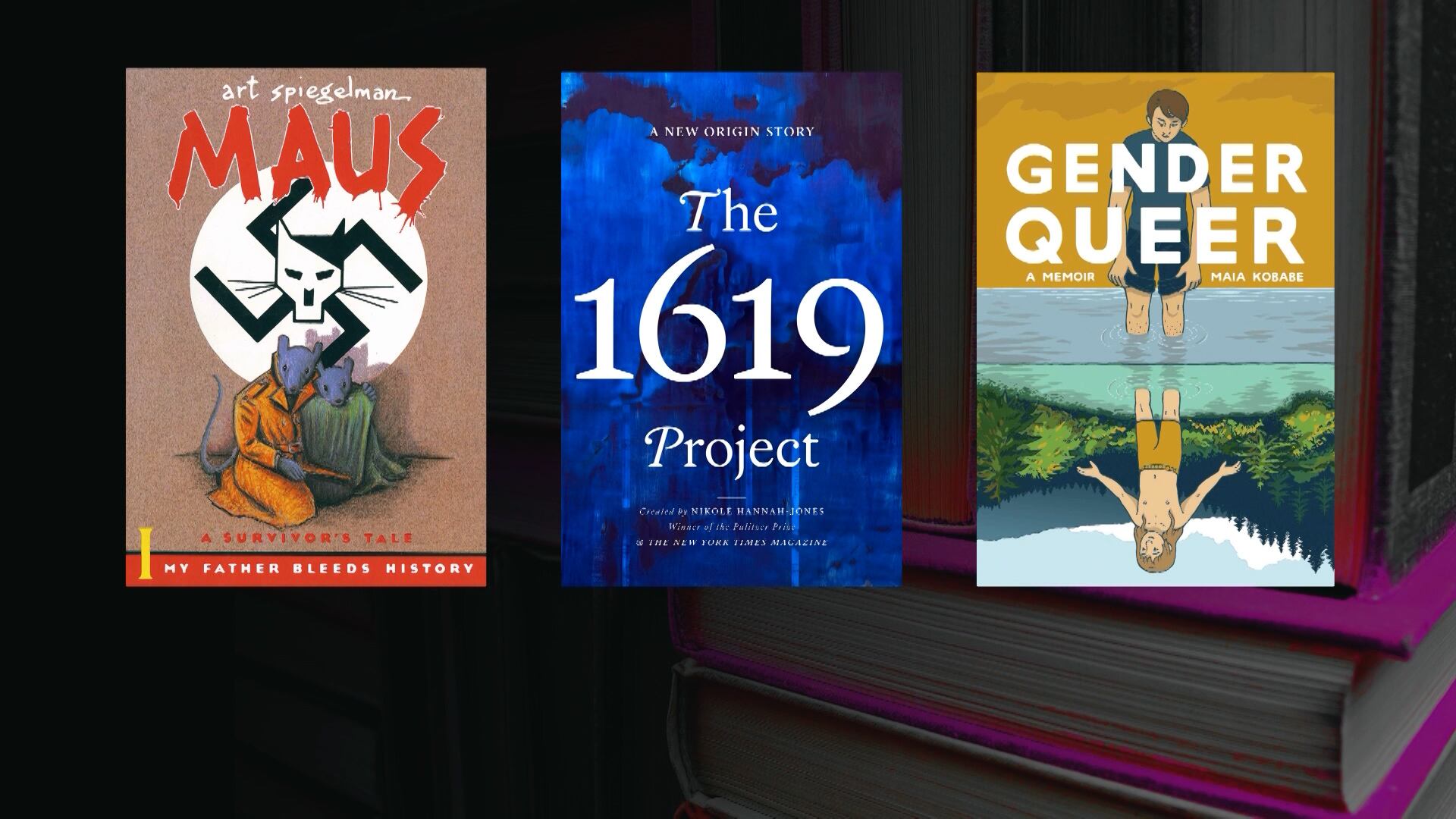
Activism is growing around the country in response to school boards banning books from shelves that focus on sexuality, gender, identity, or race. Jen Cousins, co-founder of The Florida Freedom to Read Project, joins Cheddar News to discuss.