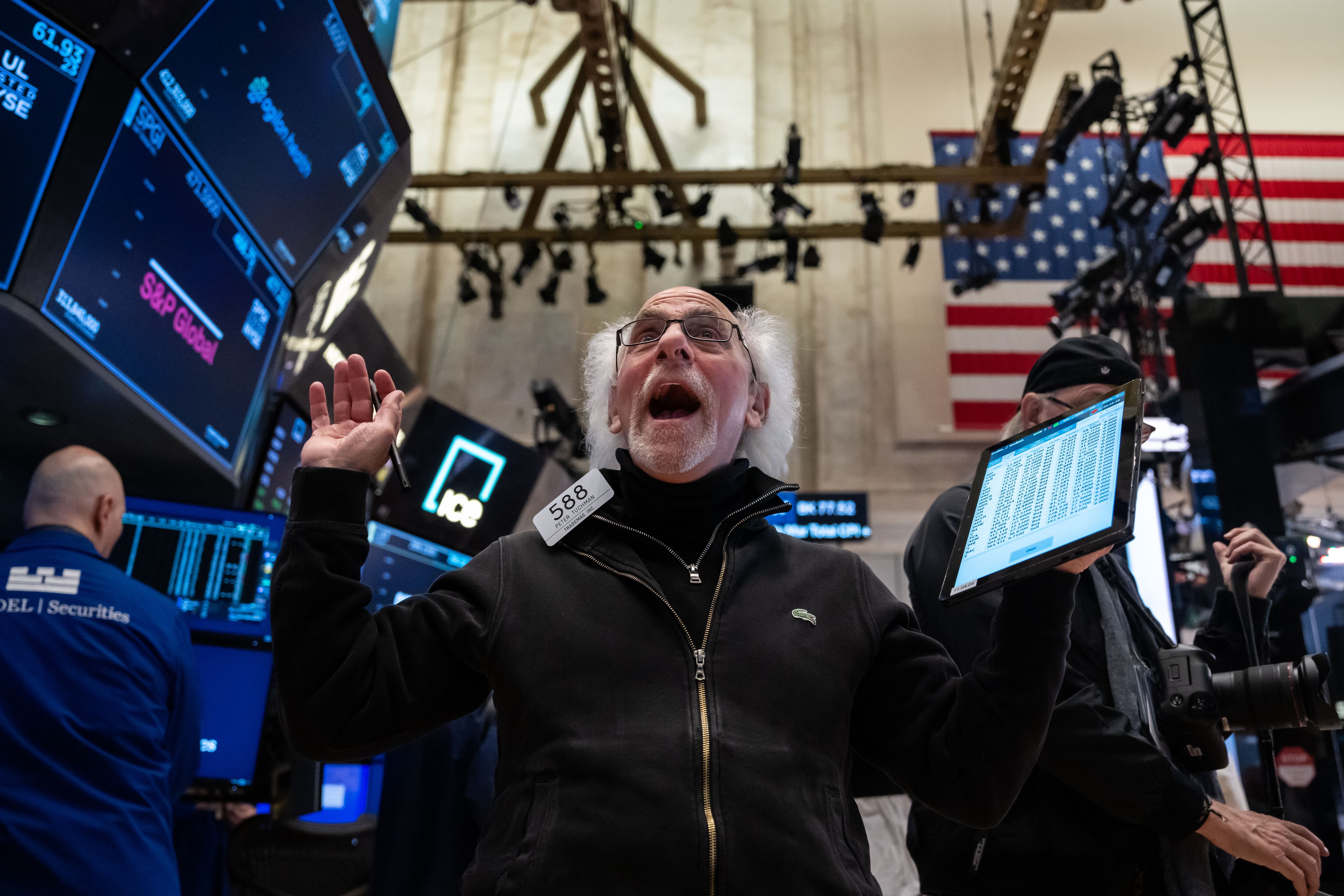
*By Carlo Versano* Investors of a certain age look at the movement in cannabis stocks ー led by Tilray's 1,000 percent gain since its July IPO ー and can't help but draw parallels to the dot-com bubble of the late 1990s and early aughts. The difference, at least according to one cannabis financier, is that unlike the frothy valuations of those early internet companies (Pets.com, anyone?), marijuana is "actually a market that exists." During an interview on Cheddar Thursday, president of Tidal Royalty Terry Taouss ー whose firm finances legal weed ventures ー refuted the notion that cannabis is in a bubble. "This is a market that is a generational opportunity," he said, pointing to global trends toward legalization for both recreational and medicinal uses. The industry is still nascent and in flux, as governments get their regulatory houses in order and companies build their growing and distribution infrastructure. Taouss envisions a day when cannabis is as big as alcohol. "This is going to be a massive industry," he said. As for Tilray, which has become the de facto poster child for the weed-as-bubble theory, the stock's wild movements ー as illustrated on Wednesday when it had to be halted five times in an hour for volatility, rising more than 90 percent and giving back all those gains before closing up nearly 40 percent ー have more to do with the fact that there are relatively few shares of the company available. A thinly-traded stock riding a wave of positive press is apt to trade at dizzying price-to-earnings ratios, Taouss said. Tilray reported less than $10 million in revenue last quarter, though its market cap is sitting around $20 billion. To put that in context, Best Buy has roughly the same valuation and did $9 billion in revenue in the second quarter. Even still, this is a "race to see who gets out of the gate," Taouss said. When all the operational, regulatory, and compliance issues shake out, some of these cannabis producers are positioned to get exposure to recreational use, food and beverage partners, and pharmaceutical plays all in one. Bearing that in mind, "I don't think the valuations are necessarily out of line," Taouss said. For full interview [click here](https://cheddar.com/videos/tilray-blazes-a-trail).