Sacramento Mayor Darrell Steinberg hit back against the Justice Department’s lawsuit against California’s immigration policies, saying the denunciation of sanctuary cities has no legs to stand on.
“It’s factually untrue,” the Democrat told Cheddar in an interview Monday. “We, in fact, are cooperating with...federal law enforcement officials when it comes to apprehending people with serious charges against them or with serious criminal records.”
Last week, Attorney General Jeff Sessions accused California of obstructing enforcement of federal immigration laws, calling the state’s policies “extremist.” The legal action specifically targets three laws passed last year that limit local cooperation with federal agents and make it illegal for federal agents to raid private workspaces.
Over the past year, Immigration and Customs Enforcement has ramped up deportations and raids.
California isn’t deterred, though.
“We won’t cooperate when it comes to handing over information about people who do not have serious criminal backgrounds and serious criminal records,” said Mayor Steinberg.
“We are standing for the best American values.”
For the full interview, [click here](https://cheddar.com/videos/sacramento-mayor-darrell-steinberg-weighs-in-on-the-dojs-lawsuit-against-california).
The IRS is showcasing its new capability to aggressively audit high-income tax dodgers as it makes the case for sustained funding and tries to avert budget cuts sought by Republicans who want to gut the agency.
A First Amendment group sued Texas Governor Greg Abbott and others on Thursday over the state’s TikTok ban on official devices, arguing the prohibition – which extends to public universities – is unconstitutional and impedes academic freedom.
No fingerprints or DNA turned up on the baggie of cocaine found in a lobby at the White House last week despite a sophisticated FBI crime lab analysis, and surveillance footage of the area didn’t identify a suspect, according to a summary of the Secret Service investigation obtained by The Associated Press. There are no leads on who brought the drugs into the building.
Kamala Harris, who made history as the first woman or person of color to serve as vice president, has made history again by matching the record for most tiebreaking votes in the Senate.
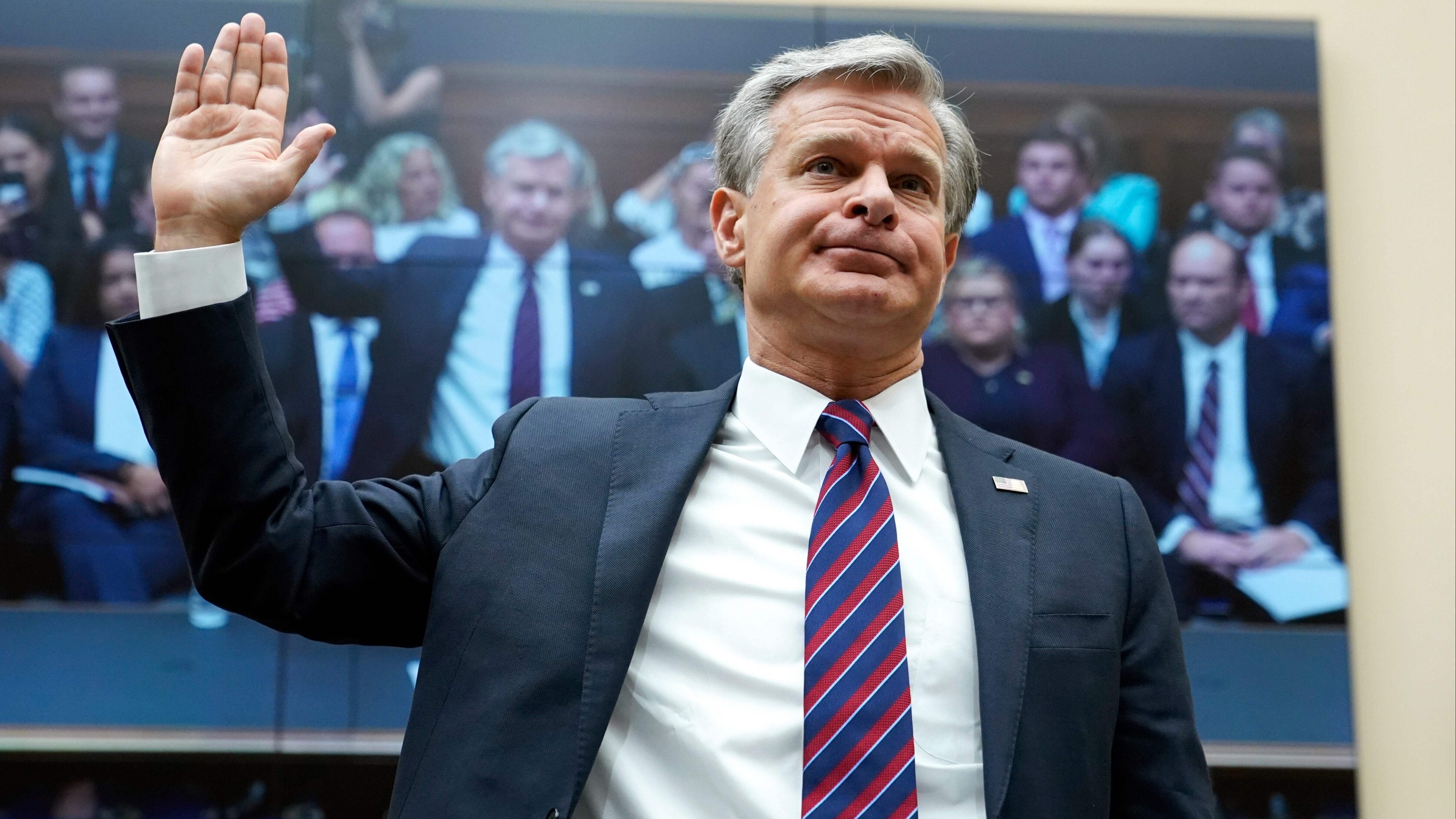
Republicans on the House Judiciary Committee accused the agency of targeting conservatives, suppressing evidence that Covid-19 came from a lab leak and abusing its surveillance powers.
The Biden administration calls it a “student loan safety net.” Opponents call it a backdoor attempt to make college free. And it could be the next battleground in the legal fight over student loan relief.
Nearly 30,000 people in Mississippi were dropped from the state's Medicaid program after an eligibility review that the government ended during the pandemic.