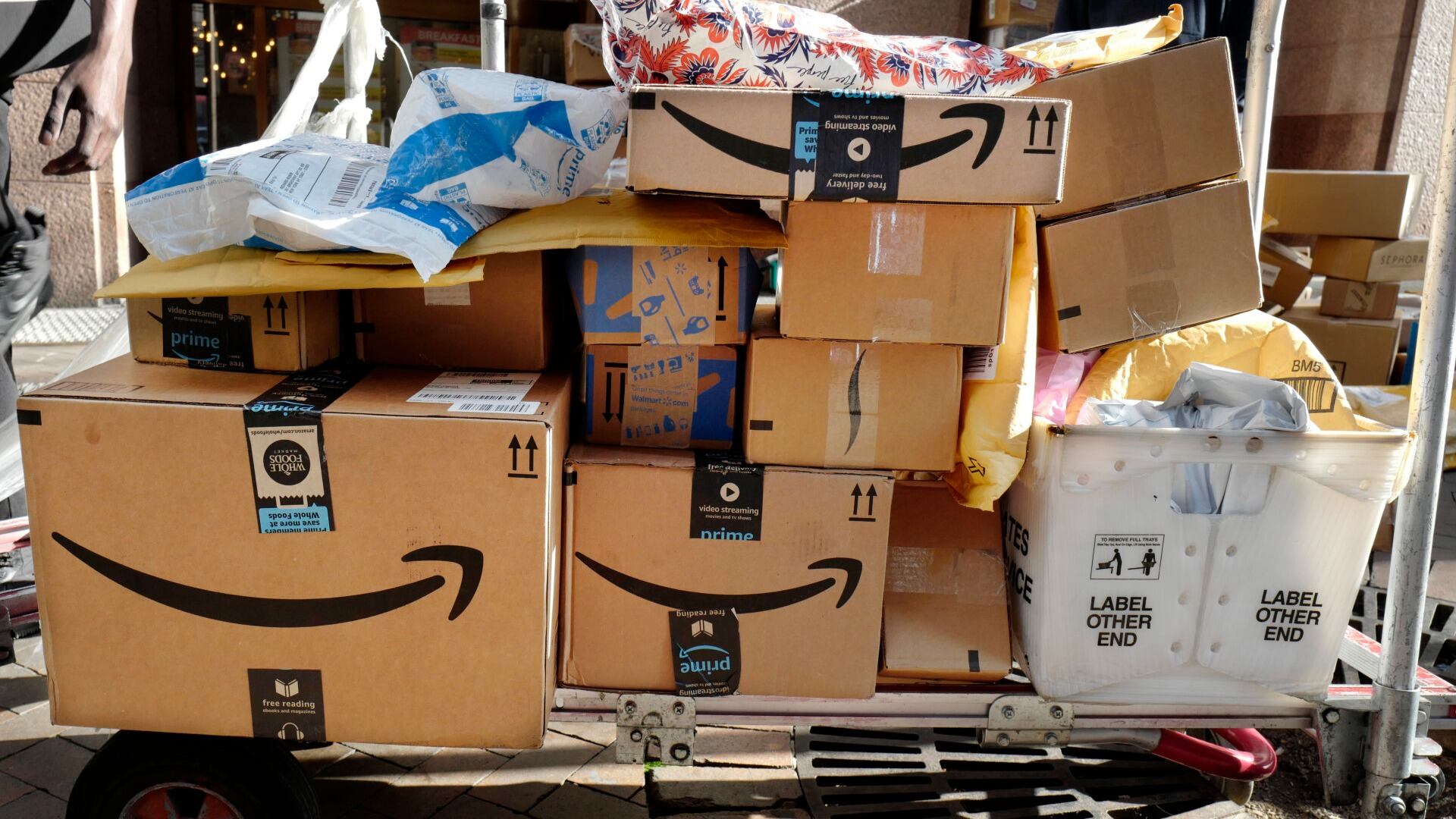
Amazon is reportedly poised to jump into yet another industry: banking. And that could be a win-win for everyone involved, according to Emily Glazer, the Wall Street Journal reporter who broke the [story](https://www.wsj.com/articles/are-you-ready-for-an-amazon-branded-checking-account-1520251200?reflink=e2twmkts). “This idea of Amazon coming into the financial services as more of a partner than a disruptor is huge for the banks,” Glazer told Cheddar on Monday. “Banks would have an...advantage of tapping into Amazon’s data [and] their technology.” In return, Amazon could enter the financial space without “having to deal with the stringent regulations and capital restrictions...that come with becoming a bank.” The tech giant is reportedly in talks with JPMorgan Chase to build a checking account-type product for its customers. Though still in its early stages, the idea is to serve a younger generation, particularly those who don't now have bank accounts. Amazon has branched out far beyond its core online retail service and entrenched itself as an essential part of many consumers’ daily lives. But its access to such vast amounts of data is unlikely to scare off many customers, said Glazer. “Millennials don’t care as much about privacy and security as other generations,” she said. “That’s why they’re using Venmo and not worried about Venmo selling their data.” For the full interview, [click here](https://cheddar.com/videos/why-amazon-might-be-looking-to-team-up-with-big-banks).