Why Americans Are So Obsessed With the Trump Administration's Fashion
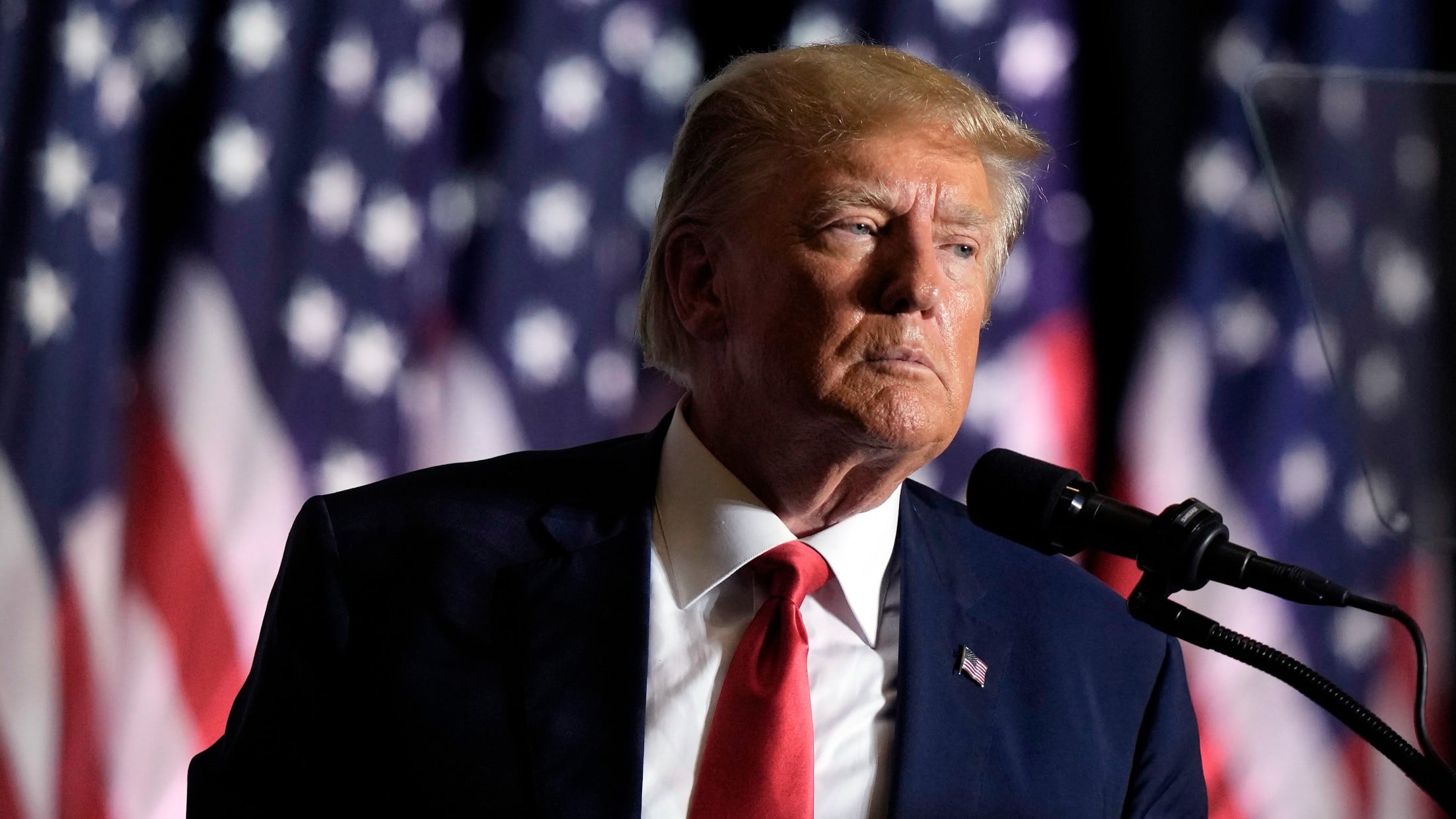
President Trump's first year in office has seen style choices turn into political controversies. Racked's Eliza Brooke joins Cheddar to explain why Americans are so fixated on The White House fashion choices. She explains why the fixation touches on issues of class and wealth disparity.
The senior reporter revisits some of the most buzz-worthy White House fashion moments of the year. From President Trump's taped-on necktie to Melania Trump's stilettos, there was no shortage of sartorial political headlines. Brooke reveals why the president's style is a flashpoint for both his critics and biggest supporters.
A Wall Street Journal report found that Ivanka Trump has worn her own brand in 68% of her official appearances this year. Brooke considers whether the First Daughter is acting as a walking billboard for her personal fashion line. We also look back at the fashionable moments from other White House figures like Sean Spicer and Kellyanne Conway.
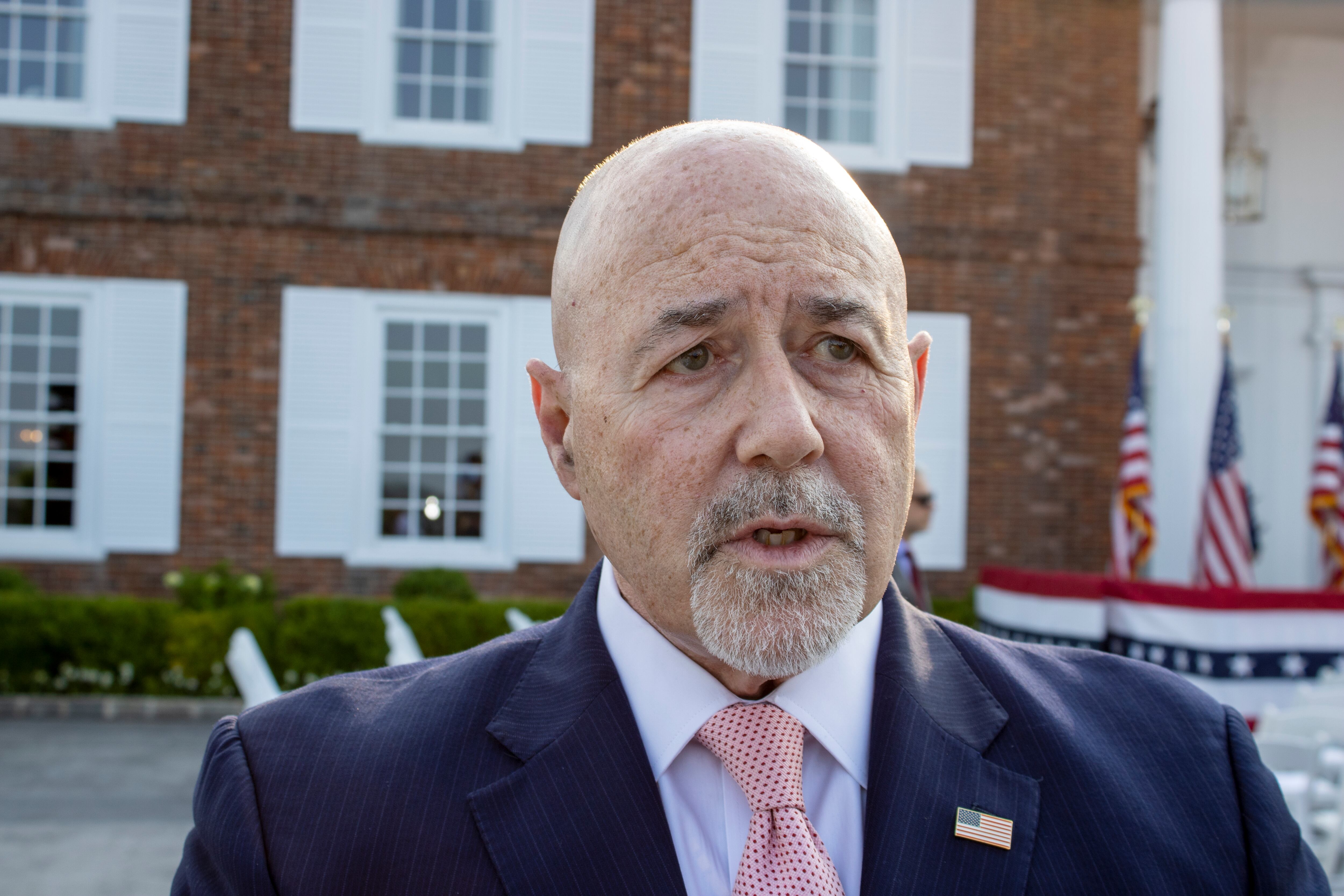
The lawyer for former NYPD commissioner Bernard Kerik turned over thousands of pages and documents to a special counsel as part of an investigation into Kerik's alleged involvement to overturn the results of the 2020 election.
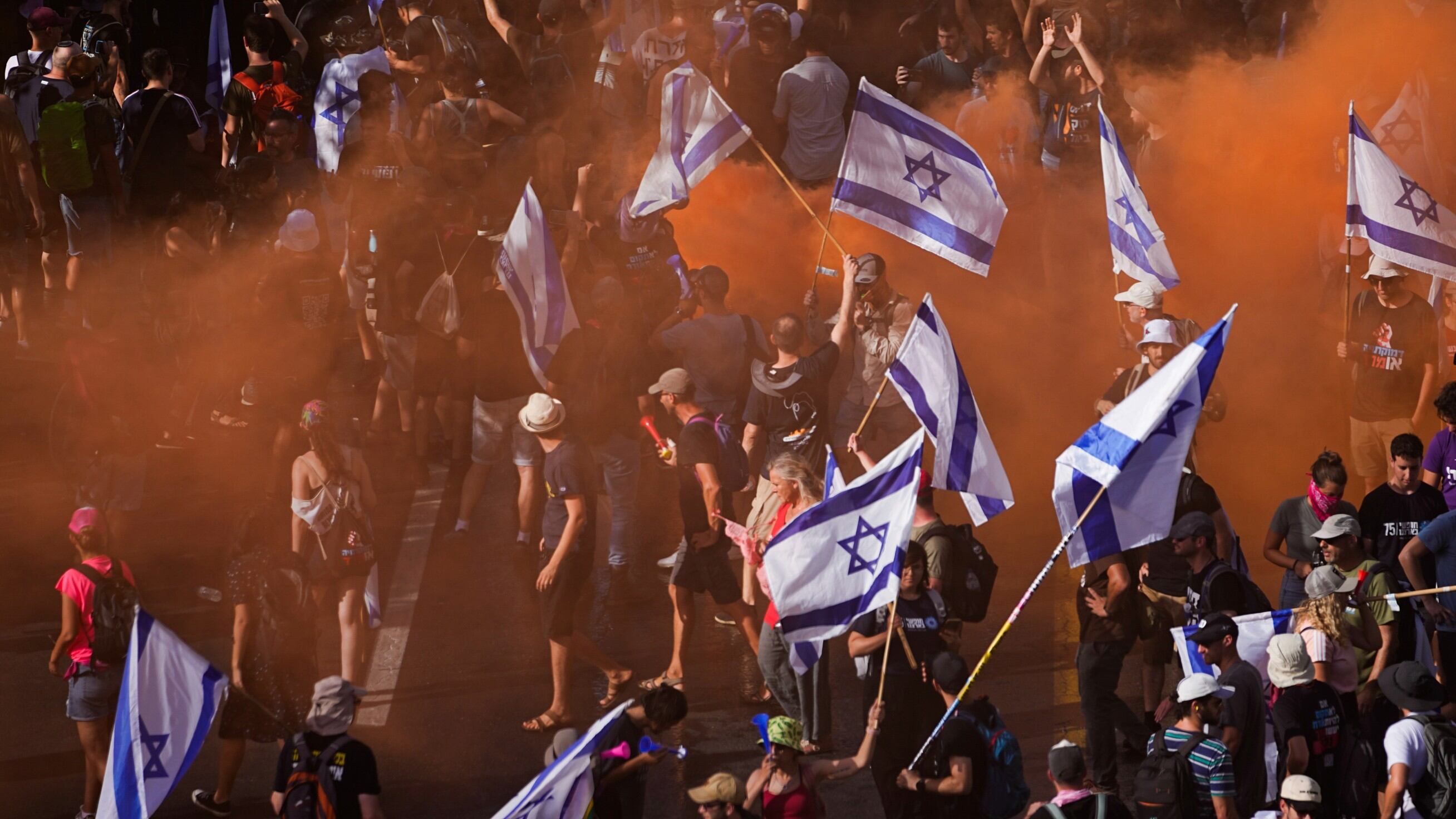
Israel’s parliament on Monday approved the first major law in Prime Minister Benjamin Netanyahu’s contentious plan to overhaul the country’s justice system, triggering a new burst of mass protests and drawing accusations that he was pushing the country toward authoritarian rule.
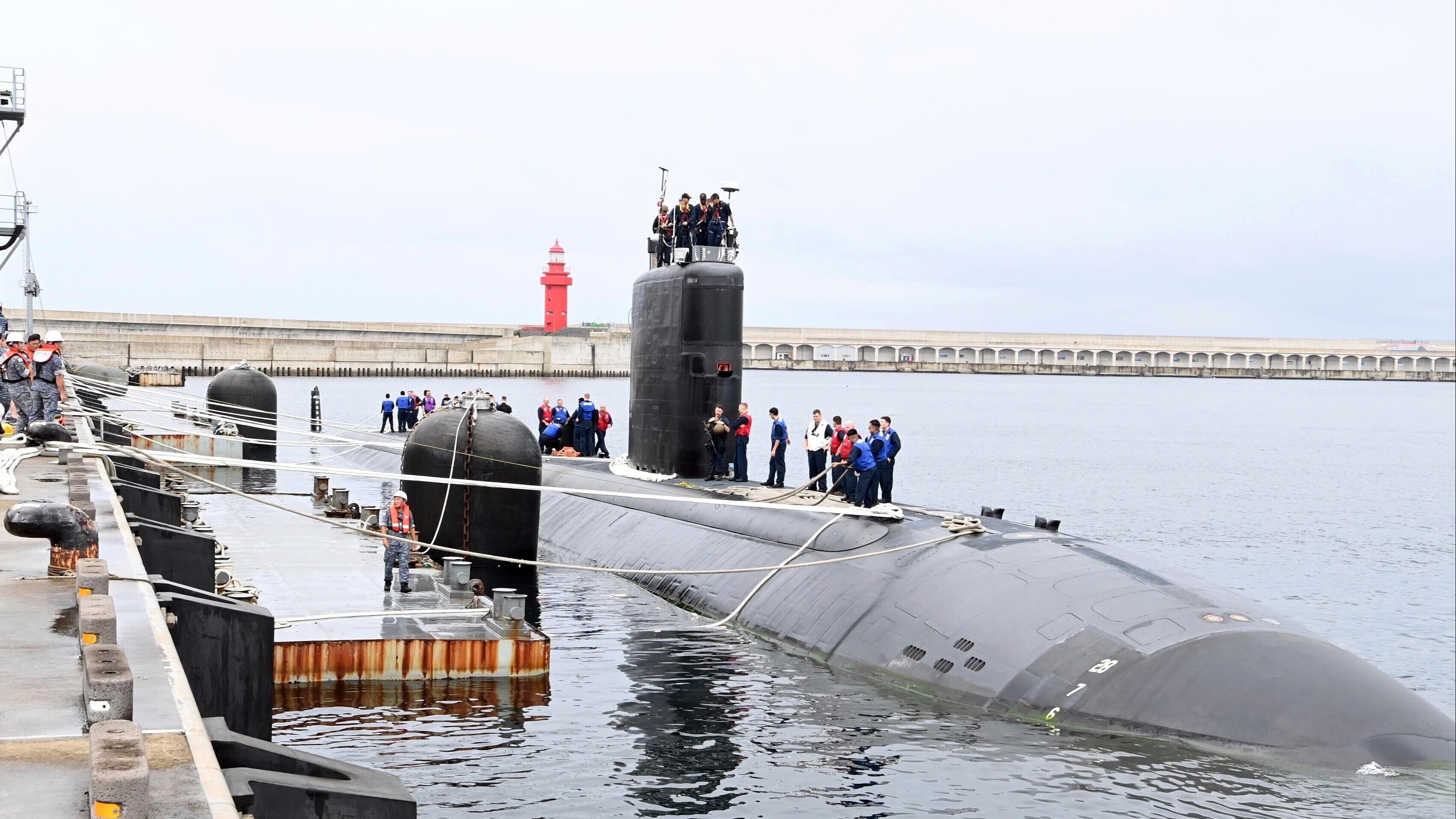
North Korea fired two short-range ballistic missiles into its eastern sea, South Korea’s military said Tuesday, adding to a recent streak in weapons testing that is apparently in protest of the U.S. sending major naval assets to South Korea in a show of force.
Now the federal Mine Safety and Health Administration has proposed a rule that would cut the current limit for silica exposure by half — a major victory for safety advocates. But there is skepticism and concern about the government following through after years of broken promises and delays.
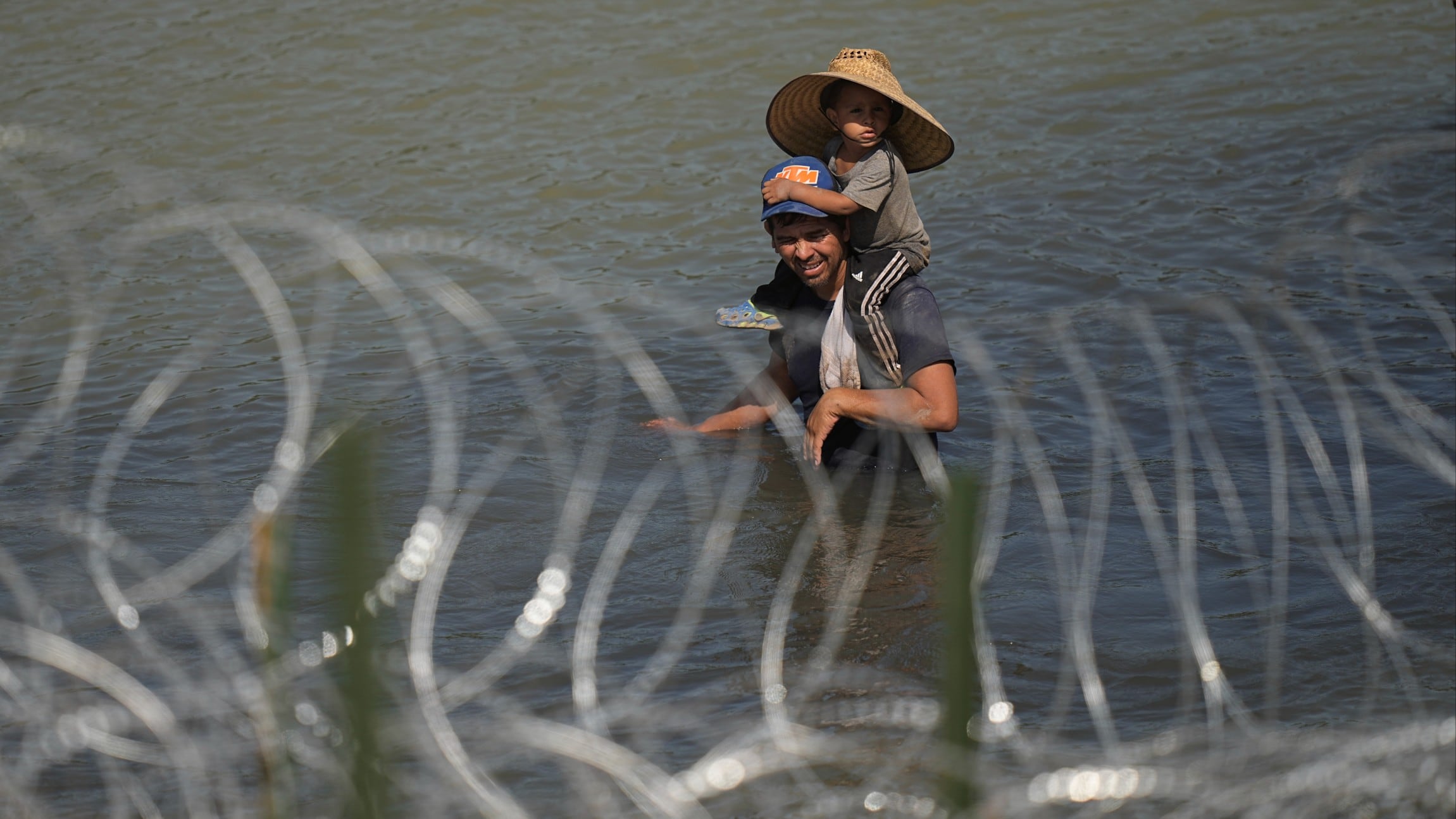
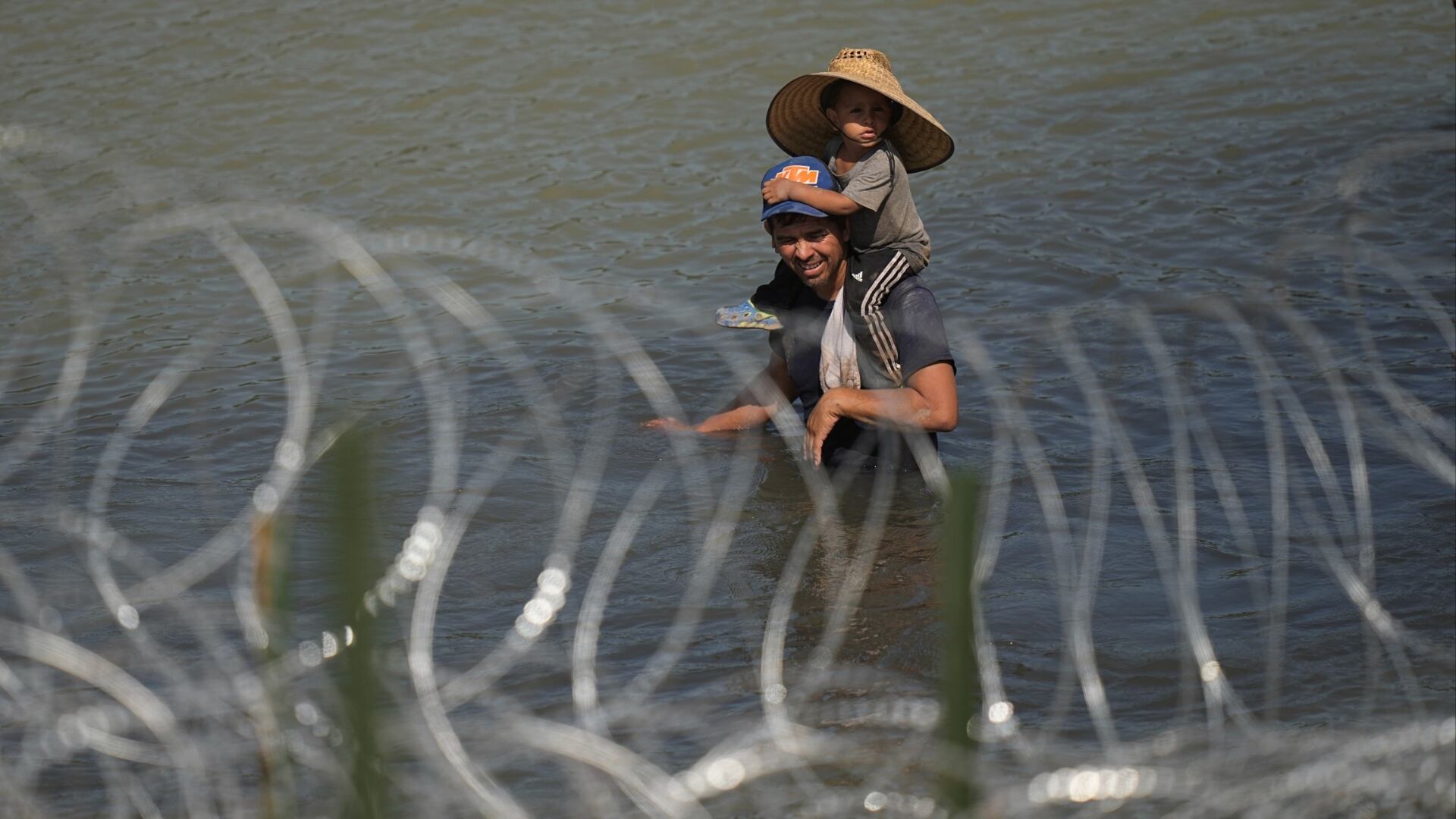
A state trooper's account of officers denying migrants water in 100-degree Fahrenheit (37.7 Celsius) temperatures and razor wire leaving asylum-seekers bloodied has prompted renewed criticism.