As the three-day government shutdown comes to a close, politicians are still placing blame and deflecting responsibility. CBN's Jenna Browder joins Cheddar to discuss what the next few weeks hold in store as immigration negotiations resume. The Senate reached a compromise that will keep the government funded through February 8th.
Dueling hashtags emerged on Twitter in the aftermath of the government shutdown. Browder discusses #SchumerShutdown vs. #TrumpShutdown, and what the phenomenon says about political branding in the era of social media. The debate on social media was strong enough to even overshadow the NFL Playoffs.
Finally, Browder speaks to why the Stormy Daniels scandal isn't picking up steam in the national consciousness. The Christian Broadcasting Network correspondent speaks to whether the controversy will hurt Trump's support among evangelicals.
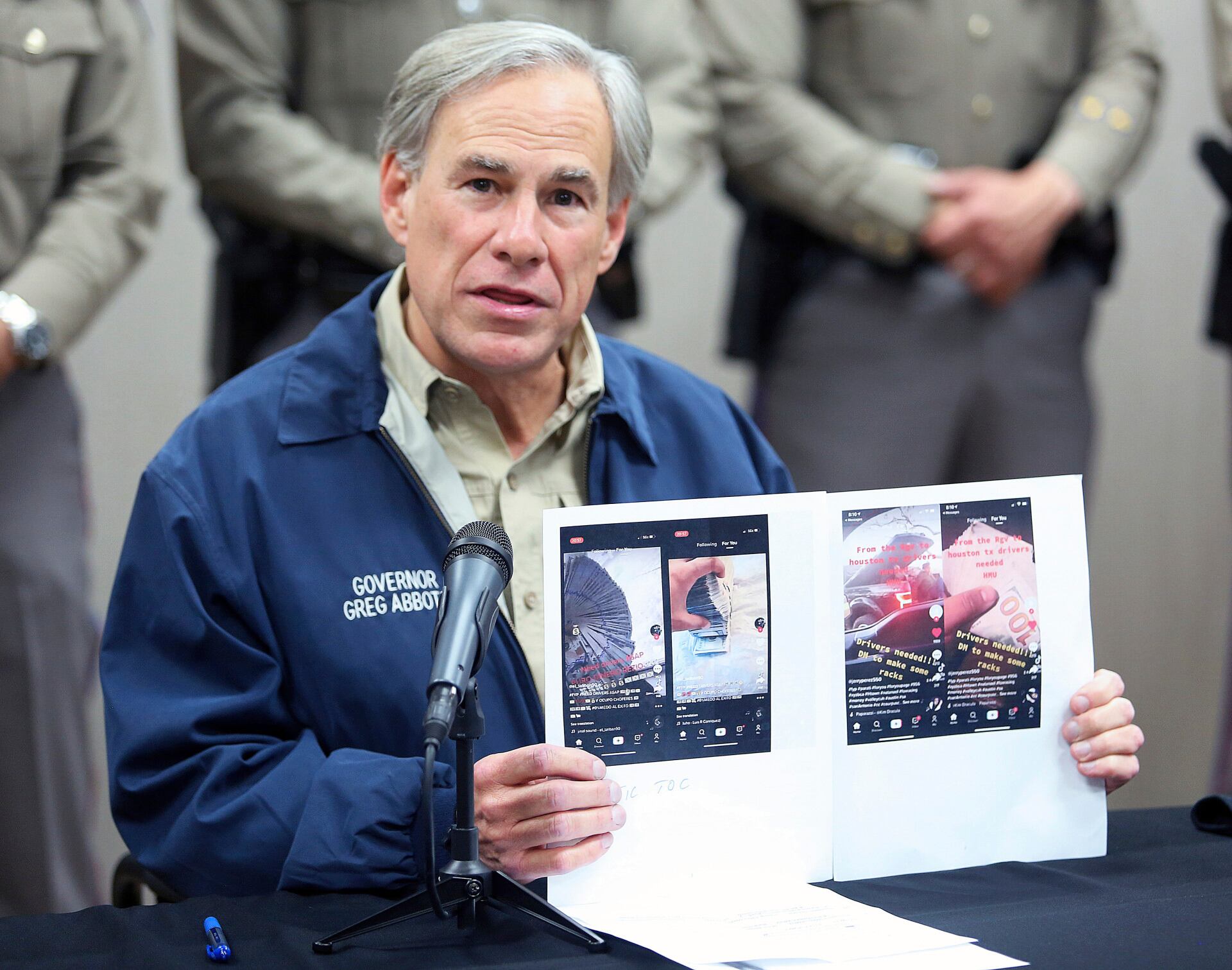
A First Amendment group sued Texas Governor Greg Abbott and others on Thursday over the state’s TikTok ban on official devices, arguing the prohibition – which extends to public universities – is unconstitutional and impedes academic freedom.
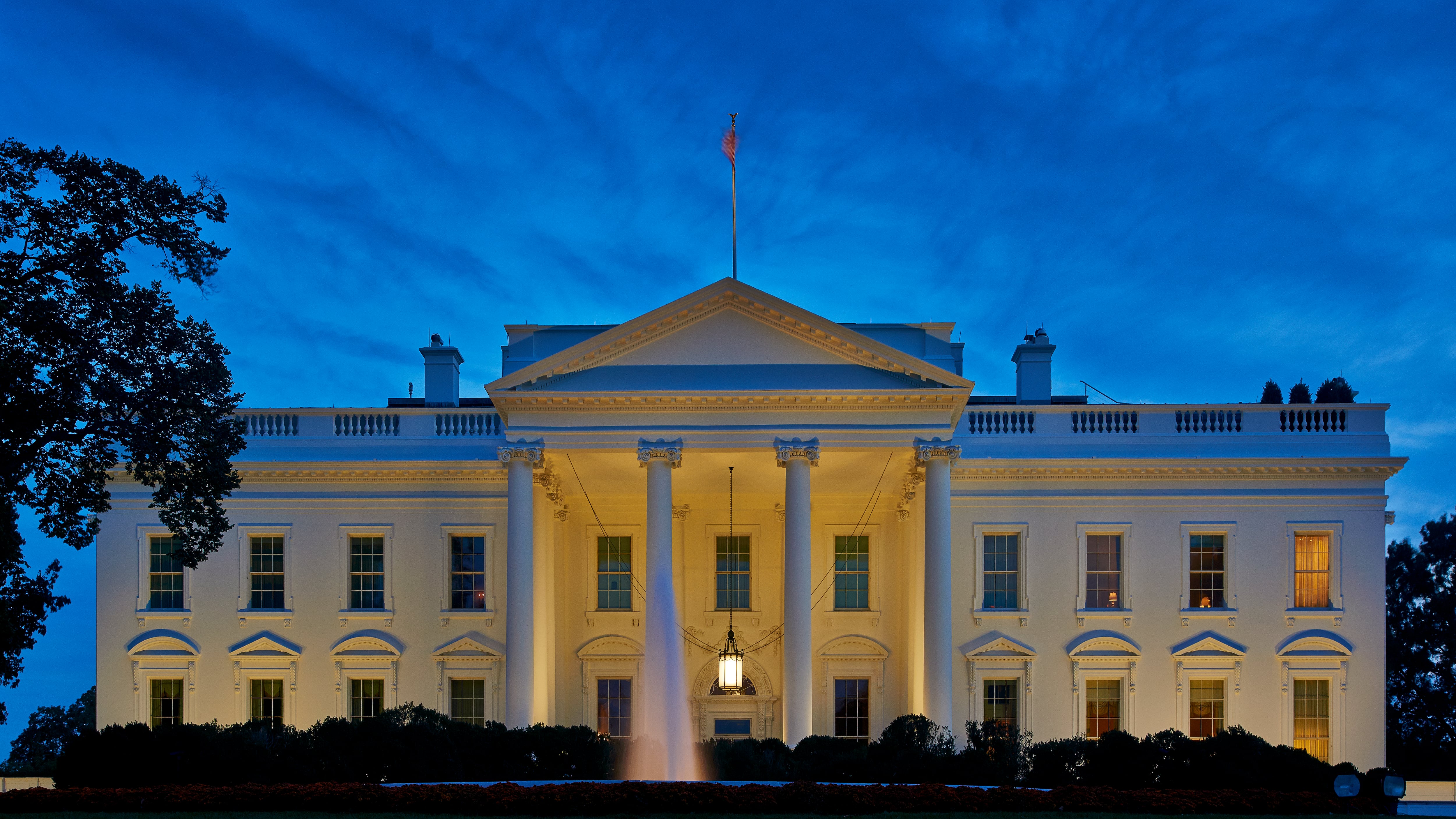
No fingerprints or DNA turned up on the baggie of cocaine found in a lobby at the White House last week despite a sophisticated FBI crime lab analysis, and surveillance footage of the area didn’t identify a suspect, according to a summary of the Secret Service investigation obtained by The Associated Press. There are no leads on who brought the drugs into the building.
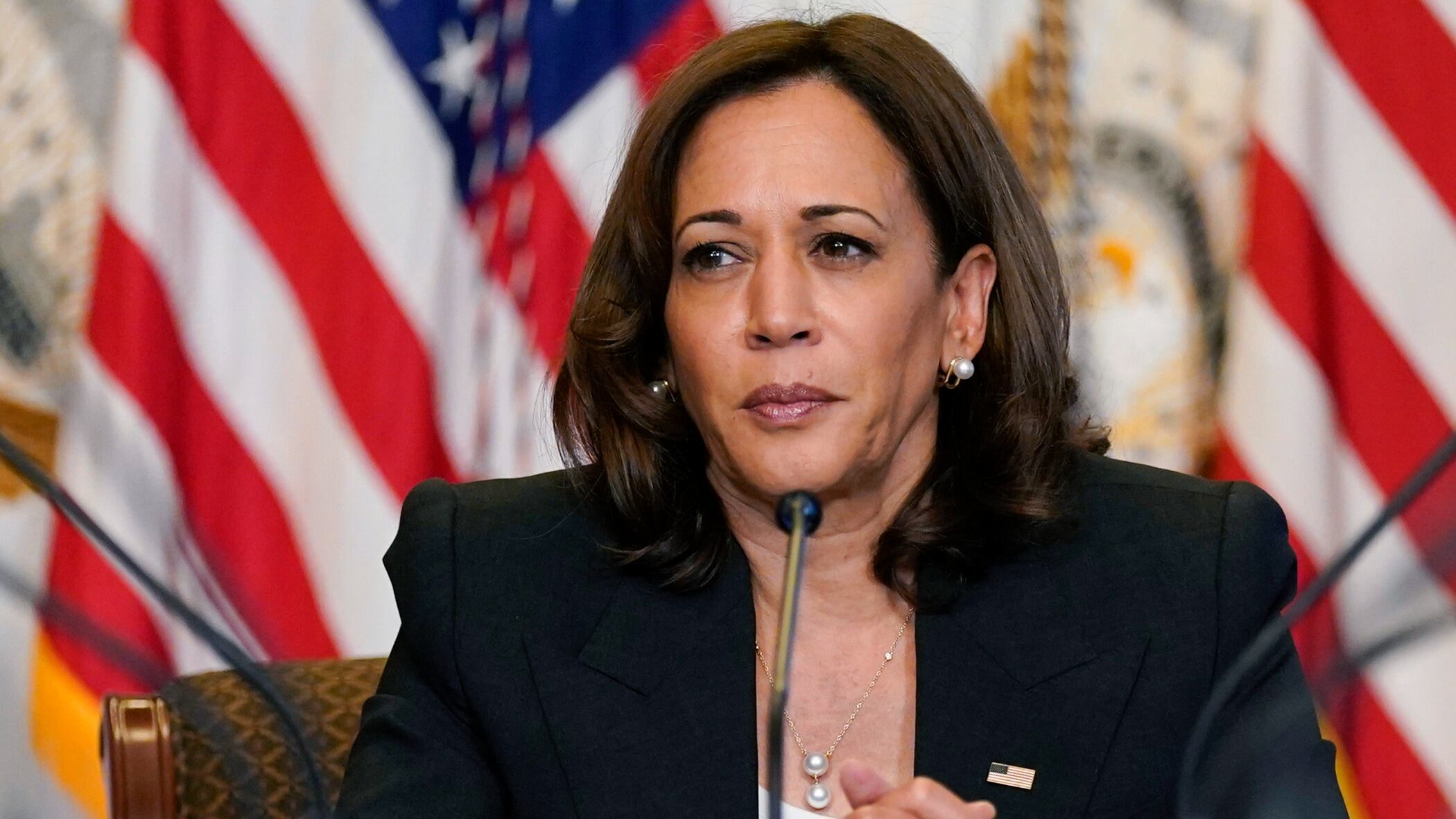
Kamala Harris, who made history as the first woman or person of color to serve as vice president, has made history again by matching the record for most tiebreaking votes in the Senate.
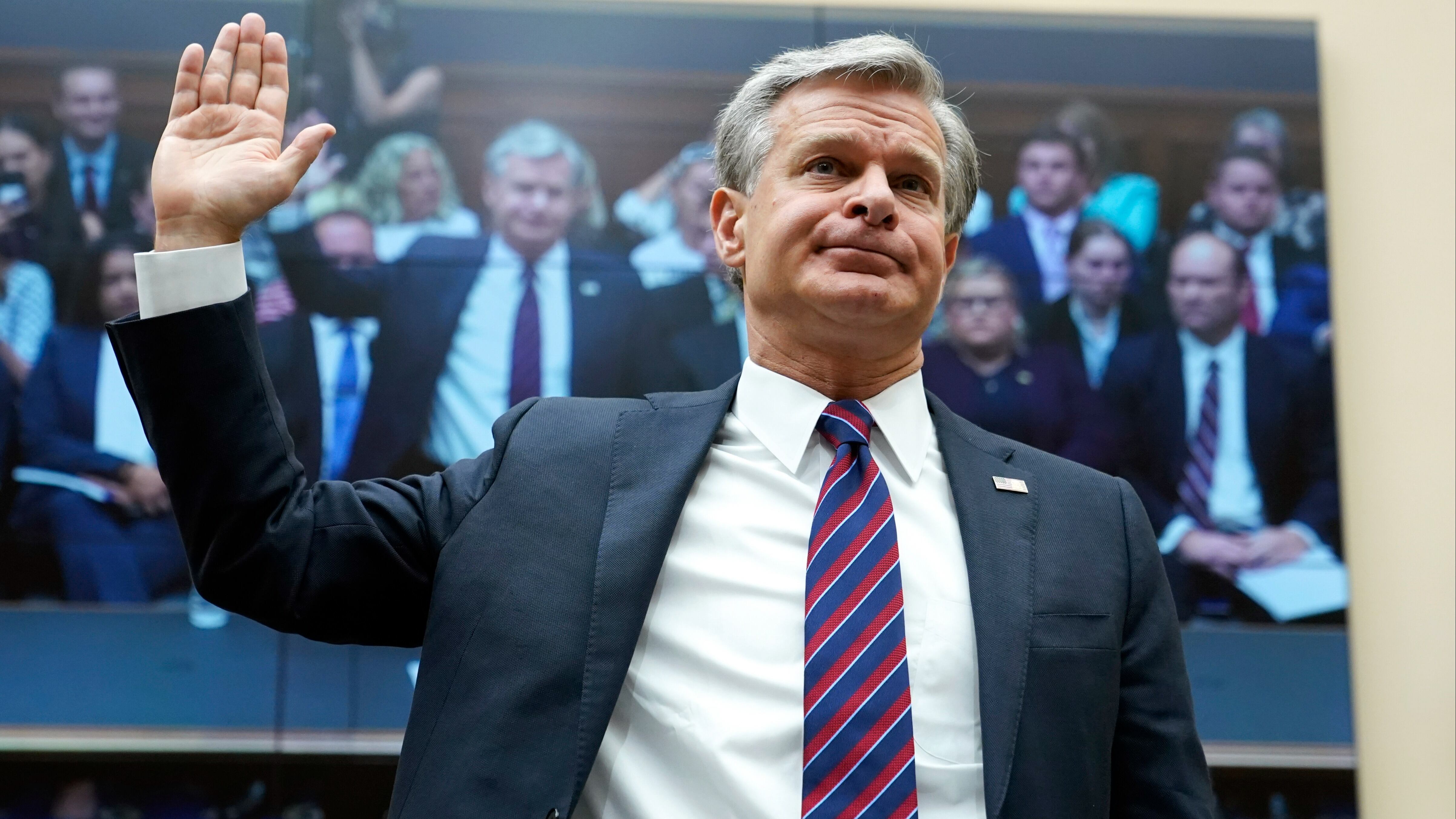
Republicans on the House Judiciary Committee accused the agency of targeting conservatives, suppressing evidence that Covid-19 came from a lab leak and abusing its surveillance powers.
The Biden administration calls it a “student loan safety net.” Opponents call it a backdoor attempt to make college free. And it could be the next battleground in the legal fight over student loan relief.
Nearly 30,000 people in Mississippi were dropped from the state's Medicaid program after an eligibility review that the government ended during the pandemic.