Who Stands To Win and Lose When Net Neutrality Goes Away
Net Neutrality regulations go by the wayside in 2018 unless Congress votes to block the FCC's decision to repeal the regulations. So who wins and who loses when the time comes?
Ryan Rabac, Manager of Digital Marketing at the American Sustainable Business Council, says start-ups stand to lose the most if and when net neutrality is repealed. The ASBC argues that the cost of entry for new businesses will be higher as digital companies pay to receive preferential speeds in the new internet normal.
Who wins? Rabac says that the only winners will be the large telecom companies who supported the repeal. Companies like Verizon and Comcast have more control over what they charge for spectrum use.
While major digital companies like Netflix could have to pay more since they use so much data, Rabac argues that they won't be as negatively impacted as start-ups because they have the money to afford it.
Heading into 2022, the eyes of political nerds like us are fixed on statehouses across the country. State legislatures are in the process of taking the data from the 2020 census and using it to draw new congressional districts. The process has major implications for midterms, as Republicans could retake the majority just by gerrymandering enough seats into their column. In Maryland, state level Democrats are considering several maps, one of which would completely draw out the only Republican from the state in Congress.
Bruce DePuyt, senior reporter at Maryland Matters, and Helen Brewer, legal analyst at Princeton's Electoral Innovation Lab, join Cheddar Politics to discuss.
Today is Veterans Day, a day each year that gives us a chance to honor our service members and reflect on the issues they face in our armed forces. One issue that's gotten a lot of scrutiny recently is the handling of sexual assault cases in the military. The military has long been criticized for how it handles cases of sexual assault, with particular attention paid to how cases are investigated and prosecuted usually within the chain of command. The defense department has said sexual assault cases will be removed, but it's not the same as Congress changing the law itself.
Lory Manning, retired U.S. Navy captain and the director of government operations at the Service Women's Action Network, joins Cheddar News to discuss.
Greenwood, a digital banking platform aimed at supporting Black and Latino businesses and clients, is launching its very own GreenBook. Named after the historic publication for Black travelers during the era of Jim Crow, the online guide will provide a directory of Black- and Latino-owned businesses across the country. Ryan Glover, the founder and chairman of Greenwood, joined Cheddar to provide additional details about the listings.
President Biden's infrastructure plan will be pumping billions of dollars into the EV sector. David Shepardson, Correspondent at Thomson Reuters, joined Cheddar News' Closing Bell to break down all of the details.
Al Root, Senior Writer at Barron's, joined Wake Up With Cheddar's Jill Wagner to break down who qualifies for the proposed EV tax credits and why some automakers aren't too pleased about extra incentives for vehicles made at union plants.
Jill Wagner is joined by Baker to talk about kids and vaccines: we finally know how many young kids are getting vaccinated. Plus, Democrats are working on a Plan B for paid family leave. And the salad chain Sweetgreen goes public.
A breakthrough deal between the U.S. and China when it comes to climate has finally been reached. The two countries have pledged to work together to curb carbon emissions. Amy Harder, executive editor at Cipher, joined Cheddar News to discuss more.
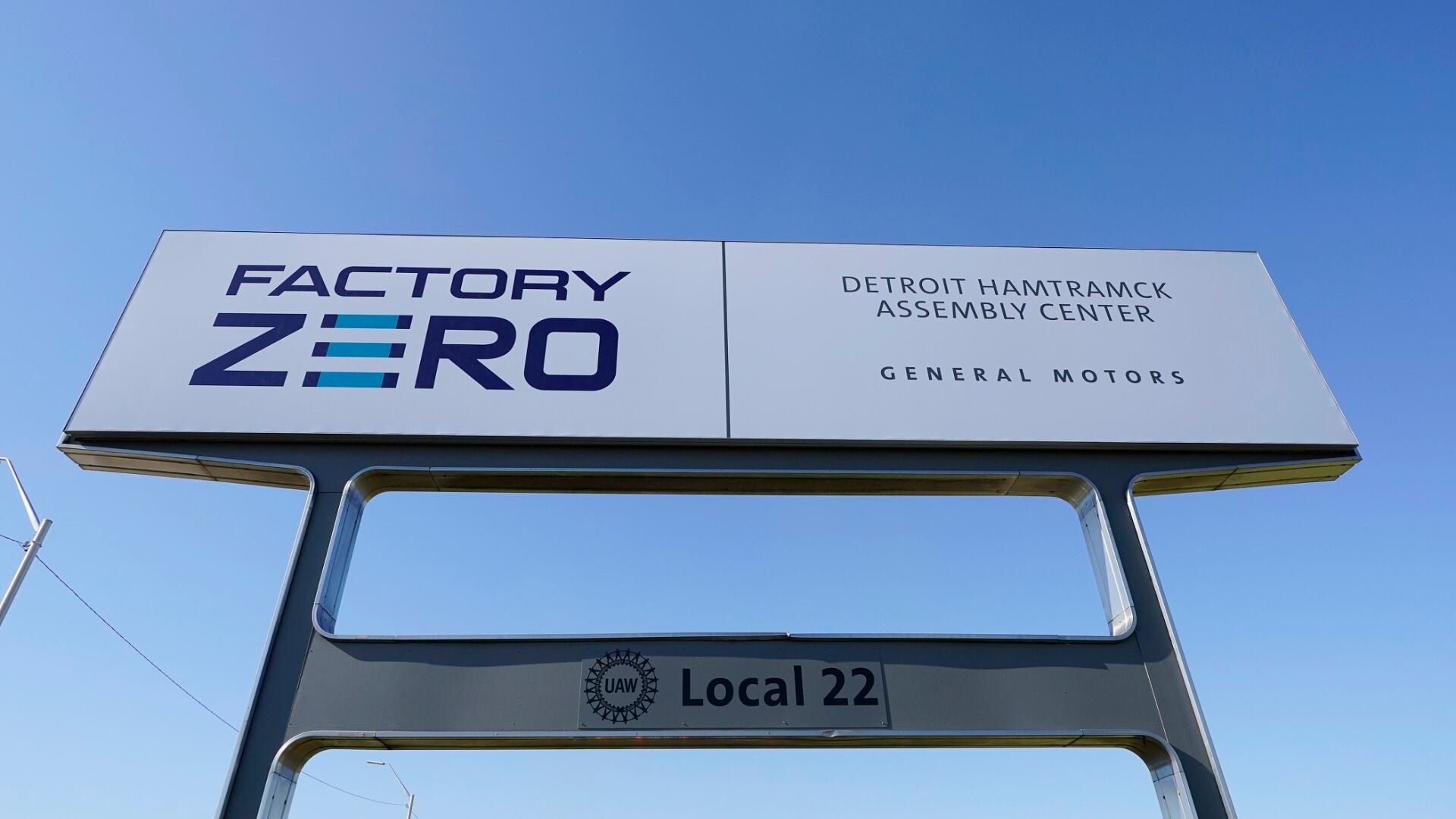
President Joe Biden is expected to visit GM's 'Factory Zero' plant in Detroit, where mass production of its electric vehicle fleet will get underway. Biden is likely to tout his recently passed $1.2 trillion infrastructure plan, which allocates $7.5 billion toward EV infrastructure.