Who Stands To Win and Lose When Net Neutrality Goes Away
Net Neutrality regulations go by the wayside in 2018 unless Congress votes to block the FCC's decision to repeal the regulations. So who wins and who loses when the time comes?
Ryan Rabac, Manager of Digital Marketing at the American Sustainable Business Council, says start-ups stand to lose the most if and when net neutrality is repealed. The ASBC argues that the cost of entry for new businesses will be higher as digital companies pay to receive preferential speeds in the new internet normal.
Who wins? Rabac says that the only winners will be the large telecom companies who supported the repeal. Companies like Verizon and Comcast have more control over what they charge for spectrum use.
While major digital companies like Netflix could have to pay more since they use so much data, Rabac argues that they won't be as negatively impacted as start-ups because they have the money to afford it.
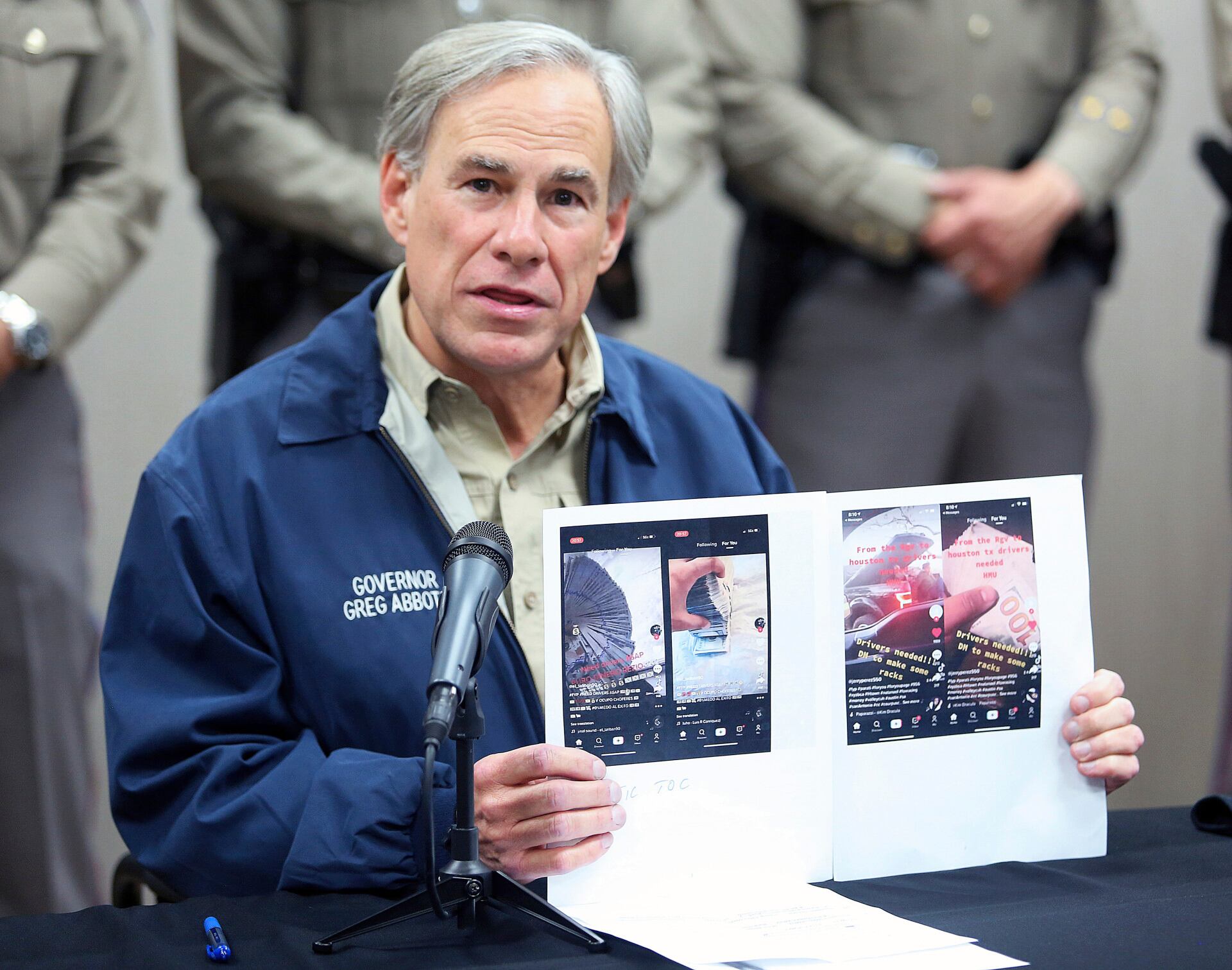
A First Amendment group sued Texas Governor Greg Abbott and others on Thursday over the state’s TikTok ban on official devices, arguing the prohibition – which extends to public universities – is unconstitutional and impedes academic freedom.
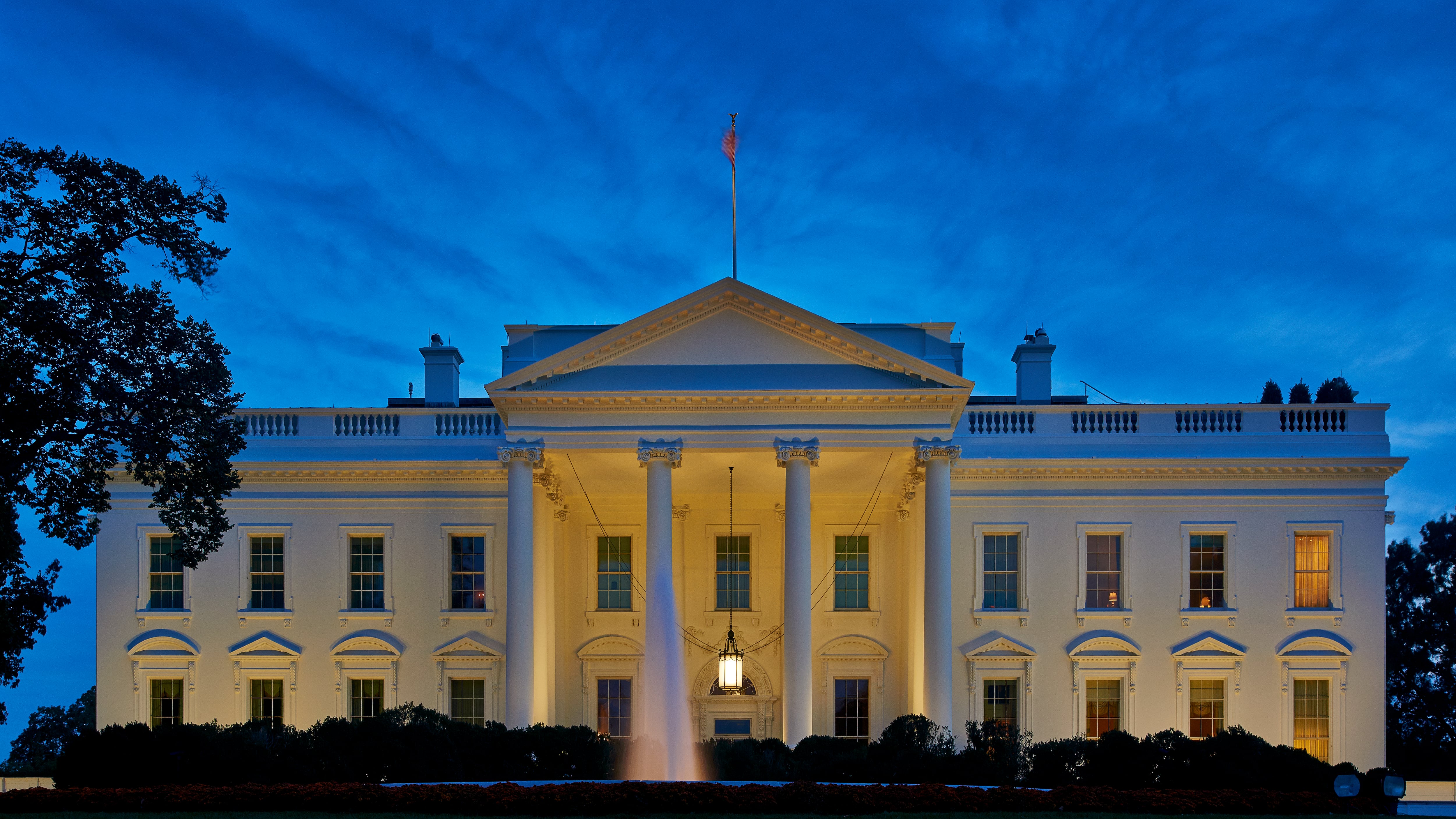
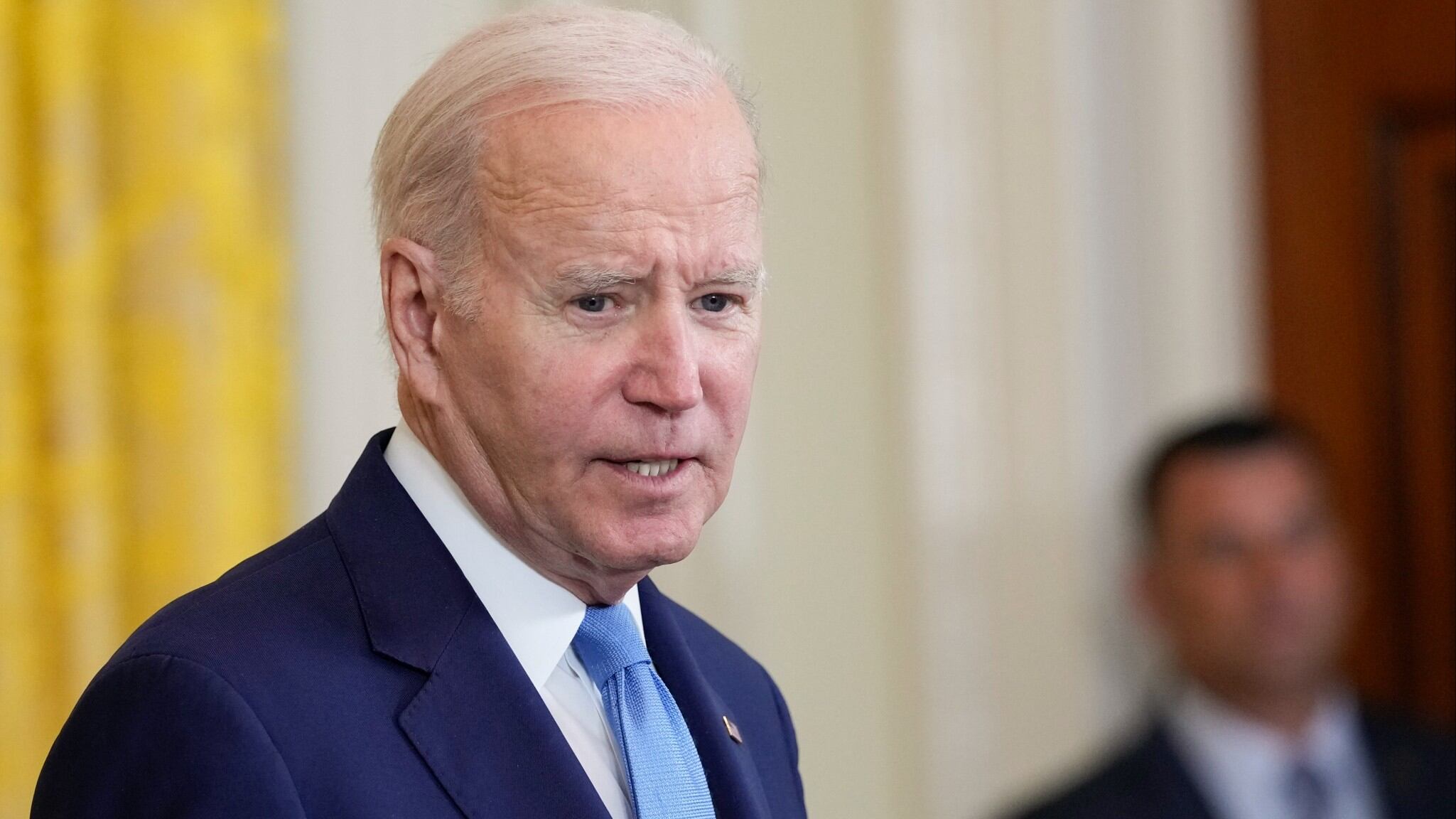
No fingerprints or DNA turned up on the baggie of cocaine found in a lobby at the White House last week despite a sophisticated FBI crime lab analysis, and surveillance footage of the area didn’t identify a suspect, according to a summary of the Secret Service investigation obtained by The Associated Press. There are no leads on who brought the drugs into the building.
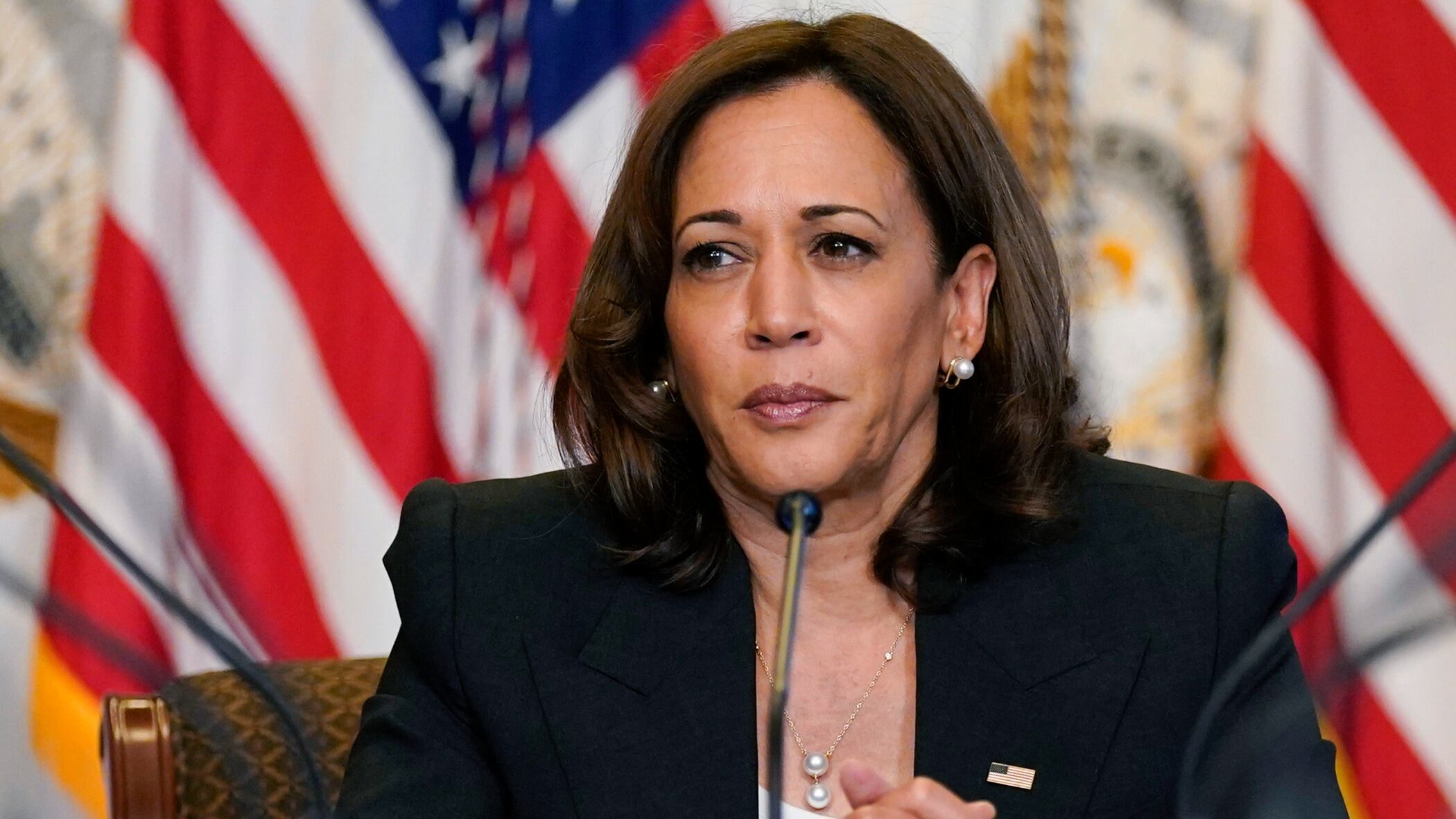
Kamala Harris, who made history as the first woman or person of color to serve as vice president, has made history again by matching the record for most tiebreaking votes in the Senate.
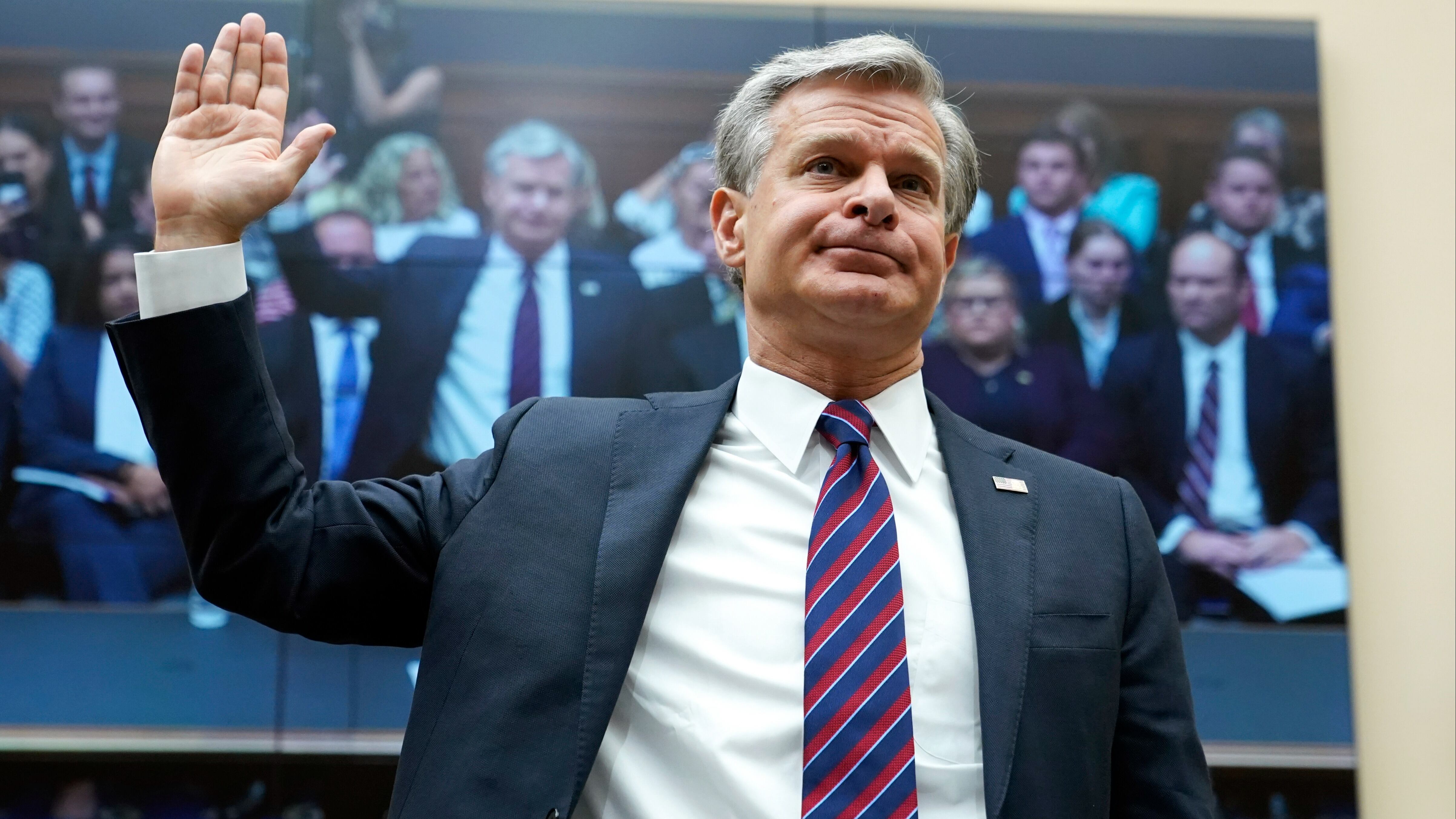
Republicans on the House Judiciary Committee accused the agency of targeting conservatives, suppressing evidence that Covid-19 came from a lab leak and abusing its surveillance powers.
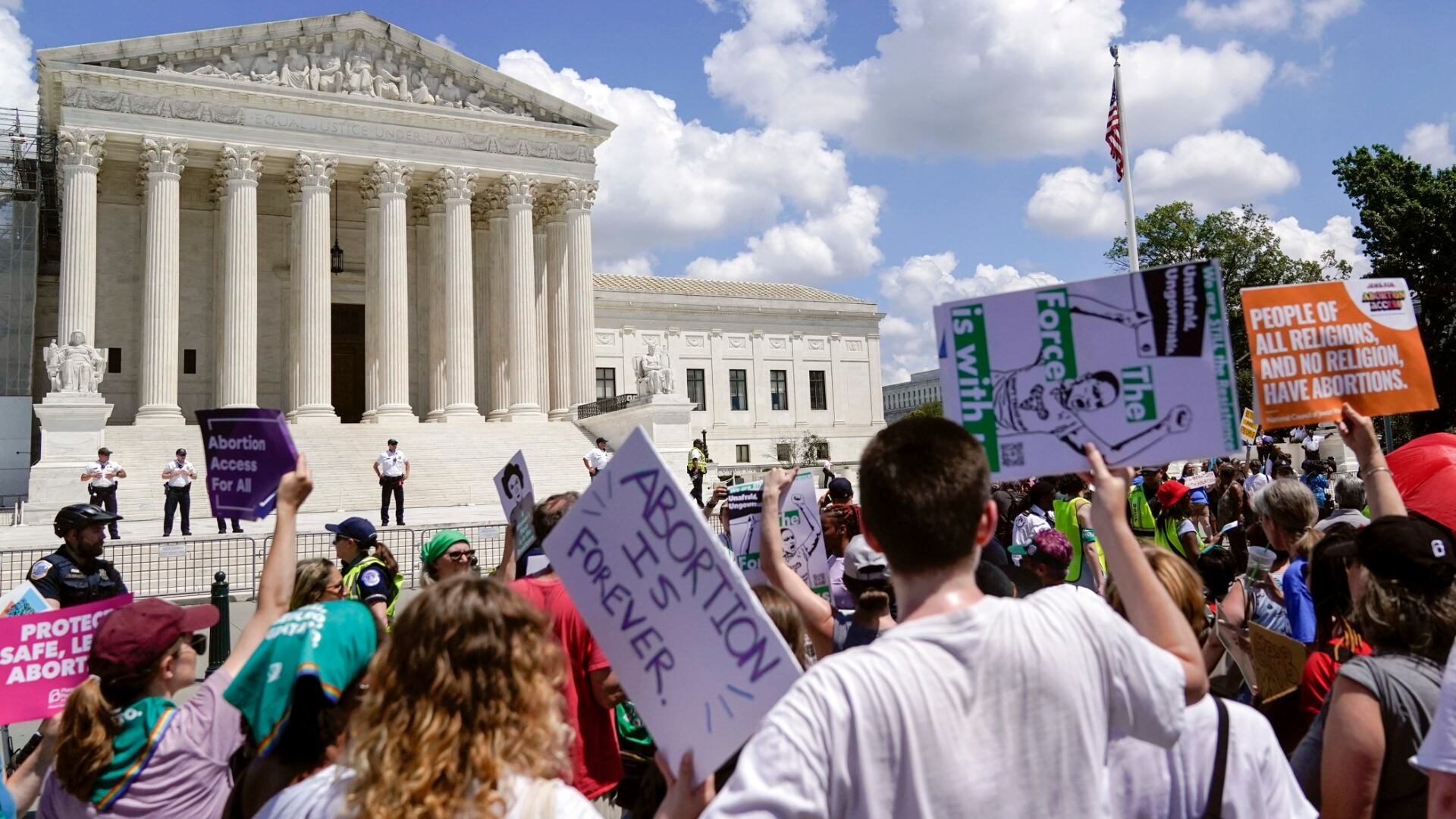
The Biden administration calls it a “student loan safety net.” Opponents call it a backdoor attempt to make college free. And it could be the next battleground in the legal fight over student loan relief.
Nearly 30,000 people in Mississippi were dropped from the state's Medicaid program after an eligibility review that the government ended during the pandemic.