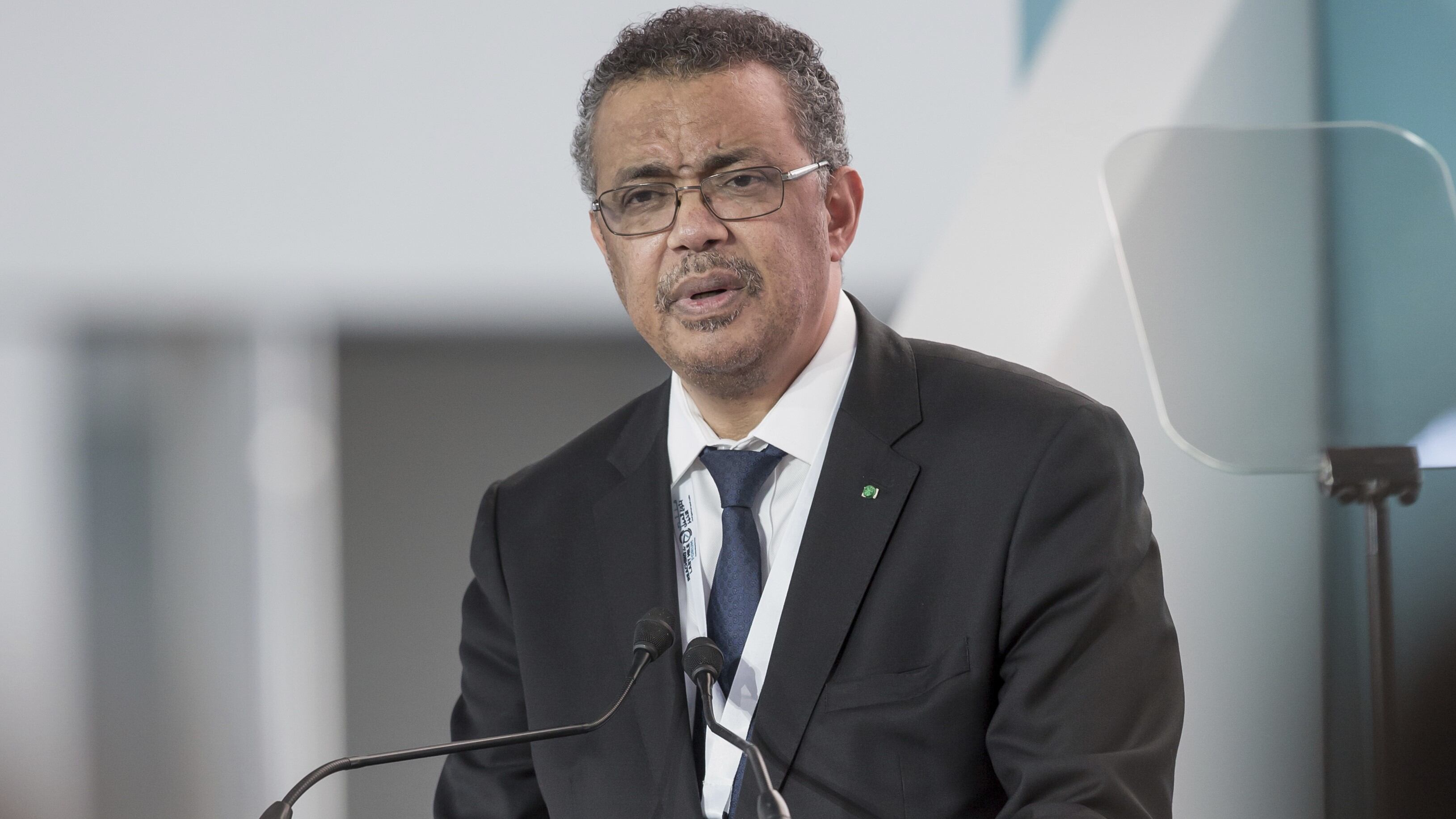
FILE - Dr. Tedros Ghebreyesus, Director General of the WHO, speaks at the Reaching The Last Mile Forum on Nov. 19, 2019, at the Louvre in Abu Dhabi.(Jonathan Gibbons/Reaching the Last Mile Forum via AP Images)
The head of the World Health Organization says he will begin an independent evaluation of the U.N. health agency’s response to the coronavirus pandemic “at the earliest appropriate moment.”
WHO Director-General Tedros Adhanom Ghebreyesus made the pledge Monday after an independent oversight advisory body published its first interim report about the U.N. health agency’s response to COVID-19 from January to April.
The 11-page report raised questions such as whether WHO’s warning system for alerting the world to outbreaks is adequate, and suggested member states might need to “reassess” WHO’s role in providing travel advice to countries.
The advisory body’s review and recommendations appeared unlikely to appease the United States administration, which has been scathing in its criticism of WHO — in part over President Donald Trump’s allegation that it had criticized a U.S. travel ban that he ordered on people arriving from China, where the outbreak first appeared late last year.
Trump ordered a temporary suspension of funding for WHO from the United States — the health agency’s biggest single donor — pending a review of its early response. But the review panel, echoing comments from many countries, said such a review during the “heat of the response” could hurt WHO’s ability to respond to it.
After a devastating mass shooting in Sacramento over the weekend that killed six people and wounded a dozen more, arguments about gun reform are also resurfacing. David Pucino, deputy chief counsel at Giffords Law Center to Prevent Gun Violence, joined Cheddar News to talk about efforts to curb gun violence such as community intervention programs — and the more that needs to be done by lawmakers. "One thing that would be really important is at the federal level closing the loopholes that allow for private sales to go forward without a background check," he noted.
Christopher Wolfe, CIO at First Republic Private Wealth Management, joins Cheddar News' Closing Bell, where he says he is surprised that the first quarter was the first down period in a long time, but adds that the second quarter could be difficult with a lot of volatility expected.
Jeffrey Small, President of Arbor Financial, joins Chedar News' Closing Bell, where he breaks down why stocks closed near session lows on Wednesday and tells viewers what to expect ahead of next earnings season.
Uber and Lyft drivers are cruising in Washington State, the first U.S. state to set an earnings standard for drivers for the ride-hailing companies. Governor Jay Inslee signed the new minimum pay standard into law Thursday, which also gives drivers access to perks like paid sick time and family medical leave. John Logan, Director of Labor and Employment Studies at San Francisco State University, joins Cheddar News' Closing Bell to discuss.
Jeremy Berke, senior reporter on the cannabis industry for Business Insider, joins Cheddar Politics to discuss developments in cannabis legalization at the federal level. He helps break down the bill and what legalization efforts might look like in the Senate.
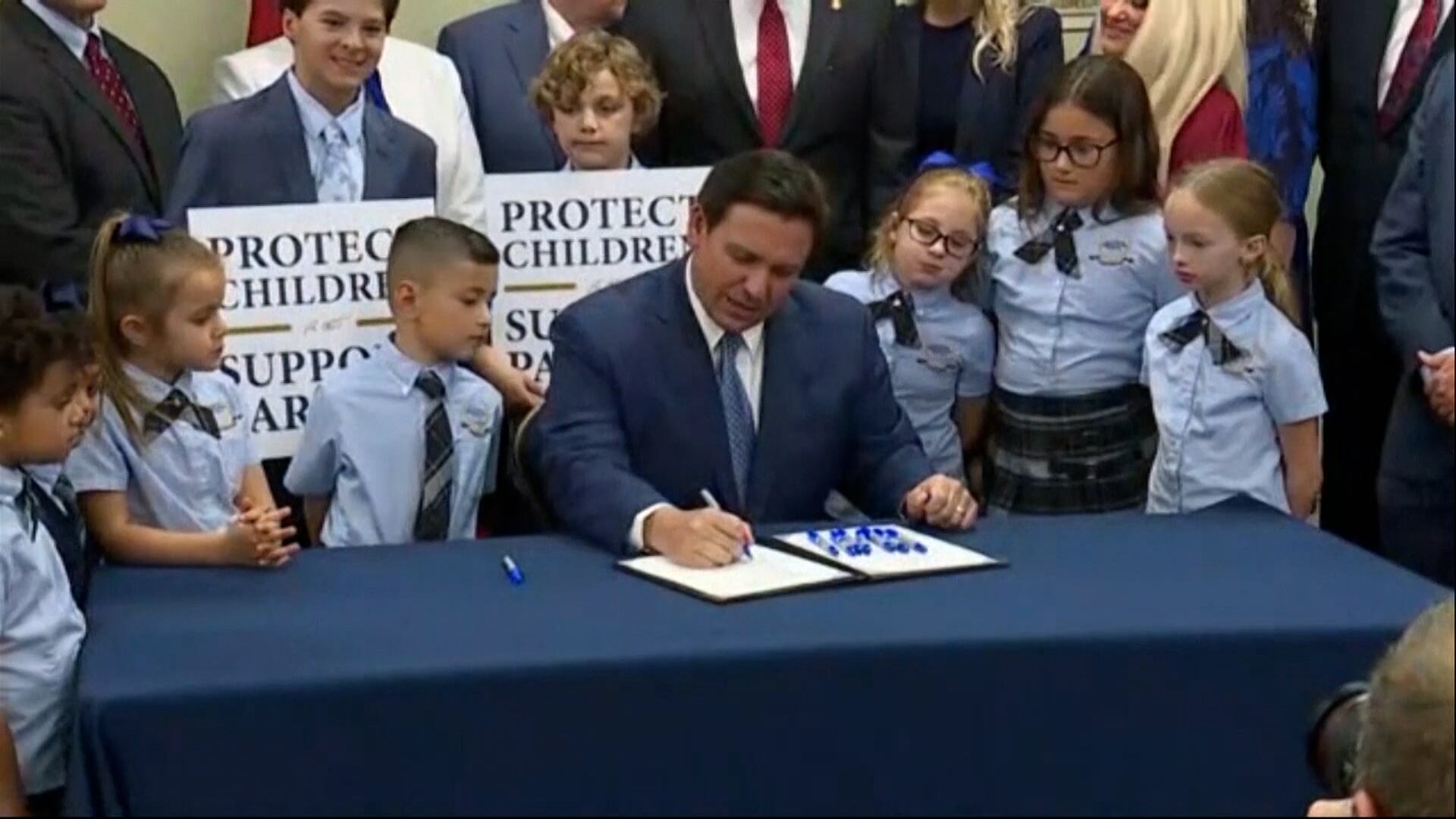
Selene San Felice, Tampa Bay reporter for Axios Local, and Jennifer Levi, director of the Transgender Rights Project at GLBTQ Legal Advocates & Defenders (GLAD) join Cheddar Politics to discuss the impact of the new law targeting LGBTQ communities in Florida schools.
Ryan Barber, justice correspondent at Insider, joins Cheddar Politics to discuss the latest developments in the January 6 investigation, including texts between Ginni Thomas, the wife of Supreme Court Justice Clarence Thomas, and former White House Chief of Staff Mark Meadows.
Joel Rubin, former Deputy Assistant Secretary of State and president of the Washington Strategy Group, joins Cheddar Politics to discuss the latest developments in the Russian invasion of Ukraine.
The head of Russia’s space program says the future of the ISS hangs in the balance after the U.S., EU, and Canadian space agencies missed a deadline to meet Russian demands for lifting sanctions on Russian enterprises and hardware.