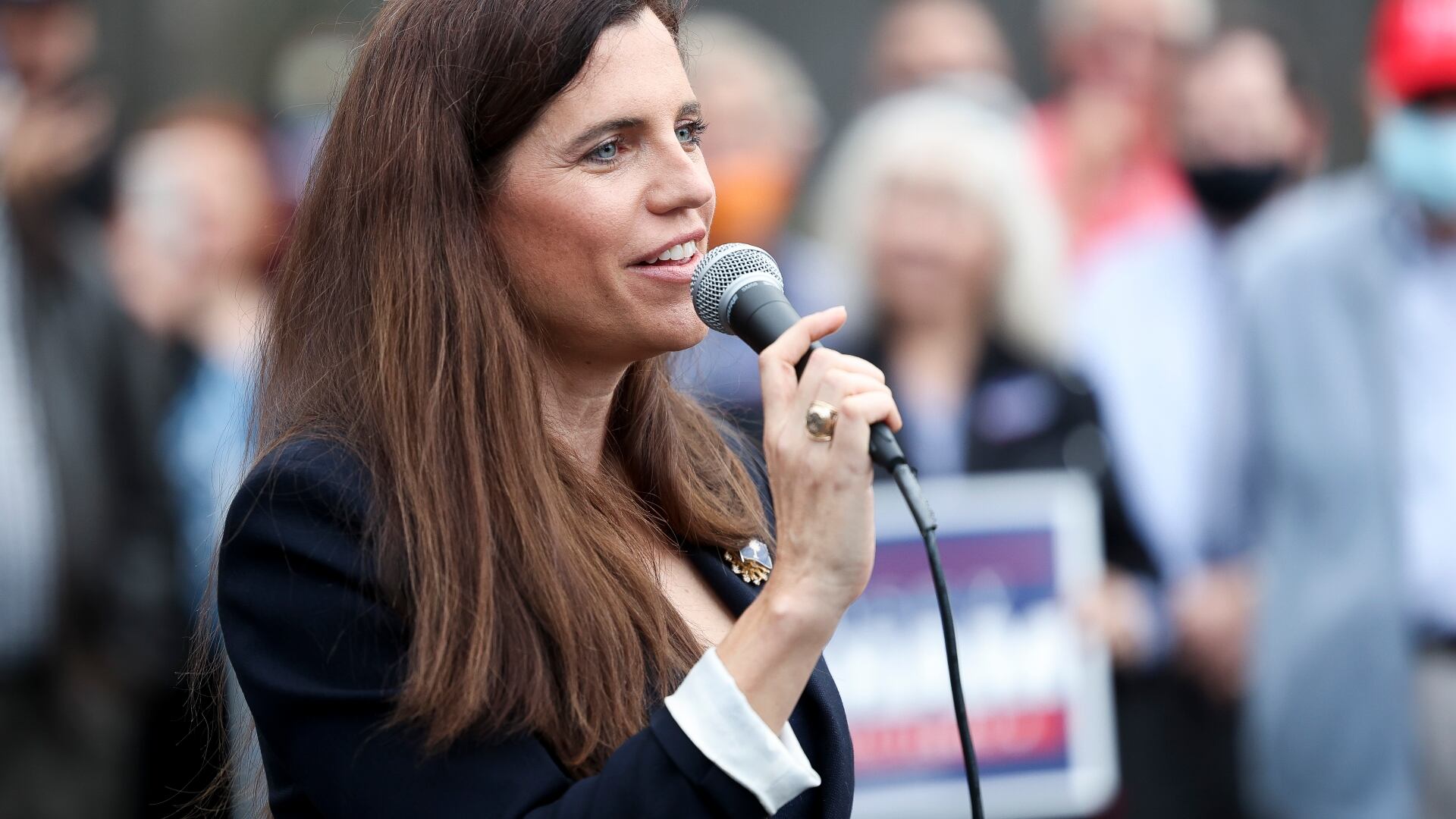
The back and forth between Nikki Haley, the U.S. Ambassador to the UN, and President Donald Trump’s new economic adviser Larry Kudlow over sanctions on Russia Tuesday underscores the urgent need for the White House to overcome vast policy differences within the administration, says Jon Miller, White House correspondent for the conservative-leaning CRTV.
“They need to figure out how to get a singular message out there,” he told Cheddar Wednesday.
Haley said on Sunday the administration was set to impose sanctions on Russia for its role in Syria’s seven-year-long civil war. Days later, Kudlow denied that sanctions were on the table, saying on Fox News that Haley was just [“momentarily confused.”](https://twitter.com/GeoffRBennett/status/986285214803644423) The former South Carolina Governor hit back, reportedly saying in a statement, [“With all due respect, I don't get confused.”](https://www.cnn.com/2018/04/17/politics/nikki-haley-russia-sanctions/index.html) The tensions eased after Kudlow apologized to Haley hours later.
“I’m going to say that she’s the one who knows what she’s talking about in this instance,” said Miller. “She’s the one who’s calling the shots, and people seem to be coming behind her.”
Haley’s positions on a range of foreign policy issues have often clashed with the White House. She outwardly and persistently criticized the Kremlin on topics from the Syrian conflict, to Ukraine, to the 2016 presidential election, a sharp juxtaposition to Trump’s more demure approach to Russia.
“She’s a little more hawkish on issues in terms of foreign policy,” explained Miller. “She’s a little more outspoken. I think Trump has people around him who are trying to rein him in a bit.”
Kudlow’s attempt to undermine Haley may be a microcosm of an administration in perpetual chaos, with staffers often seeming to operate on completely different wavelengths. And that might be something that the president encourages, Miller said.
“The president has said he likes conflicting ideas. He says, ‘I like the conflict in my White House, I like different ideas happening.’”
For full interview, [click here](https://cheddar.com/videos/gorsuchs-controversial-vote-haley-vs-trump-administration).
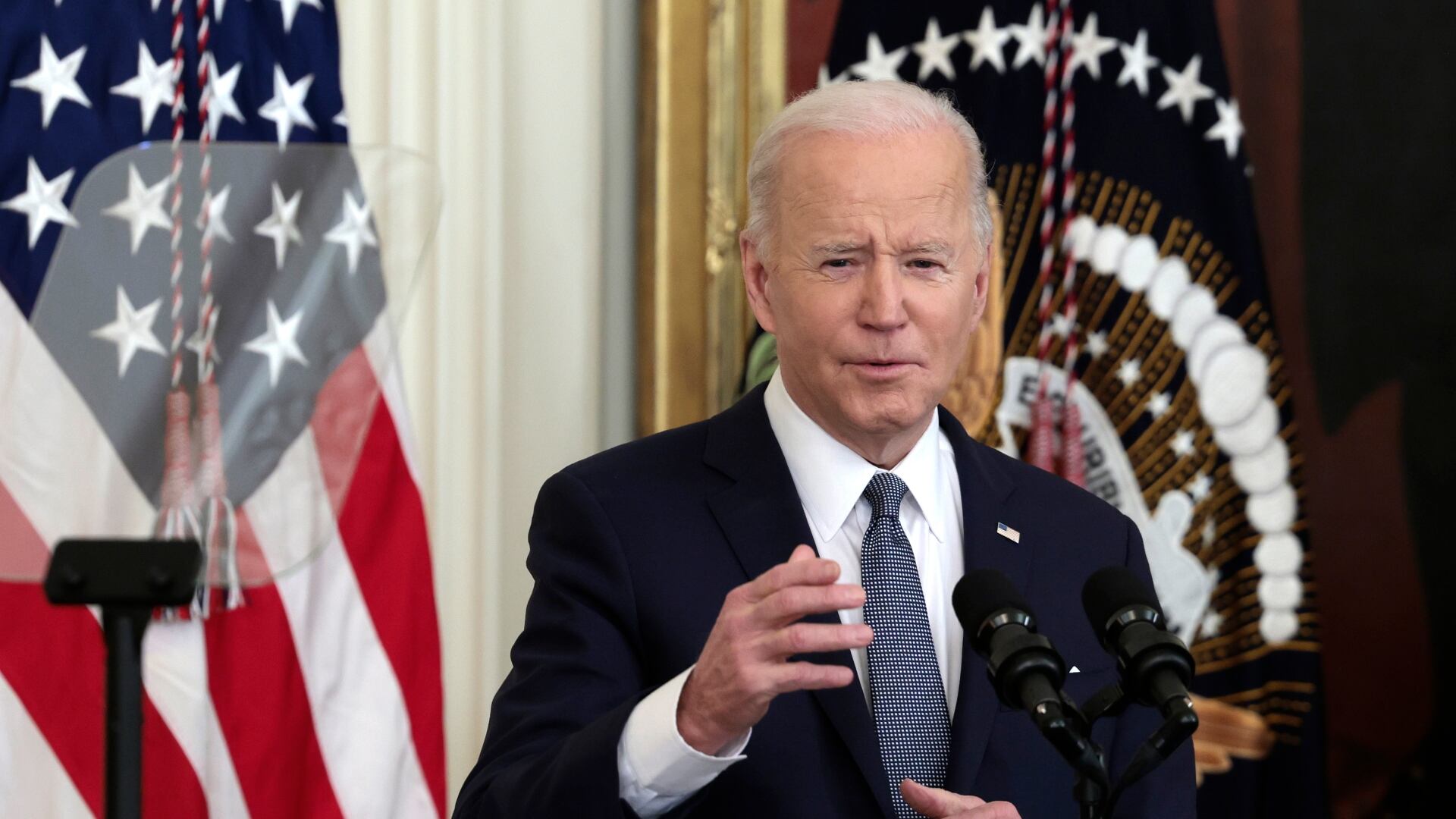
Francesca Chambers, White House correspondent for McClatchy, joins Cheddar News to discuss all the topics President Biden has to juggle in his State of the Union address.
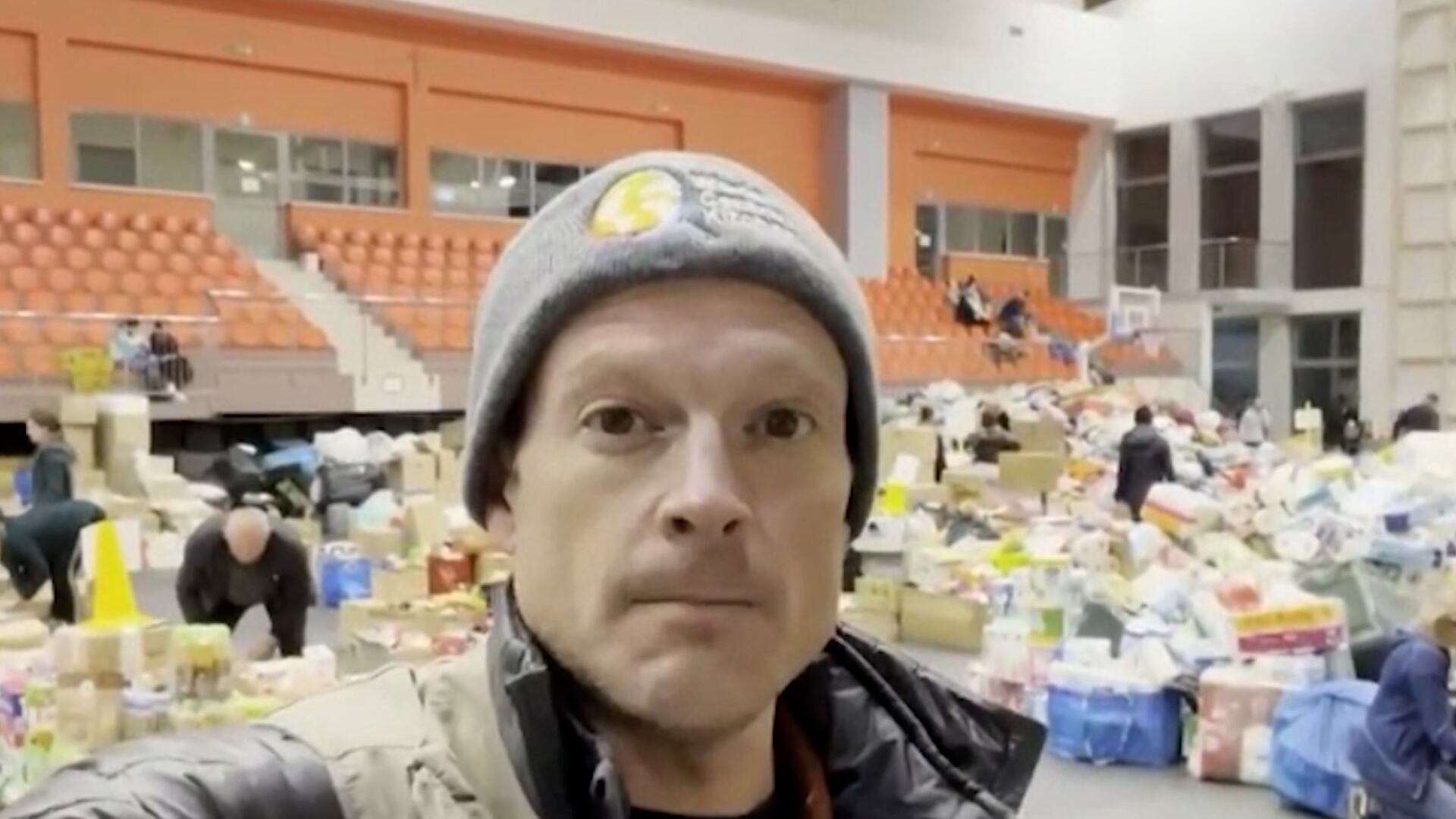
World Central Kitchen is Ukraine helping to feed people remaining in the country or fleeing from the Russian forces. Nate Mook, CEO for the non-profit, joined Cheddar New to discuss the efforts being made to help those in need in a very tenuous situation and how the invasion disrupted the lives of Ukrainian people."We met a young woman from Kyiv who had crossed into Poland, she had a great job, she just moved into a new apartment. She was really excited about decorating her apartment. You know, things that we all do on a day-to-day basis, and she had to just abandon her life," he said.
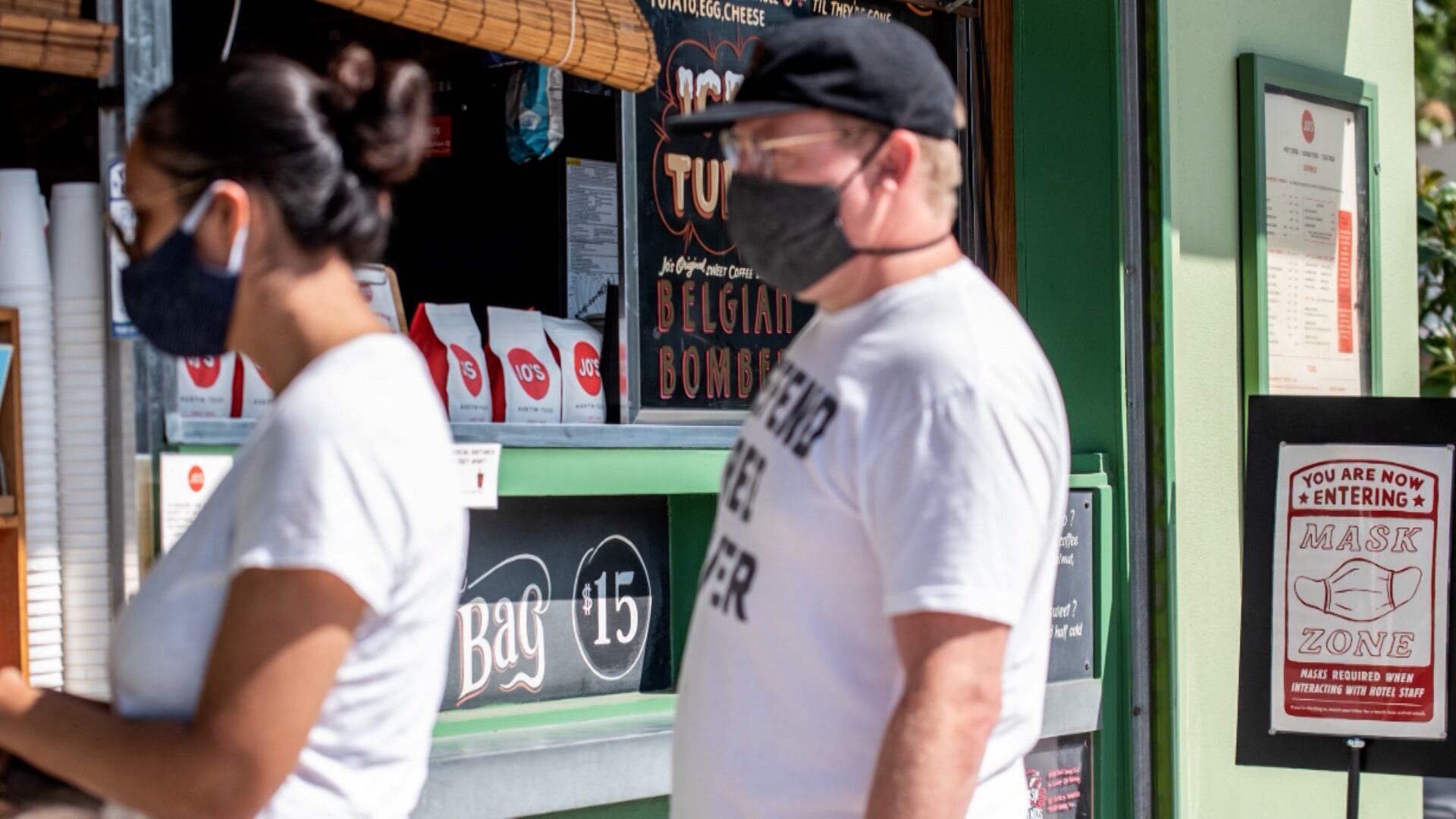
Bina Venkataraman, Boston Globe Editorial Page Editor & former White House disaster policy adviser joins Cheddar News to discuss the current state of the pandemic as well as Biden's handling of the crisis
Michael Li senior counsel for the Brennan Center's Democracy Program joins Cheddar News to discuss gerrymandering and how it's impacting American politics
As half a million Ukrainians fled when Russia invaded its neighbor, some civilians chose to stay in harm's way. Igor Gamaniuk, a 17-year-old Ukrainian college student, joined Cheddar News to talk about his decision to remain in his beloved country and volunteer to support soldiers with food, clothing, and supplies. "Right now people are pretty calm in my town. We are trying not to panic. But we have to be cautious because every day and every night the siren could sound and we have to move away from the window or go to the nearest shelter," Gamaniuk explained.