The back and forth between Nikki Haley, the U.S. Ambassador to the UN, and President Donald Trump’s new economic adviser Larry Kudlow over sanctions on Russia Tuesday underscores the urgent need for the White House to overcome vast policy differences within the administration, says Jon Miller, White House correspondent for the conservative-leaning CRTV.
“They need to figure out how to get a singular message out there,” he told Cheddar Wednesday.
Haley said on Sunday the administration was set to impose sanctions on Russia for its role in Syria’s seven-year-long civil war. Days later, Kudlow denied that sanctions were on the table, saying on Fox News that Haley was just [“momentarily confused.”](https://twitter.com/GeoffRBennett/status/986285214803644423) The former South Carolina Governor hit back, reportedly saying in a statement, [“With all due respect, I don't get confused.”](https://www.cnn.com/2018/04/17/politics/nikki-haley-russia-sanctions/index.html) The tensions eased after Kudlow apologized to Haley hours later.
“I’m going to say that she’s the one who knows what she’s talking about in this instance,” said Miller. “She’s the one who’s calling the shots, and people seem to be coming behind her.”
Haley’s positions on a range of foreign policy issues have often clashed with the White House. She outwardly and persistently criticized the Kremlin on topics from the Syrian conflict, to Ukraine, to the 2016 presidential election, a sharp juxtaposition to Trump’s more demure approach to Russia.
“She’s a little more hawkish on issues in terms of foreign policy,” explained Miller. “She’s a little more outspoken. I think Trump has people around him who are trying to rein him in a bit.”
Kudlow’s attempt to undermine Haley may be a microcosm of an administration in perpetual chaos, with staffers often seeming to operate on completely different wavelengths. And that might be something that the president encourages, Miller said.
“The president has said he likes conflicting ideas. He says, ‘I like the conflict in my White House, I like different ideas happening.’”
For full interview, [click here](https://cheddar.com/videos/gorsuchs-controversial-vote-haley-vs-trump-administration).
2021 saw markets continue to be impacted by the onslaught of the coronavirus pandemic -most recently in the form of the Omicron variant- in addition to the global supply chain shortage, and increased inflation. But it wasn't all bad news, as crypto soared throughout the year, and meme stocks continued to have a moment. With the year coming to a close, investors are keeping an eye out to see if they should expect more of the same in the new year. Chris Vecchio, Senior Analyst, at DailyFX tells us what market trends to be on the watch for in 2022.
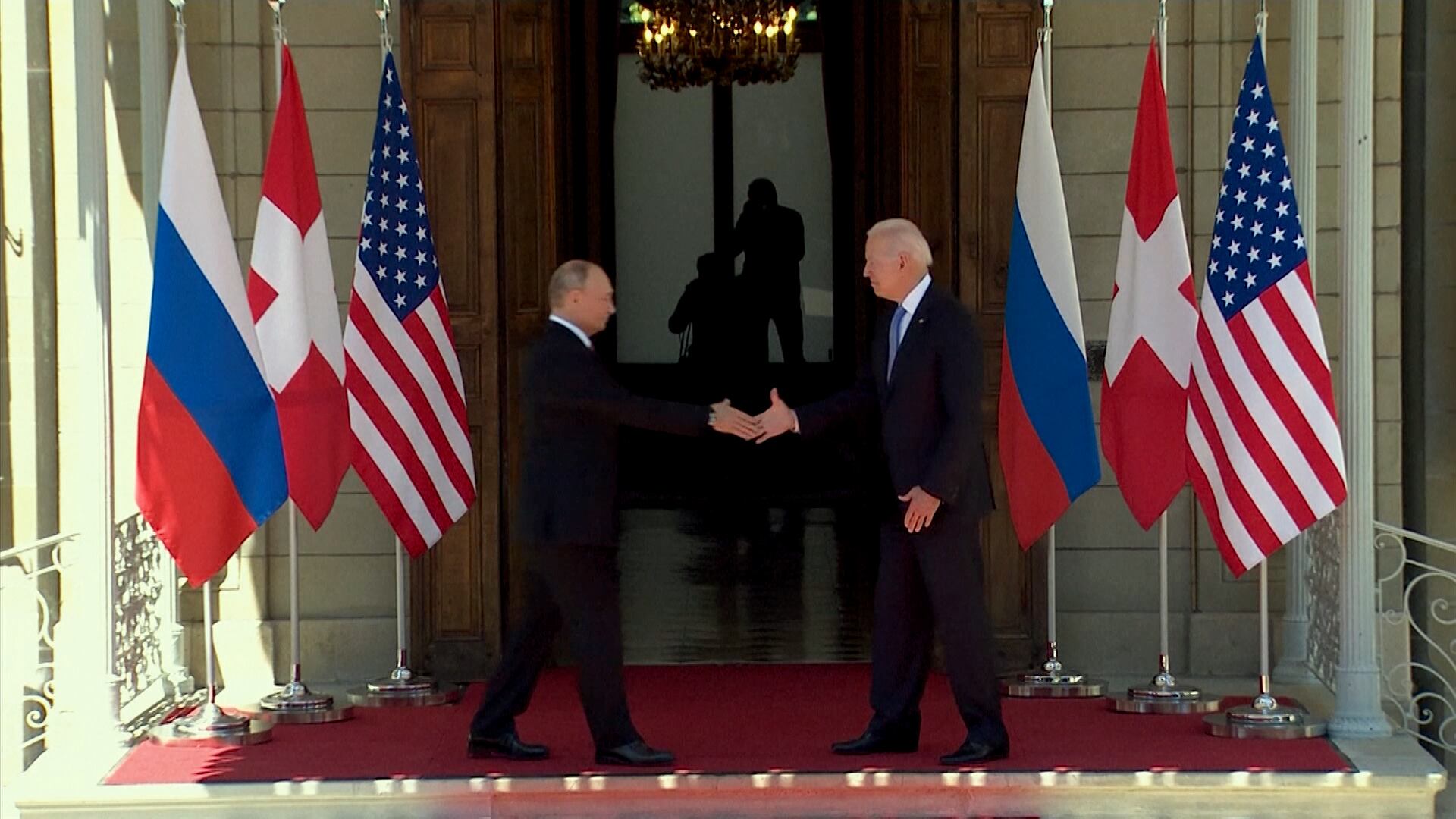
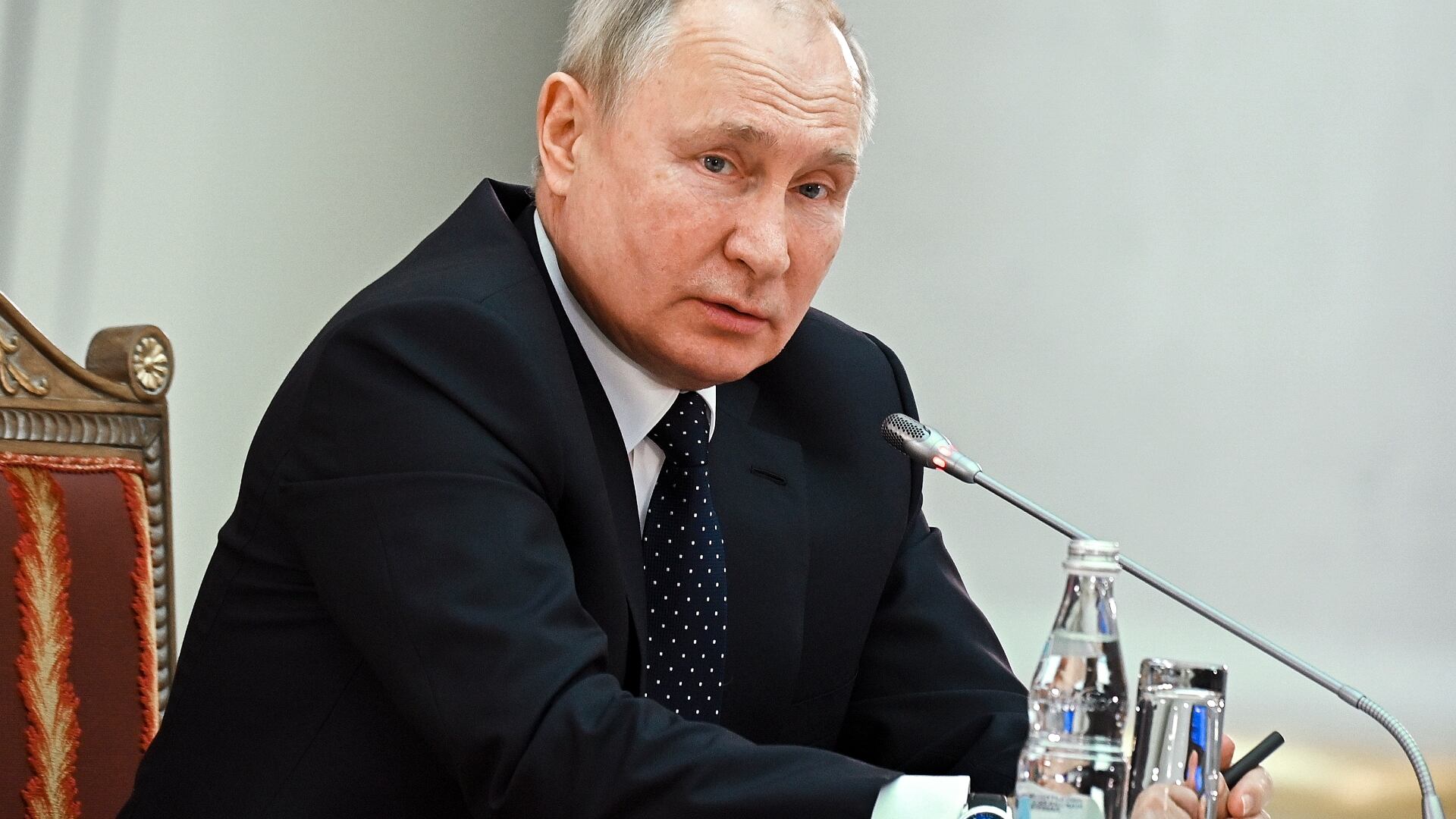
Matt Hayden, vice president of govtech solutions at Exiger and a former assistant secretary of cyber at Department of Homeland Security, joined Cheddar to discuss the surprise phone call initiated by Russian President Vladimir Putin to President Joe Biden, ahead of January security talks about the rising tensions over Ukraine. "We're hoping to hear that we're able to talk about the aggression and the leadup of the Ukrainian militarization," Hayden said. "But we're also looking to hear is how the Kremlin leveraged their talking points to try to test their negotiation stance with the United States leading into this January 10th meeting."
The No Surprises Act begins implementation on January 1, 2022. The legislation is meant to curb the practice of unexpected billing for care from providers the patient was unaware were out-of-network from their insurance. Patricia Kelmar, director of health care campaigns for U.S. PIRG joined Cheddar to describe the hundreds, sometimes thousands, of dollars charged to unsuspecting patients and how things will change under the new law. "If we are picking an in-network doctor and an in-network hospital, we should not see those added costs from anesthesiologists, radiologists, scrub-in surgeons," she said. "The other area it protects you is in air ambulances — not ground ambulances, unfortunately — but the helicopters or the airplanes you might need to transport you in an emergency situation."
President Joe Biden and Russian President Vladmir Putin are expected to have another conversation surrounding escalating tensions between Russia and Ukraine. Ariel Cohen, senior fellow at the Atlantic Council, joined Cheddar's Ken Buffa to discuss the ongoing tensions and why Putin's request for a conversation with Biden comes now. "This is very serious. This is the worst security crisis we had since the collapse of the Soviet Union," Cohen told Cheddar.
Stocks closed mixed on Wednesday, but two indexes - the Dow and the S&P 500 - ended the session with a new record. Akshata Bailkeri, Equity Analyst at Bruderman Asset Management, joins Cheddar News' Closing Bell, where she says there is a consensus for robust consumer spreading in 2022, especially as the Omicron variant is proving to be milder than other COVID-19 strains.