The Biden administration is set to boost the health standards of meals provided in public schools across the U.S.
The plan is to reduce the amount of sugars, salt and fat used to prepare foods for meals like school lunch and breakfast. It's a similar plan to that of the Obama administration's Health, Hunger Free Kids Act, which required schools to provide more fruits, veggies, whole grains and fat free or low fat milks.
Agriculture Secretary Tom Vilsack said raising the nutritional standards of school meals is key to children's overall success.
"This is a national security imperative. It's a healthcare imperative for our children. It's an equity issue. It's an educational achievement issue. And it's an economic competitiveness issue," he said.
The new rules are set to roll out over the next several years with the hope that by 2024, 80 percent of grains in schools will be whole.
"School meals happen to be the meals with the highest nutritional value of any meal that children can get outside the home," Vislack said.
However, the plan to increase the health benefits of foods for youth is not universally shared. Advocates for the dairy industry say they are concerned. Some school officials also say the rolled back ingredients will limit which food menu options, which could ultimately push students toward less healthier options.
"Most districts allow students to leave campus. They'll be hitting the convenience stores, the fast-food restaurants," Michael Gasper, nutrition services supervisor for Holmen, Wisconsin school district, said.
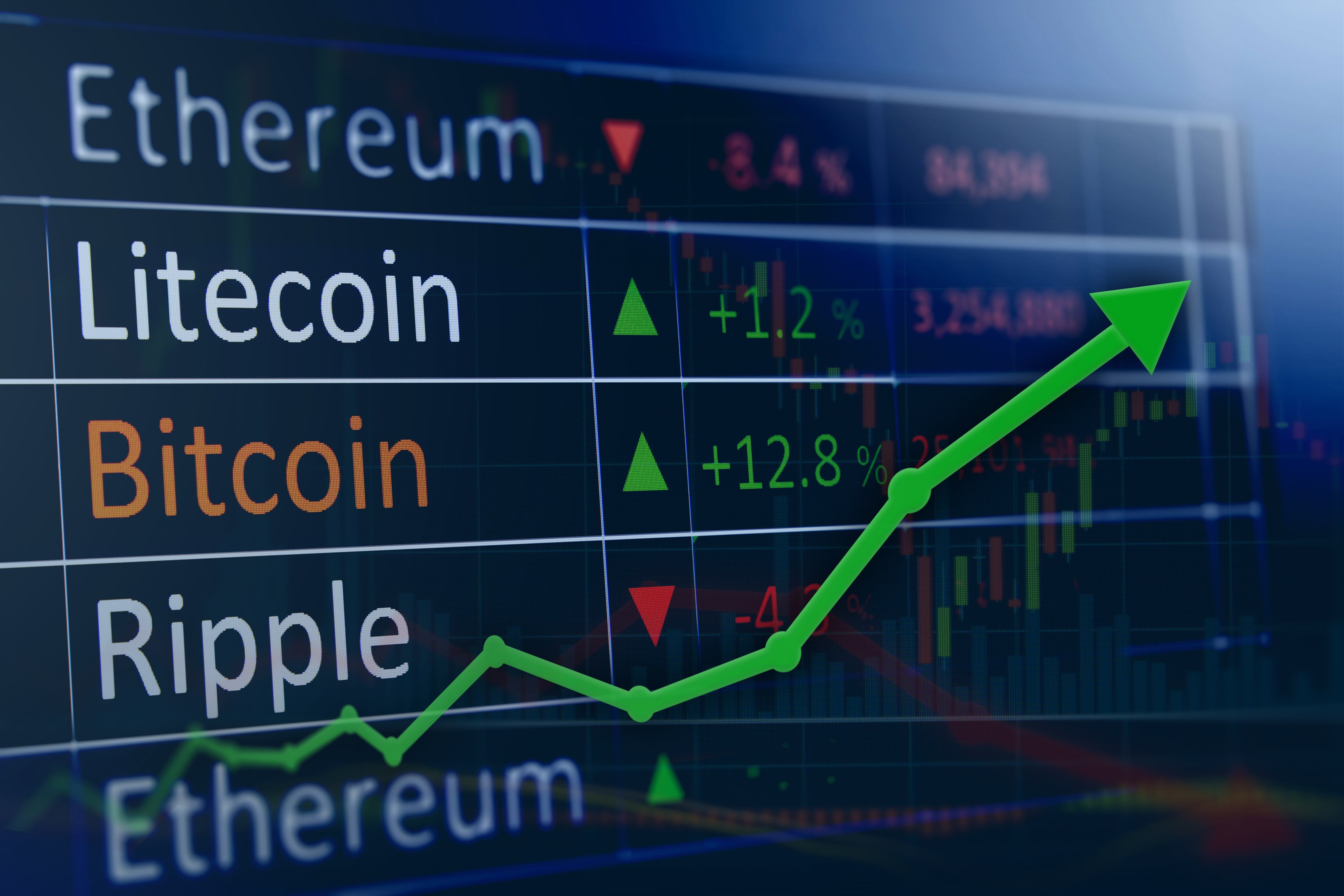
Paul Johnson, partner at Harbor Peak, said regulators are nervous about being interpreted as backing crypto investing. But Bitcoin and Ethereum continue to benefit from widespread user adoption, while other platforms will likely fade away.
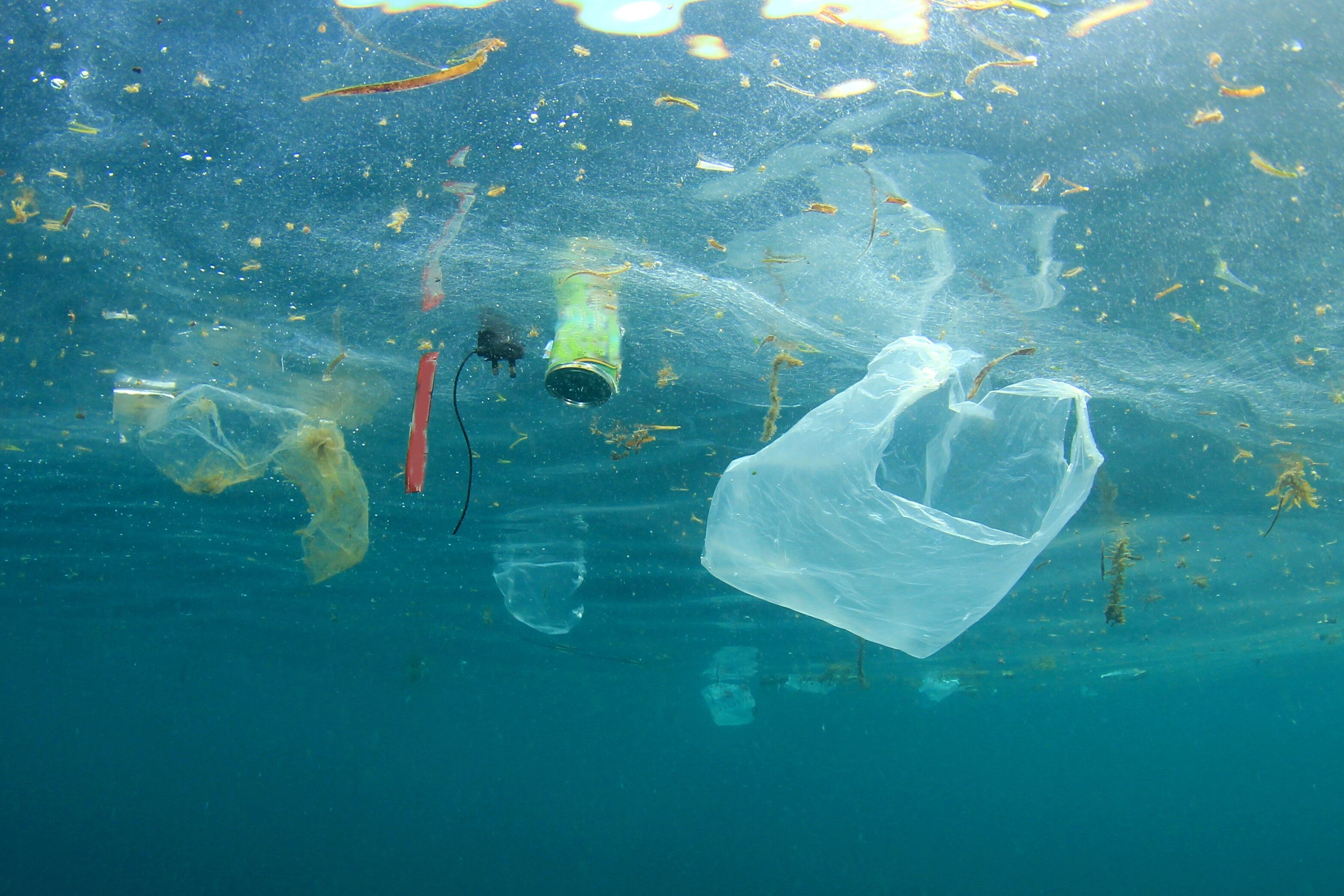
The Endowment for Clean Oceans is holding a contest for anyone with an idea that could remove some of the plastic choking our oceans. Founder Daniel Perrin said there's emerging technology that could help the process, and he wants to jumpstart it.
These are the headlines you Need 2 Know.
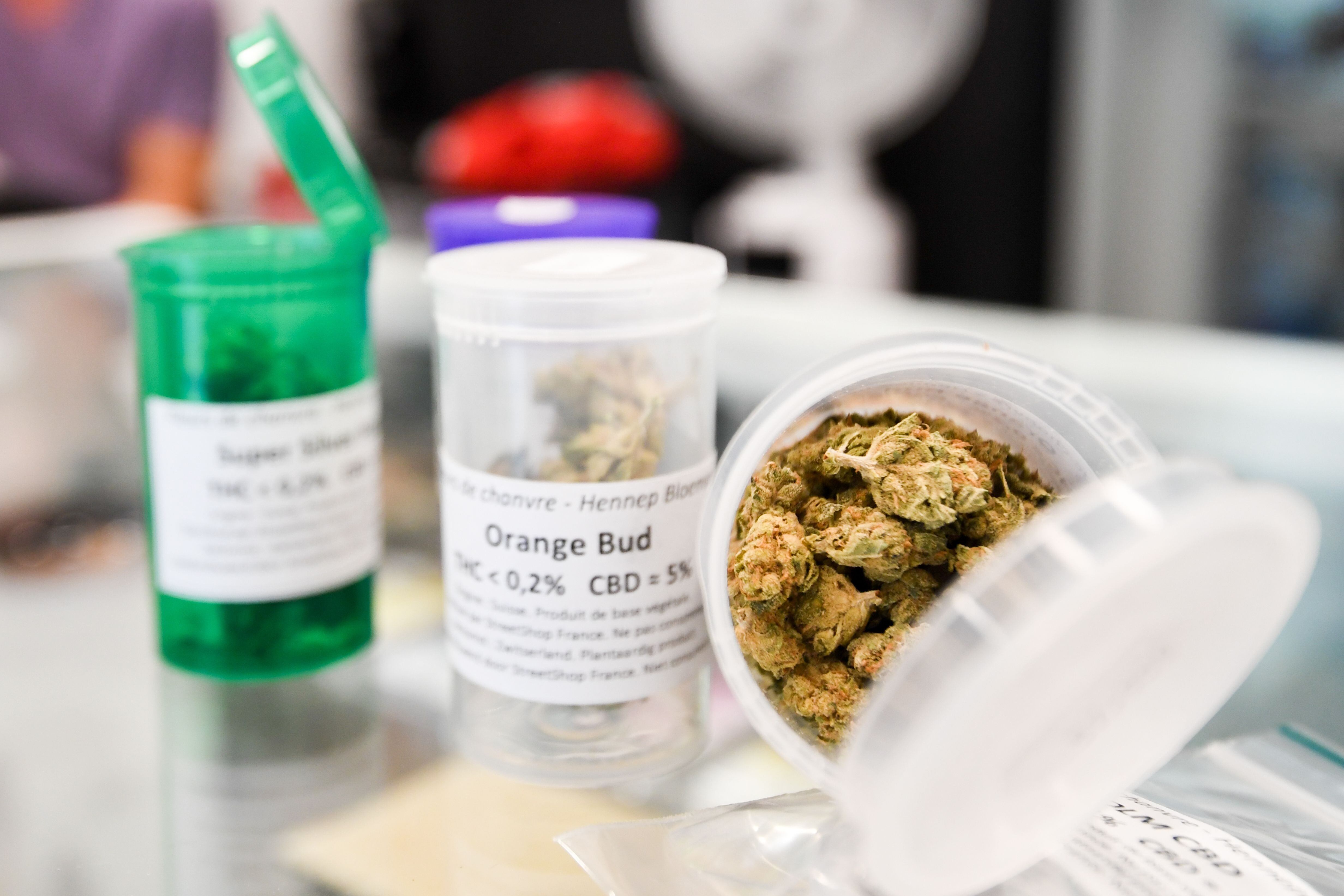
The red-hot cannabis market is not sustainable as is, according to industry analyst Matt Karnes. But that doesn't mean it isn't a great long-term story.
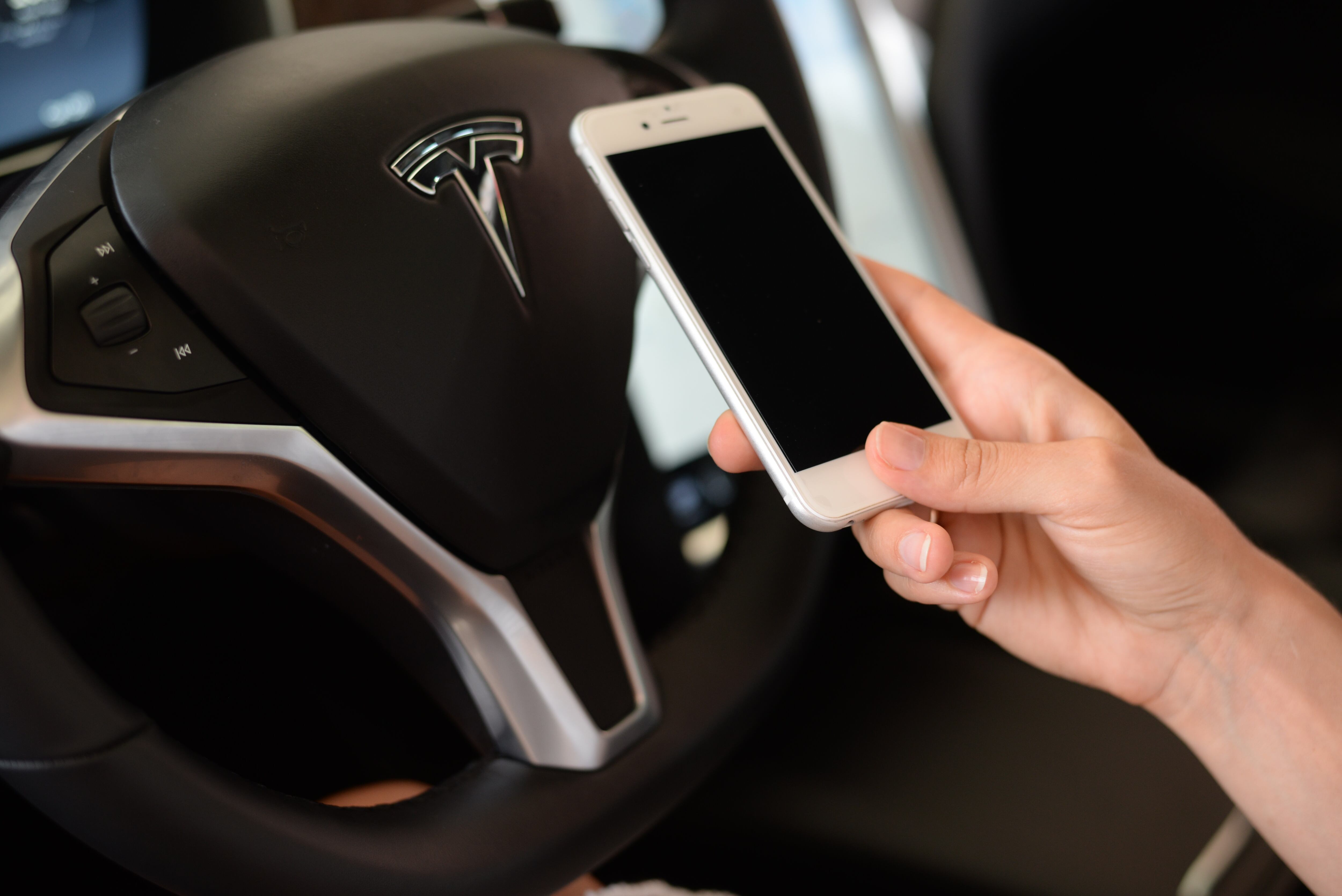
Gene Munster thinks so. The managing partner at Loup Ventures said Tim Cook could help rein in the ambitions of Elon Musk. But a merger won't be likely unless Tesla runs into real financial troubles.
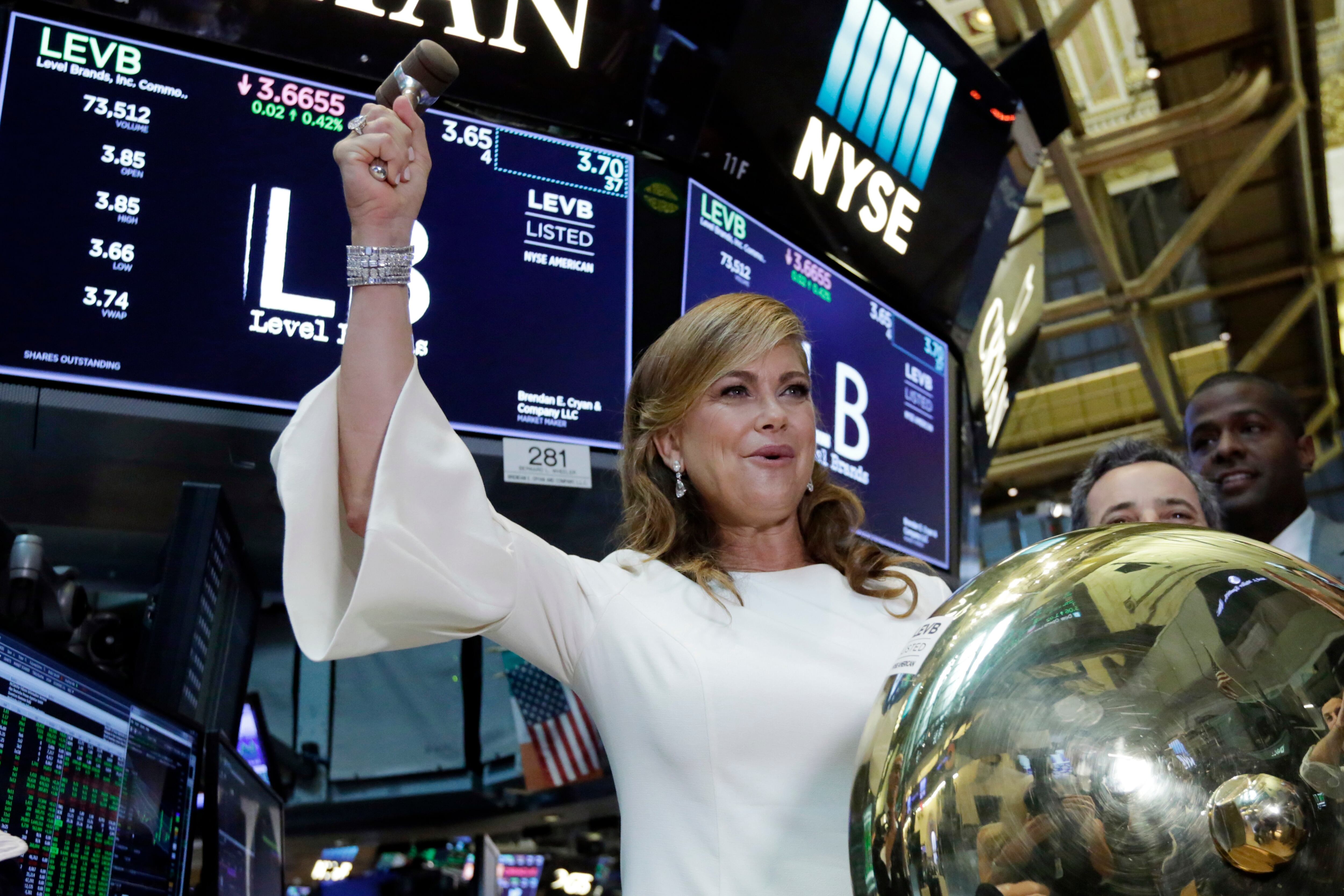
Kathy Ireland, Chief Brand Strategist of Level Brands, spoke with Cheddar about her company's dive into the CBD market. Shares of cannabis companies have been soaring as momentum grows for wide marijuana legalization.
These are the headlines you Need 2 Know.
AIEQ is the first ETF to apply artificial intelligence throughout the investment process, using social media and news trends in addition to taking information from the stock market. Art Amador of EquBot explains how A.I. can help investors make better decisions.
As Hurricane Lane churns toward the Hawaiian islands, Axios science editor Andrew Freedman said the state needs to get used to a future where it sees more storms.
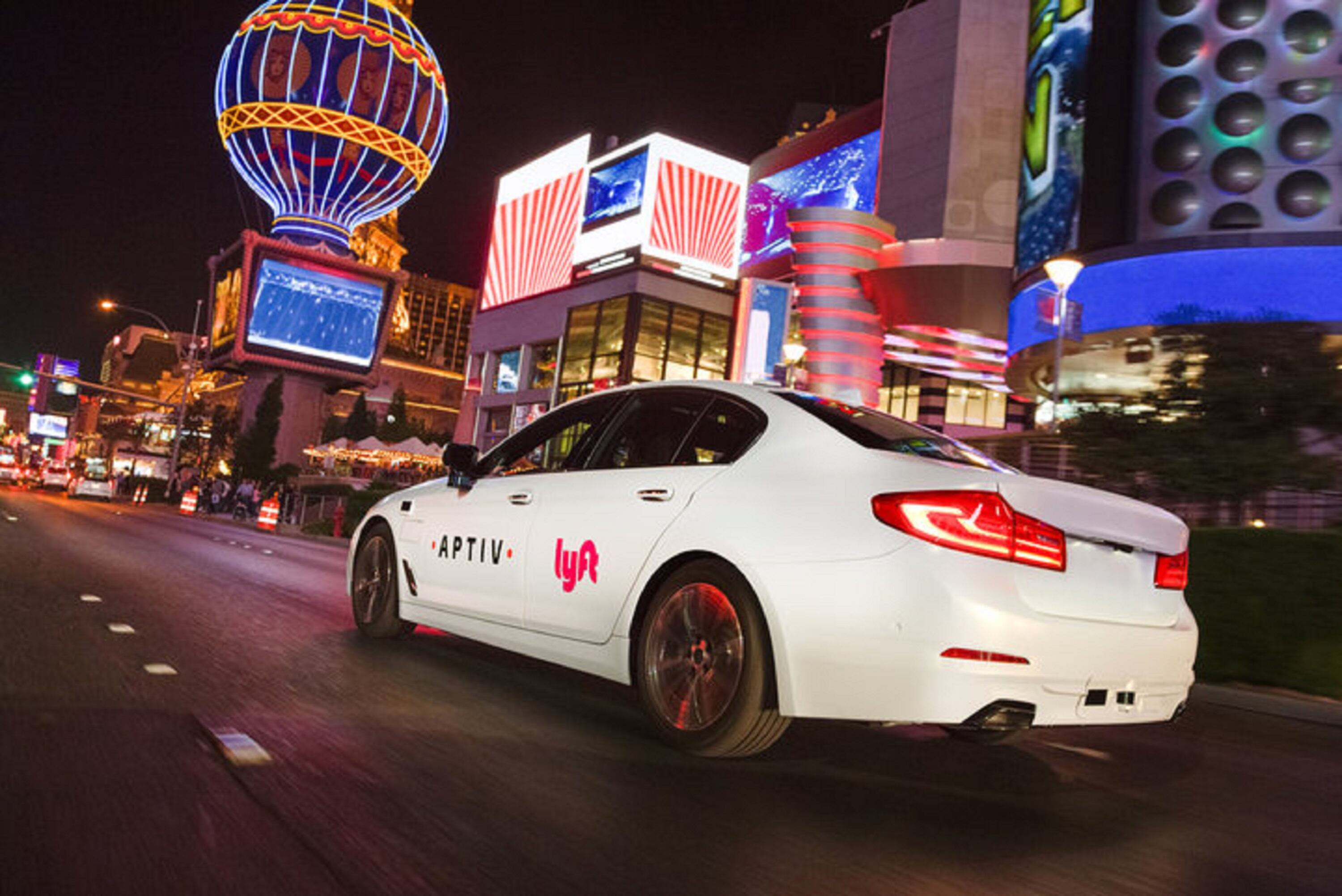
Lyft says it has completed 5,000 rides in its autonomous vehicle pilot program in Las Vegas. Taggart Matthiesen, the company's head of product, told Cheddar that customers are starting to acclimate to the idea of a self-driving ride, but it will be a while before safety drivers are unnecessary.