The Biden administration is set to boost the health standards of meals provided in public schools across the U.S.
The plan is to reduce the amount of sugars, salt and fat used to prepare foods for meals like school lunch and breakfast. It's a similar plan to that of the Obama administration's Health, Hunger Free Kids Act, which required schools to provide more fruits, veggies, whole grains and fat free or low fat milks.
Agriculture Secretary Tom Vilsack said raising the nutritional standards of school meals is key to children's overall success.
"This is a national security imperative. It's a healthcare imperative for our children. It's an equity issue. It's an educational achievement issue. And it's an economic competitiveness issue," he said.
The new rules are set to roll out over the next several years with the hope that by 2024, 80 percent of grains in schools will be whole.
"School meals happen to be the meals with the highest nutritional value of any meal that children can get outside the home," Vislack said.
However, the plan to increase the health benefits of foods for youth is not universally shared. Advocates for the dairy industry say they are concerned. Some school officials also say the rolled back ingredients will limit which food menu options, which could ultimately push students toward less healthier options.
"Most districts allow students to leave campus. They'll be hitting the convenience stores, the fast-food restaurants," Michael Gasper, nutrition services supervisor for Holmen, Wisconsin school district, said.
These are the headlines you Need 2 Know for Monday, January 27, 2020.
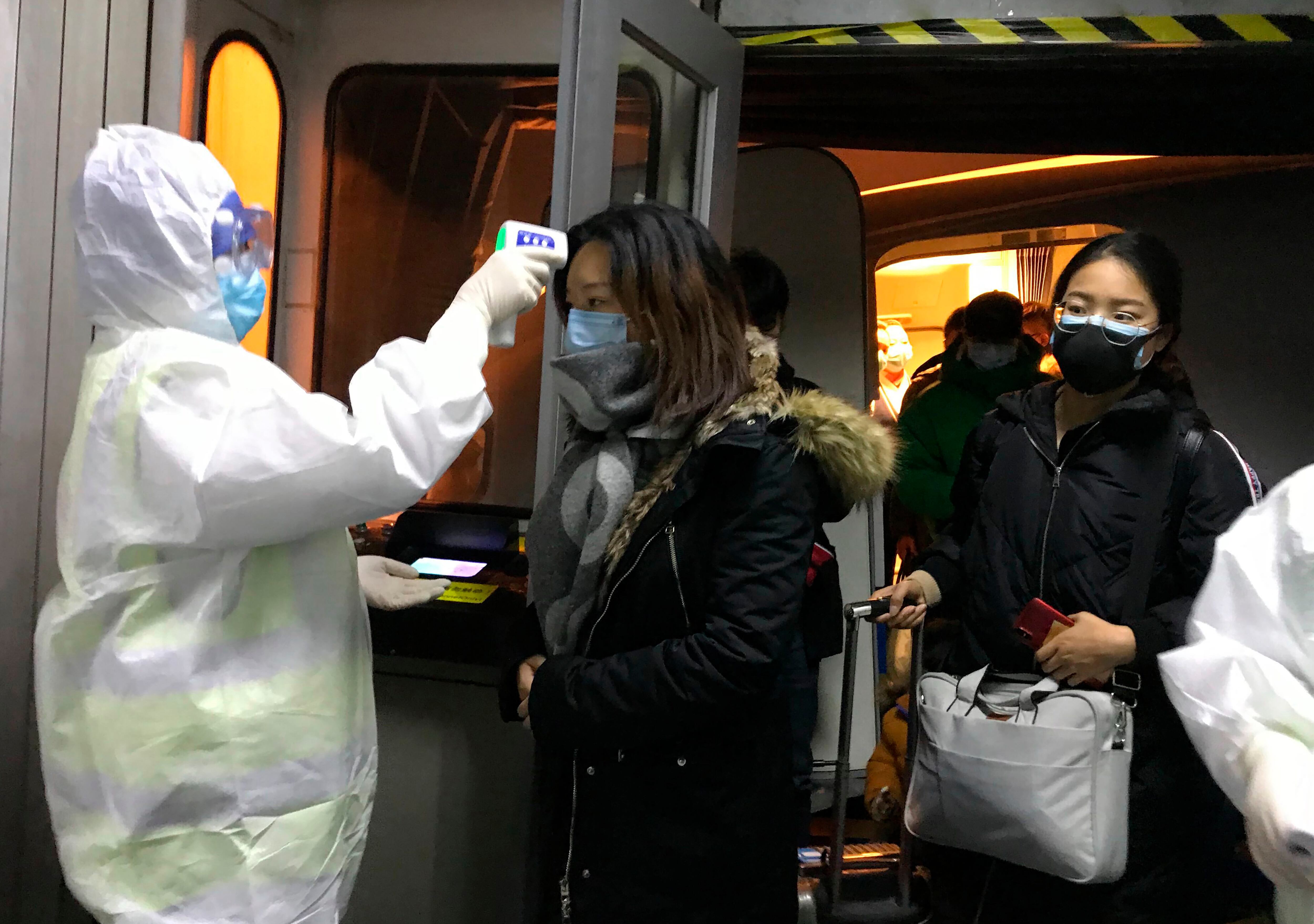
Health officials say woman returned from a trip to China on Jan. 13 without showing any signs of illness, but a few days later she called her doctor to report feeling sick.
Dr. Didier Houssin, emergency committee chair, told journalists on Thursday that it was too early to declare a public health emergency due to a "limited" number of cases and the ongoing containment efforts by Chinese authorities.
Steven Mnuchin says Swedish climate activist Greta Thunberg is in no position to give economic advice until she goes to college and comes out with an economics degree.
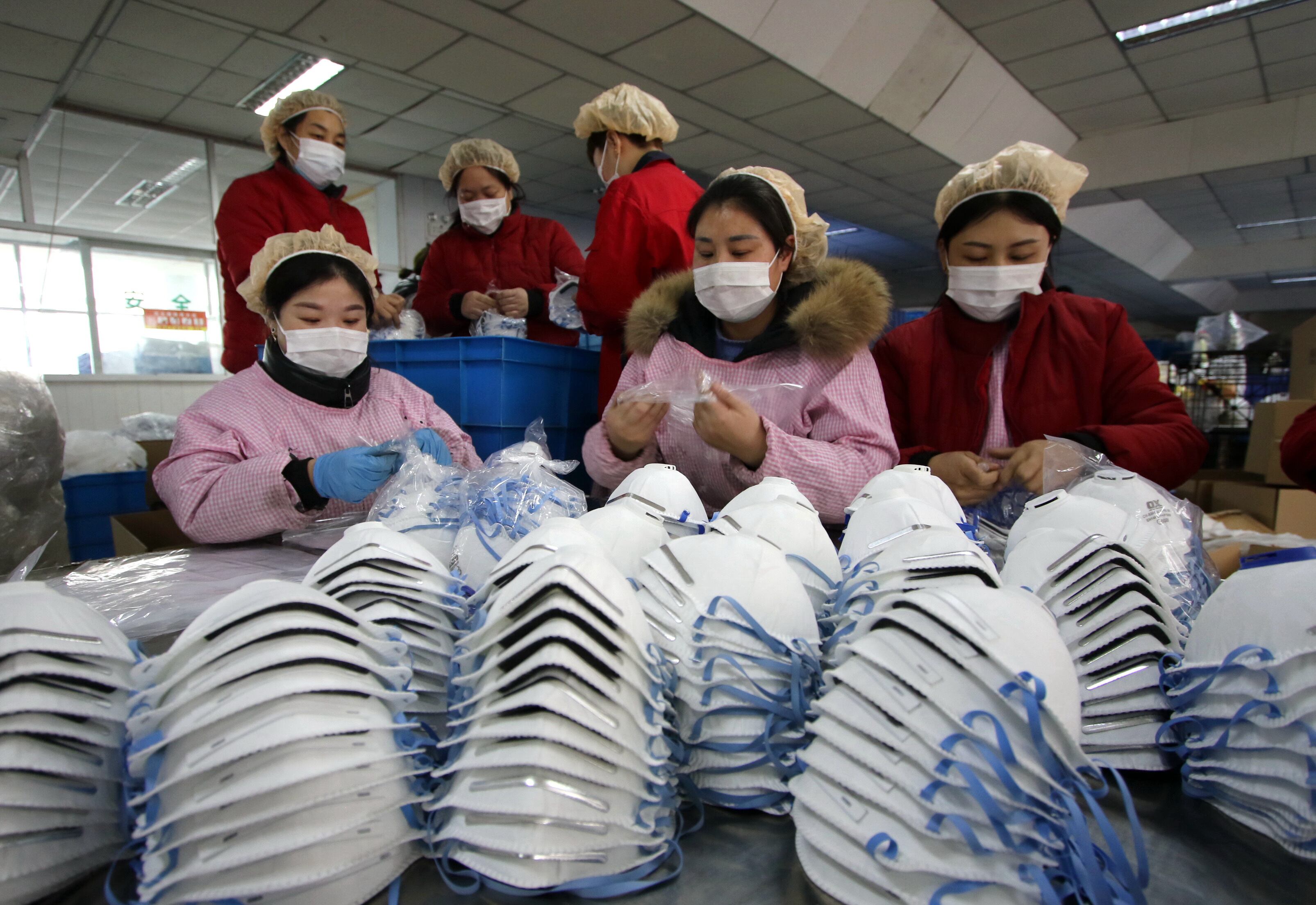
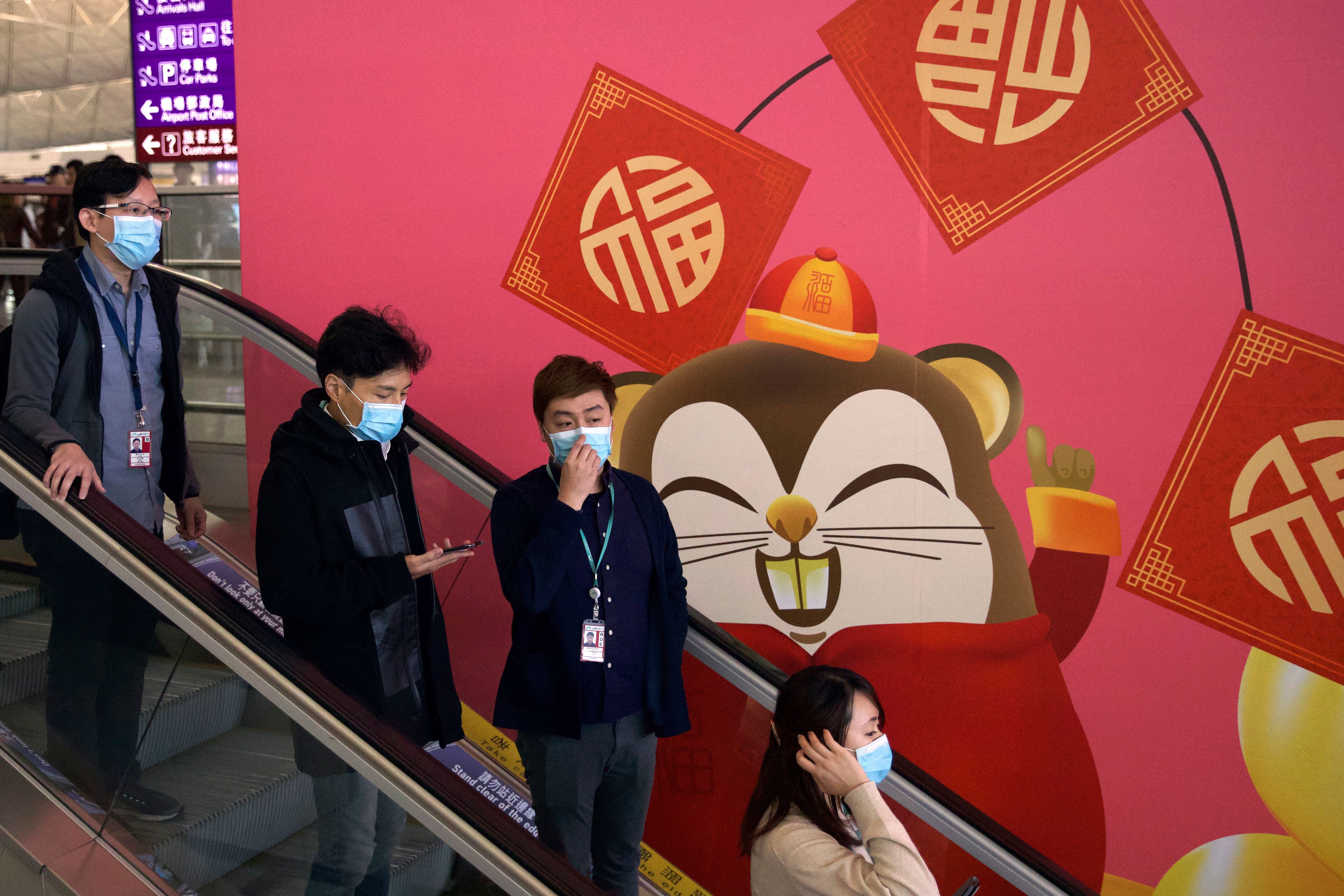
Chinese authorities Thursday moved to lock down three cities with a combined population of more than 18 million people in an unprecedented effort to contain the deadly new virus that has sickened hundreds and spread to other parts of the world during the busy Lunar New Year travel period.
The Special Initiative for Offshore Wind, a research and advocacy organization at the University of Delaware, and the American Wind Energy Association, a trade group, hope to solicit comments and concerns from potential critics.
These are the headlines you Need 2 Know for Thursday, January 23, 2020.
Chinese health authorities urged people in the city of Wuhan to avoid crowds and public gatherings, after warning that a new viral illness that has infected more than 400 people and killed at least 17 could spread further.
These are the headlines you Need 2 Know for Wednesday, January 22, 2020.
A U.S. citizen who recently returned from a trip to central China has been diagnosed with the new virus.