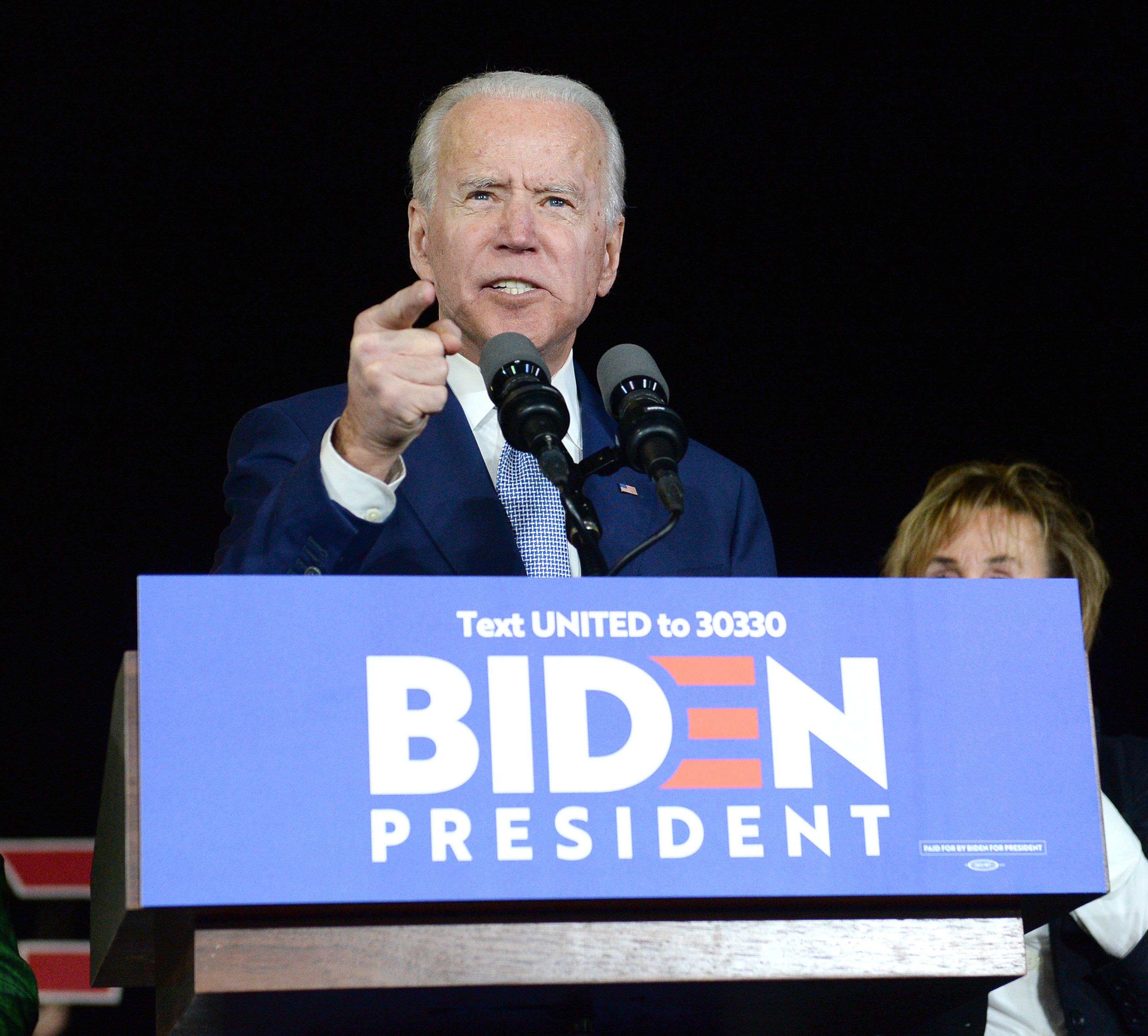
The Biden administration is set to boost the health standards of meals provided in public schools across the U.S.
The plan is to reduce the amount of sugars, salt and fat used to prepare foods for meals like school lunch and breakfast. It's a similar plan to that of the Obama administration's Health, Hunger Free Kids Act, which required schools to provide more fruits, veggies, whole grains and fat free or low fat milks.
Agriculture Secretary Tom Vilsack said raising the nutritional standards of school meals is key to children's overall success.
"This is a national security imperative. It's a healthcare imperative for our children. It's an equity issue. It's an educational achievement issue. And it's an economic competitiveness issue," he said.
The new rules are set to roll out over the next several years with the hope that by 2024, 80 percent of grains in schools will be whole.
"School meals happen to be the meals with the highest nutritional value of any meal that children can get outside the home," Vislack said.
However, the plan to increase the health benefits of foods for youth is not universally shared. Advocates for the dairy industry say they are concerned. Some school officials also say the rolled back ingredients will limit which food menu options, which could ultimately push students toward less healthier options.
"Most districts allow students to leave campus. They'll be hitting the convenience stores, the fast-food restaurants," Michael Gasper, nutrition services supervisor for Holmen, Wisconsin school district, said.
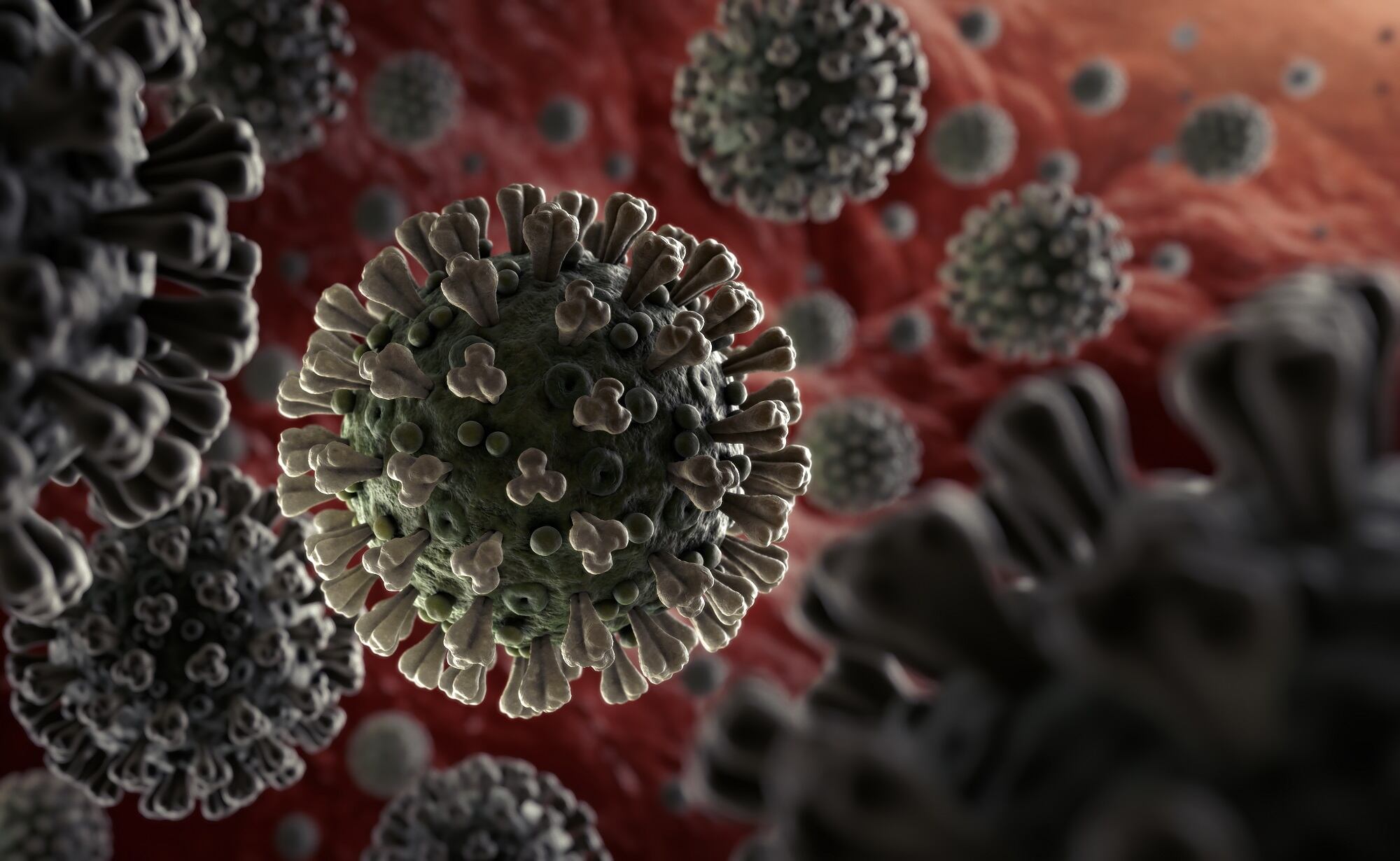
The U.S. death toll from the coronavirus climbed to 11 on Wednesday with a victim succumbing in California — the nation's first reported fatality outside Washington state — as officials, schools and businesses came under pressure to respond more aggressively to the outbreak.
The company known for home thermostats said it will release "the most powerful quantum computer yet" within the next three months.
These are the headlines you Need 2 Know for Wednesday, March 4, 2020.
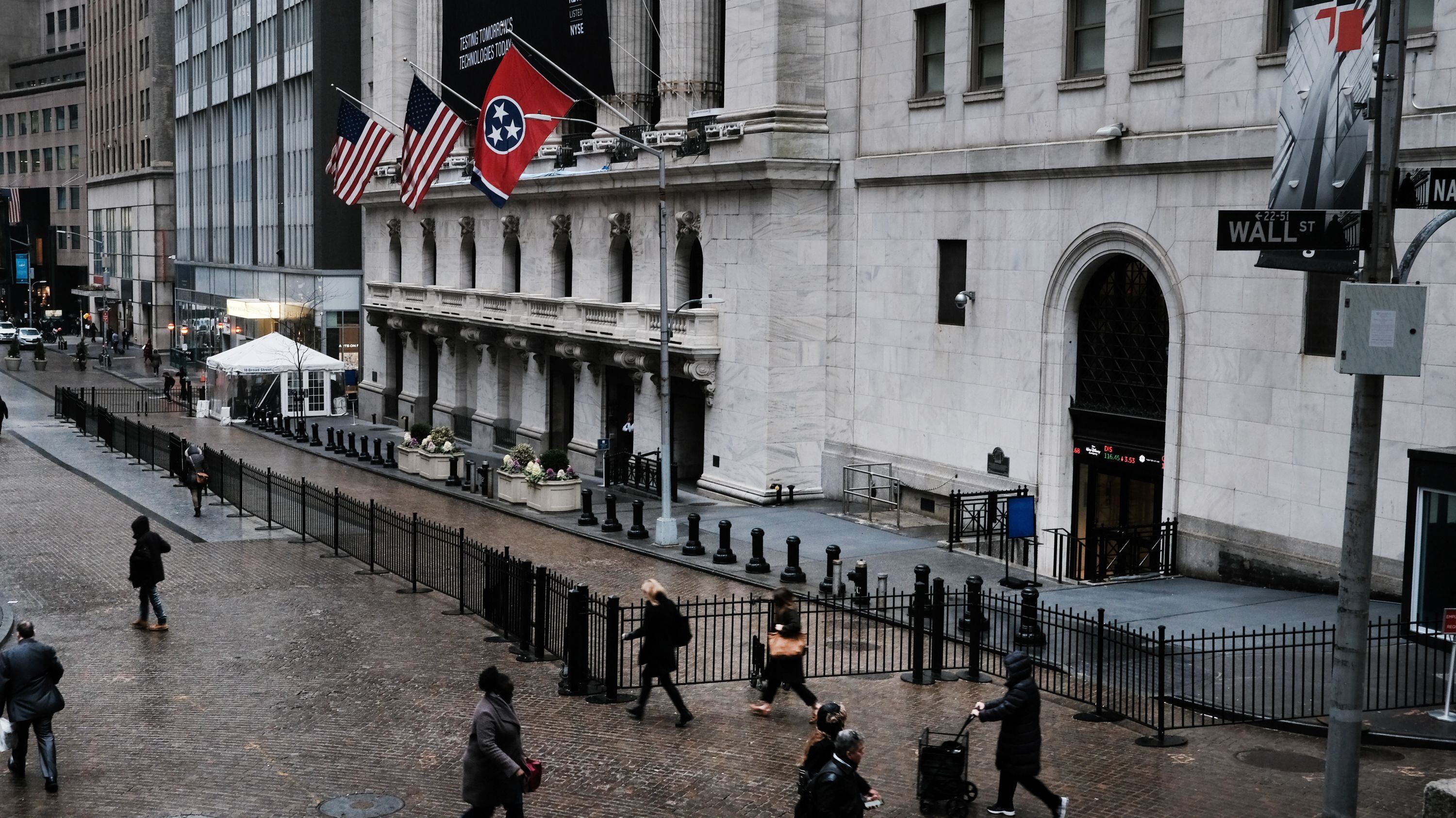
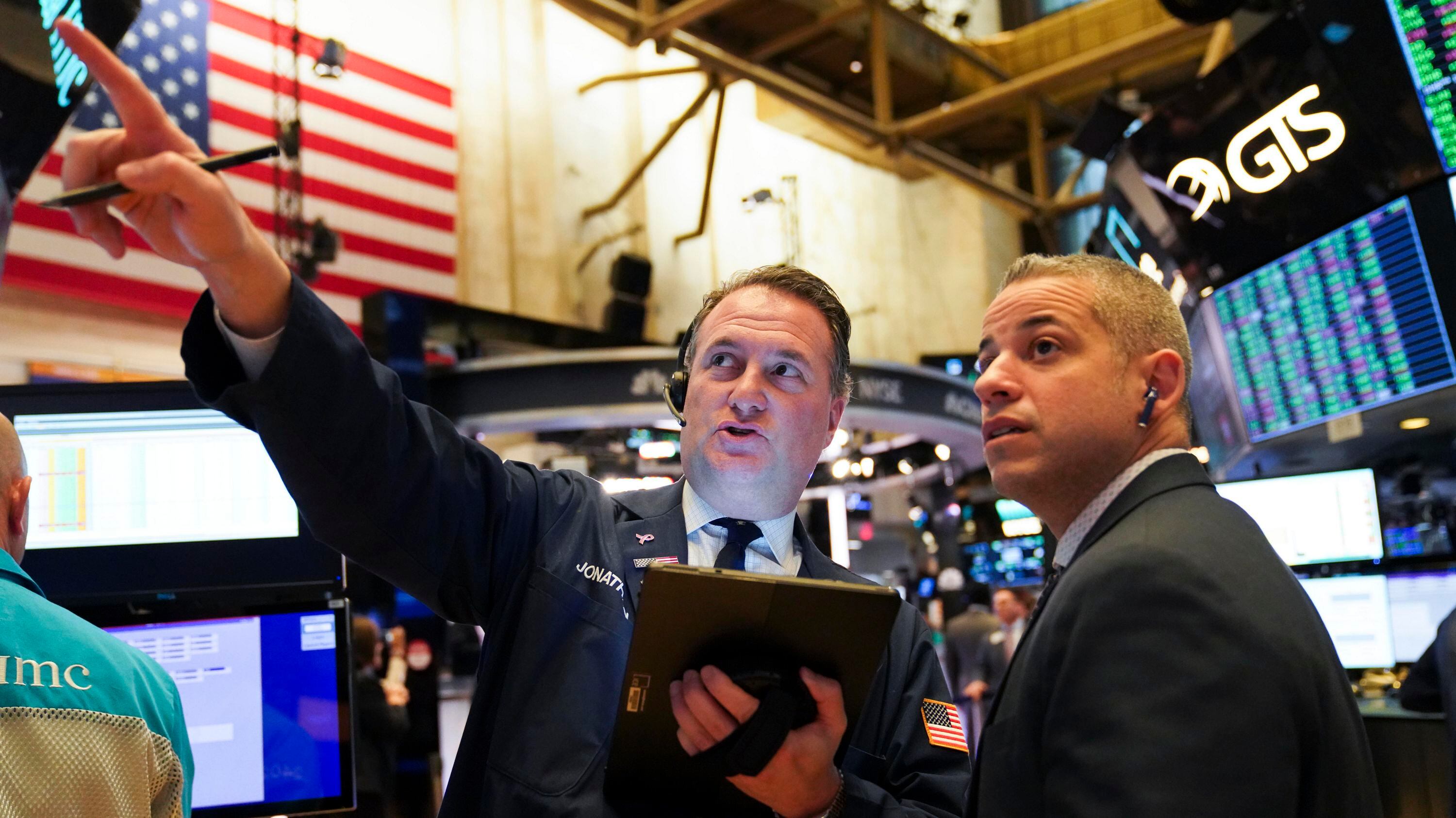
The Dow Jones Industrial Average dropped 785 points and bond prices surged after an emergency interest-rate cut by the Federal Reserve failed to reassure markets racked by worries that a fast-spreading virus outbreak could lead to a recession.
HotelPlanner CEO Tim Hentschel told Cheddar that the travel industry is taking the worst hit it has seen in nearly two decades thanks to the coronavirus outbreak paralyzing multiple countries.
Stocks are whipping up and down after the Federal Reserve swooped into the market with an emergency rate cut in hopes of shielding the economy from the effects of the fast-spreading virus. Tuesday's surprise move gave stocks a strong, brief boost, but it took just 15 minutes for the gains to evaporate.
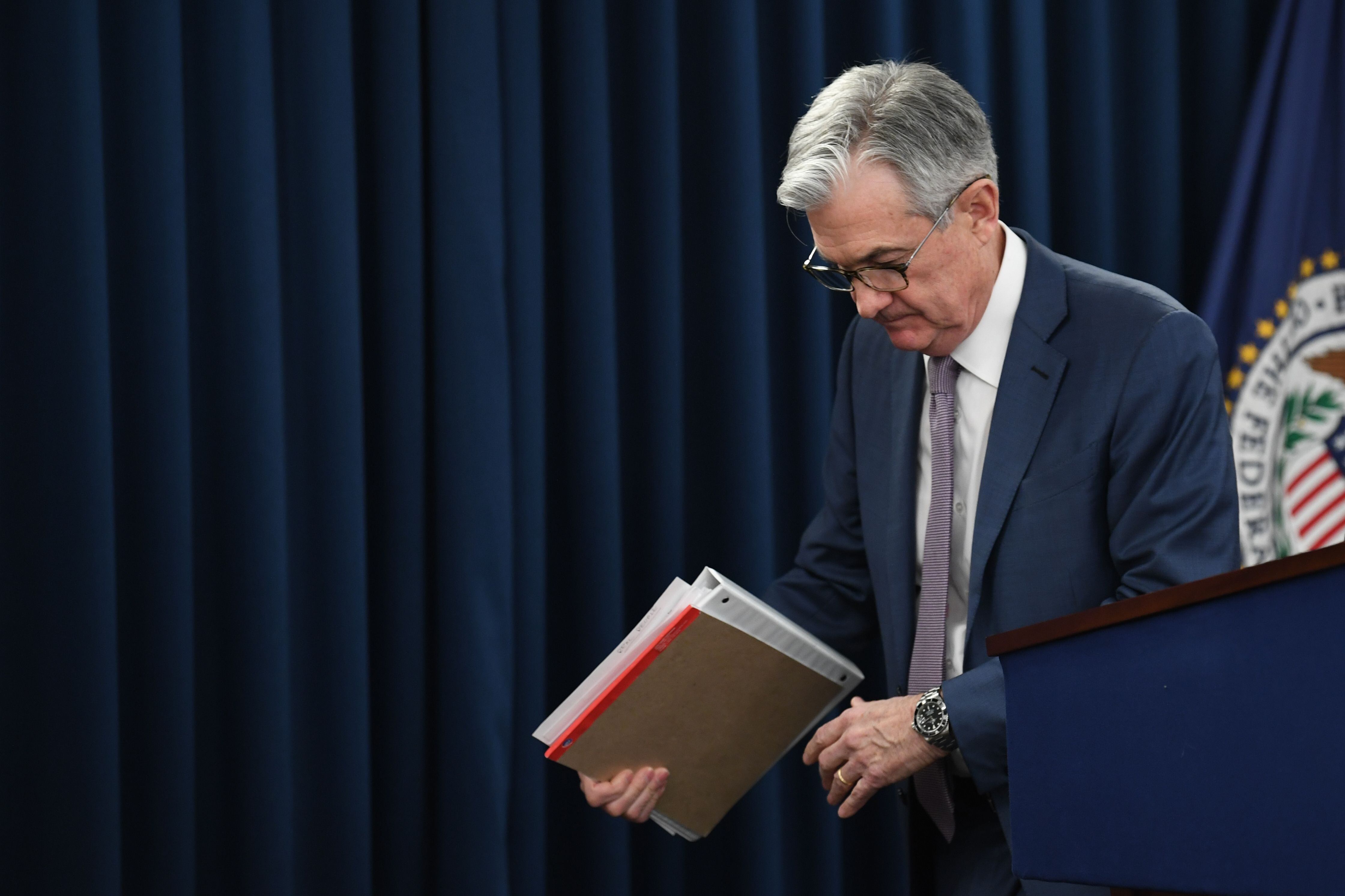
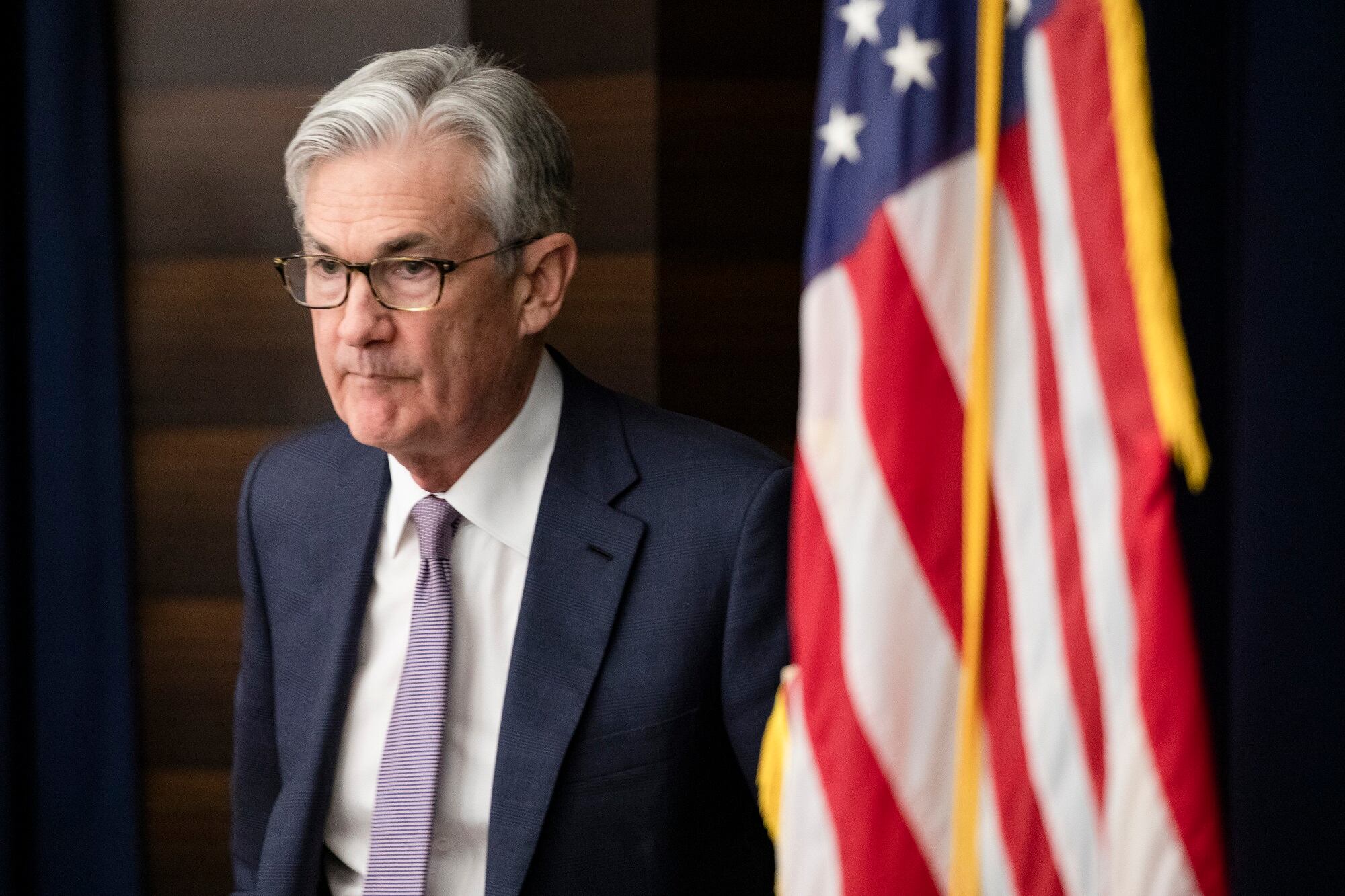
Chairman Jerome Powell said at a news conference that the virus “will surely weigh on economic activity both here and abroad for some time.” It was the Fed's first rate cut since last year, when it reduced its key short-term rate three times.
The Federal Reserve will cut interest rates by a half-percentage point in its first emergency rate cut since the Great Recession in response to the spreading coronavirus.
These are the headlines you Need 2 Know for Tuesday, March 3, 2020.
These are the headlines you Need 2 Know for Monday, March 2, 2020.