The Biden administration is set to boost the health standards of meals provided in public schools across the U.S.
The plan is to reduce the amount of sugars, salt and fat used to prepare foods for meals like school lunch and breakfast. It's a similar plan to that of the Obama administration's Health, Hunger Free Kids Act, which required schools to provide more fruits, veggies, whole grains and fat free or low fat milks.
Agriculture Secretary Tom Vilsack said raising the nutritional standards of school meals is key to children's overall success.
"This is a national security imperative. It's a healthcare imperative for our children. It's an equity issue. It's an educational achievement issue. And it's an economic competitiveness issue," he said.
The new rules are set to roll out over the next several years with the hope that by 2024, 80 percent of grains in schools will be whole.
"School meals happen to be the meals with the highest nutritional value of any meal that children can get outside the home," Vislack said.
However, the plan to increase the health benefits of foods for youth is not universally shared. Advocates for the dairy industry say they are concerned. Some school officials also say the rolled back ingredients will limit which food menu options, which could ultimately push students toward less healthier options.
"Most districts allow students to leave campus. They'll be hitting the convenience stores, the fast-food restaurants," Michael Gasper, nutrition services supervisor for Holmen, Wisconsin school district, said.
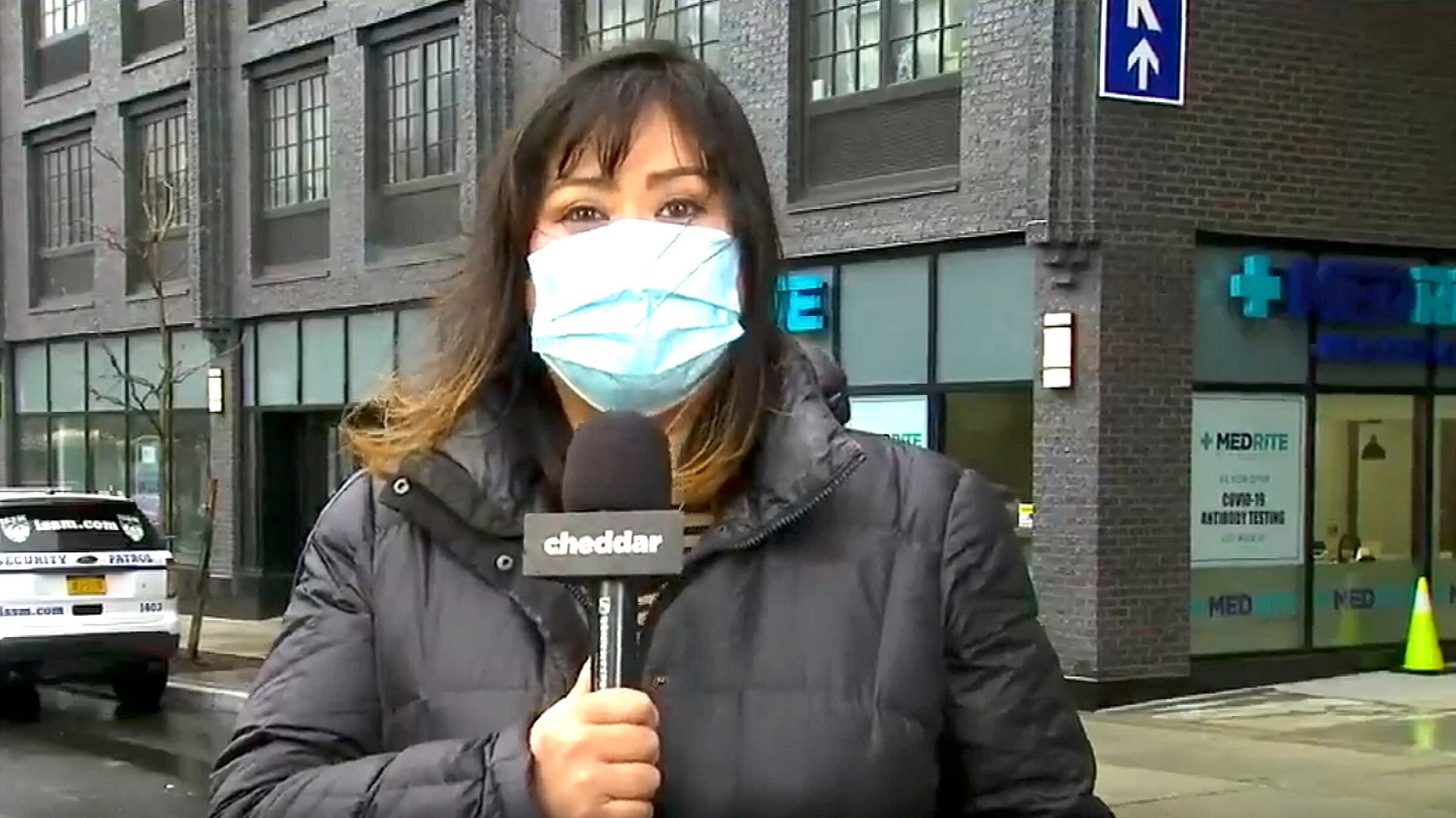
Cheddar's Michelle Castillo follows up on her antibody test, and breaks down why, despite some unavoidable risks, she may have remained coronavirus-free.
One day after saying that the COVID-19 task force would be winding down, President Donald Trump says it would continue on indefinitely, but focus on rebooting the economy.
An Associated Press analysis finds that taking the New York metropolitan area’s progress against the coronavirus out of the equation shows the rest of the U.S. moving in the wrong direction, with the infection rate rising even as states move to lift their lockdowns.
Vice President Mike Pence says the White House coronavirus task force could wind down its work by early June.
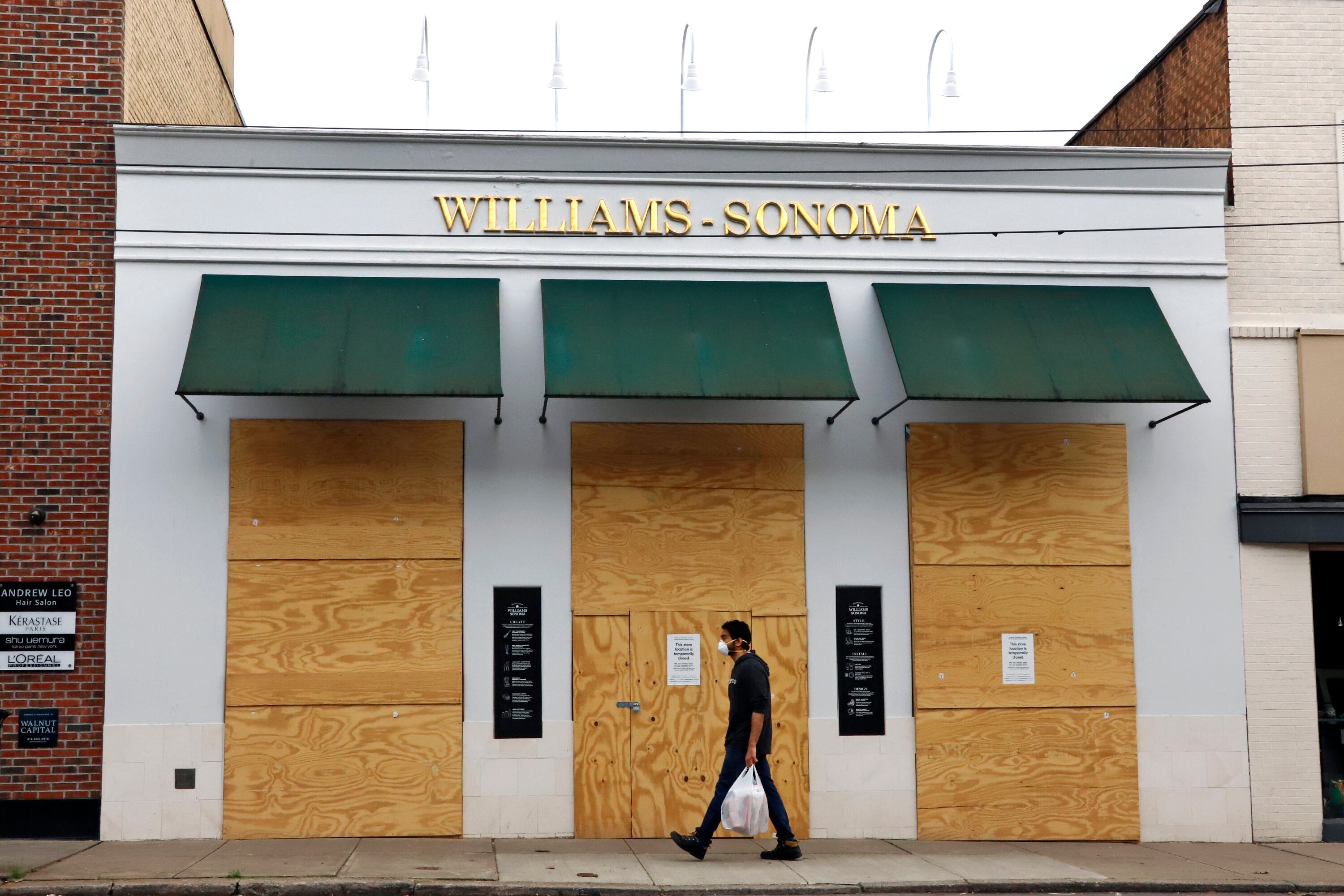
Companies across a wide swath of industries have found ways to give back to communities in their time of need amid the COVID-19 pandemic.
COVID-19 tests look for antibodies, which are proteins the body develops in response to toxic or foreign substances inside the bloodstream.
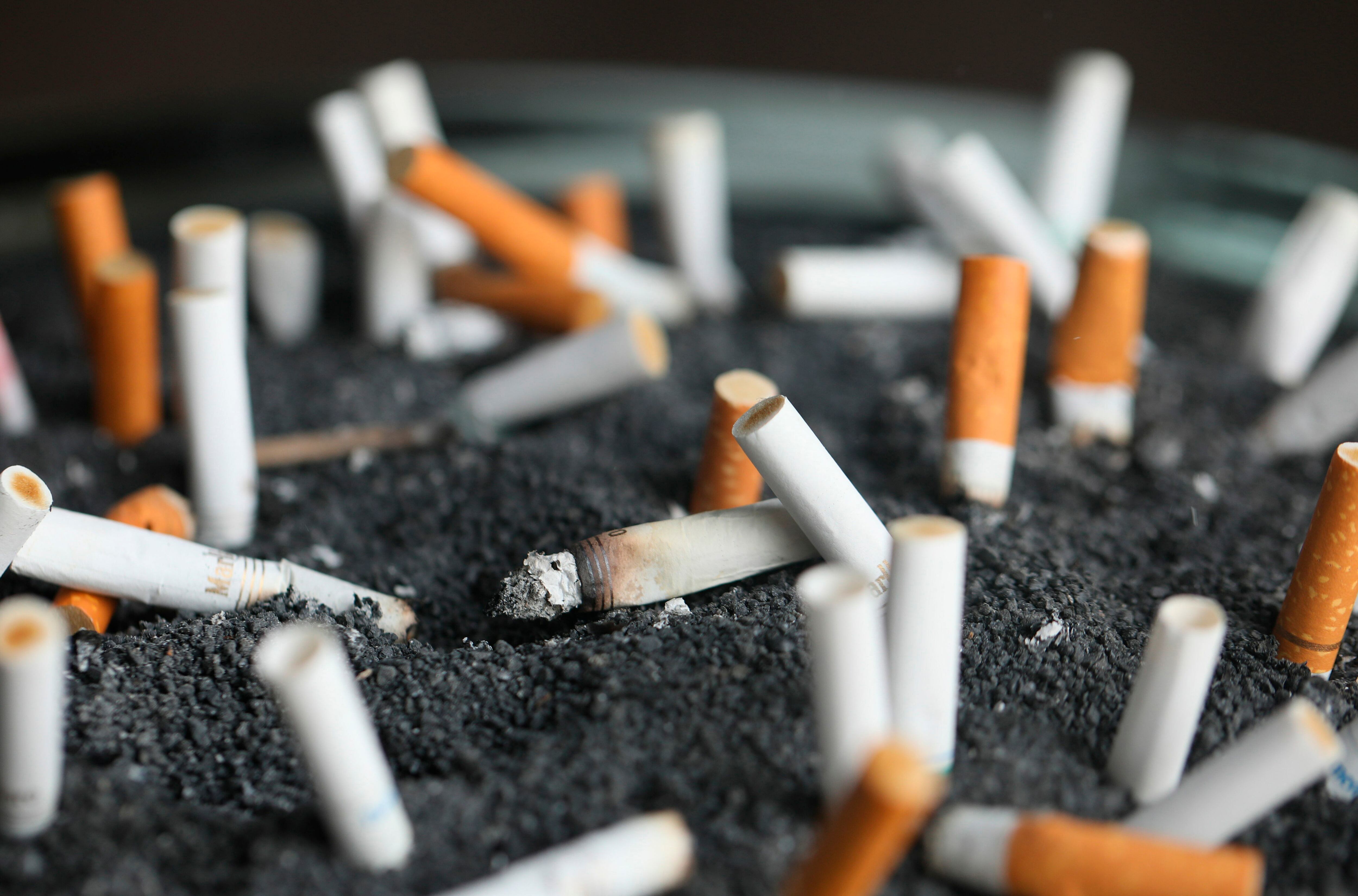
A new study out of a Paris hospital suggests nicotine may help prevent infection and serious illness from coronavirus — but doctors caution against picking up a smoking habit.
From Wall Street to Silicon Valley, these are the top stories that moved markets and had investors, business leaders, and entrepreneurs talking this week on Cheddar.
NASA Administrator Jim Bridenstine announced Thursday the three companies that will develop, build and fly lunar landers, with the goal of returning astronauts to the moon in 2024 and ultimately on to Mars.
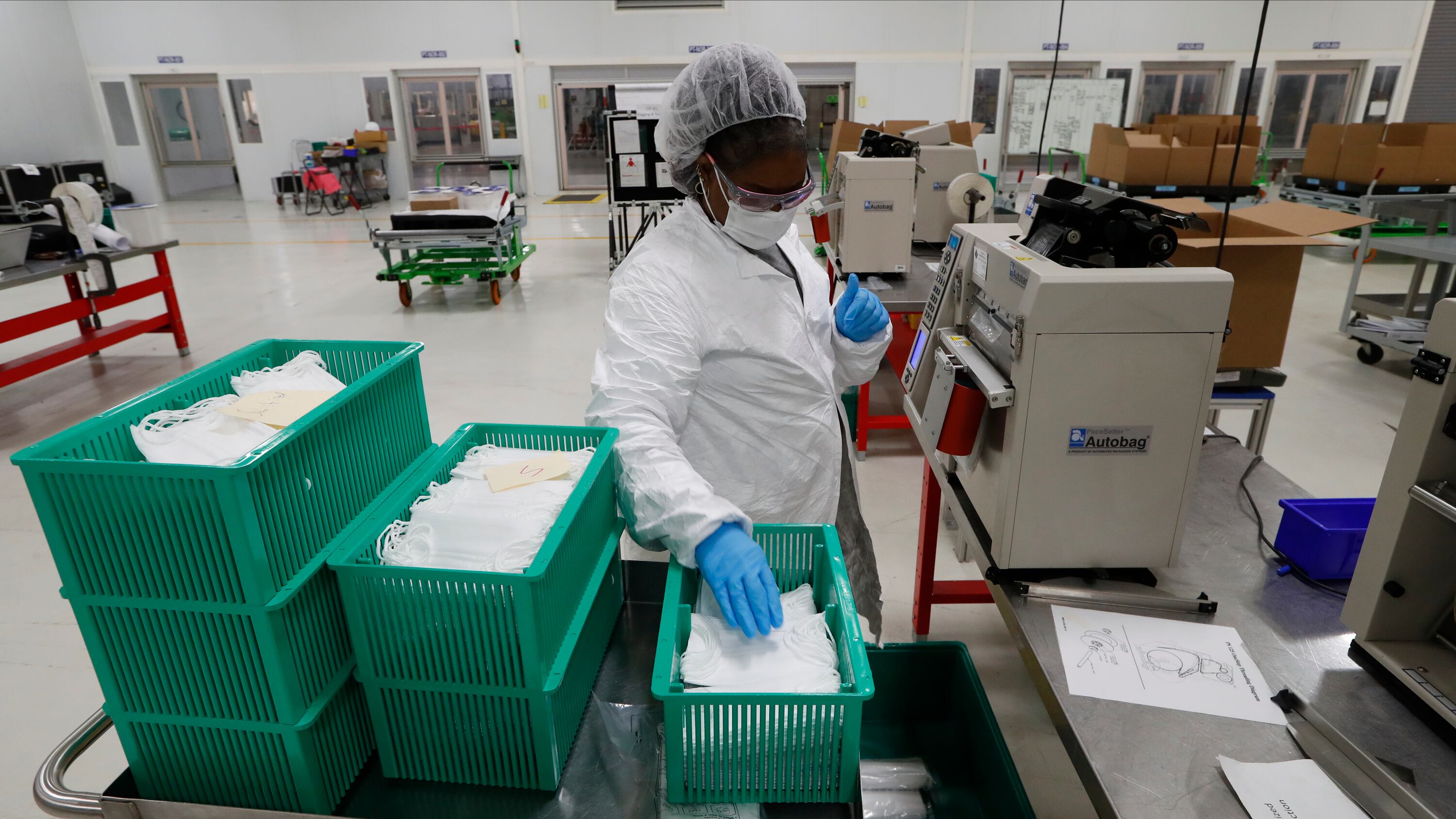
A shortage of personal protective equipment is a critical problem for frontline medical workers and one of the toughest issues the organization is facing, said Thomas Tighe, CEO of Direct Relief.