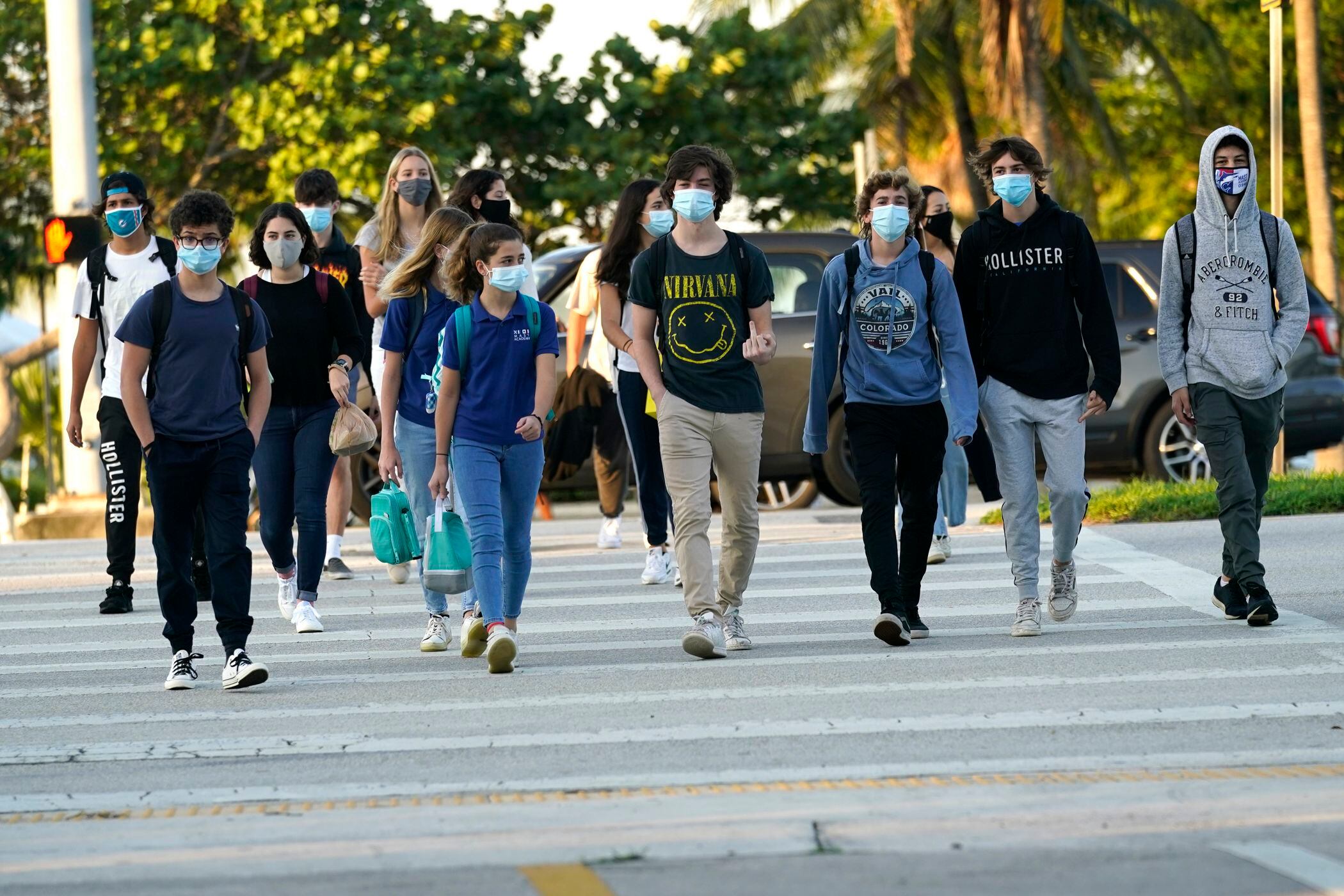
The Biden administration is set to boost the health standards of meals provided in public schools across the U.S.
The plan is to reduce the amount of sugars, salt and fat used to prepare foods for meals like school lunch and breakfast. It's a similar plan to that of the Obama administration's Health, Hunger Free Kids Act, which required schools to provide more fruits, veggies, whole grains and fat free or low fat milks.
Agriculture Secretary Tom Vilsack said raising the nutritional standards of school meals is key to children's overall success.
"This is a national security imperative. It's a healthcare imperative for our children. It's an equity issue. It's an educational achievement issue. And it's an economic competitiveness issue," he said.
The new rules are set to roll out over the next several years with the hope that by 2024, 80 percent of grains in schools will be whole.
"School meals happen to be the meals with the highest nutritional value of any meal that children can get outside the home," Vislack said.
However, the plan to increase the health benefits of foods for youth is not universally shared. Advocates for the dairy industry say they are concerned. Some school officials also say the rolled back ingredients will limit which food menu options, which could ultimately push students toward less healthier options.
"Most districts allow students to leave campus. They'll be hitting the convenience stores, the fast-food restaurants," Michael Gasper, nutrition services supervisor for Holmen, Wisconsin school district, said.
A trio of scientists is championing a controversial alternative to coronavirus lockdowns in a 500-word document called the Great Barrington Declaration, which is stirring up significant backlash from other public health experts.
Panera is doing its part to go green, upgrading its menu options to include the carbon footprint of each item. CEO Niren Chaudhary joined Cheddar to break down food production's link to climate change.
Former NASA astronaut, Scott Kelly provides some insight into the impacts of being isolated, particularly as people around the world experience it amid the coronavirus pandemic.
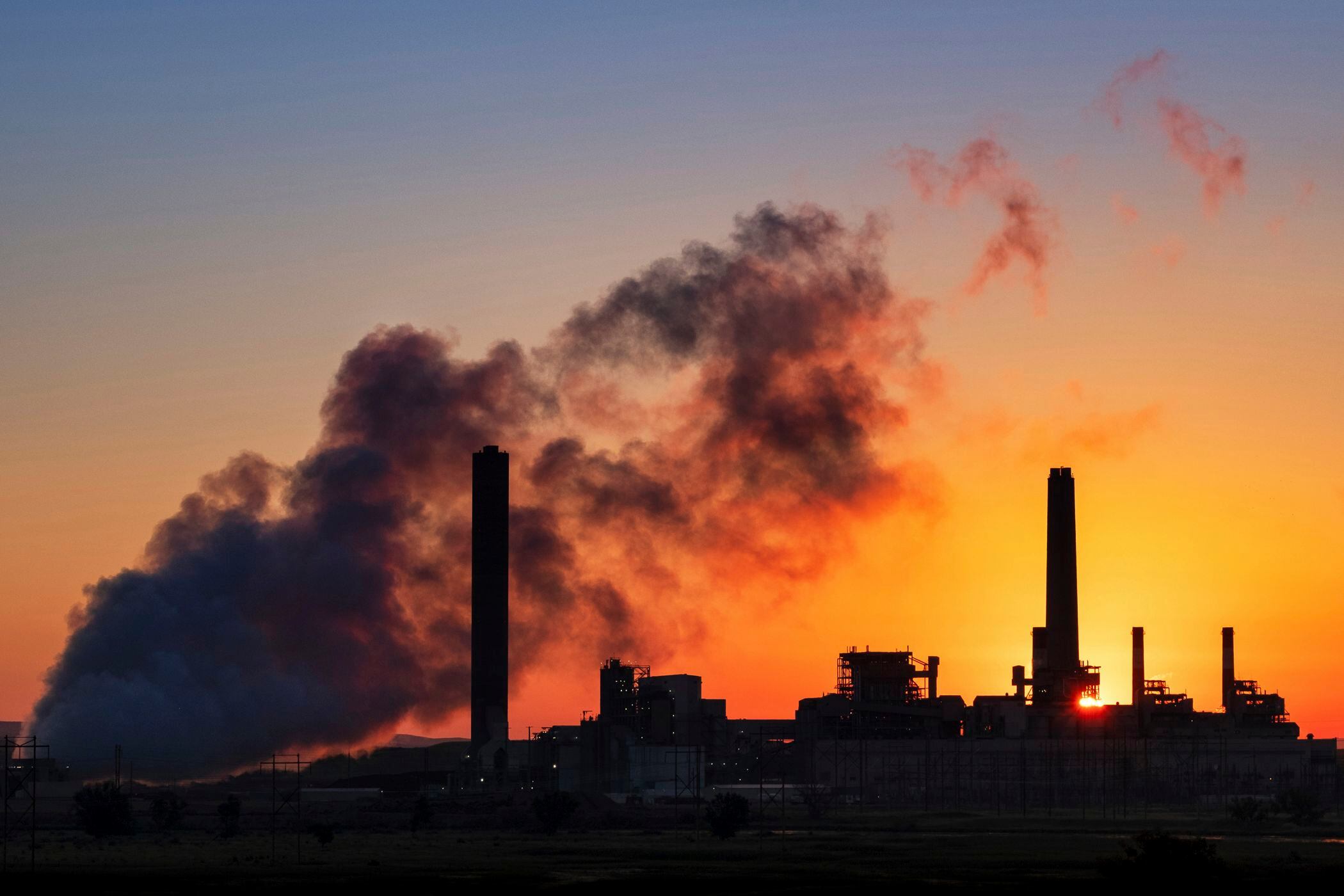
US Scientists calculate that Earth hit its warmest September on record last month. The National Oceanic and Atmospheric Administration Wednesday said there's nearly a two-to-one chance that 2020 will end up as the hottest year on record.
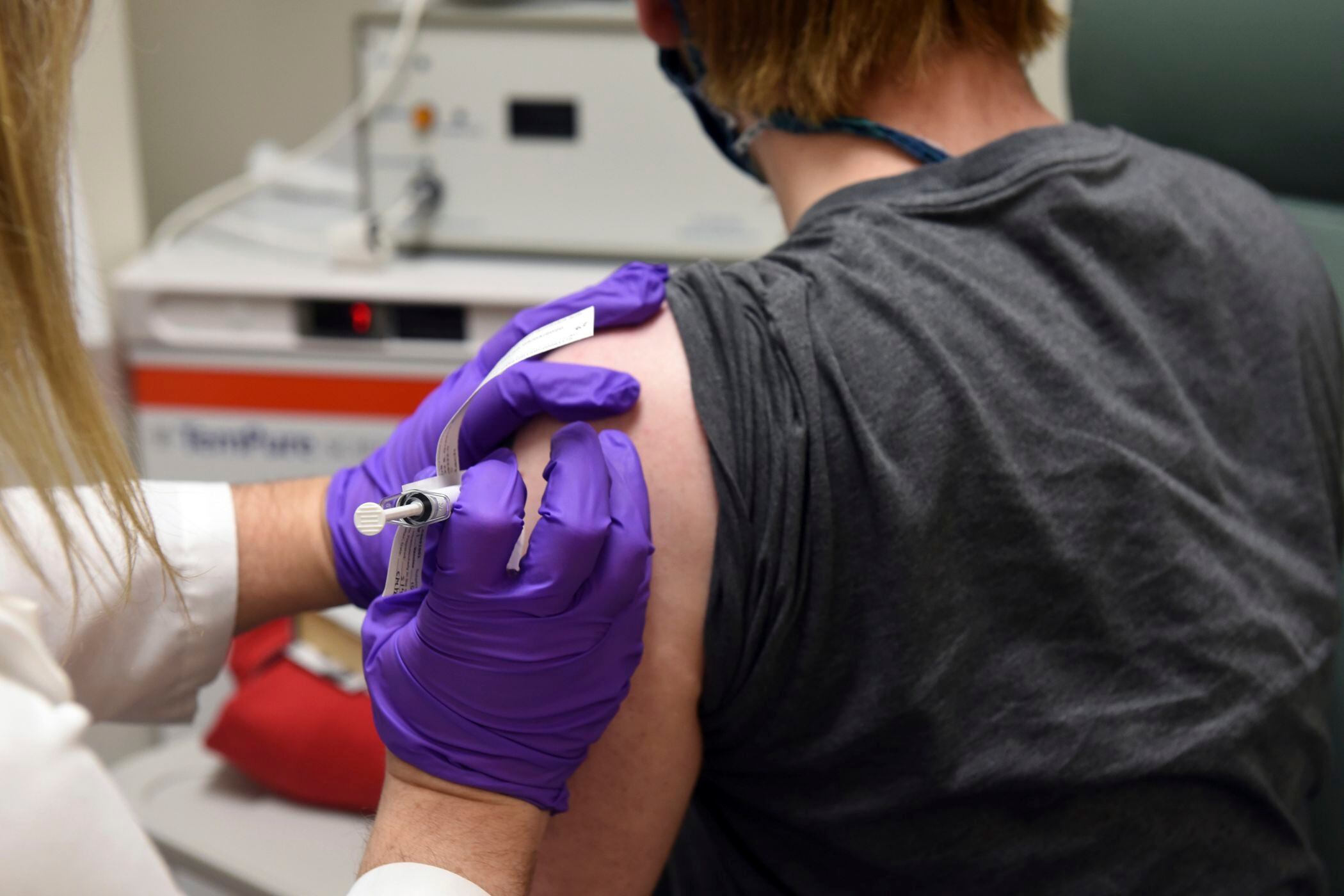
Facing public skepticism about rushed COVID-19 vaccines, U.S. health officials are planning an extra layer of safety scrutiny for the first people vaccinated when shots become available.
A late-stage study of Johnson & Johnson’s COVID-19 vaccine candidate has been paused while the company investigates whether a study participant’s “unexplained illness” is related to the shot.
At least 2 percent of American children are being raised by their grandparents, an arrangement that already has unique challenges for such families, but the COVID-19 pandemic is adding even more obstacles to contend with.
From Wall Street to Silicon Valley, these are the top stories that moved markets and had investors, business leaders, and entrepreneurs talking this week on Cheddar.
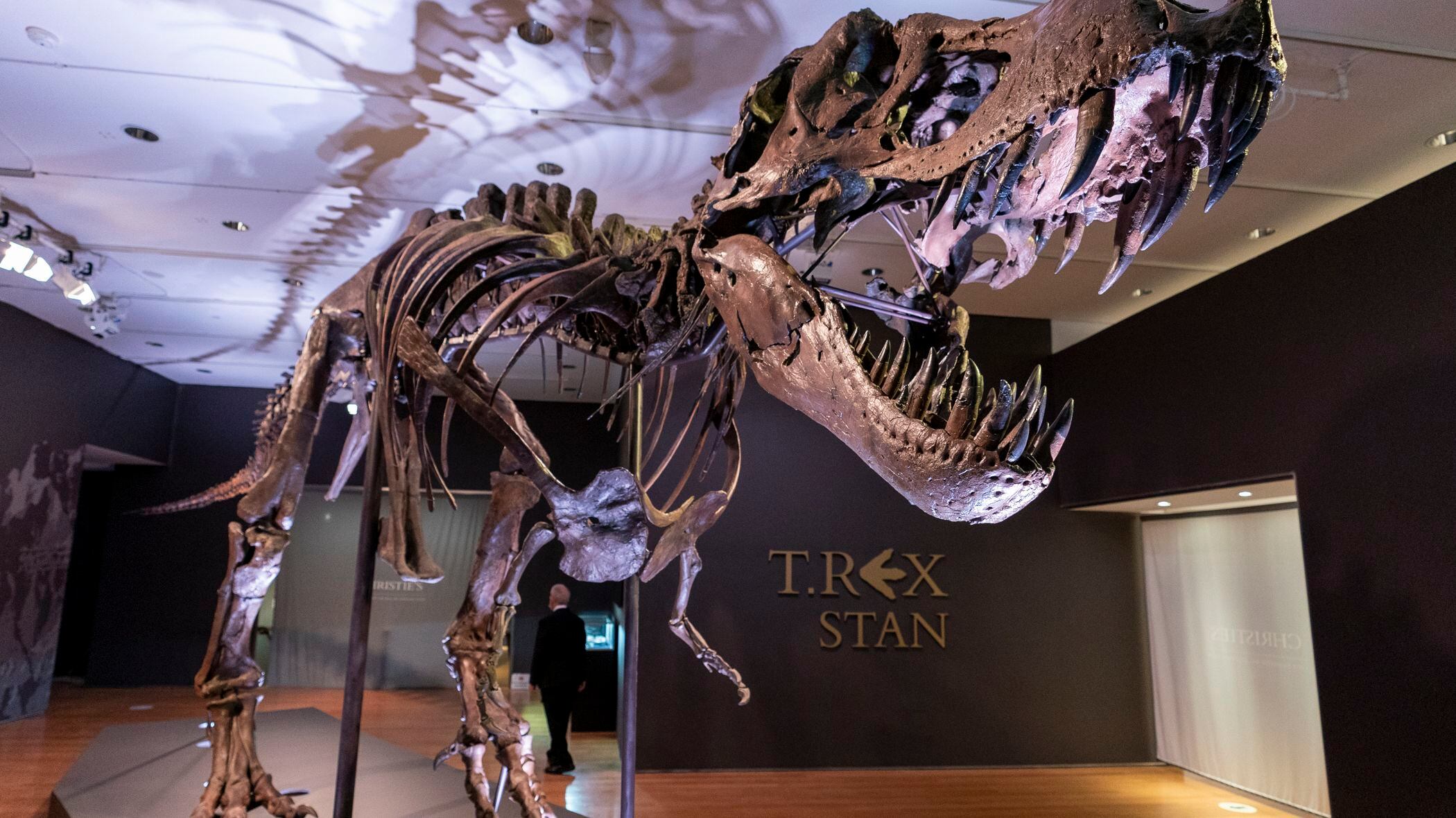
A 67 million-year-old Tyrannosaurus rex skeleton sold at Christie's Auction House for a record-shattering $31.8 million. Cheddar's Chloe Aiello takes a look into the sale of the massive complete fossil and Christie's virtual auction process.
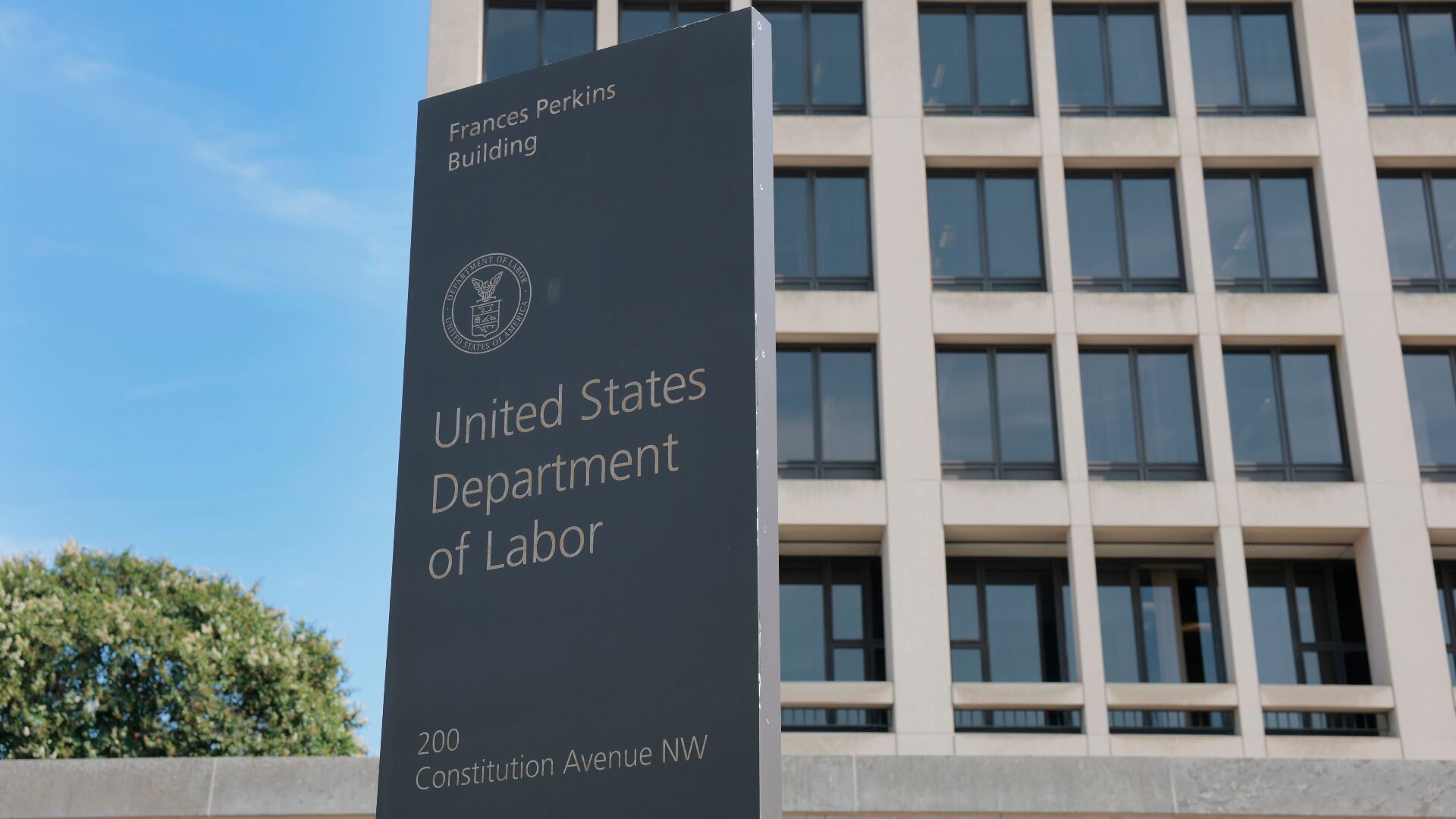
Democratic lawmakers are speaking out against a proposed Labor Department rule that they argue would make it harder for retirement funds to consider important environmental factors when making investment decisions.