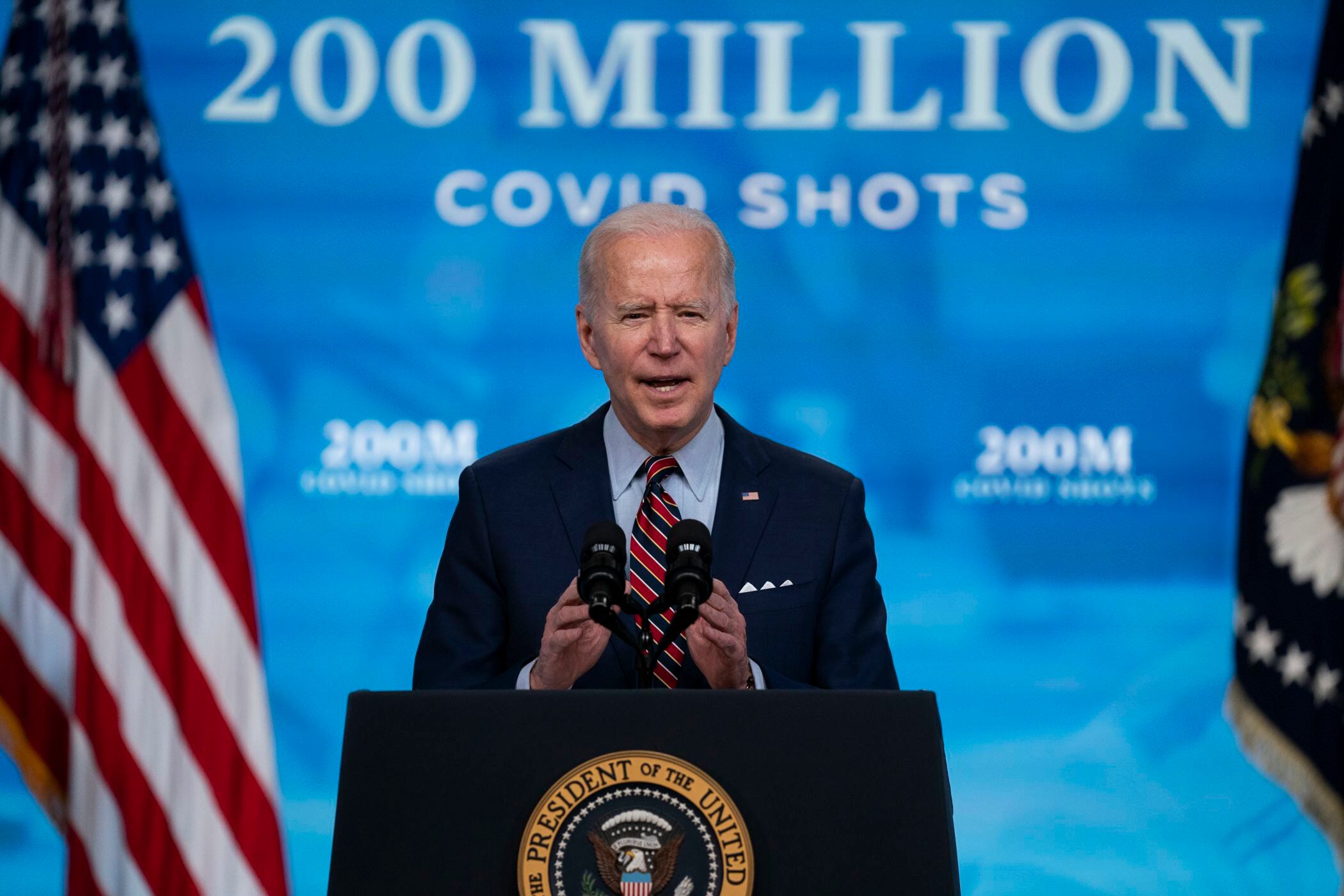
The Biden administration is set to boost the health standards of meals provided in public schools across the U.S.
The plan is to reduce the amount of sugars, salt and fat used to prepare foods for meals like school lunch and breakfast. It's a similar plan to that of the Obama administration's Health, Hunger Free Kids Act, which required schools to provide more fruits, veggies, whole grains and fat free or low fat milks.
Agriculture Secretary Tom Vilsack said raising the nutritional standards of school meals is key to children's overall success.
"This is a national security imperative. It's a healthcare imperative for our children. It's an equity issue. It's an educational achievement issue. And it's an economic competitiveness issue," he said.
The new rules are set to roll out over the next several years with the hope that by 2024, 80 percent of grains in schools will be whole.
"School meals happen to be the meals with the highest nutritional value of any meal that children can get outside the home," Vislack said.
However, the plan to increase the health benefits of foods for youth is not universally shared. Advocates for the dairy industry say they are concerned. Some school officials also say the rolled back ingredients will limit which food menu options, which could ultimately push students toward less healthier options.
"Most districts allow students to leave campus. They'll be hitting the convenience stores, the fast-food restaurants," Michael Gasper, nutrition services supervisor for Holmen, Wisconsin school district, said.
Clive McCoy, director of tourism for the British Virgin Islands, joined Cheddar to discuss how the territory was relaxing restrictions for travel to resume back to the tropical getaway.
While much of the world remains hunkered down, the band Six60 has been playing to huge crowds in New Zealand, where social distancing isn’t required after the nation stamped out the coronavirus.
The charitable arm of San Francisco-based technology giant Cisco Systems has pledged to invest $100 million over the next decade to help reverse the impact of climate change.
The White House says the U.S. will begin sharing its entire stock of AstraZeneca COVID-19 vaccines with the world once it clears federal safety reviews.
Officials say the European Union is finalizing plans to allow tourists from the United States to travel to the 27-nation bloc this summer.
Jill is joined by Baker Machado this morning to talk about the CDC reinstating the J&J vaccine, a worsening Coronavirus crisis in India, but also, where things are looking a lot better.
Michigan has become the current national hotspot for COVID-19 infections and hospitalizations at a time when more than half the U.S. adult population has been vaccinated and other states have seen the virus diminish substantially.
A U.S. health panel says it’s time to resume use of Johnson & Johnson’s COVID-19 vaccine, despite a very rare risk of blood clots.
A growing coalition of private companies, nonprofits, and the federal government are pushing for a more unified approach towards COVID vaccination credentialing.
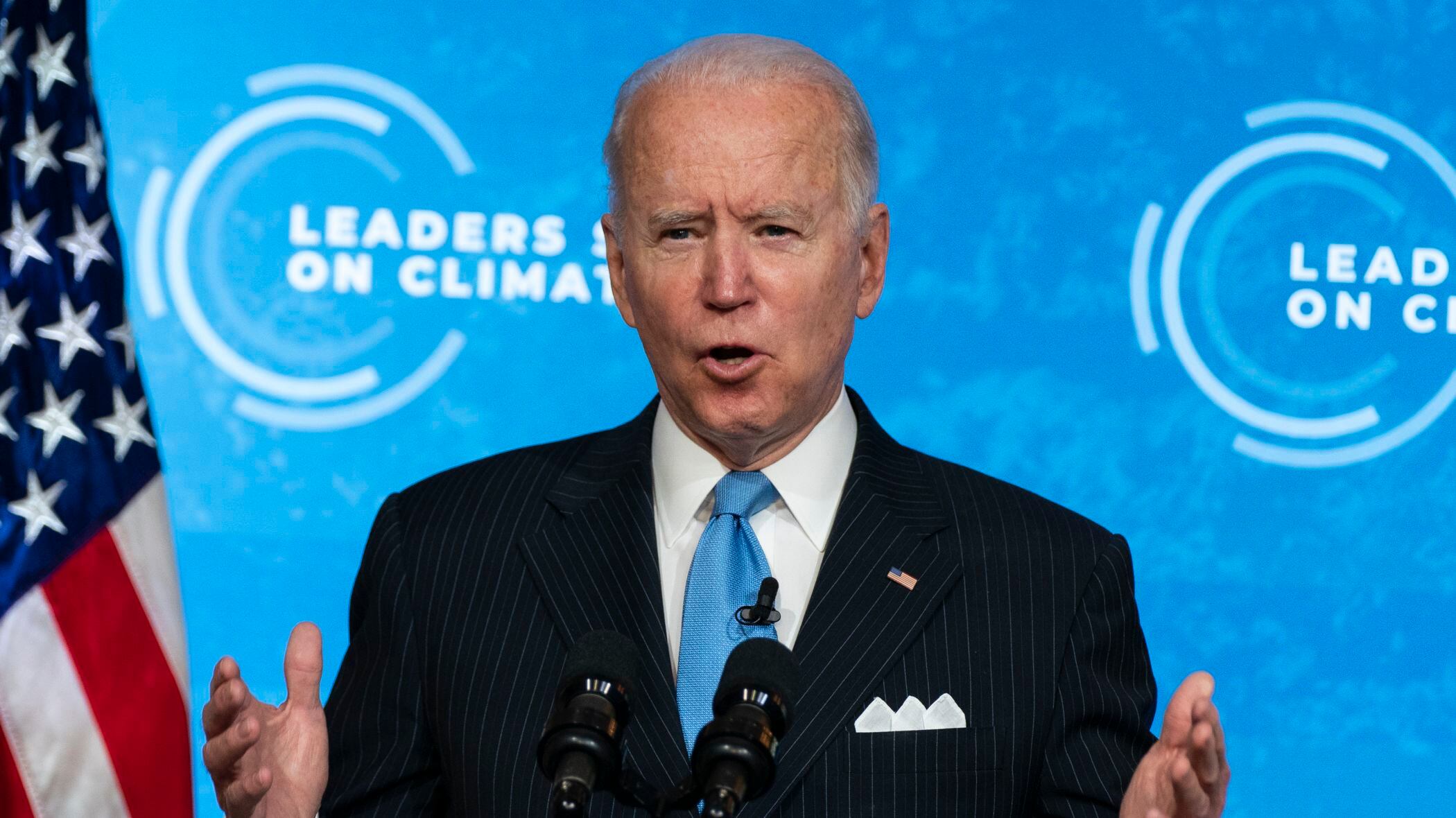
World leaders have joined President Joe Biden at a virtual climate summit to share their stories about how nations can break free of climate-damaging fossil fuels.