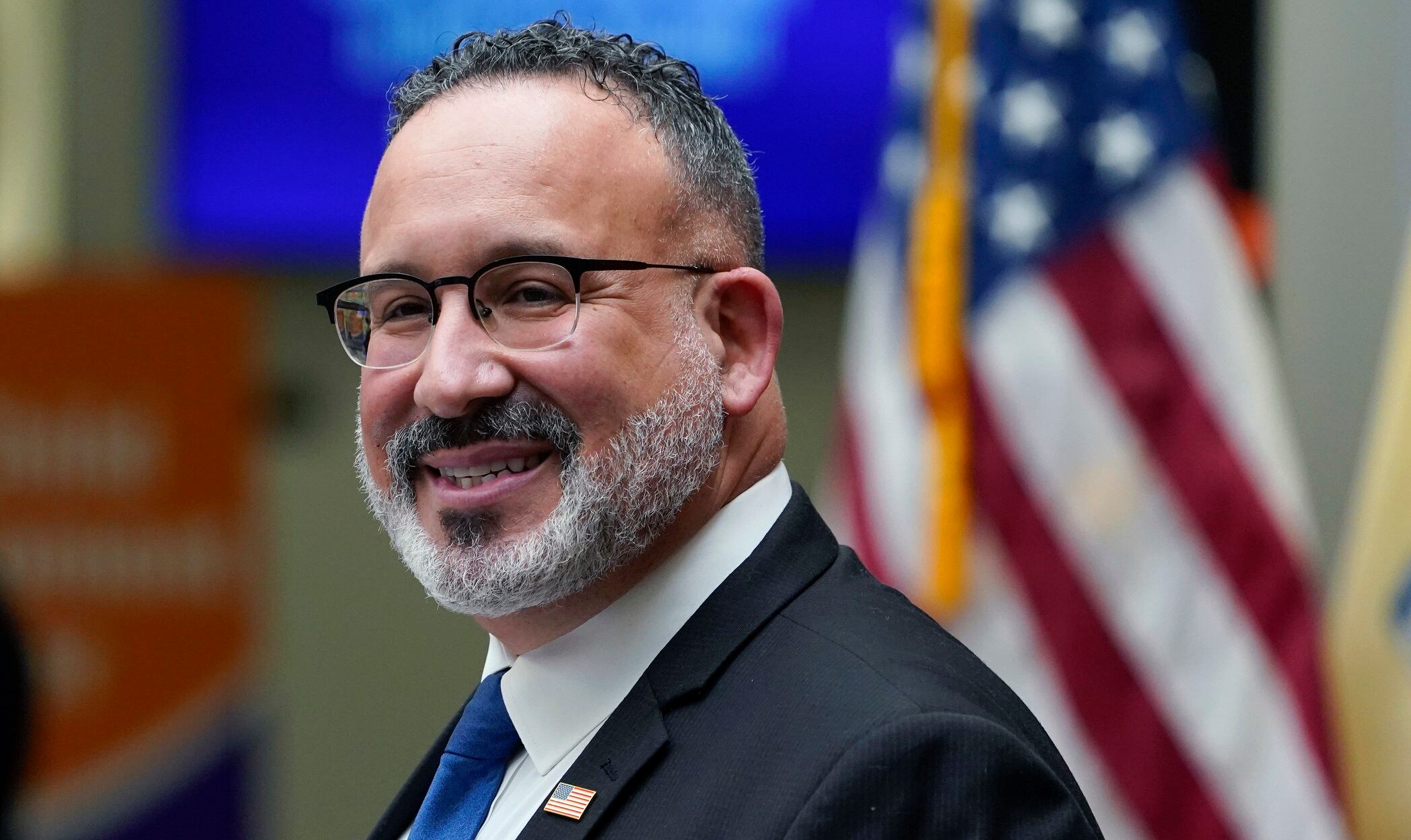
Secretary of Education Miguel Cardona speaks during a visit with first lady Jill Biden to Bergen Community College in Paramus, N.J., Jan. 20, 2022. The Biden administration plans to freeze federal student loan payments through Aug. 31, extending a moratorium that has allowed millions of Americans to postpone payments during the coronavirus pandemic. The decision was confirmed by an administration official familiar with the White House’s decision-making. (AP Photo/Seth Wenig, File)
By Collin Binkley and Zeke Miller
The Biden administration plans to freeze federal student loan payments through Aug. 31, extending a moratorium that has allowed millions of Americans to postpone payments during the coronavirus pandemic, according to an administration official familiar with the White House's decision-making.
Student loan payments were scheduled to resume May 1 after being halted since early in the pandemic. But following calls from Democrats in Congress, the White House plans to give borrowers additional time to prepare for payments.
The action applies to more than 43 million Americans who owe a combined $1.6 trillion in student debt held by the federal government, according to the latest data from the Education Department. That includes more than 7 million borrowers who have defaulted on student loans, meaning they are at least 270 days late on payments.
Borrowers will not be asked to make payments until after Aug. 31, and interest rates are expected to remain at 0% during that period.
The extension was first reported Tuesday by Bloomberg.
Democrats on education panels in the House and Senate recently urged President Joe Biden to extend the moratorium through the end of the year, citing continued economic upheaval.
Sen. Patty Murray said more time is needed to help Americans prepare for repayment and to rethink the government’s existing system for repaying student debt.
“It is ruining lives and holding people back,” she said in a statement last month. “Borrowers are struggling with rising costs, struggling to get their feet back under them after public health and economic crises, and struggling with a broken student loan system — and all this is felt especially hard by borrowers of color.”
Murray called on the Biden administration to lift all borrowers out of default to provide a “fresh start” following the pandemic.
The decision is being made amid rising concern that large numbers of Americans would quickly fall behind if payments restarted in May.
In March, the St. Louis Federal Reserve Bank warned that resuming loan payments could place a heavy burden on borrowers who faced financial hardship during the pandemic. It said the impact would be hardest on Black families, who are more likely to rely on student loans to pay for college.
“Serious delinquency rates for student debt could snap back from historic lows to their previous highs in which 10% or more of the debt was past due,” the bank said.
The Trump administration initially gave Americans the option to suspend loan payments in March 2020, and Congress made it automatic soon after. The pause was extended twice by the Trump administration and twice more under Biden.
It remains in question whether Biden will pursue widespread debt forgiveness to reduce the nation’s student debt. Some Democrats in Congress have pressed Biden to use executive action to cancel $50,000 for all student loan borrowers, saying it would jumpstart the economy and help Black Americans who on average face higher levels of student debt.
Last year, Biden asked the Education and Justice departments to review the legality of widespread debt cancellation, but no decision has been announced. Biden previously said he supports canceling up to $10,000, but he argued it should be done through congressional action.
A Gallup poll finds that now 7.1% of American adults identify as LGBTQ, jumping from 3.5% in 2012. The increase is driven by Generation-Z – those born between 1997 and 2003 – of whom one out of five identify as LGBTQ. Cheddar News speaks with Washington Blade reporter Chris Johnson about the significant shift.
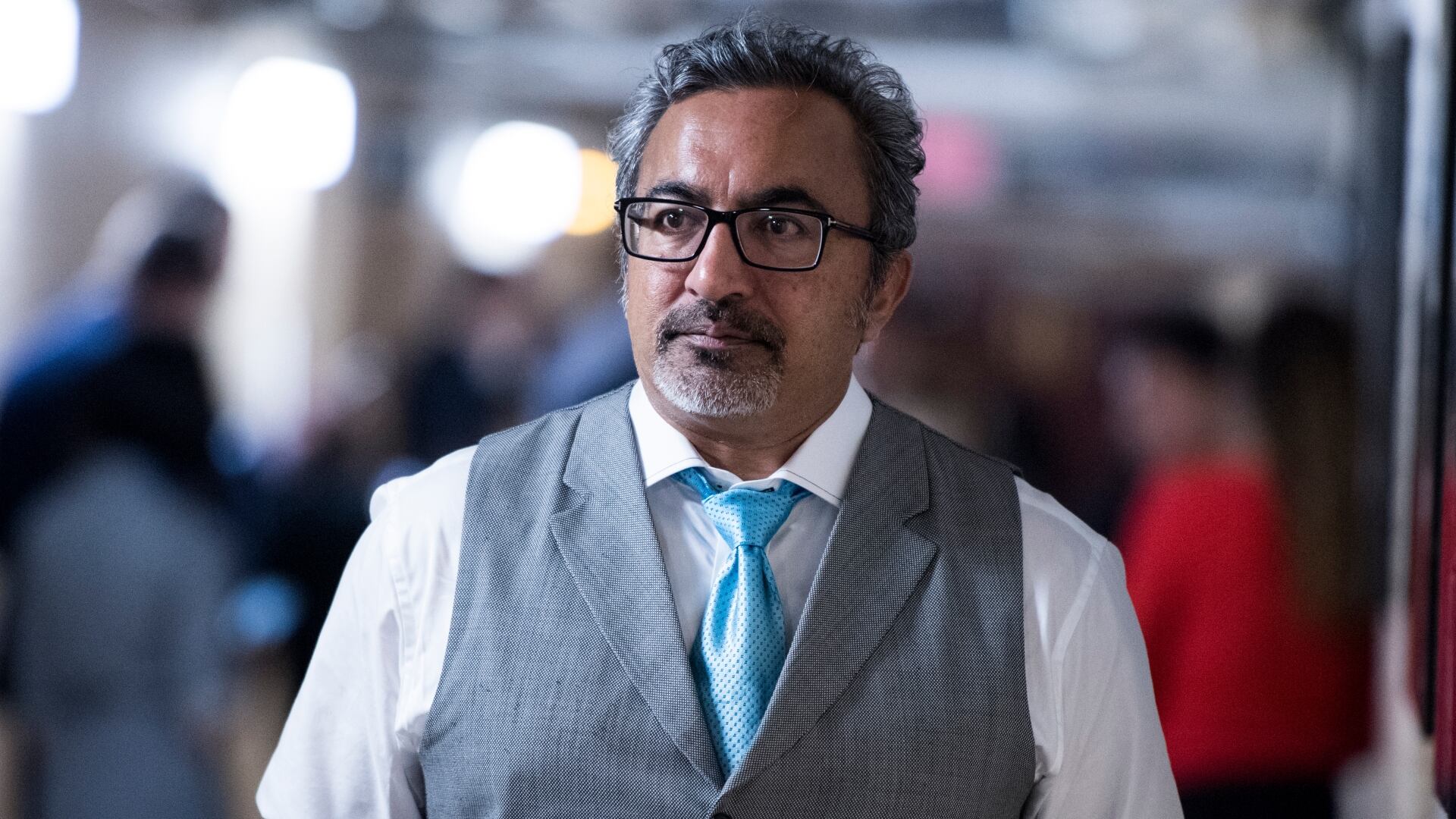
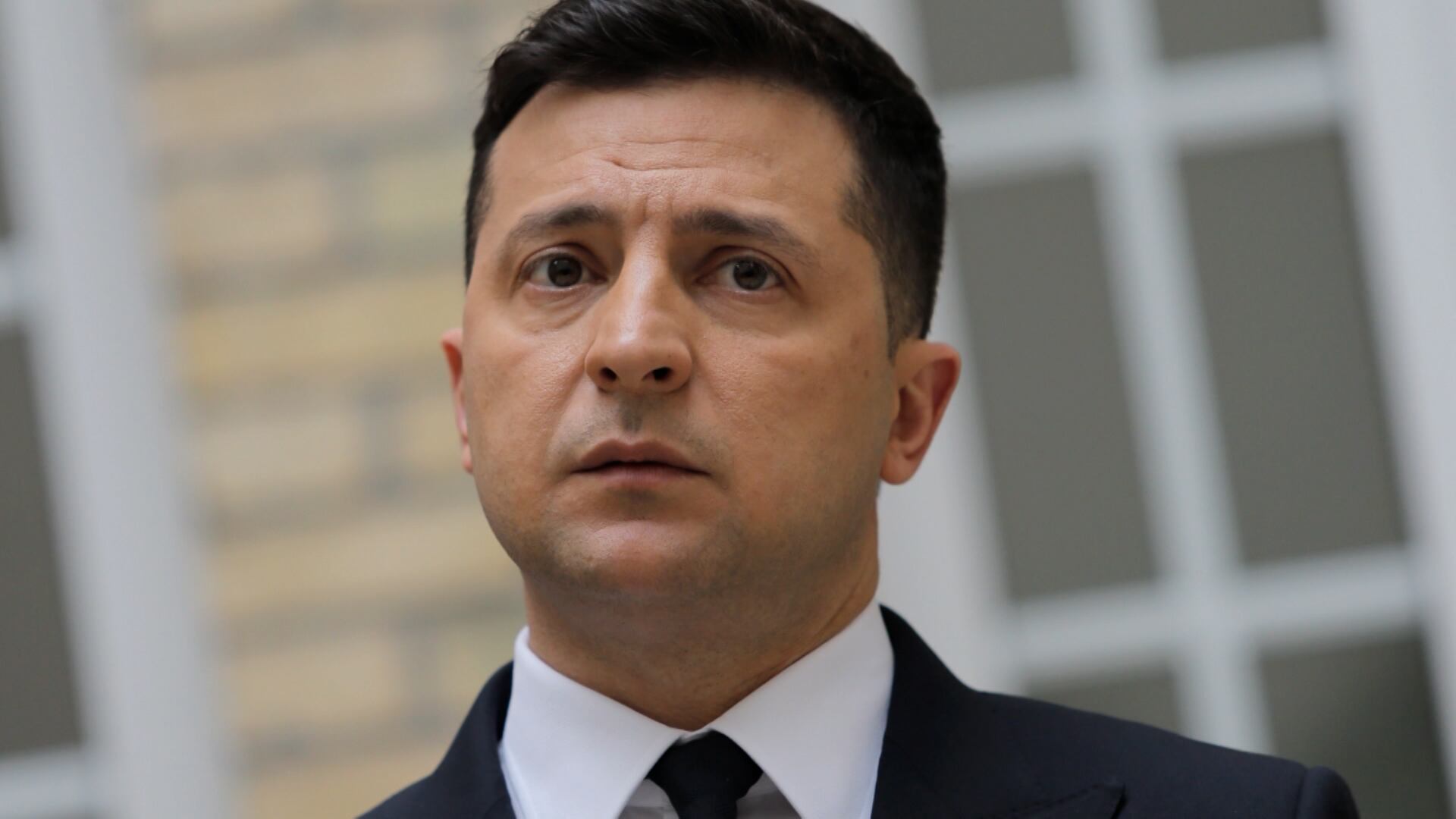
As the Biden administration continues to see the potential for an imminent invasion of Ukraine after contradictory reports of a Russian troop pullback or buildup, Rep. Ami Bera (D-Calif. 7th District), a member of the House Committee on Foreign Affairs, joined Cheddar News to give his insight into the tense situation. "When I was in Ukraine a couple of weeks ago and we were talking with the Ukrainian leadership with President Zelensky, they said we ought to approach Vladimir Putin as though he was a poker player," he said. "So this could be one of those head fakes where he's saying one thing and doing another thing."
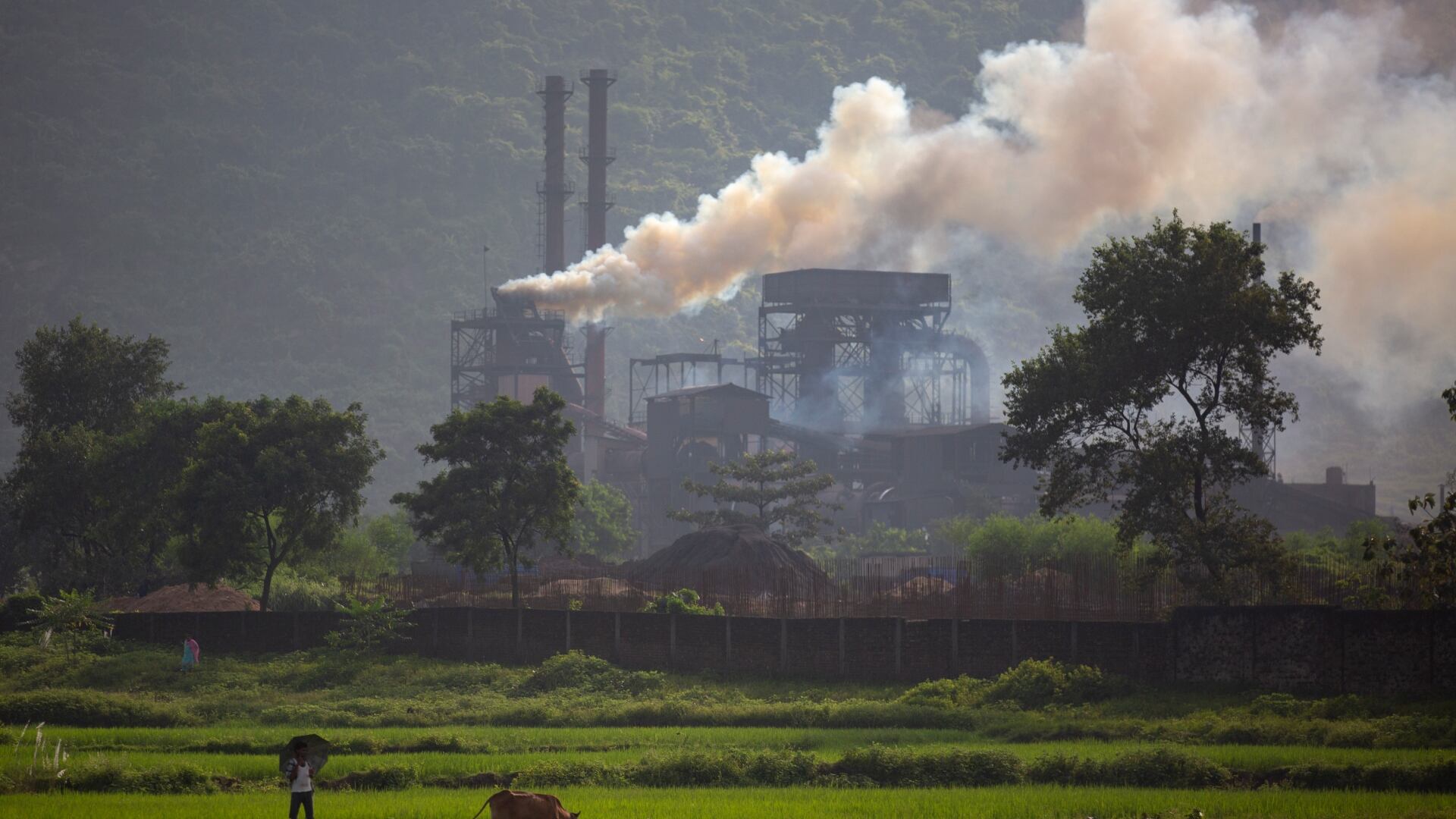
The Biden Administration has now issued new guidelines when it comes to carbon capture. The new guidelines handed down this week encouraged the widespread use of climate attacks that traps and stores carbon emissions. The goal here is the process would help keep carbon out of the atmosphere without requiring a whole lot of change by big companies and manufacturing plants. Several scientists say that this method would be crucial to help us decrease the use of carbon emissions by the year 2050. Professor of Civil and Environmental Engineering at Stanford University, Mark Jacobson, joined Cheddar to discuss more.
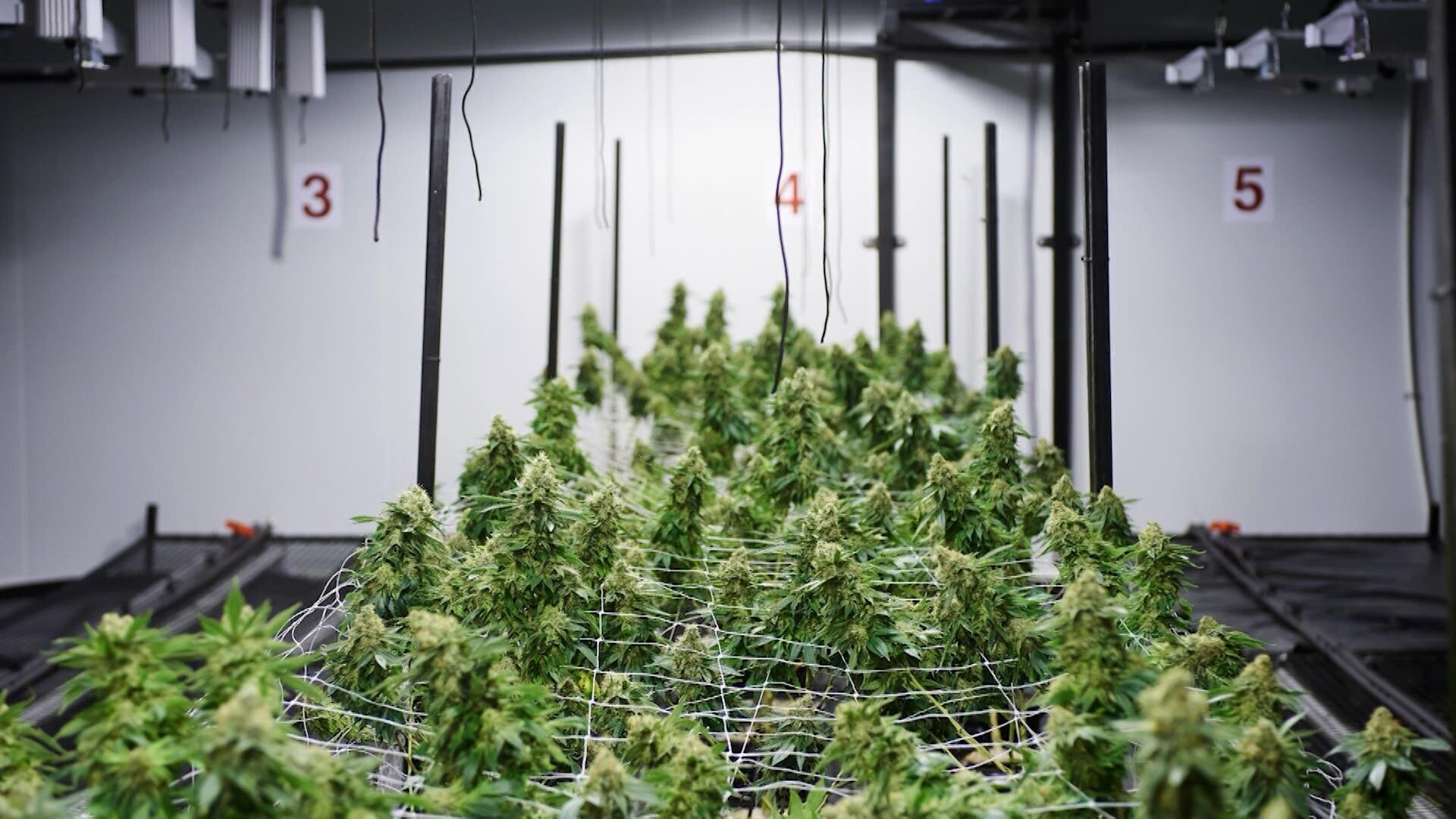
Natalie Fertig, federal cannabis policy reporter for Politico Pro, joins Cheddar News to discuss the latest in marijuana legalization in the United States.
The Biden administration is launching a new task force to promote the use of 'cleaner' construction materials with lower life cycle emissions. This comes as the White House works to speed up government purchases of greener products. Sweta Chakraborty, climate change expert and U.S. president of "We Don't Have Time," joins Cheddar News to discuss.
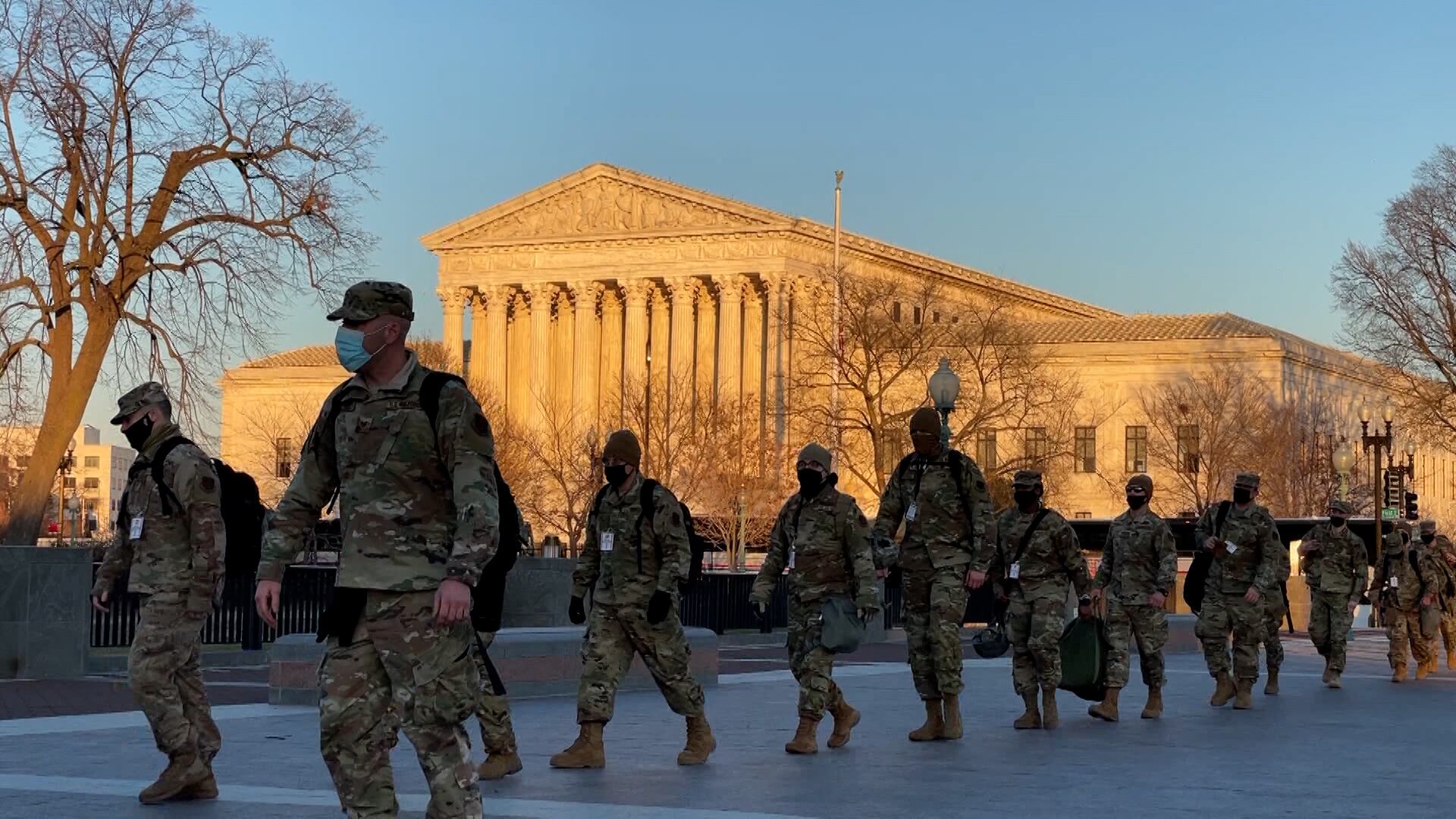
Due to the staffing shortages of teachers in New Mexico, the state has been encouraging its National Guard members to fill in as licensed substitutes to keep schools open. Kurt Steinhaus, New Mexico secretary of education, joined Cheddar News to explain the state's stopgap measure amid its lack of teaching professionals. "The first thing they have to go through a fingerprint background check, just like any other substitute new Mexico. The second thing they have to do is go through some online training, and then we provided some in-person professional development about classroom management," Steinhaus explained about the qualifications process.
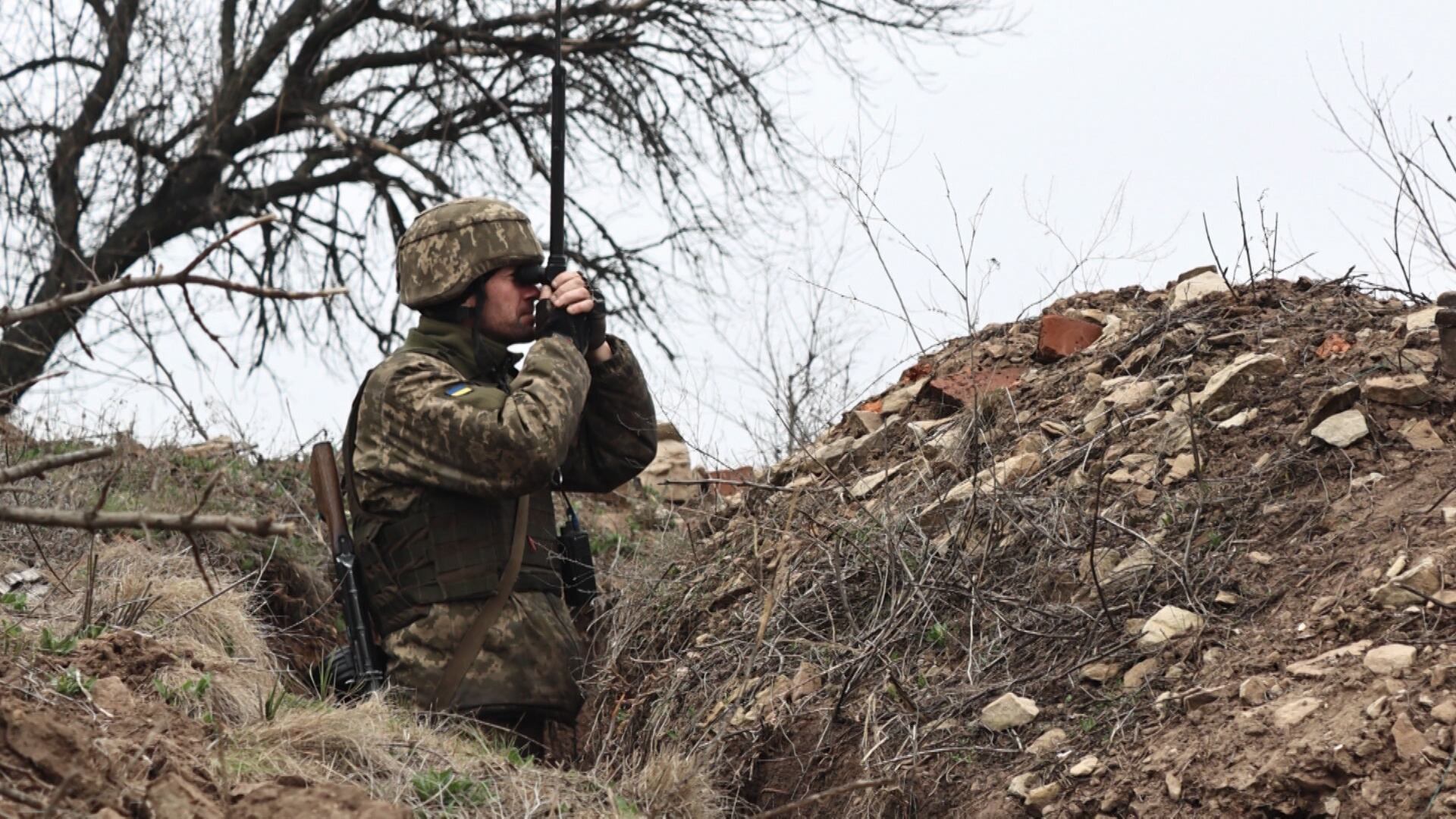
With contradictory reports about Russian troops pulling back or being added to the border with Ukraine and the expulsion of a U.S. diplomat from Russia, tensions in the region appear to be escalating. Jack Detsch, a Pentagon and national security reporter for Foreign Policy, joined Cheddar News to break down the situation. "Certainly a different tone out of Moscow today and a different tone out of the West. Even as the Kremlin has made the case that troops are moving back, the U.S. is saying that is certainly not the case with the satellite imagery that we have pouring in," he said.
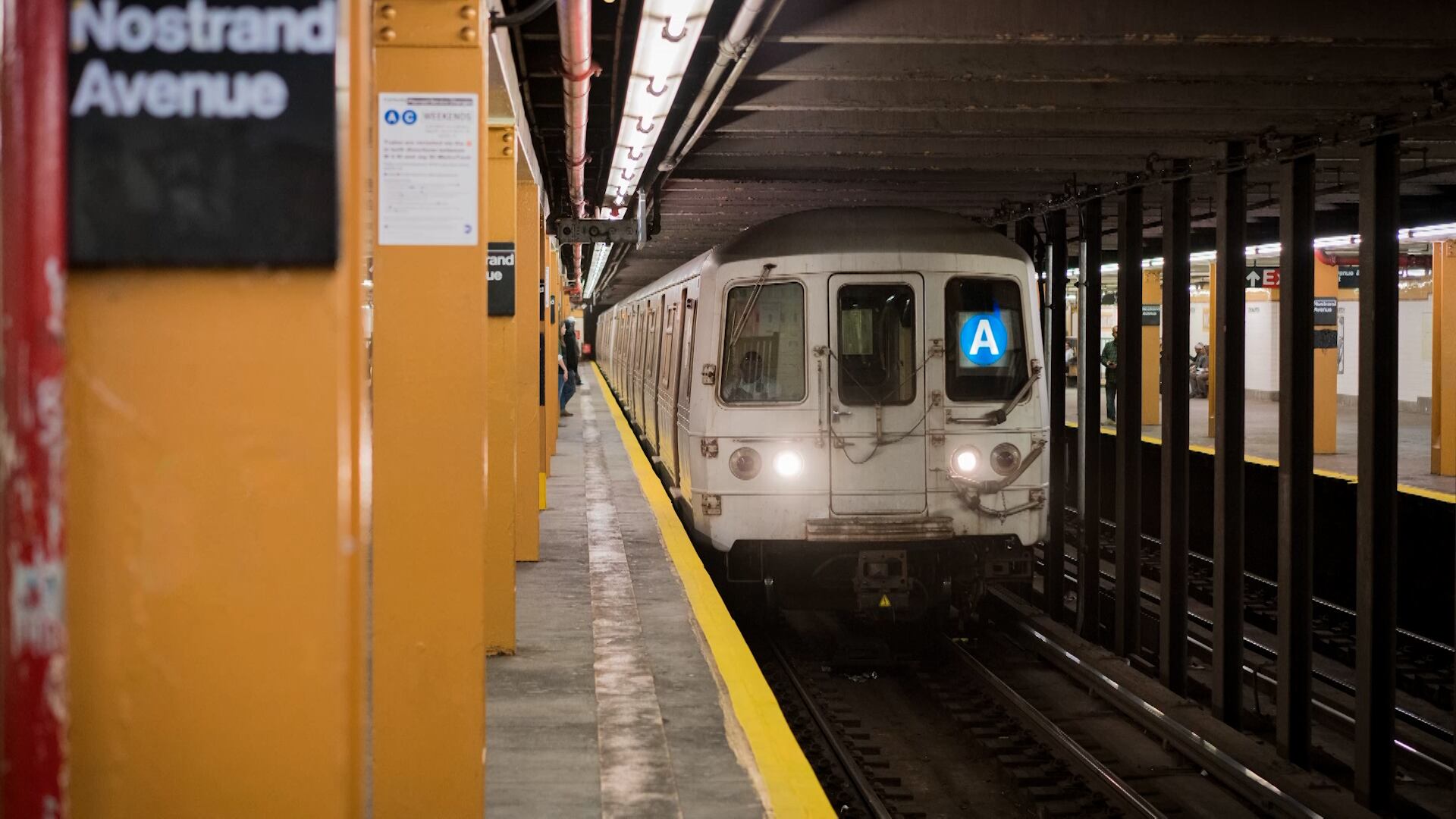
New York City's famous subway system is currently facing scrutiny after several recent attacks on platforms. Now, local leaders in the Big Apple are calling on the MTA. To step in and take action.