The Biden administration on Tuesday quietly launched its website for Americans to request free at-home COVID-19 tests, a day before the site was scheduled to officially go online.
The website, COVIDTests.gov, now includes a link for Americans to access an order form run by the U.S. Postal Service. People can order four at-home tests per residential address, to be delivered by the Postal Service. It marks the latest step by President Joe Biden to address criticism of low inventory and long lines for testing during a nationwide surge in COVID-19 cases due to the omicron variant.
White House press secretary Jen Psaki said the website was in "beta testing" and operating at a “limited capacity” ahead of its official launch. The website will officially launch mid-morning Wednesday, Psaki said.
There were isolated reports Tuesday afternoon of issues relating to the website’s address verification tool erroneously enforcing the four-per-household cap on apartment buildings and other multi-unit dwellings, but it was not immediately clear how widespread the issue was.
At points Tuesday more than 750,000 people were accessing the website at the same time, according to public government tracking data, but it was not immediately known how many orders were placed.
She added that the administration was anticipating a “bug or two," but had IT experts from across the government working to get the site ready.
Biden announced last month that the U.S. would purchase 500 million at-home tests to launch the program and on Thursday the president announced that he was doubling the order to 1 billion tests.
But Americans shouldn’t expect a rapid turnaround on the orders and they will have to plan ahead and request the tests well before they meet federal guidelines for when to use a test.
The White House said “tests will typically ship within 7- 12 days of ordering” through USPS, which reports shipping times of 1-3 days for its first-class package service in the continental United States.
Officials emphasized that the federal website is just one way for people to procure COVID-19 tests, and shortages of at-home test kits have shown signs of easing as more supply has hit the market.
Since Saturday, private insurance companies have been required to cover the cost of at-home rapid tests, allowing Americans to be reimbursed for tests they purchase at pharmacies and online retailers. That covers up to eight tests per month.
The technical bugs that embarrassed President Barack Obama’s administration with the 2013 rollout of the HealthCare.gov website should not be a problem for the COVID-19 test kit website in part because it is so much simpler, said Alex Howard, director of the Digital Democracy Project, an open government watchdog group. Howard said the new website is also simpler than the Vaccines.gov website – for finding nearby vaccine clinics and pharmacies – that was already successfully launched by the Biden administration last year.
Howard said the task of requesting someone’s address is a straightforward one, especially when compared with the Obama-era health insurance website that involved shopping for different health plans and authenticating a secure transaction. The challenge of hosting a website application under high demand is also a “solved problem” in the private sector, he said.
“My expectation is the U.S. Digital Service and any vendors they work with will be able to pull this off,” he said. “It’s the least hard part of this.”
Two tech companies that frequently work with the federal government – Microsoft and Accenture – on Tuesday referred questions about the website to the Postal Service. Amazon, a major cloud provider for U.S. agencies, didn’t respond to requests for comment.
Howard said the trickiest part of the project is not the website but the physical distribution of kits.
“I don’t recall the last time the federal government sent something like this to everyone that wasn’t a tax document,” he said.
Likely challenges include multiple people ordering from the same apartment building address, or how to handle people who try to game the system and order extra.
“I would like my fellow Americans to be a more trustworthy lot,” said Howard, but given other debates over COVID-19 protocols and response, “that’s not going to fly very well.”
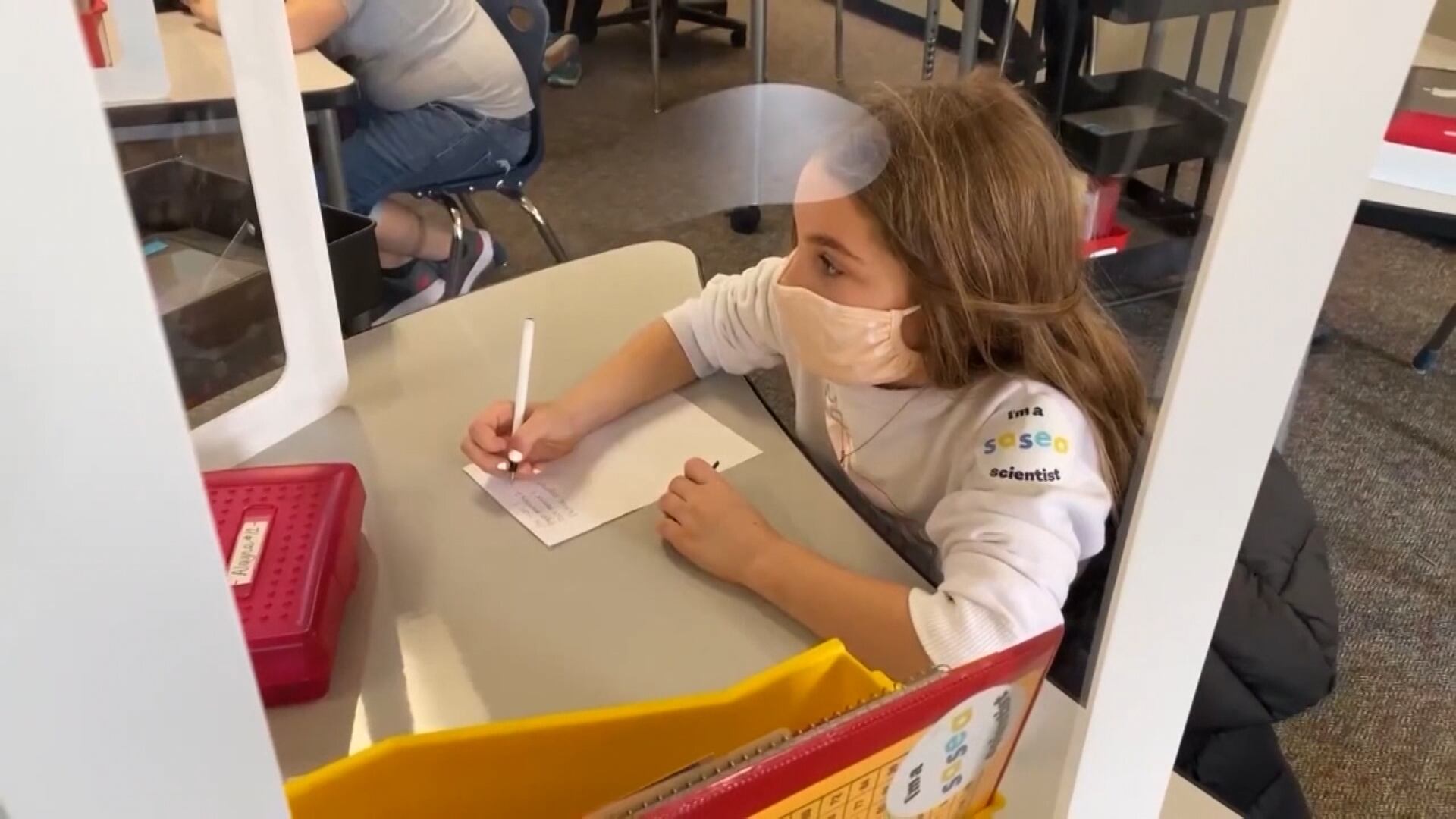
After the Chicago teachers union voted to work remotely due to what they say is a lack of safety protocols amid the COVID-19 surge, the school system canceled classes on Wednesday, citing harm that remote learning has done to the city's children. Randi Weingarten, president of the American Federation of Teachers, joined Cheddar to discuss the issues surrounding the latest dispute between educators and schools. She said that the return to in-person learning would likely be halted until more COVID tests could be provided for districts. "This is a terrible situation for everybody, and we need the testing, and we need the masks," she said. "It's the omicron surge that has created this disruption, and we are trying to do the best we can. And this is the only school district that has this kind of action right now." The teachers might not be returning to their schools for at least two weeks amid the ongoing tensions.
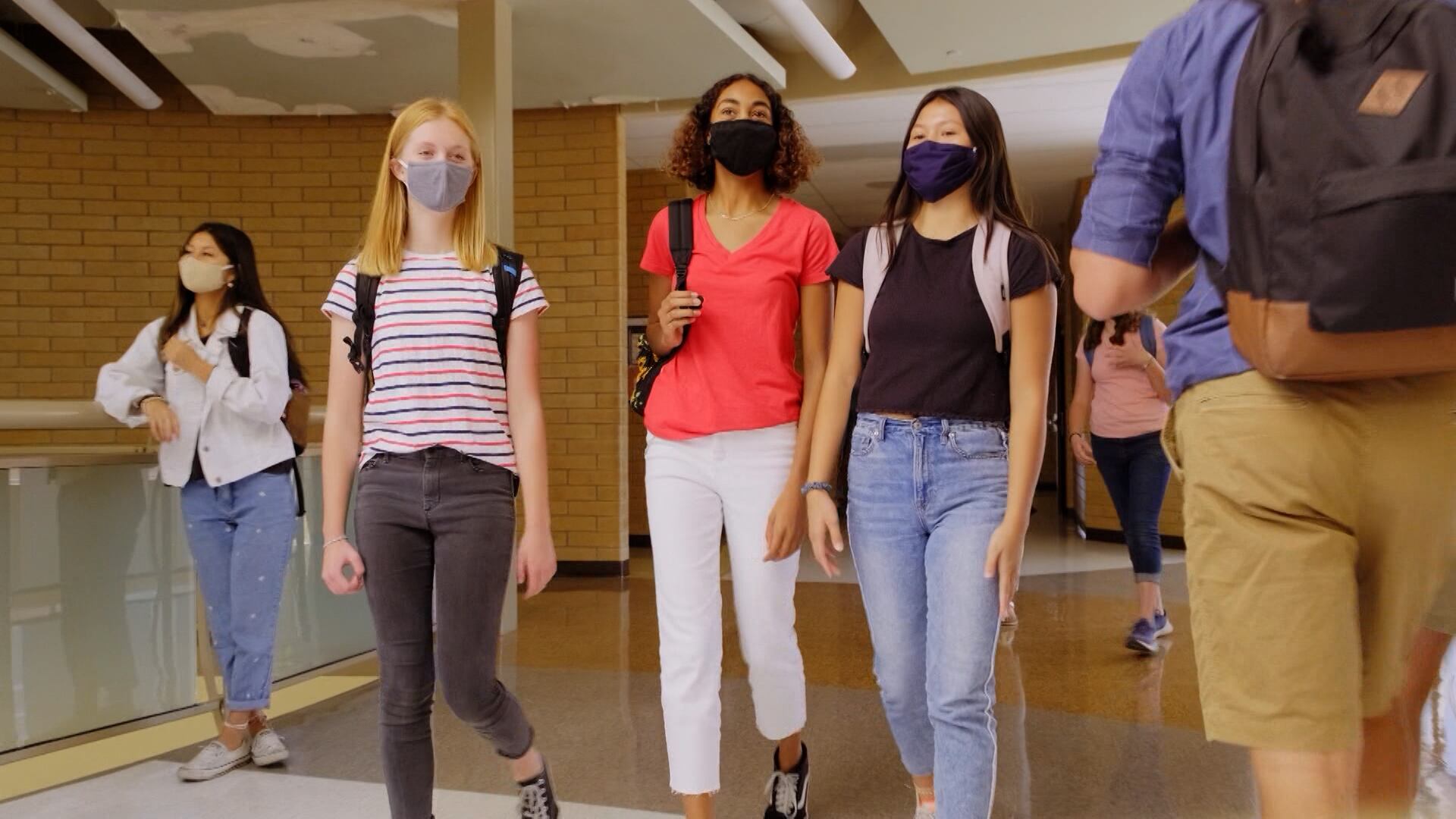
Illinois State Senator Robert Martwick joins Cheddar News to discuss the new bill he co-sponsored allowing students in the state to take 5 mental health days without a doctor's note.
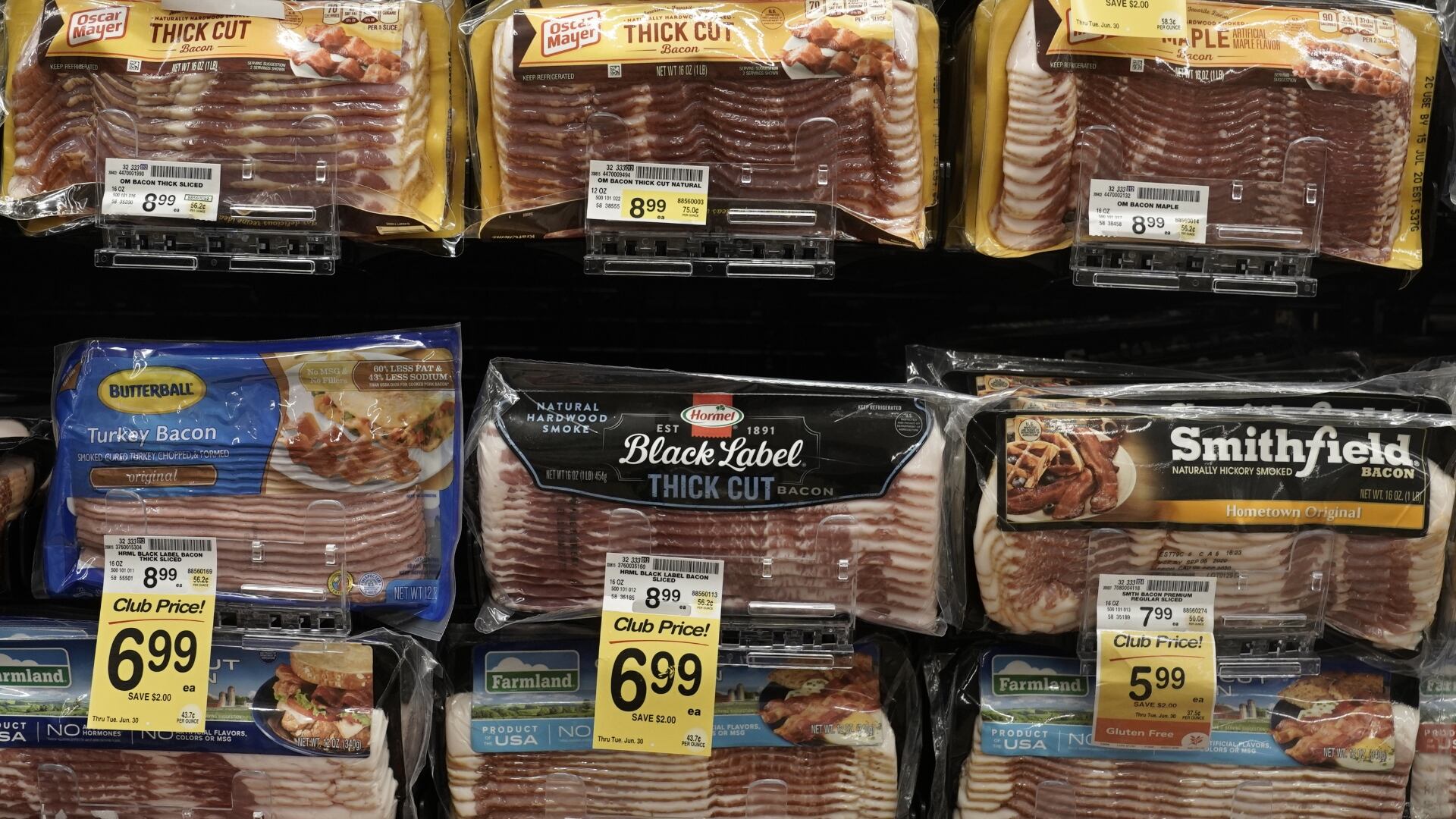
On Monday, President Biden announced his new plan to take on inflation by taking down the big meat monopolies - turning to the federal government's antitrust authorities to investigate the major meatpackers that control a significant share of the market. The White House plans to devote one billion dollars to aiding independent meat and poultry producers in an effort to undercut the few powerful meat producers that have control of the sector. Austin Frerick, deputy director of Thurman Arnold Project at Yale, joins Cheddar News to discuss.
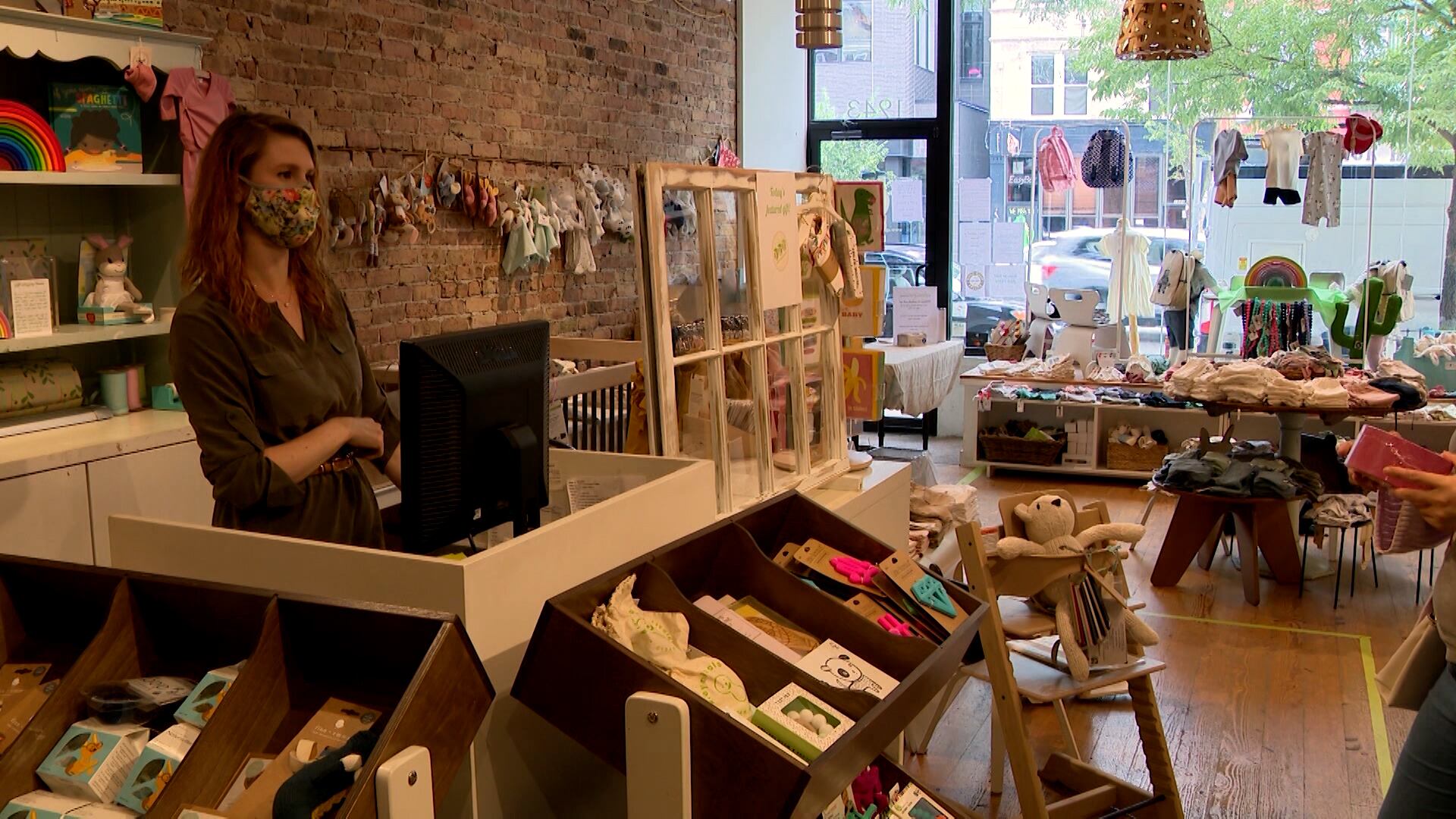
As the pandemic drags on, so does the widespread great resignation. In November alone, 4.5 million Americans quit their jobs, marking a new record high, and showing a 9 percent jump from the month prior. On the flip side, the number of people filing tax paperwork to start new businesses is surging, with over 430,000 new businesses launching in November. Rhett Buttle, the founder of Public Private Strategies and national business advisor to the Biden for President campaign, joined Wake Up with Cheddar to discuss.
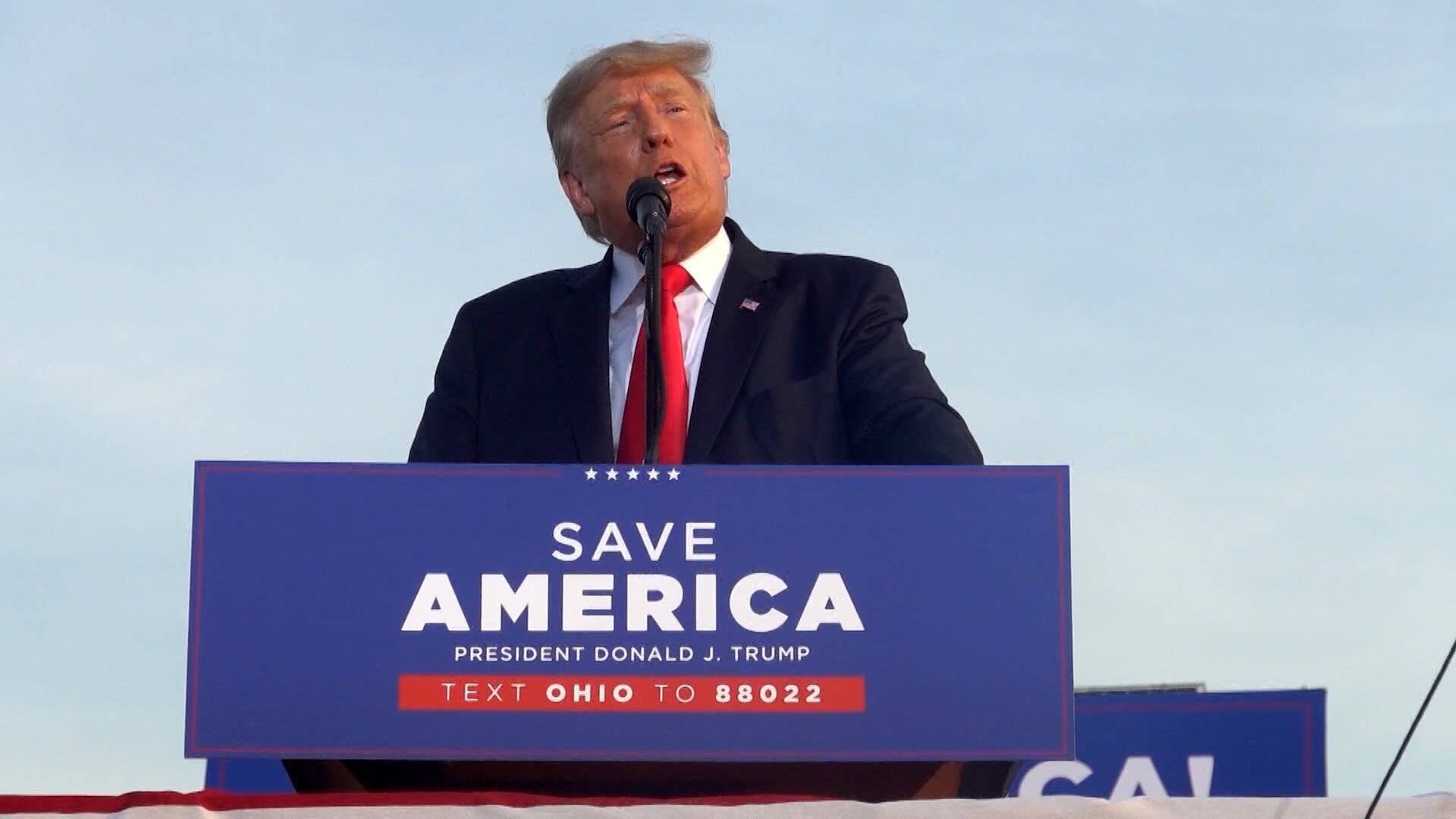
New York Attorney General Letitia James is ramping up a civil investigation into The Trump Organization. The AG's office has subpoenaed Ivanka Trump and Donald Trump Jr. They have refused to comply with the subpoenas. Bradley Moss, national security attorney, joins Cheddar News to discuss the next steps in this investigation.
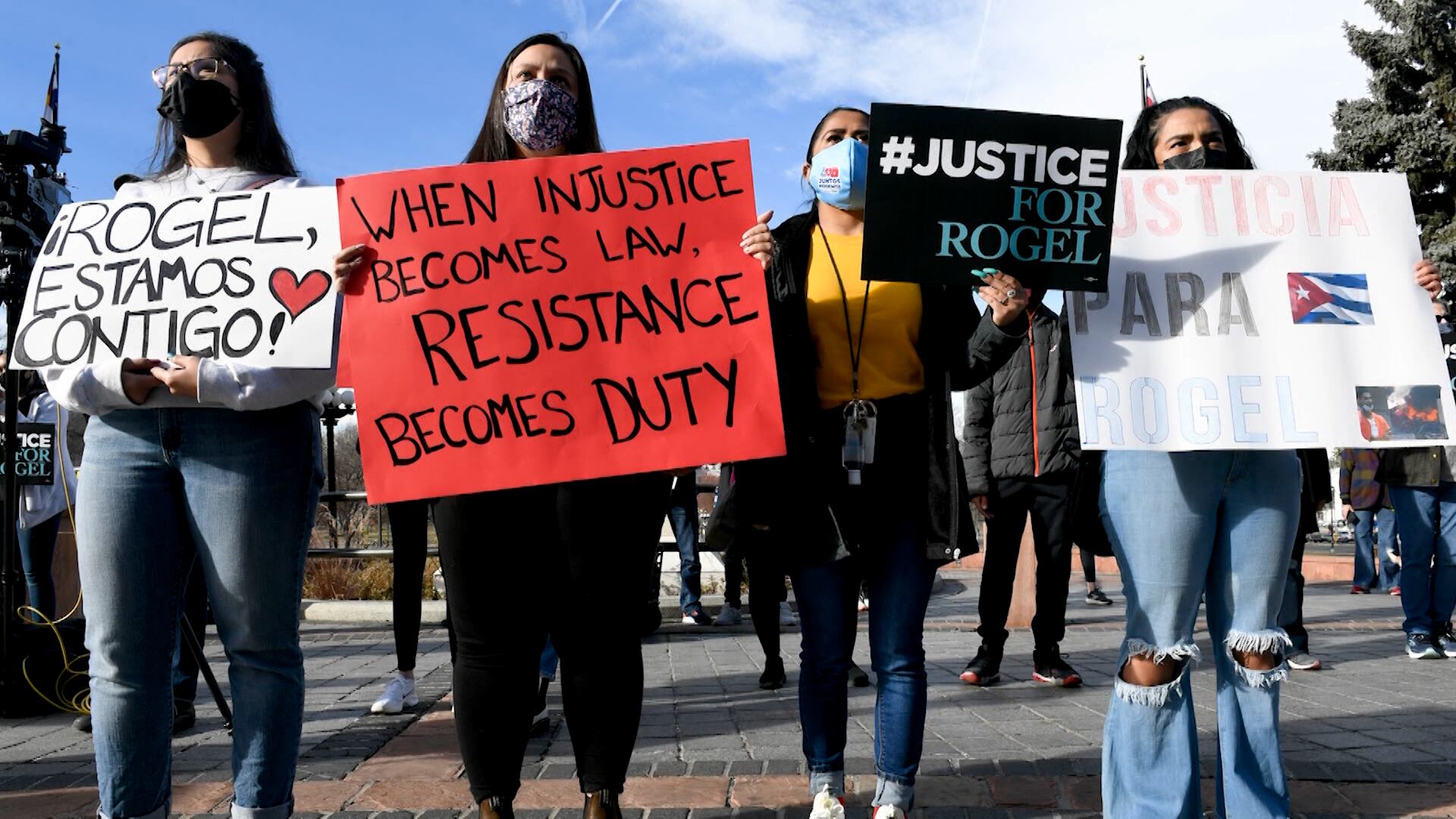
Colorado Gov. Jared Polis has officially reduced the 110-year prison sentence of truck driver Rogel Aguilera-Mederos to 10 years, calling the initial lengthy sentence “unjust.” Dan Gilleon, constitutional attorney at Gilleon Law Firm APC, joined Cheddar to discuss more.
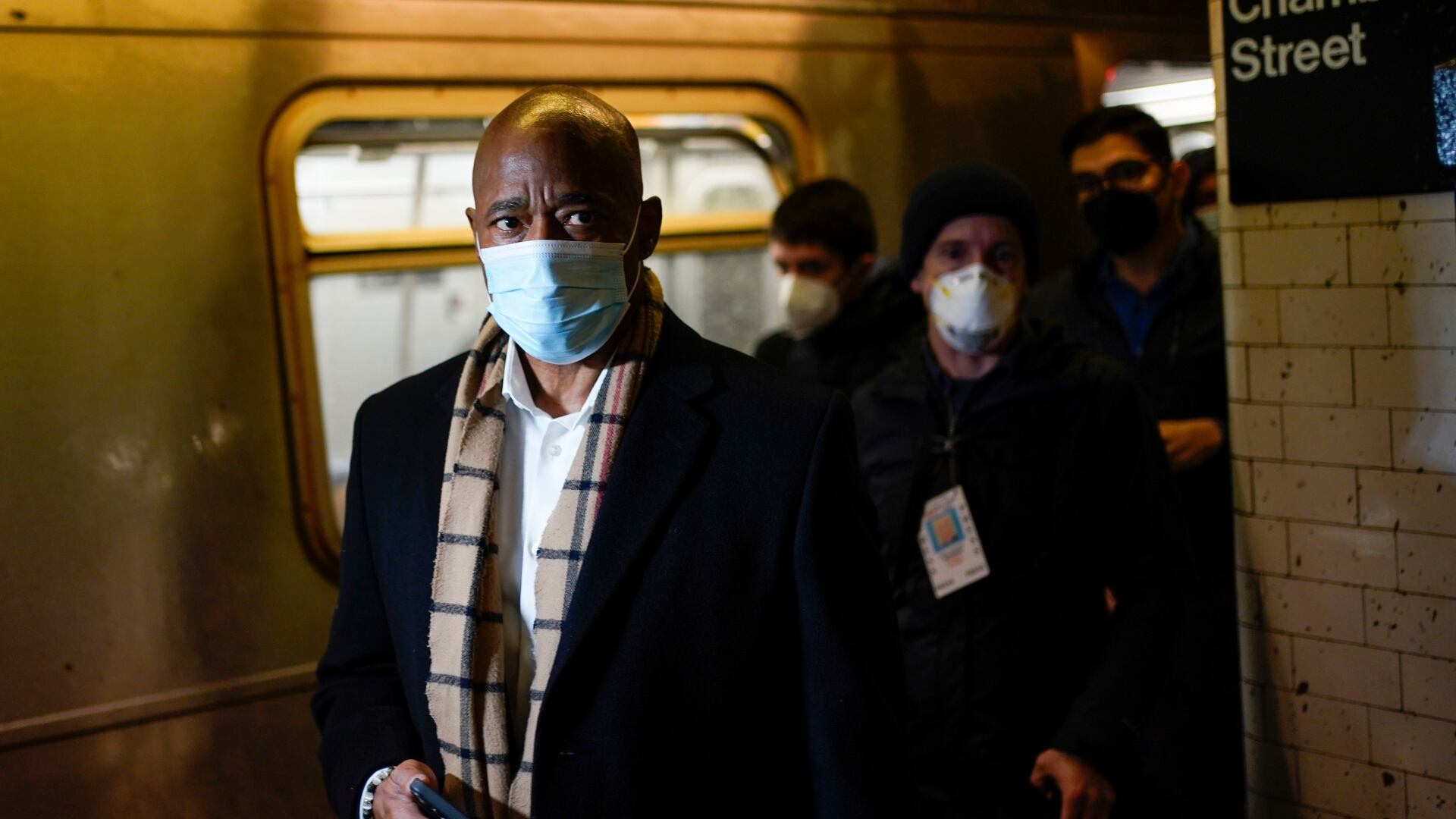
Former Brooklyn Borough President Eric Adams was sworn in as the newest Mayor of New York City. Adams is now expected to work on a number of issues such as crime and coronavirus. Erin Durkin,, reporter at PoliticoNY, joins Cheddar News to discuss more.
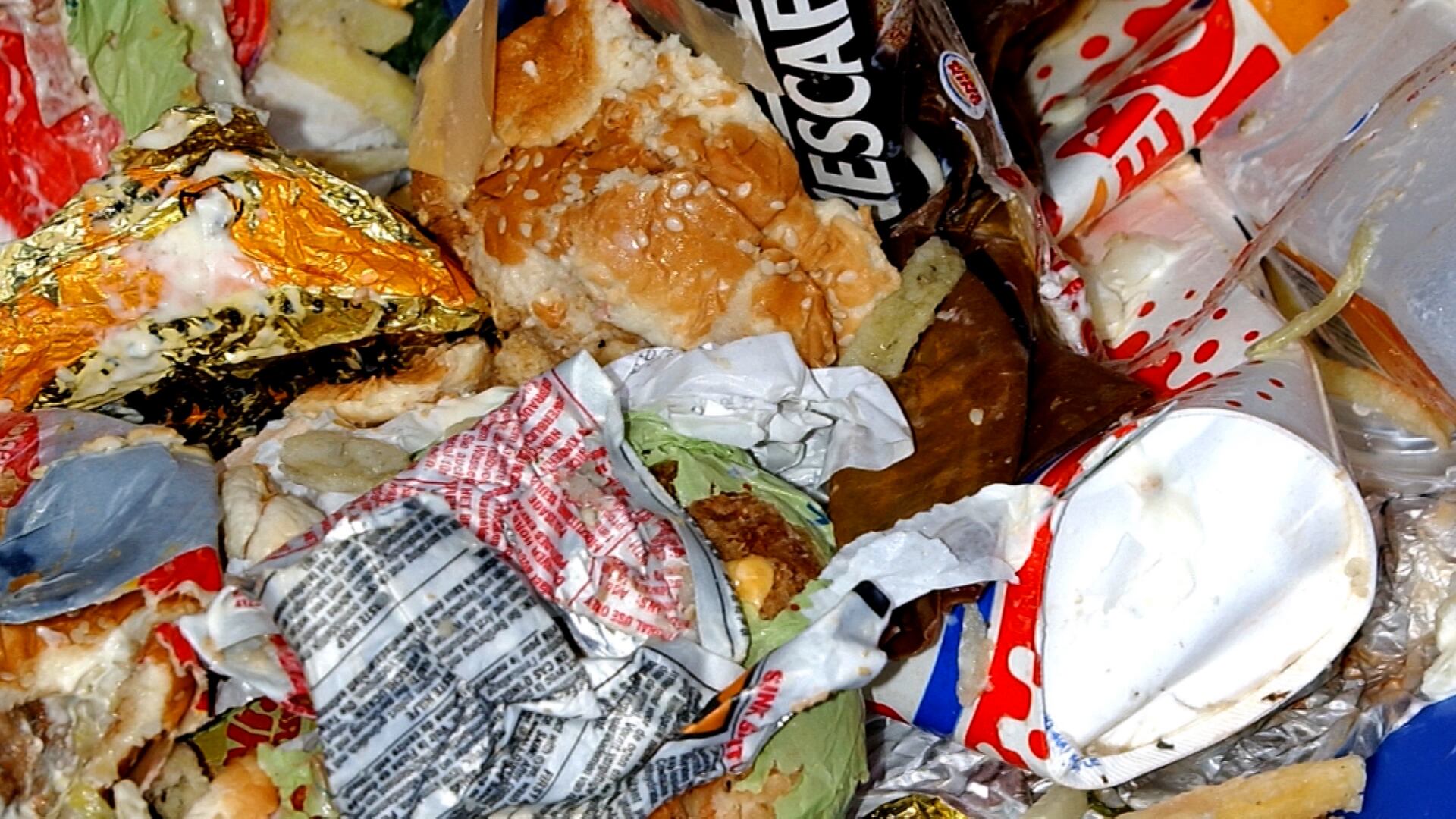
California's new composting law will affect what residents do in their kitchens. As of this week, Californians will have to recycle excess food in an effort to reduce emissions caused by food waste. Cities and counties will turn recycled food into compost or use it as a renewable energy source. California's new law is the largest mandatory residential food waste recycling program in the country. Rachel Wagoner, Director of the California Department of Resources, Recycling and Recovery called the law 'the biggest change to trash' since recycling started in the 1980s. She joined Cheddar Climate to discuss.
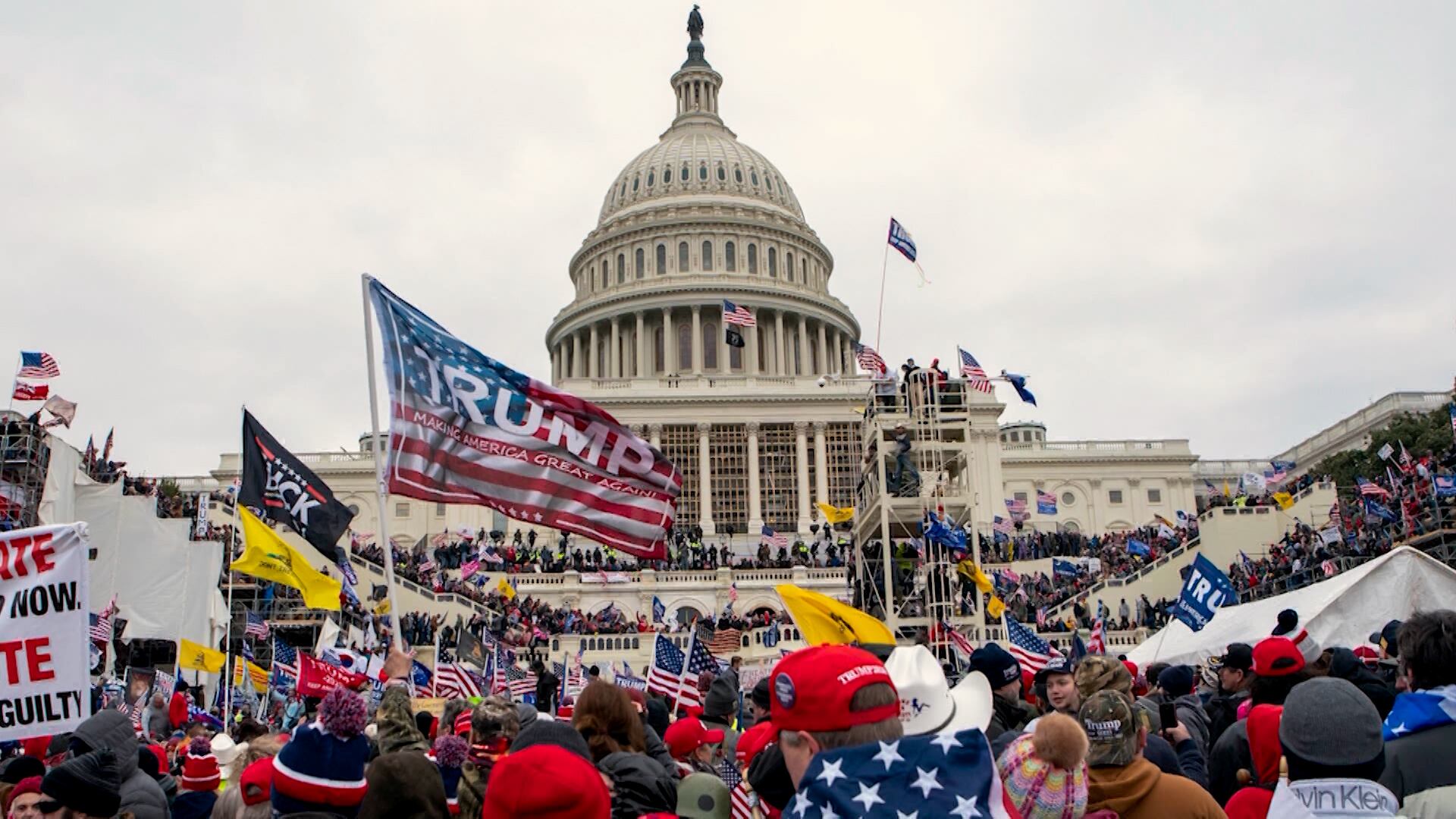
As the U.S. comes up on the first anniversary of the January 6 insurrection.,A.C. Thompson, investigative reporter at ProPublica, joined Cheddar's Baker Machado to discuss updates to American Insurrection by FRONTLINE, ProPublica and Berkeley Journalism’s Investigative Reporting Program. The documentary investigates the attack on the Capitol touched off by the lie that the presidential election was stolen from Donald Trump but with new information gleaned since the event including interviews with lawmakers and law enforcement and the evolution of groups like the Boogaloo Boys and the Proud Boys behind the attack. "In some ways those groups that were kind of the vanguard of January 6 are maybe no longer relevant because their message is everywhere," he said.