White House Says Trump Will Meet With Rosenstein Thursday
*By Christian Smith*
Deputy Attorney General Rod Rosenstein reportedly offered his verbal resignation to White House Chief of Staff John Kelly on Monday but was told to wait for the president. As of Monday evening, he still has a job ー for now.
Rosenstein's undetermined fate will have consequences for Robert Mueller's Russia investigation, said Jonna Spilbor, a former prosecutor.
"I think it is going to affect the Mueller investigation in a good way for all of those who think that this investigation has been one long run-on sentence that we need to put a period at the end of," Spilbor said Monday in an interview on Cheddar.
Several reports suggested Rosenstein would either resign or be fired Monday ー following an explosive piece in The New York Times last week that he had considered secretly taping conversations with the president and discussed soliciting cabinet members to invoke the 25th Amendment, which would start impeachment proceedings. White House Press Secretary Sarah Huckabee Sanders told reporters that Trump will meet with Rosenstein on Thursday after the president's return from the United Nations General Assembly in New York.
In the event that Rosenstein is fired, a replacement might re-invigorate the Russia probe, Spilbor said.
"The replacement for Rod Rosenstein will say, 'Ok, you've got 30 days,' ー let's pick an arbitrary number ー 'Give me my report because at the end of that 30 days, I'm going to decide if you live or die,'" Spilbor said.
The Justice Department appointed former FBI Director Robert Mueller as special counsel on May 17 of last year to lead an investigation into Russian interference in the 2016 U.S. presidential election. Multiple Trump campaign officials have pleaded guilty to charges ranging from bank fraud to obstruction of justice, but no charges related to Russian collusion have been filed ー which is why Spilbor believes the investigation is dragging.
"The investigation has been going on far too long and with far too few results. Why do we keep it going?" Spilbor said.
For full interview [click here](https://cheddar.com/videos/how-rosensteins-possible-doj-departure-could-impact-the-russia-investigation).
Stock markets around the world continue to be impacted by fears of the new Omicron COVID-19 variant. President Biden today reiterated his stance that the new strain is cause for concern, but not cause for panic. Wells Fargo Investment Institute Global Equity Strategist Scott Wren joined Cheddar News' Closing Bell to discuss.
Jill and Carlo discuss what appears to be the beginning of the end of Roe v. Wade, another victim dies following the school shooting in Michigan, Omicron in the U.S., Trump's Covid chronology and more.
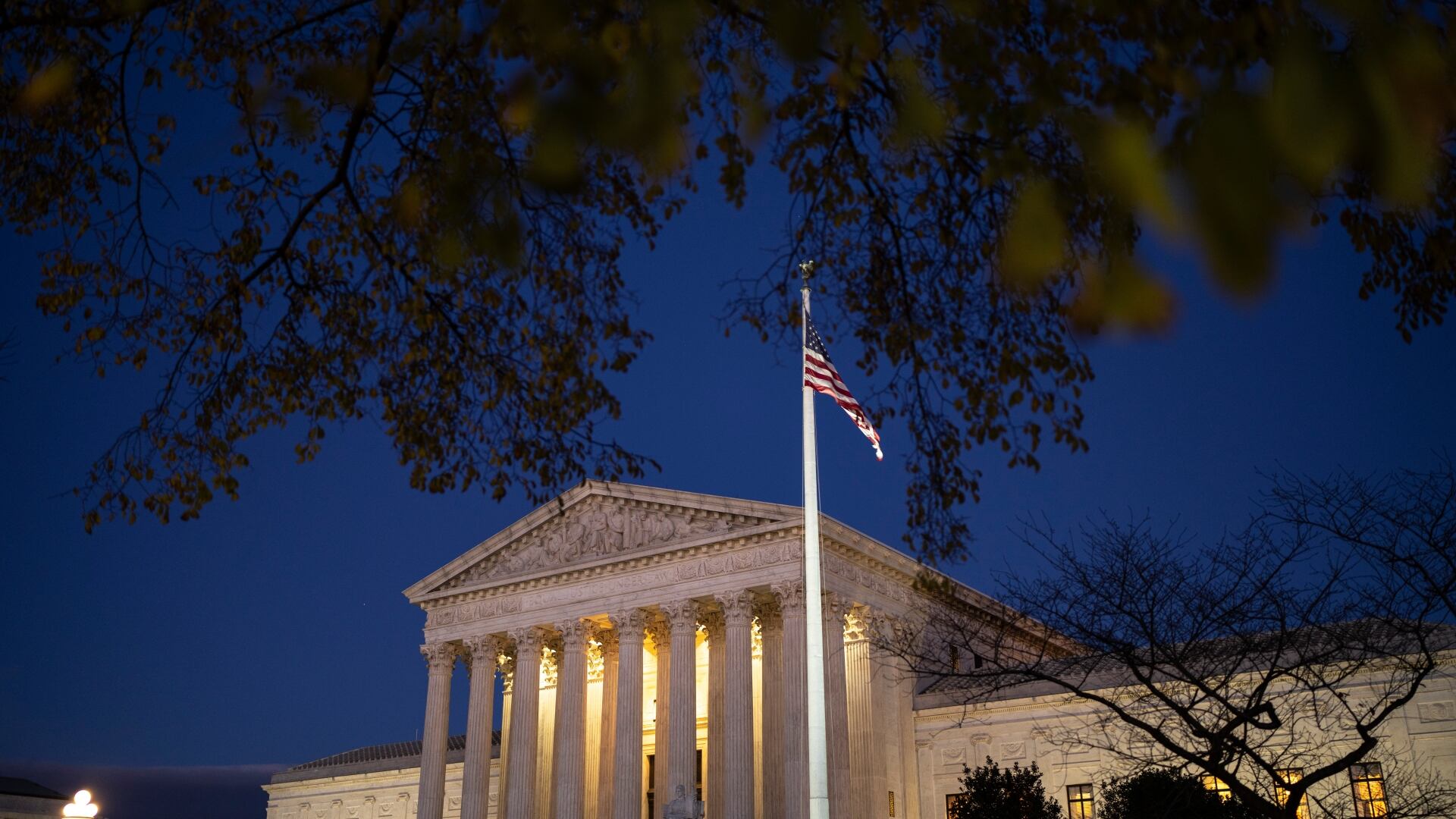
The Supreme Court appeared prepared Wednesday to uphold a Mississippi law that would ban almost all abortions after 15 weeks of pregnancy. The ruling is far from over, with Roe V. Wade at risk. Susan Rinkunas, senior reporter at Jezebel, joins Cheddar News to share the developments of the hearing.
The nine justices heard arguments Wednesday, around a Mississippi abortion law that bans the procedure after 15 weeks and appeared to lean toward upholding the law, while leaving uncertainty about the landmark precedent, Roe v. Wade. Kristin Ford, vice president of communications and research at NARAL Pro-Choice America joins Cheddar News to discuss.
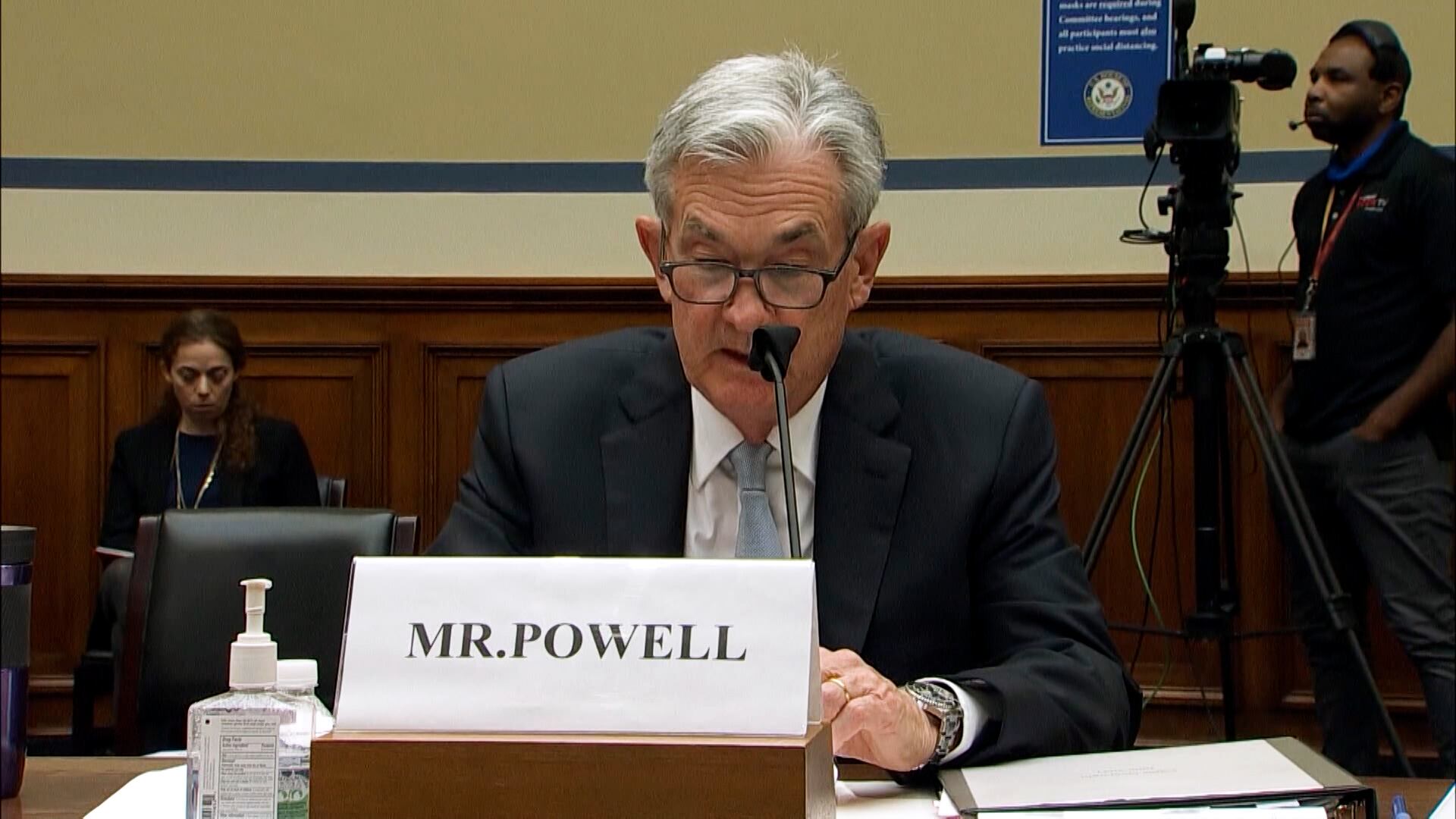
Just about a week after being re-nominated, Federal Reserve Chair Jermone Powell is changing his tune. After nearly a year of referring to inflation as 'transitory,' Powell said he will retire the 'T' word as inflation remains elevated. Christopher Russo, Post-Graduate Research Fellow, Mercatus Center joined Cheddar's Opening Bell to discuss.
Airbnb has come under fire after an Axios report found that the rental company has properties available in China's Xinjiang region where the nation has been accused of committing genocide against Uyghur Muslims, demolishing their homes, and replacing them with tourist attractions.
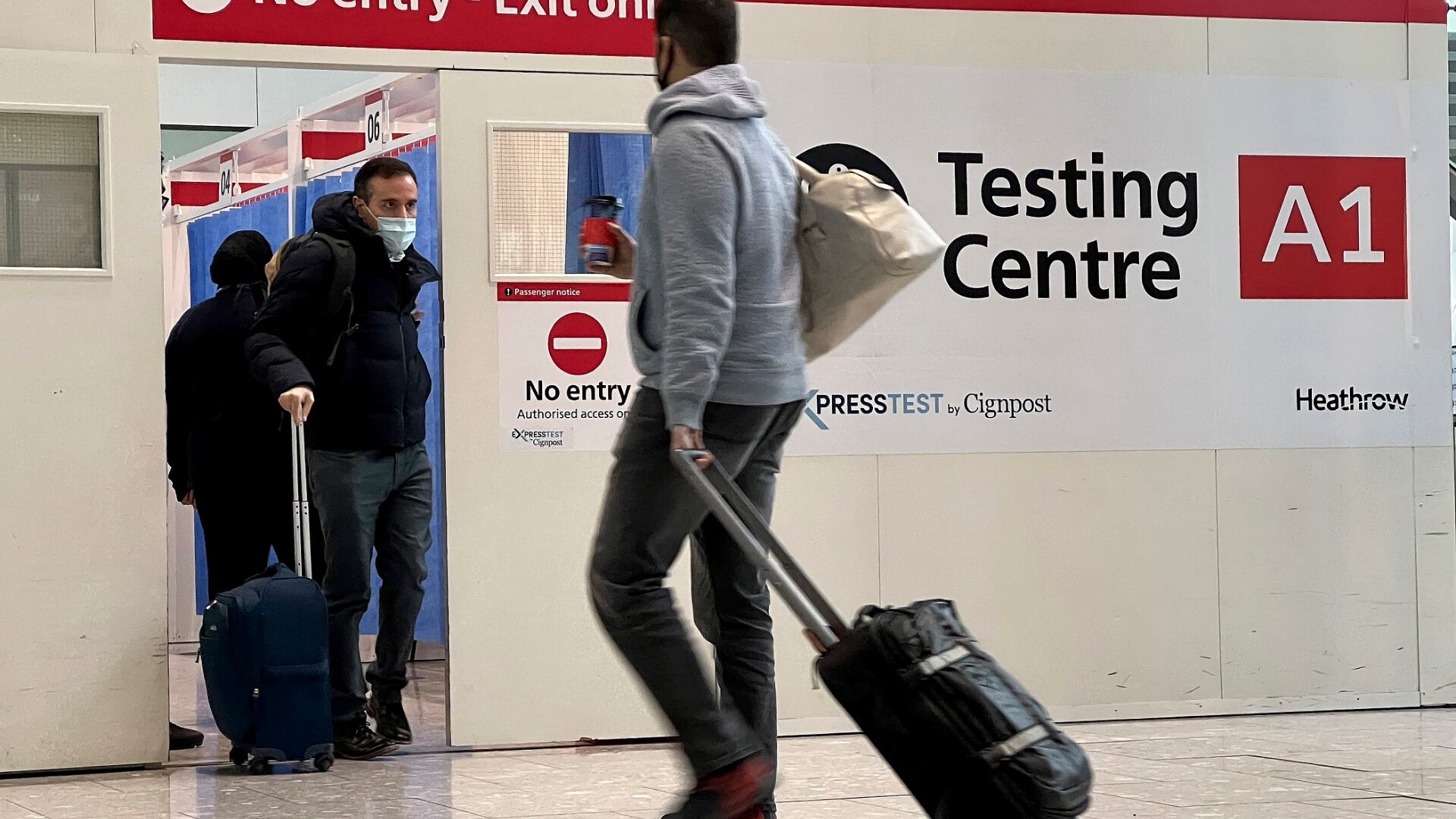
With the emergence of the omicron variant, the U.S. is considering tightening international travel guidelines. The CDC said it might reduce the window for foreign travelers to submit a negative COVID-19 test from three days prior to one day before allowing entry.