President Donald Trump speaks during a coronavirus task force briefing at the White House, Friday, April 10, 2020, in Washington. (AP Photo/Evan Vucci)
By Jill Colvin and Darline Superville
At the end of a week officials had warned would be this generation's Pearl Harbor, White House officials pointed to hopeful signs Friday that the spread of the coronavirus could be slowing, even as President Donald Trump insisted he would not move to reopen the country until it is safe.
At the same time, Trump said he would be announcing the launch of what he dubbed the "Opening Our Country" task force next Tuesday to work toward that goal.
"I want to get it open as soon as possible," he said at a Good Friday briefing while adding: "The facts are going to determine what I do."
With the economy reeling and job losses soaring, Trump has been itching to reopen the country, drawing alarm from health experts who warn that doing so too quickly could spark a deadly resurgence that could undermine current distancing efforts.
But Trump, who had once set Easter Sunday as the date he hoped people in certain parts of the country might begin to return to work and pack church pews, said he would continue to listen to health experts like Drs. Anthony Fauci and Deborah Birx as he considers what he described as the "biggest decision I've ever had to make."
"I listen to them about everything," he claimed, adding: "We're not doing anything until we know that this country is going be healthy. We don't want to go back and start doing it over again."
Trump's comments came at the end of a week that officials had warned would be a devastating one for the country. Hours earlier, Johns Hopkins University announced that the worldwide death toll from the coronavirus had hit a bleak milestone: 100,000 people. That includes about 18,000 in the U.S., where about half-million people have been confirmed infected.
More than 40 percent of the deaths in the U.S so far have happened in New York state, which reported 777 new deaths on Friday.
But there were also signs of hope, with state officials reporting that the number of people in intensive care dropped for the first time there since mid-March. Hospitalizations are also slowing, with 290 new patients admitted in a single day versus daily increases of more than 1,000 last week.
While bemoaning the death numbers as "so horrible," Trump also said, "Tremendous progress is being made."
"In the midst of grief and pain, we're seeing clear signs that our aggressive strategy is saving countless lives," he said, pointing to models that are now forecasting far fewer U.S. deaths than had originally been predicted.
Health experts have warned, however, that if the country rolls back restrictions too quickly, case levels could once again begin to soar, especially without widespread testing to determine who might be a carrier of the virus. While the new coronavirus causes mild or moderate symptoms for most people, for some, especially older adults and people with existing health problems, it can cause more severe illness or death. And research has shown that people can be highly infectious even if they are not displaying symptoms.
"When we decide, at a proper time, when we're going to be relaxing some of the restrictions, there's no doubt you're going to see cases," he said. "The question is how you respond to them."
Concerns over inflation have become one of the biggest worries for executives. A survey from The Conference Board shows that more than 900 CEOs consider inflation a top tier concern, a major shift from last year's survey that had it as a low-level concern. Rebecca Ray, Executive Vice President, Human Capital, The Conference Board joined Cheddar's Opening Bell for more.
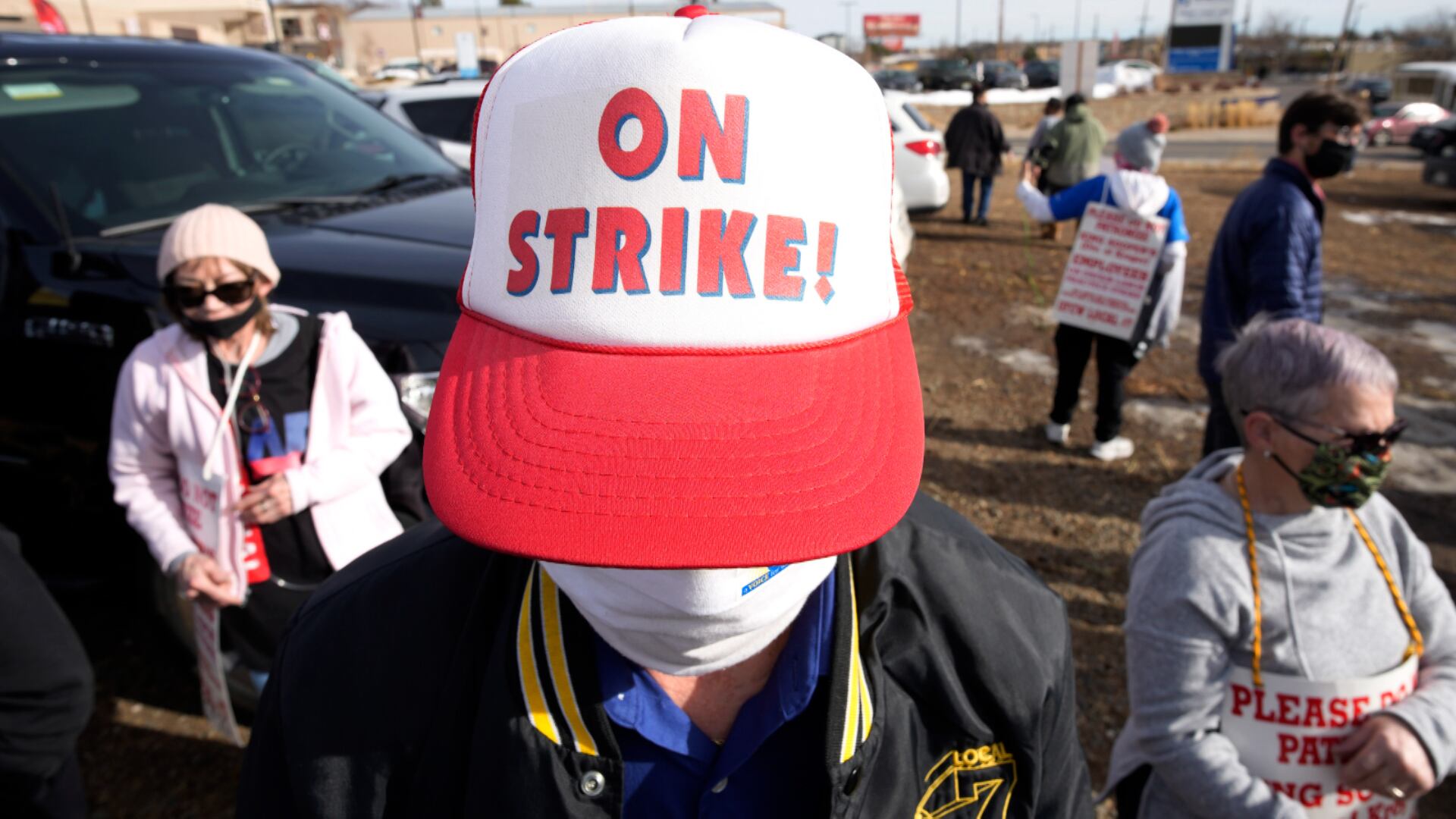
Jordan Zakarin, Media Producer at A More Perfect Union, joined Cheddar News to break down the latest from Colorado, where at least 8,700 Kroger employees walked off the job in demand of increased benefits and wages.
With the 2022 Winter Olympics in Beijing rapidly approaching, clouds of controversy continue to swirl around China's treatment of the Uyghur Muslim minority population, its surveillance state, and security for visiting athletes. Phelim Kine, China correspondent for Politico, joined Cheddar to break down the big storylines surrounding the Beijing Games and highlight what he saw as the complete disregard by top corporate sponsors like P&G, Airbnb, Intel, Visa, and Coca-Cola, for the controversies. "They spend $100 million for every Olympics that they sponsor, and they have frankly shown absolute willful indifference to any type of entreaty to essentially be more vocal about their concerns about human rights in China," he said. Kine also touched on the data privacy fears for athletes as visiting contingents are being told to carry burner phones to avoid security risks.
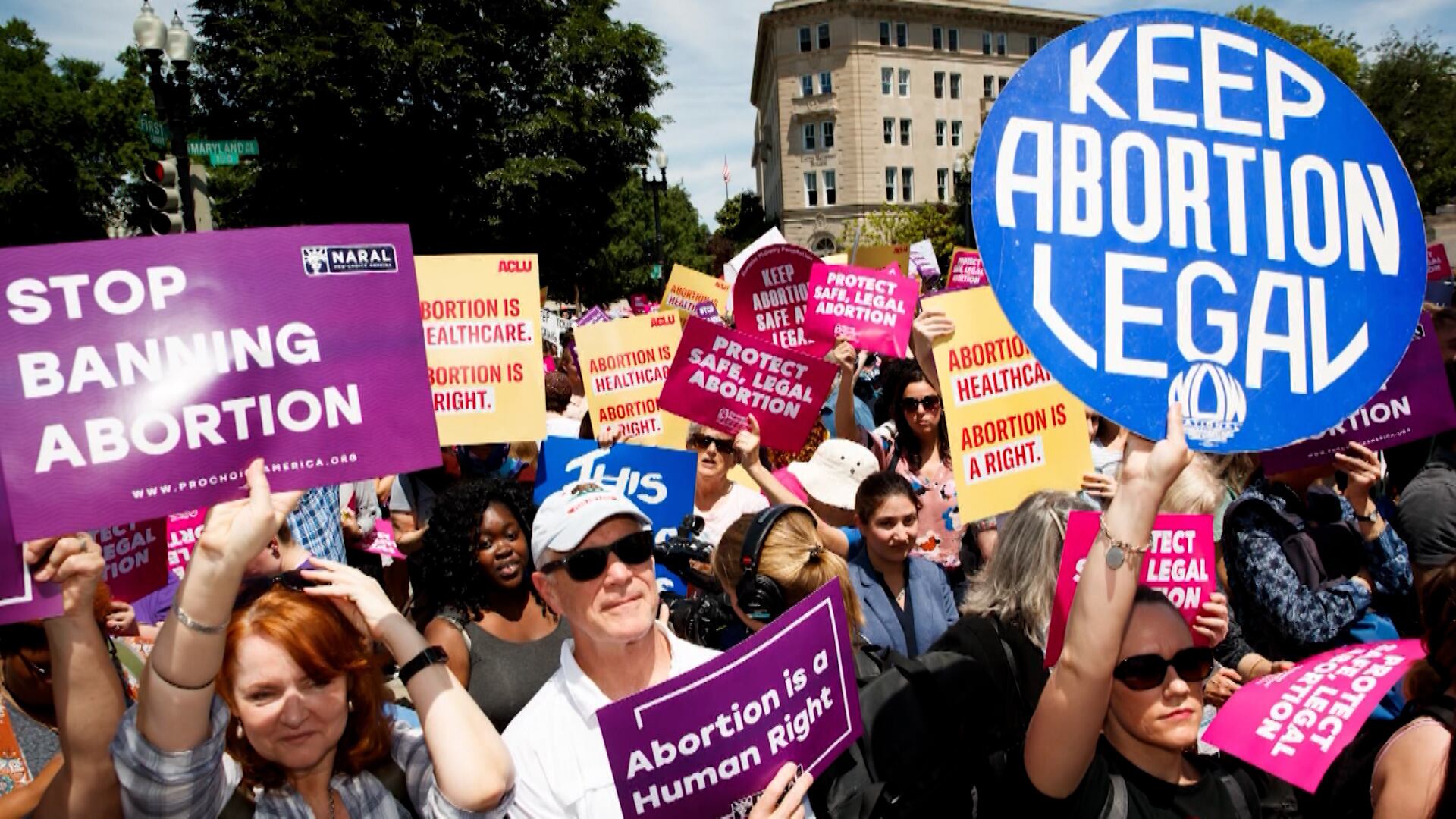
Texas's six-week abortion ban remains in effect after a federal appeals court ruling on Monday. The U.S. court of appeals for the fifth circuit temporarily transferred the case to the Texas Supreme Court, which is expected to leave the dispute in limbo for months to come. Katie Barlow, attorney and media editor of SCOTUSblog, joins Cheddar News to discuss.
Hugh Odom, founder and president of Vertical Consultants, shared his expertise on telecommunications with Cheddar on the safety issue raised about 5G deployment by airlines. The installation was partially delayed again on Tuesday as the airlines warned of potentially catastrophic delays in a letter to the Biden administration. Later, both Verizon and AT&T relented and put a pause on some of the implementations. "The first thing the Biden administration needs to do is get everybody in the room and say, look, aviation industry, identify the problem — wireless industry, come up with a solution," said Odom.
Dave Levinthal, deputy Washington Bureau chief at Insider, joins Cheddar News to discuss Gallup's new survey that reveals more Americans leaned Republican by the end of 2021.
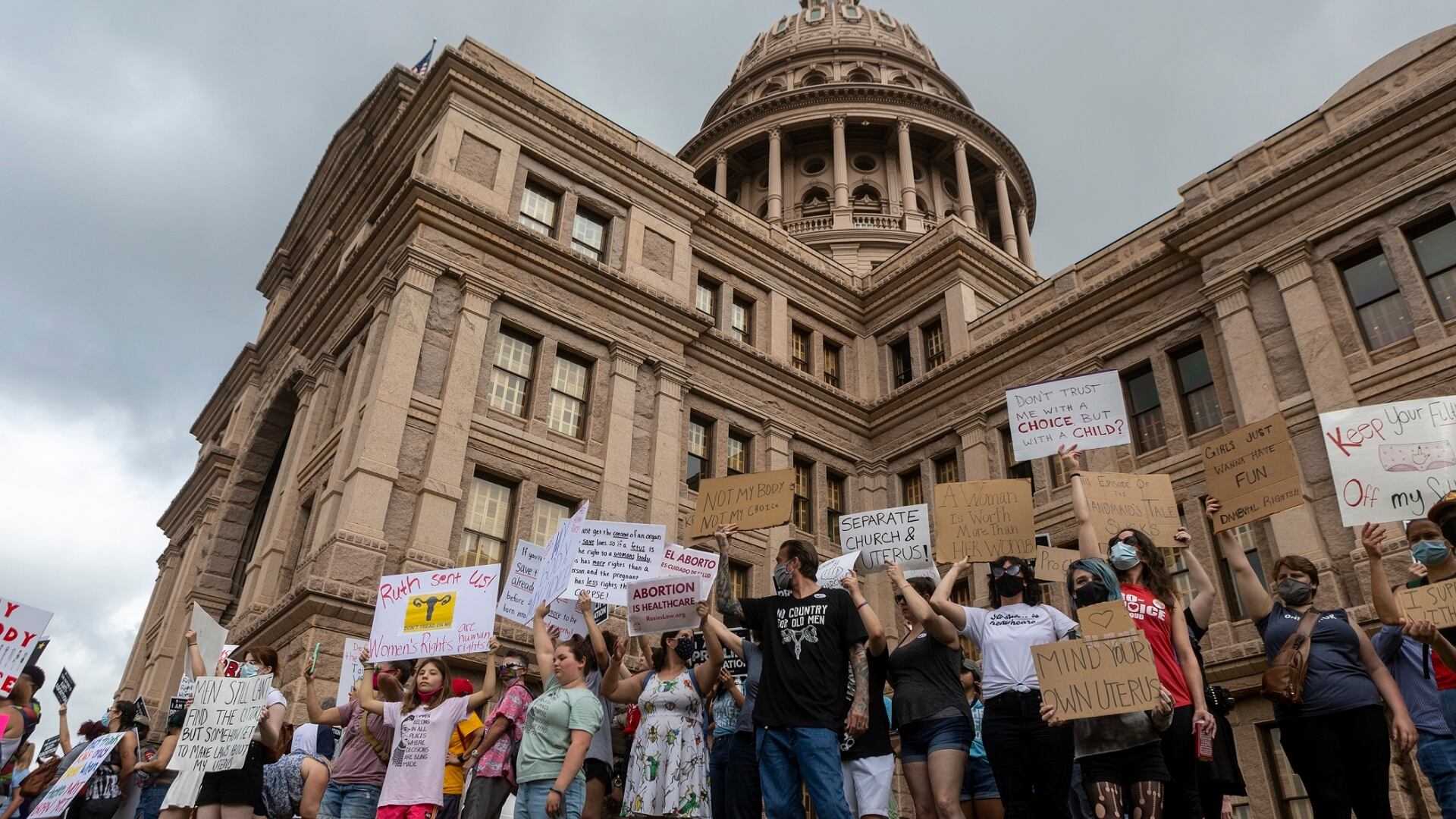
Women's March ATX rally, Saturday, Oct., 2, 2021, at the Texas State Capitol in Austin, Texas. An expected decision by the U.S. Supreme Court in the coming year to severely restrict abortion rights or overturn Roe v. Wade entirely is setting off a renewed round of abortion battles in state legislatures. (AP Photo/Stephen Spillman, File)
Inflation in the U.S. is only getting hotter. The 12-month inflation rate for December 2021 was the highest in nearly 40 years - continuing the trend seen at the close of 2021.
The Consumer Price Index increased 7% in the 12-month period ending in December, marking the fastest increase since 1982. Scott Wren, Senior Global Market Strategist at Wells Fargo Investment Institute, joined Cheddar's Movers for more.
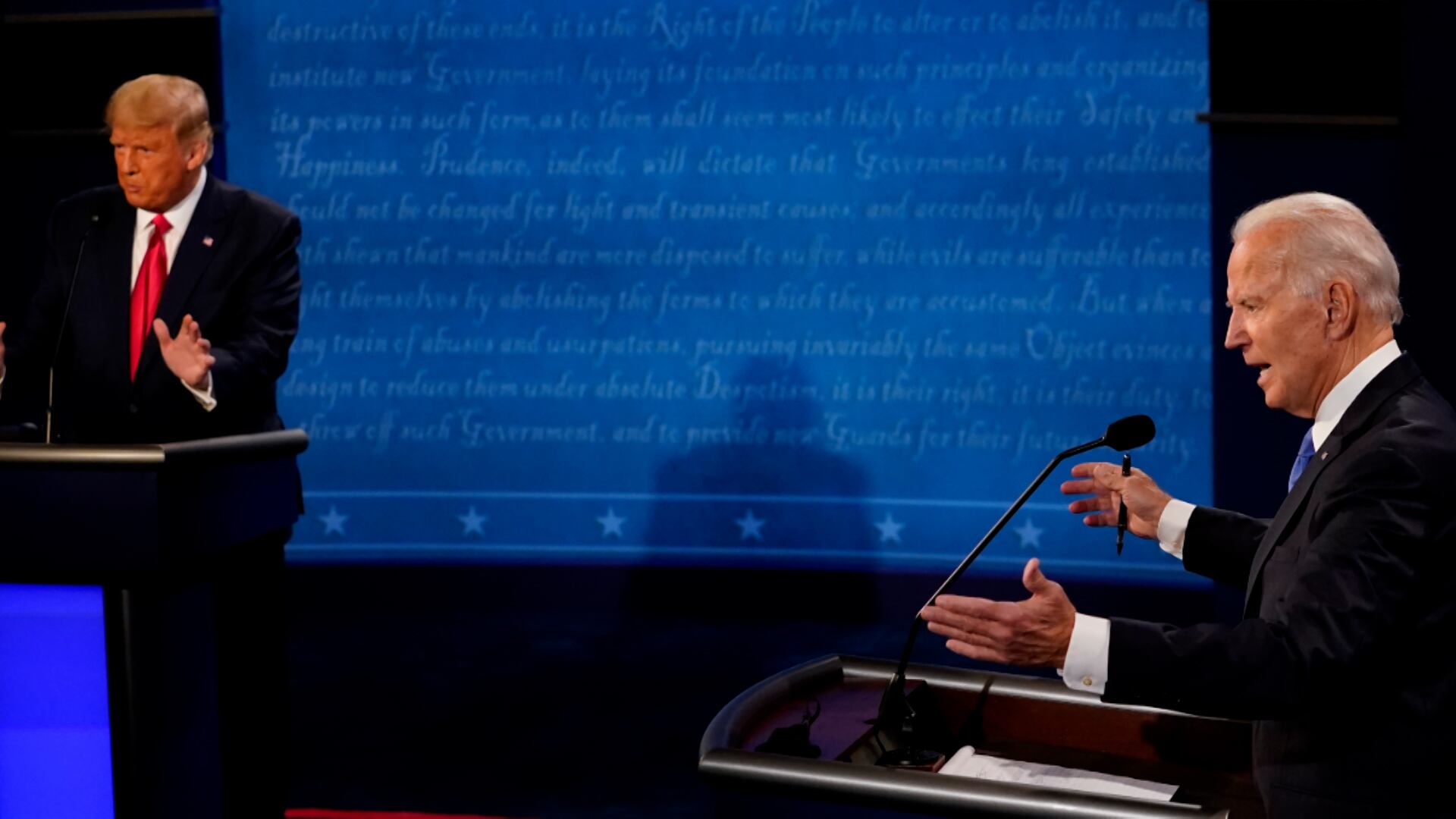
If President Biden runs for re-election in 2024, he may not have anyone to debate. The Republican National Committee sent a letter to the commission on presidential debates, saying the RNC will require candidates to pledge not to participate in those general election debates. Paris Dennard, RNC national spokesperson, joins Cheddar News to discuss.