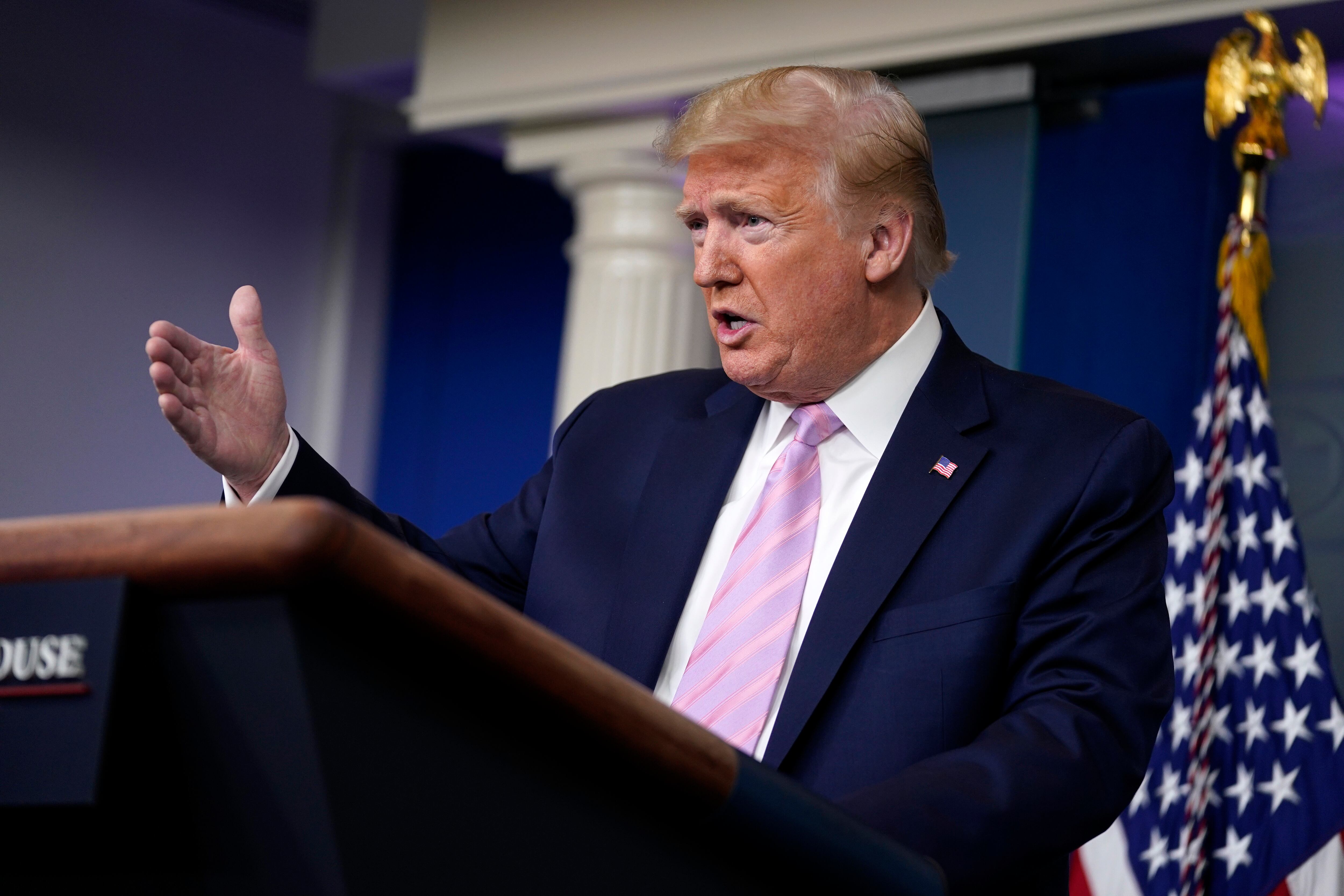
President Donald Trump speaks during a coronavirus task force briefing at the White House, Friday, April 10, 2020, in Washington. (AP Photo/Evan Vucci)
By Jill Colvin and Darline Superville
At the end of a week officials had warned would be this generation's Pearl Harbor, White House officials pointed to hopeful signs Friday that the spread of the coronavirus could be slowing, even as President Donald Trump insisted he would not move to reopen the country until it is safe.
At the same time, Trump said he would be announcing the launch of what he dubbed the "Opening Our Country" task force next Tuesday to work toward that goal.
"I want to get it open as soon as possible," he said at a Good Friday briefing while adding: "The facts are going to determine what I do."
With the economy reeling and job losses soaring, Trump has been itching to reopen the country, drawing alarm from health experts who warn that doing so too quickly could spark a deadly resurgence that could undermine current distancing efforts.
But Trump, who had once set Easter Sunday as the date he hoped people in certain parts of the country might begin to return to work and pack church pews, said he would continue to listen to health experts like Drs. Anthony Fauci and Deborah Birx as he considers what he described as the "biggest decision I've ever had to make."
"I listen to them about everything," he claimed, adding: "We're not doing anything until we know that this country is going be healthy. We don't want to go back and start doing it over again."
Trump's comments came at the end of a week that officials had warned would be a devastating one for the country. Hours earlier, Johns Hopkins University announced that the worldwide death toll from the coronavirus had hit a bleak milestone: 100,000 people. That includes about 18,000 in the U.S., where about half-million people have been confirmed infected.
More than 40 percent of the deaths in the U.S so far have happened in New York state, which reported 777 new deaths on Friday.
But there were also signs of hope, with state officials reporting that the number of people in intensive care dropped for the first time there since mid-March. Hospitalizations are also slowing, with 290 new patients admitted in a single day versus daily increases of more than 1,000 last week.
While bemoaning the death numbers as "so horrible," Trump also said, "Tremendous progress is being made."
"In the midst of grief and pain, we're seeing clear signs that our aggressive strategy is saving countless lives," he said, pointing to models that are now forecasting far fewer U.S. deaths than had originally been predicted.
Health experts have warned, however, that if the country rolls back restrictions too quickly, case levels could once again begin to soar, especially without widespread testing to determine who might be a carrier of the virus. While the new coronavirus causes mild or moderate symptoms for most people, for some, especially older adults and people with existing health problems, it can cause more severe illness or death. And research has shown that people can be highly infectious even if they are not displaying symptoms.
"When we decide, at a proper time, when we're going to be relaxing some of the restrictions, there's no doubt you're going to see cases," he said. "The question is how you respond to them."
Big Apple workers who deliver for food apps like Doordash and Grubhub will now receive a number of legal protections provided through a package of new regulations that have started going into effect. These updated rules include more control over their deliveries, pay and tip transparency, a higher minimum pay rate, and access to restaurant bathrooms during the workday. New York City Comptroller Brad Lander joined Cheddar to elaborate on the regulations and how the platform holders reacted. "I have to say it's a mixed bag," he said. "Grubhub actually welcomed the legislation and said they recognize they need to do better by their deliveristas, but DoorDash, unfortunately, has actually been pushing back against the legislation."
Thomas Hoenig, Former CEO of Federal Reserve Bank of Kansas City and currently Distinguished Senior Fellow with the Mercatus Center, joined Cheddar News' Closing Bell, where he says the Fed's decision was no surprise, but believes the Fed is behind the curve on raising rates.
Legal cannabis businesses are having a hard time surviving in California with the high cost of doing business and a still-thriving illicit market. In response, nonprofit Supernova Women, founded by women of color, is advocating on behalf of Black and brown shareholders in the cannabis industry. Amber Senter, co-founder, executive director, and chairman of the organization, spoke with Cheddar News about calling for changes in the Golden State's taxation system for legal marijuana. "We're really leaning on the legislators now to support the industry and make sure that this industry, in particular craft cannabis, can survive," said Senter.
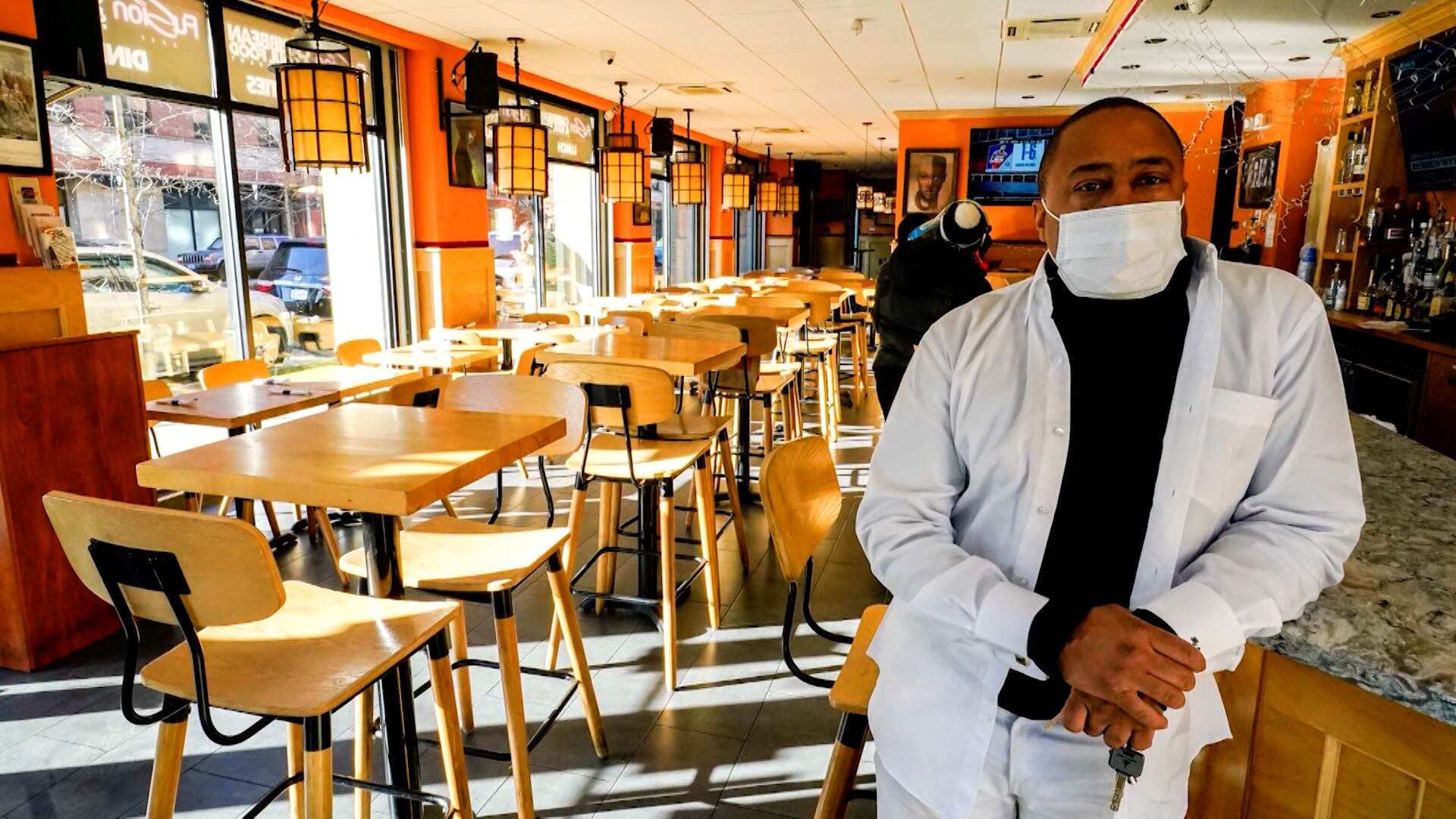
After being among the hardest-hit industries by the pandemic, restaurants are still having a hard time staying afloat, with owners claiming that business is worse now due to closures from staff shortages and customer decline than it was three months ago. Mike Whatley, vice president of state affairs and grassroots advocacy for the National Restaurant Association, spoke to Cheddar News about how the sector is reaching out to lawmakers for help. "Working with Senators Wicker, Sinema, and a whole host of bipartisan leaders, we're trying to get the Restaurant Revitalization Fund replenished," Whatley said.
Communities of color are disproportionately affected by climate change and continuously feel the impacts. Mark Magaña, founding president and CEO of Green Latinos joined All Hands to discuss.
The memoir, "COMPROMISED: Counterintelligence and the Threat of Donald J. Trump", tells a familiar story from a bit of a different source: Peter Strzok himself, former FBI Counterintelligence Agents and Agency Veteran who spent most of his very long career investigating some of the most controversial inquiries, most notably in recent American history. Those inquiries were Hillary Clinton's email to even Trump Russia investigations. Former FBI Agent and Author of "Compromised" Peter Strzok, joined Cheddar to discuss more.
President Biden's first year did not come to the close that he had hoped after last night's Senate vote blocked the voting rights bill, a priority that Biden has promoted since his inauguration. Joining us to discuss the voting rights bill, and many others passing through congress is congresswoman Lori Trahan, representing Massachusett's 3rd district.