The weather is breaking in parts of the U.S., and people are anxious to get outside and meet up. White Claw Hard Seltzer is hoping to capitalize as friends begin to mingle after a year of pandemic lockdowns.
The boozy beverage brand is introducing White Claw Surge, available in blood orange and cranberry flavors, which takes summer sipping to a new level with its 8 percent alcohol content, a 3 percent jump from existing products. John Shea, chief marketing officer at White Claw Hard Seltzer, said the brand was inspired by its consumer base to create the new line of beverages.
"We've got the biggest fanbase, extremely passionate. We don't have to look too far when we're looking for new inspiration on new products," Shea told Cheddar. "They're vocal about it and we've got kind of built-in consumer research just by following social media, so that's where we take our lead."
The brand is also rolling out a line of alcoholic iced teas that will be available in lemon, raspberry, peach, and mango. Those teas, however, will retain the typical 5 percent alcohol content.
With demand for hard seltzer on the rise in the U.S. Shea said the company has already taken steps to make sure there is enough product heading to store shelves by building two "breweries." He said the factories will help the brand remain the leader in the hard seltzer category.
"There's been a big wave into the hard seltzer market. Last year at this time we had about six competitors. Now there's about 170. White Claw's bigger than all of them combined. So our fans have really gotten behind the product and are looking for new innovation, and that's what we're bringing to them," he said.
Shea said the company plans to maintain its position at the top of the hard seltzer category by continuing to listen to its consumers and elevating its offerings with quality products.
"It really starts with the liquid, an amazing, refreshing liquid, and then for White Claw, it's just about pure uncomplicated fun. It's a simple product, light flavors, really refreshing," he noted.
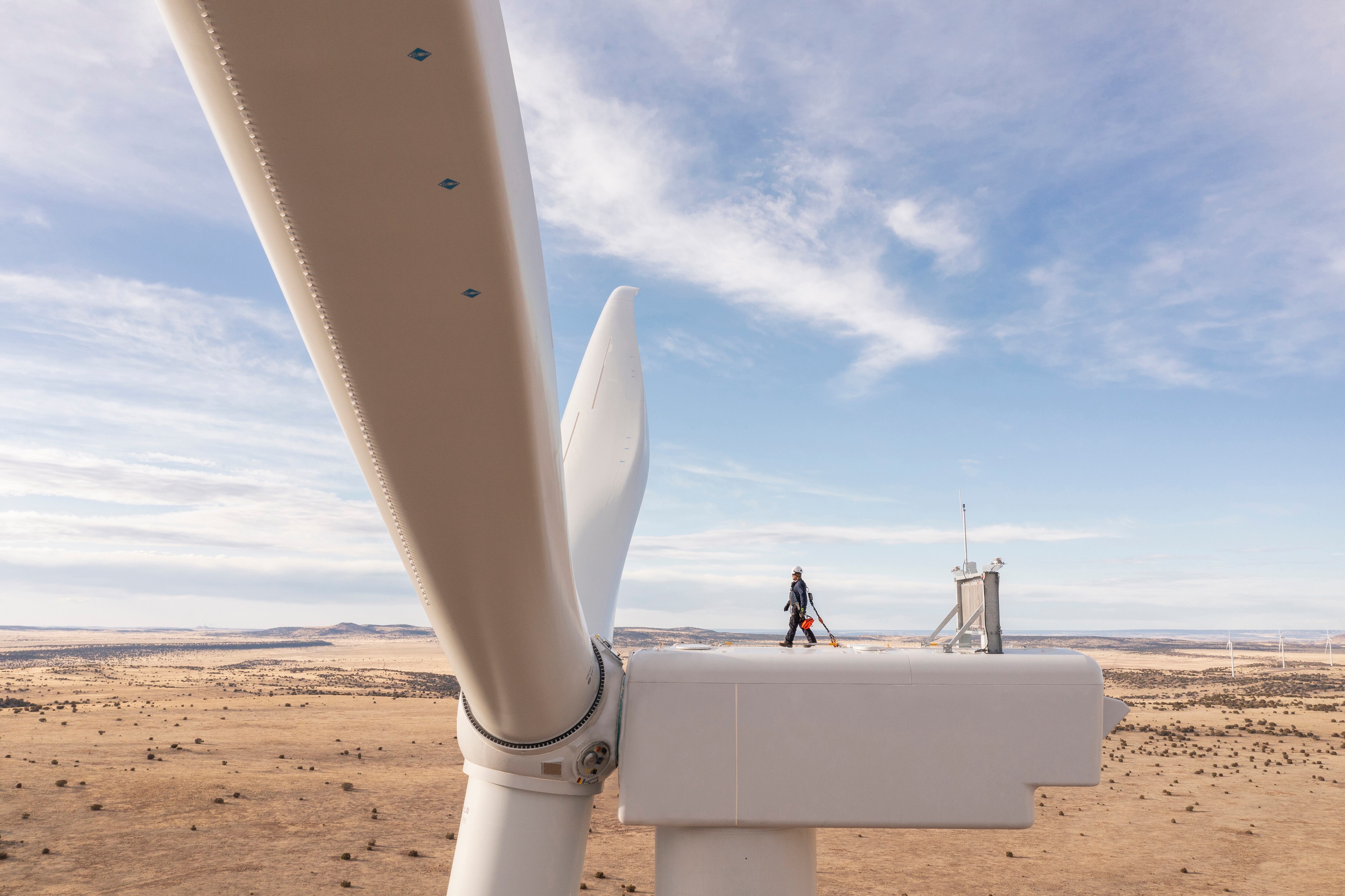
One of the world's largest renewable energy developers will be getting hundreds of wind turbines from General Electric spinoff GE Vernova as part of a record equipment order and long-term service deal.
Consider this your sign to pack your bags. Airbnb says Colorado Springs will be a top travel destination in 2024.
A moon landing attempt by a private US company appears doomed because of a fuel leak on the newly launched spacecraft. Astrobotic Technology managed to orient the lander toward the sun Monday so its solar panel could capture sunlight and charge its onboard battery.
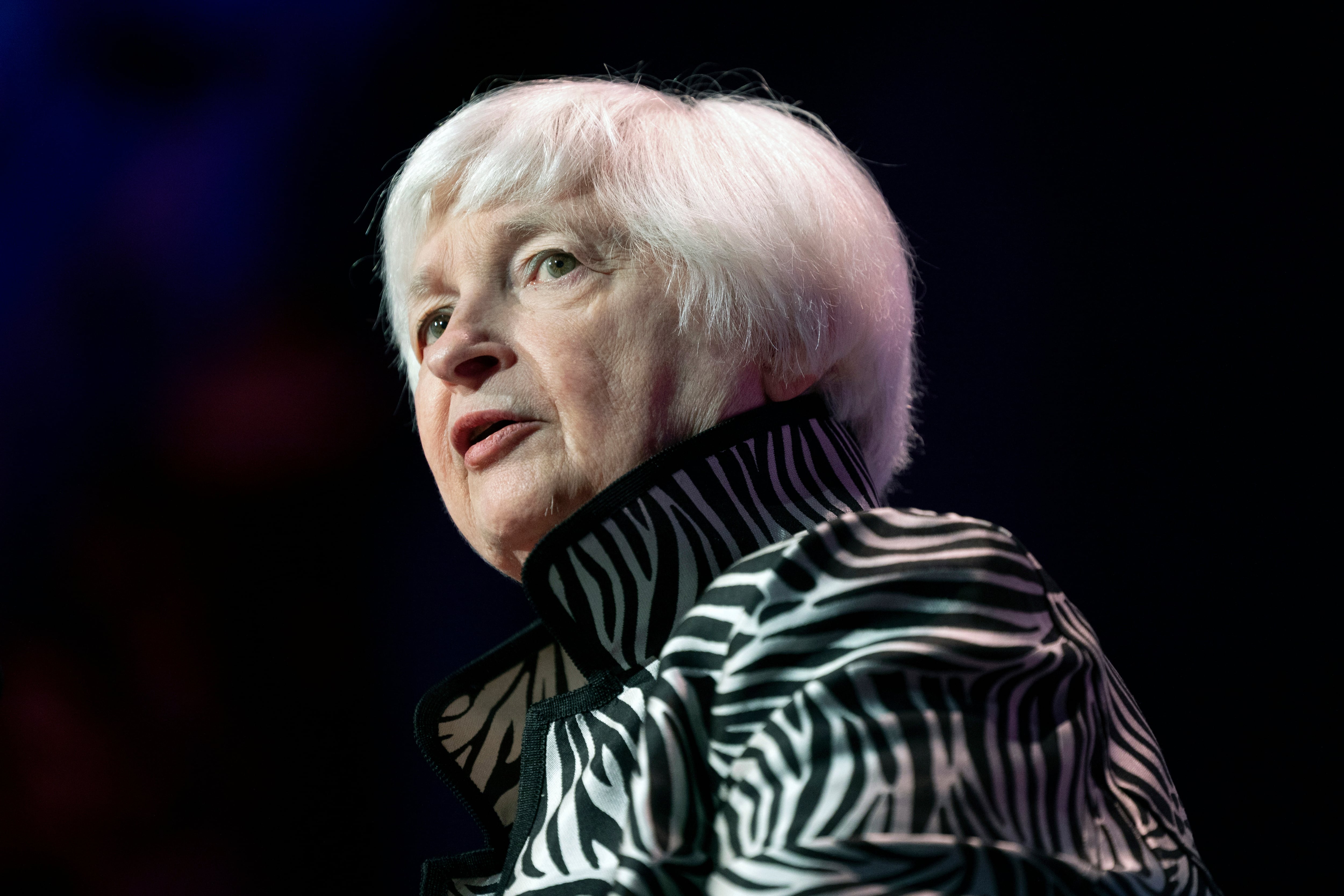
Treasury Secretary Janet Yellen has announced that 100,000 businesses have signed up for a new database that collects ownership information intended to help unmask shell company owners. Yellen says the database will send the message that “the United States is not a haven for dirty money.”
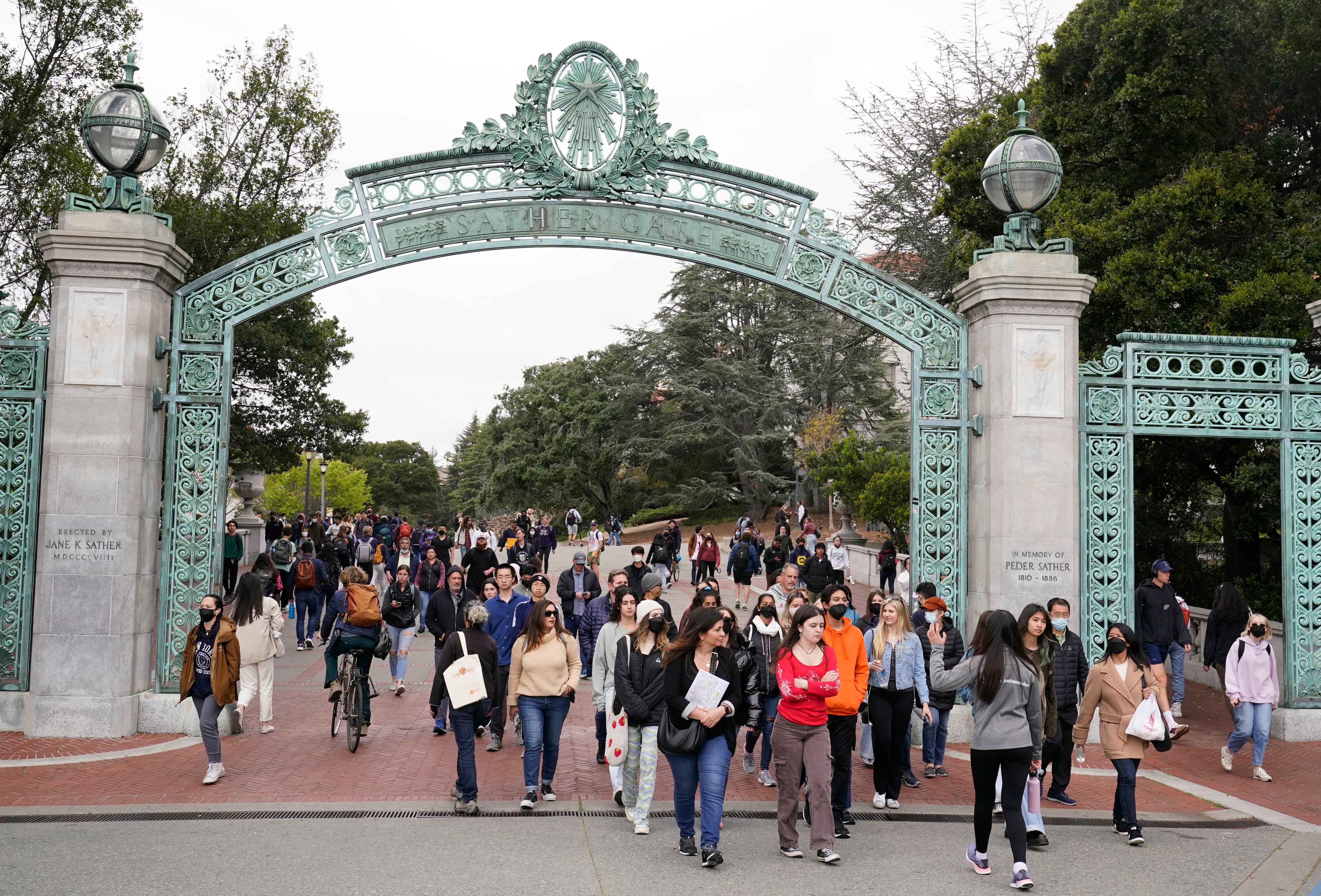
A new version of the federal student aid application known as the FAFSA is available for the 2024-2025 school year, but only on a limited basis as the U.S. Department of Education works on a redesign meant to make it easier to apply.
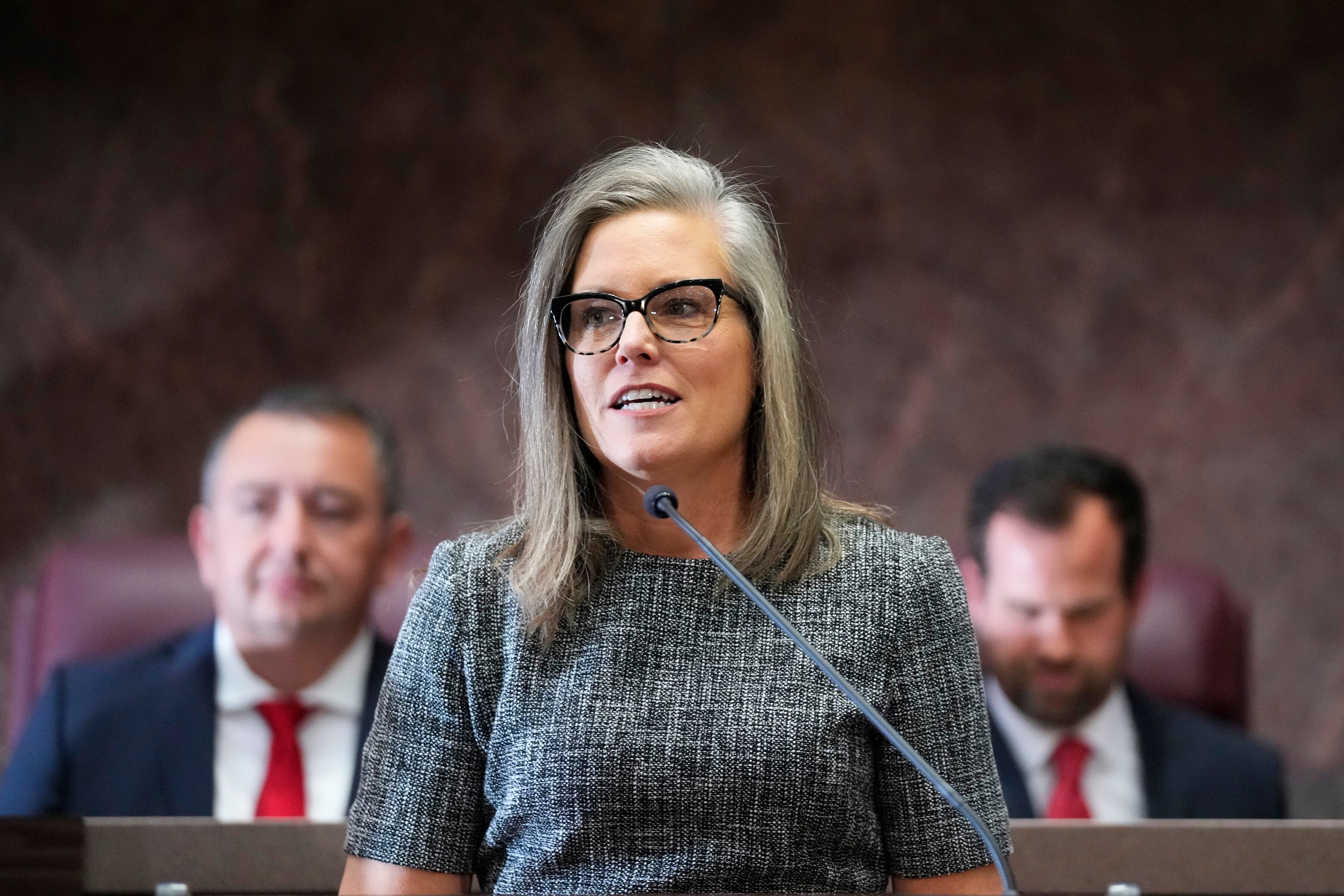
A steep budget deficit caused by plummeting tax revenues and escalating school voucher costs will be in focus Monday as Democratic Gov. Katie Hobbs and the Republican-controlled Arizona Legislature return for a new session at the state Capitol.
The first U.S. lunar lander in more than 50 years is on its way to the moon. The private lander from Astrobotic Technology blasted off Monday from Cape Canaveral, Florida, catching a ride on United Launch Alliance's brand new rocket Vulcan.
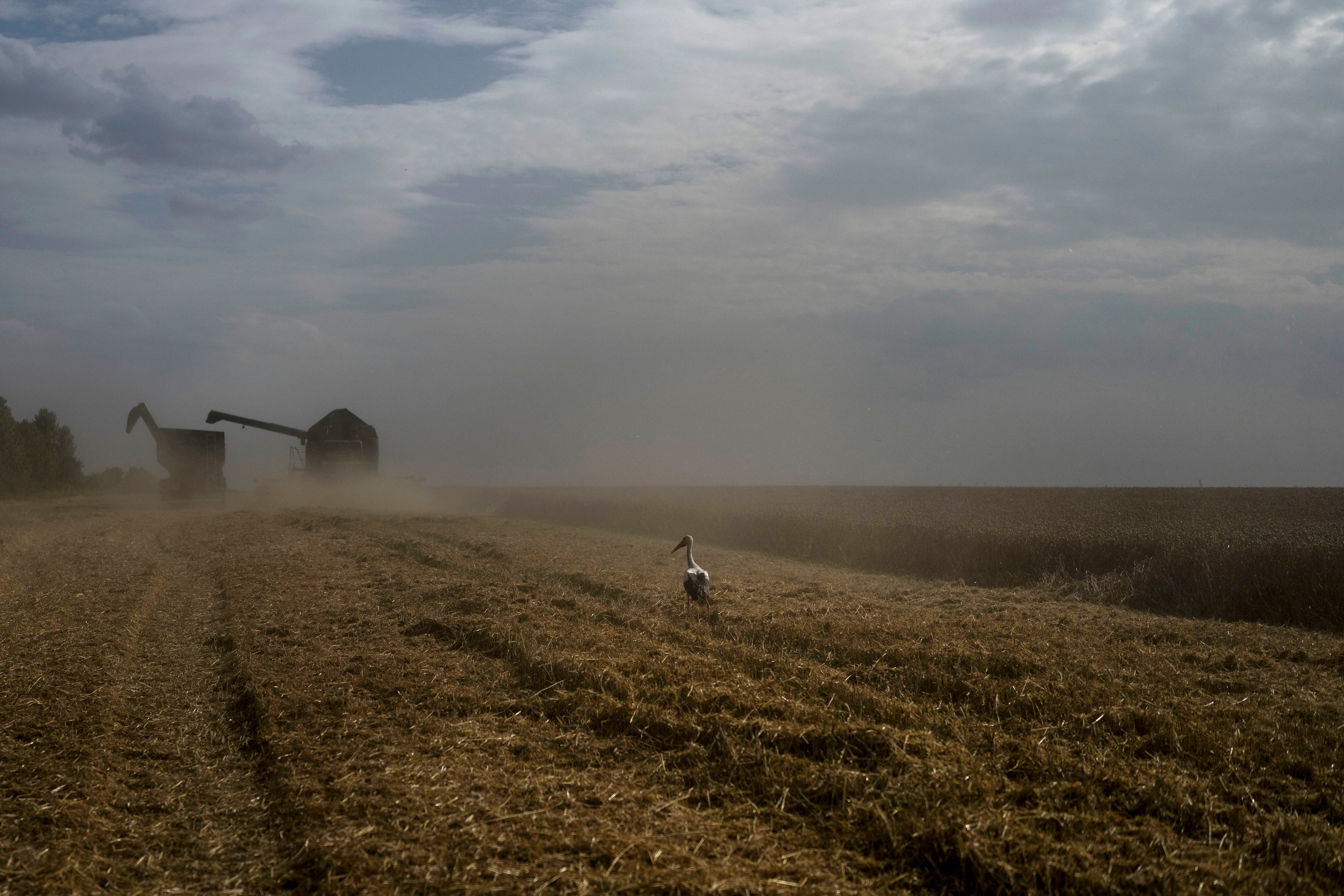
Global prices for food commodities like grain and vegetable oil fell last year from record highs in 2022, when Russia’s war in Ukraine, drought and other factors helped worsen hunger worldwide, the U.N. Food and Agriculture Organization said Friday.
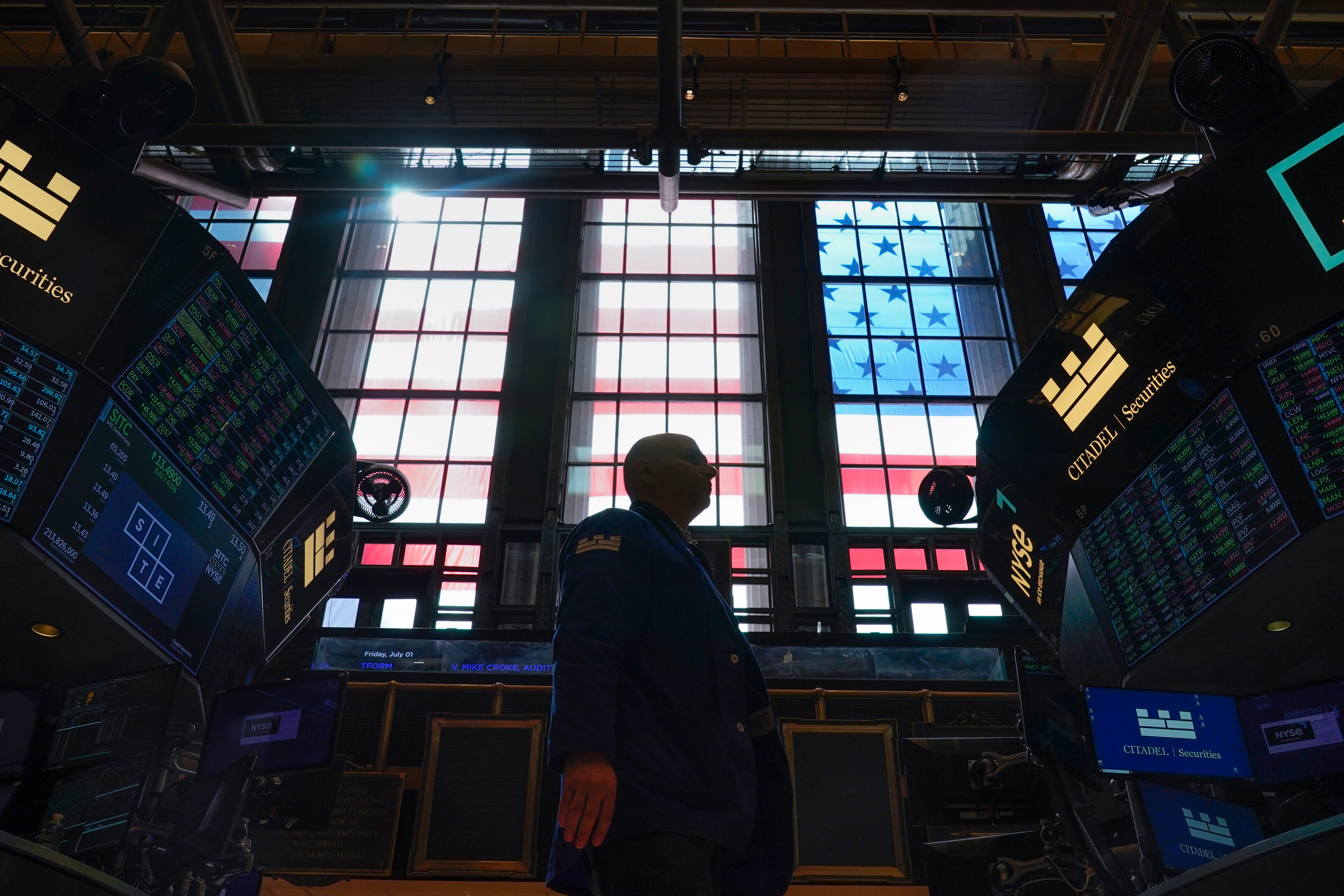
Wall Street is drifting higher after reports showed the job market remains solid, but key parts of the economy still don’t look like they’re overheating.
The Biden administration is docking more than $2 million in payments to student loan servicers that failed to send billing statements on time after the end of a pandemic payment freeze.