When the Justice Department last month received an explosive allegation by a whistleblower who claimed President Trump had asked his Ukrainian counterpart to investigate Joe Biden, federal investigators apparently closed the case within weeks without conducting any interviews, relying instead almost entirely on a non-verbatim summary of the conversation.
That decision has sparked sharp questions from lawmakers, legal experts, and former federal prosecutors, who insist that the Justice Department's handling of the investigation marked a pronounced departure from basic investigative practices, especially for an allegation of such magnitude.
"This whole thing is mind-boggling," says Nick Akerman, a former Watergate special prosecutor. "You can't just look at the 'transcript' to see if there's a crime here. If the transcript is unreliable to begin with, you've got to be bringing people in to see if it's accurate and context. They just reviewed this stupid transcript – that's insane."
The development has once again thrust an embattled Justice Department and its top official, Attorney General William Barr, back into the spotlight, just months after Barr came under intense scrutiny for his handling of special counsel Robert Mueller's investigation into Russian interference in the 2016 election.
House Judiciary Chairman Jerrold Nadler, (D-N.Y.), has called on Barr to recuse himself from the matter.
According to the call memo released by the White House, Trump referenced Barr five times by name or title. The Justice Department, in a statement, said that Barr was only "notified of the President's conversation with Ukrainian President Zelensky several weeks after the call took place," and that Trump has neither asked the attorney general to contact Ukraine nor spoken with him "about having Ukraine investigate anything relating to former Vice President Biden or his son."
However, former federal prosecutors say that interviewing the attorney general should have been a key part of the department's inquiry into whether to further pursue the allegations.
"If you're someone at the Justice Department making a decision whether there's a crime here, Barr is a potential witness," says Dennis Burke, a former prosecutor and senior official at the Justice Department.. "He's referenced in it, and you don't know until you interview people – did he know about this? Was this all pre-planned? There's only one way to find out: 'We're going to go interview the AG.'"
"I don't know how you don't interview him; if this file is dropped on my desk, I can't close this case or make a determination until I interview Barr."
Intelligence officials in August informed the Justice Department that the inspector general for the Intelligence Community had received a complaint from an anonymous whistleblower, who alleged that Trump in July "sought to pressure" Zelensky "to take actions to help the President's 2020 election bid," according to a letter from the inspector general that was made public Thursday.
The whistleblower's complaint, also released Thursday, suggested the president's request to investigate the Bidens may have been tied to his decision to withhold security aid to Ukraine and a prestigious invitation for Zelensky to visit the White House.
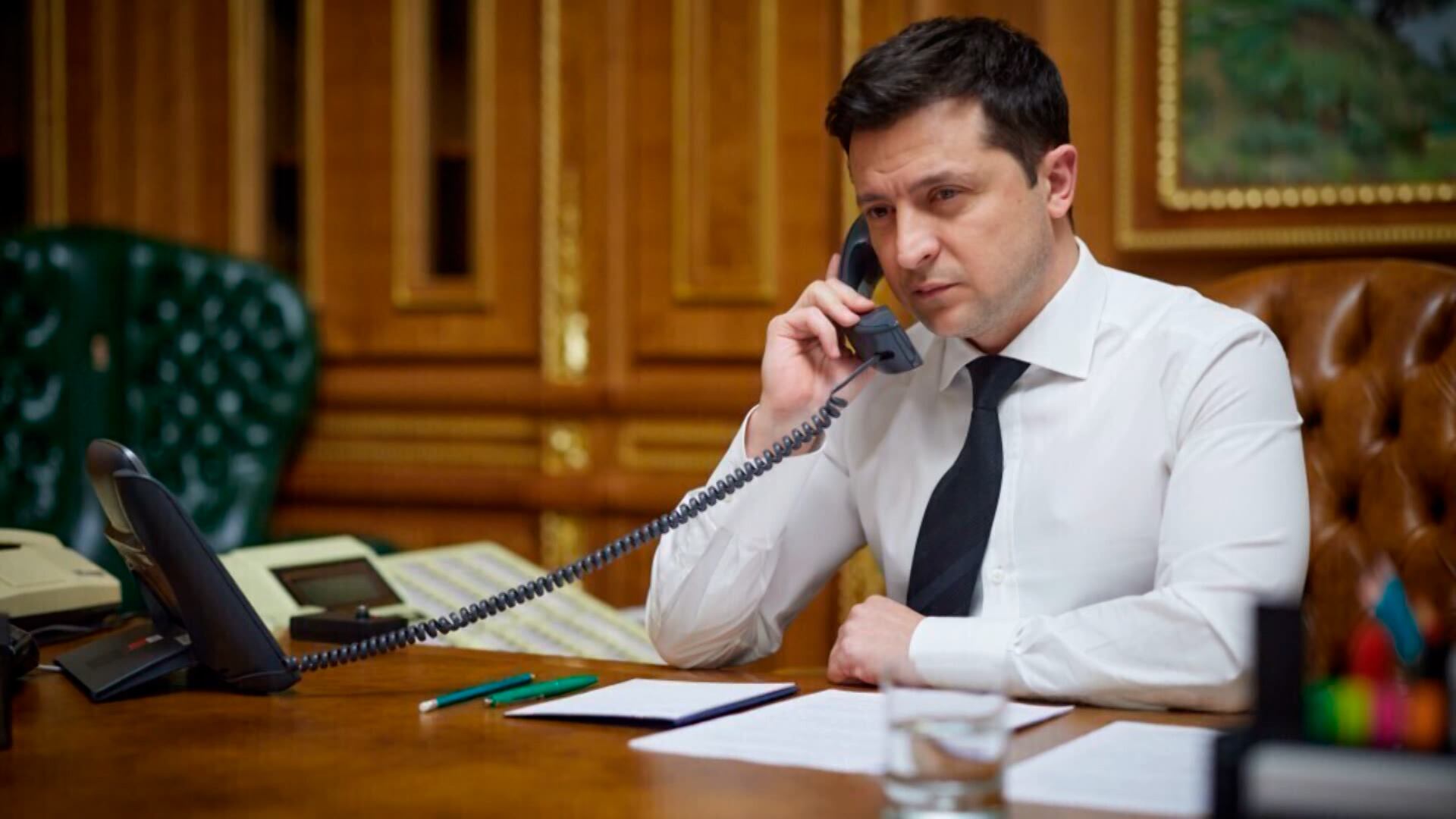
The summary of the July 25 call showed the president asking his Ukrainian counterpart to open an investigation into Democratic candidate and former Vice President Joe Biden and his son Hunter, who previously served on the board of a major Ukrainian gas company. Trump added that Barr and the president's personal attorney, former New York City Mayor Rudy Giuliani, would be in touch.
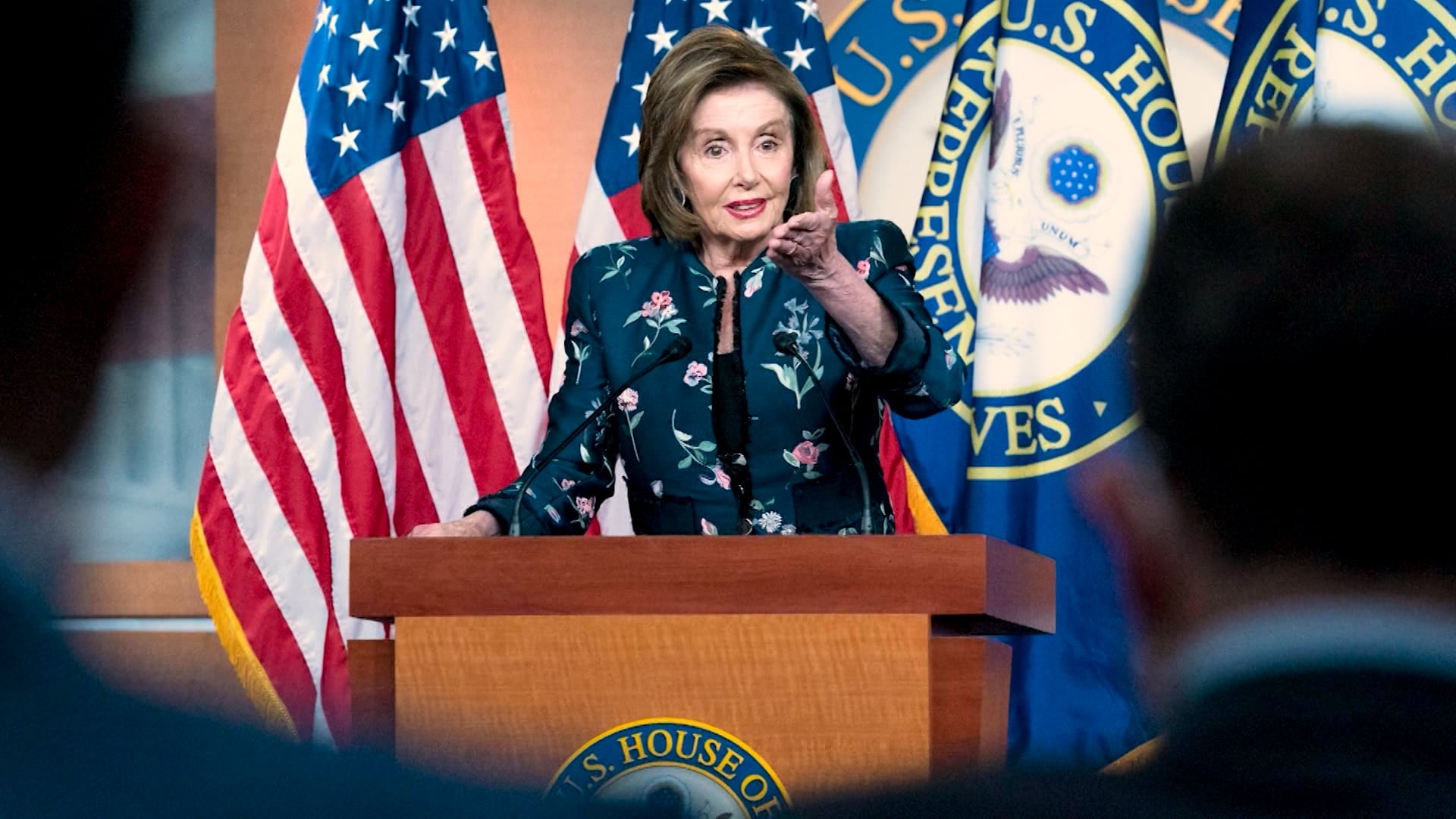
Reaction to these reports have been split, largely down party lines. The revelations led House Speaker Nancy Pelosi (D-Calif.) to announce the opening of an impeachment inquiry. However, Republicans have largely argued that there is no evidence from the call record of quid pro quo.
U.S. election laws prohibit candidates from asking for money or other things of value from foreigners. The intelligence community's inspector general also raised other concerns: Not only is seeking "foreign assistance to interfere in or influence a federal election" a "serious or flagrant problem [or] abuse," Inspector General Michael Atkinson wrote, but it "would also potentially expose such a U.S. public official" or others "to serious national security and counterintelligence risks."
For this reason, Atkinson continued, the whistleblower's allegation met the definition of an "urgent concern" that "appears credible."
The Justice Department, though, disagreed with the conclusion. In a statement this week, Justice Department spokeswoman Kerri Kupec said that investigators in the department's Criminal Division, "relying on established procedures set forth in the Justice Manual the Department's Criminal Division reviewed the official record of the call and determined, based on the facts and applicable law, that there was no campaign finance violation and that no further action was warranted."
Questions about how the Justice Department reached that conclusion, and Barr's potential role in overseeing the related inquiry, are sure to persist.
"He was in charge of this investigation that they closed out. You have to wonder what that was all about," Akerman says. As the Democratic-led House interviews witnesses as part of its inquiry into a potential impeachment of the president, lawmakers "should start with William Barr."