Which President Trump Will Show Up to the State of the Union?
All eyes are on Capitol Hill for President Trump's first-ever State of the Union address. Esquire.com's Jack Holmes joins Cheddar to preview the event and predict how the night will play out for the Commander in Chief. The associate editor says it's safe to assume Trump will look to replicate the tone of his critically-acclaimed 2017 joint address to Congress.
Holmes also breaks down the Democrats' decision to tap Rep. Joe Kennedy III (D-MA) to deliver the opposition response. He says Kennedy is representative of both a new face of the party, and a nod to the glory days of the Kennedy years. He considers whether the traditional response still matters in today's fast-paced news environment.
Finally, we recap Will Ferrell's reprisal of his George W. Bush character on Saturday Night Live. Holmes discusses how the former president's legacy has benefited from the election of Donald Trump. He says SNL is trying to add perspective by reminding viewers our standard for presidential excellence is always changing.
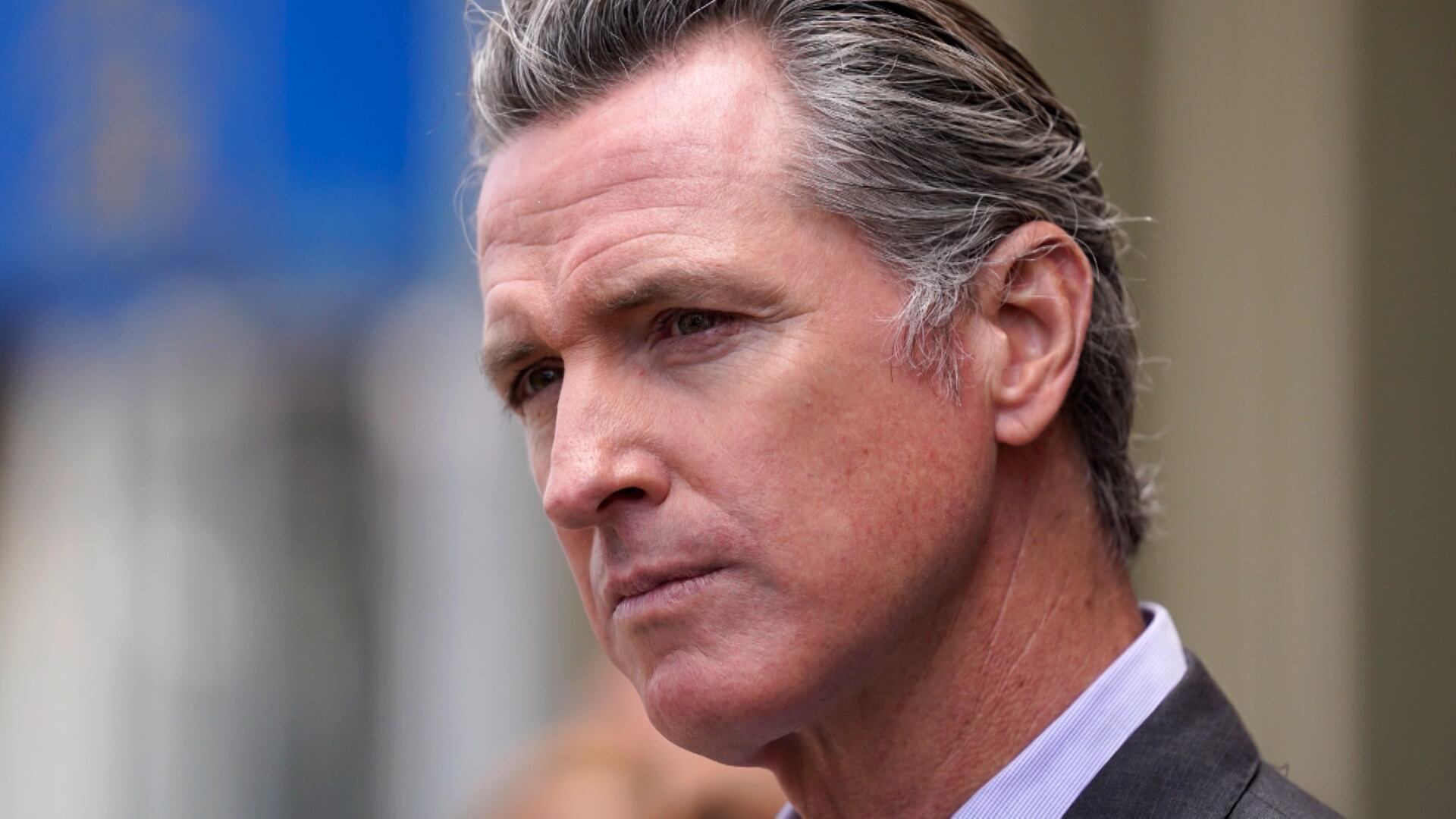
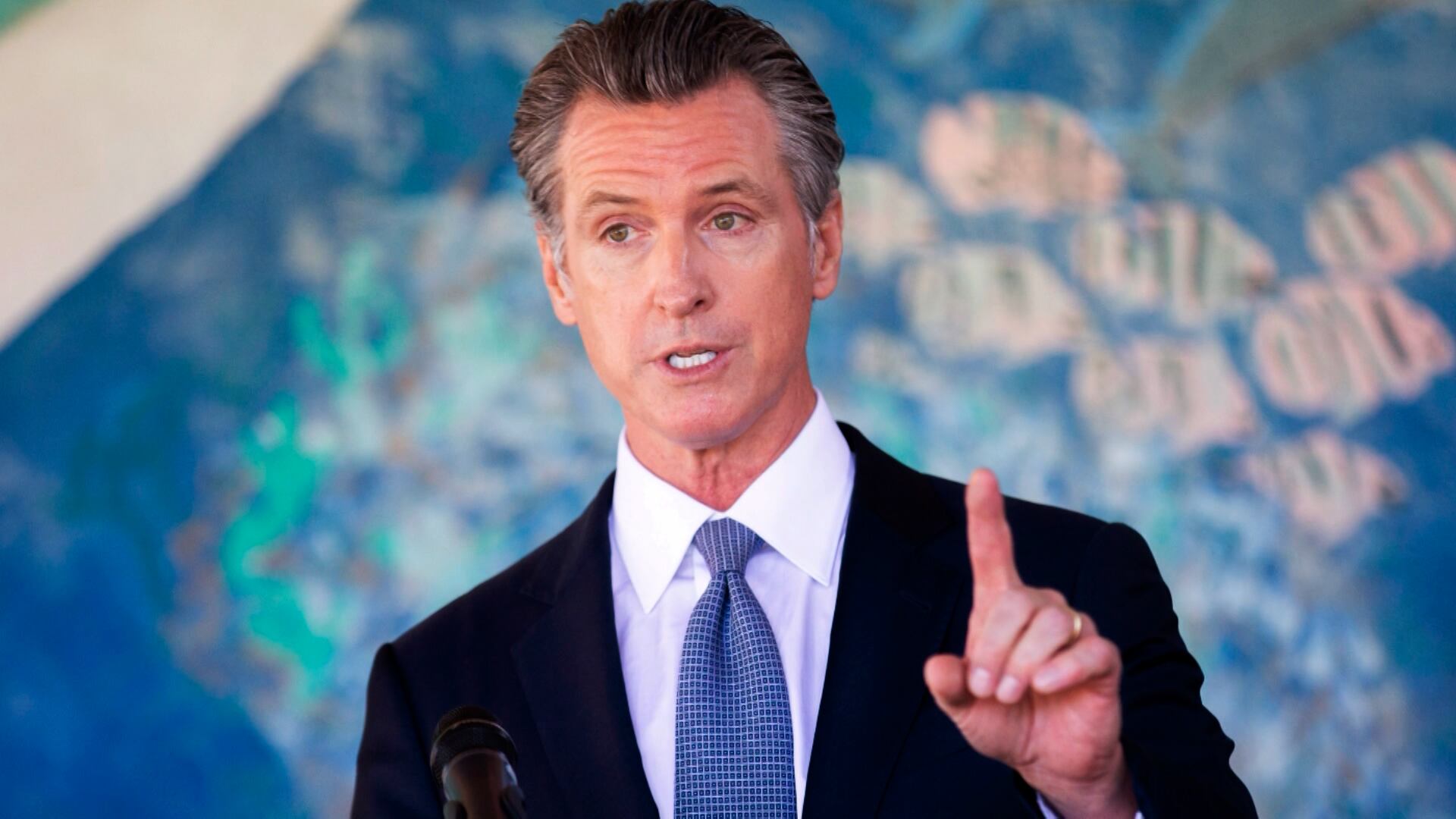
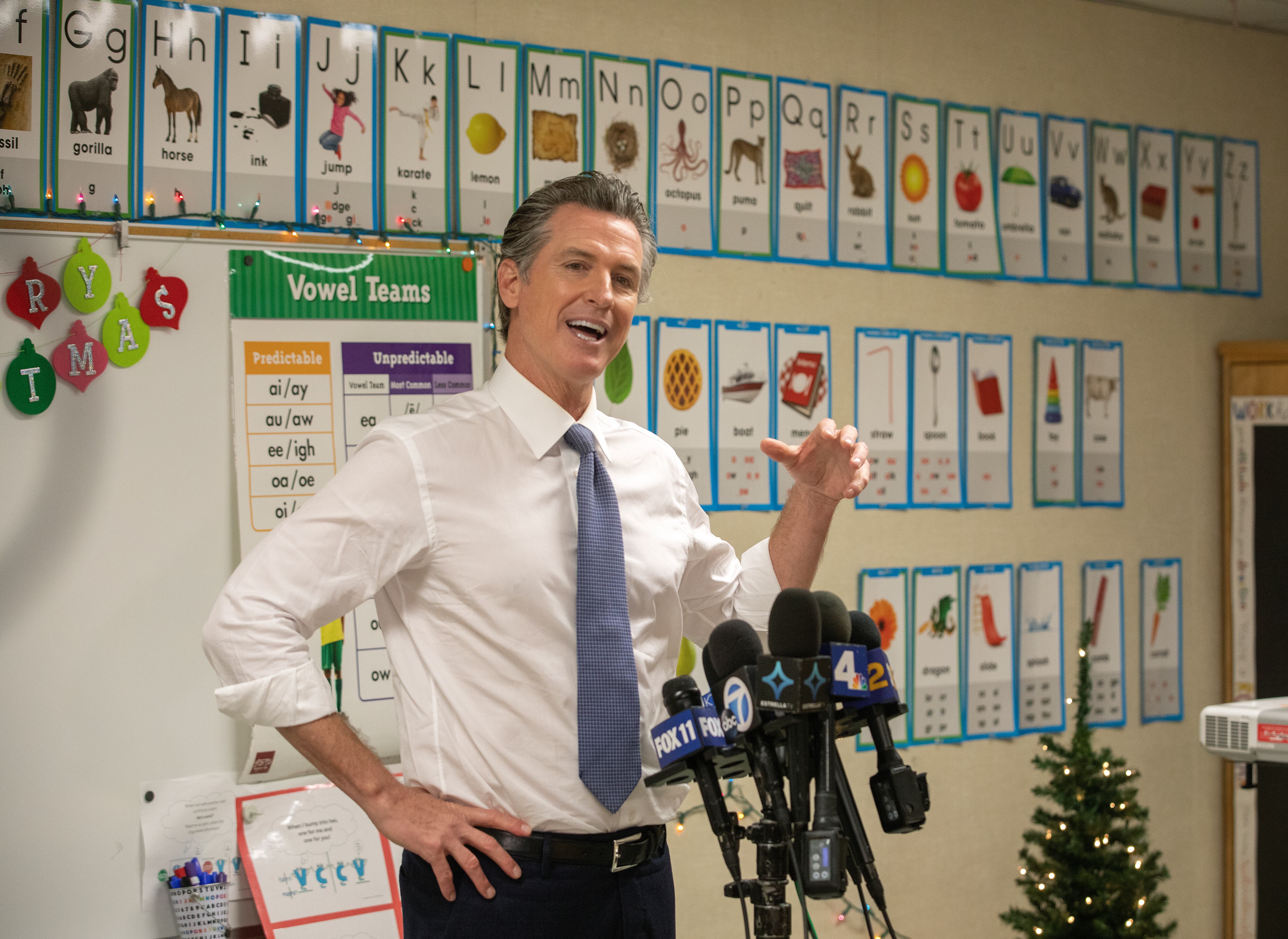
Emily Hoeven, newsletter editor at CalMatters, joins Cheddar News to discuss California Governor Gavin Newsom's gun law modeled after Texas's abortion law.
Chuck Rocha, host of 'Nuestro' podcast and opinion contributor at The New York Times, joins Cheddar News to discuss why Democrats are losing Hispanic voters.
More businesses are requiring workers to return to the office, but there is concern that many employees in the middle class, especially women and people of color, need remote work options for reasons including childcare and financial security. Joan Williams, director of the Center for WorkLife Law at the University of California, joined Cheddar to discuss why office mandates could be detrimental to the middle class. She noted that while companies claim a return to offices would help foster more collaboration and efficiency, reports show that they are successfully able to do their jobs from home.
The U.S. postal service has confirmed that it secretly developed and tested a blockchain-based mobile voting system ahead of the 2020 election. Susan Greenhalgh, senior advisor on election security, Free Speech for People, joins Cheddar News to discuss the cybersecurity complications of a mobile voting system.
The U.S. Supreme Court ruled to allow the controversial Texas abortion law to remain in effect, banning abortion at six weeks and allowing any private citizen to sue a person or doctor aiding or abetting someone seeking an abortion. Outraged at this decision, California Governor Gavin Newsom is working to draft a proposal in line with the law as it relates to guns. Shawn Hubler, California correspondent at the New York Times, joins Cheddar News to discuss.
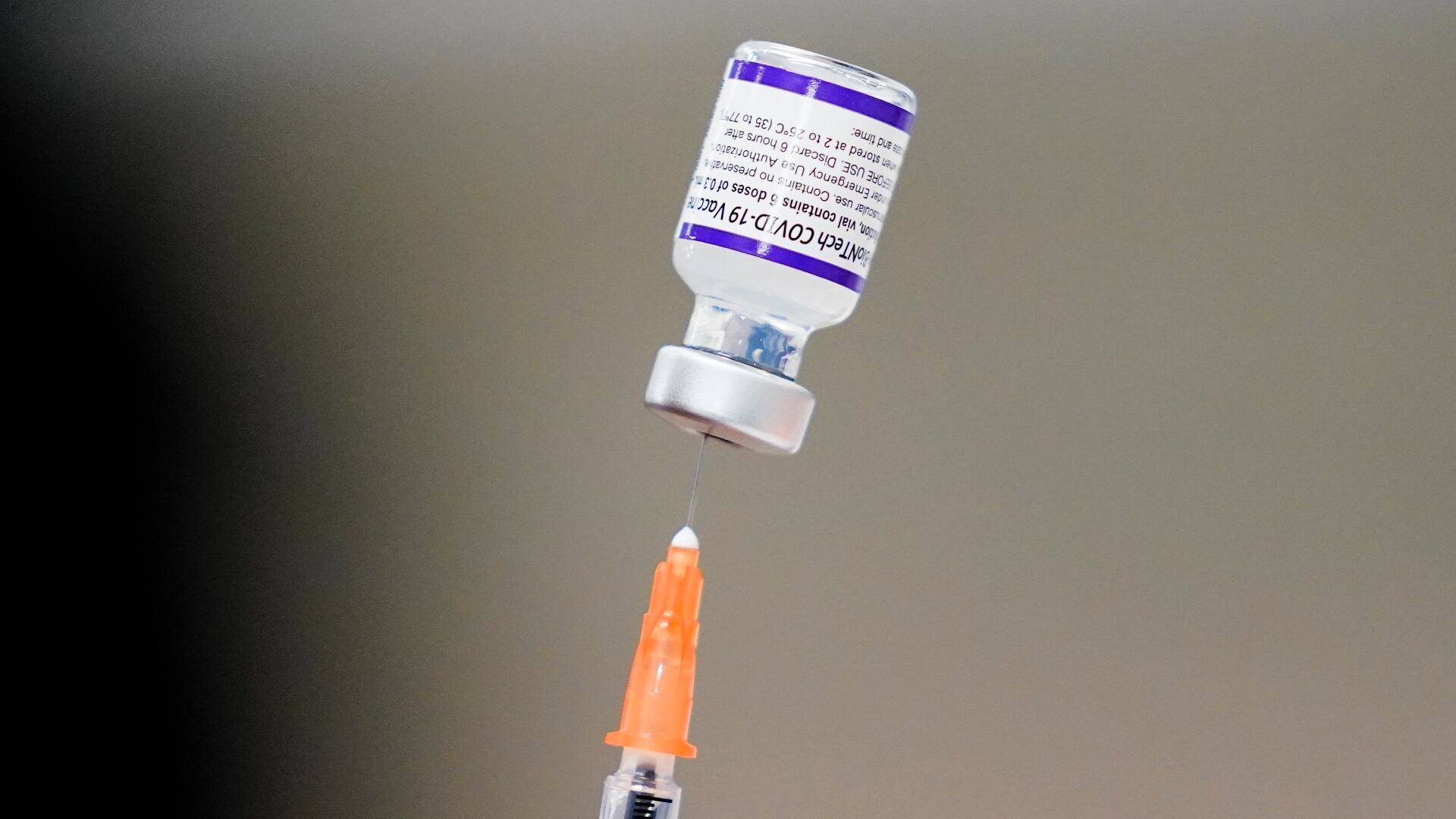
Even as tech giant Google implements a vaccination mandate, charging its employees to declare their vaccine status within a time frame or risk dismissal, the federal government is tangled up in the court system trying to impose one of its own. Cindy Cohn, the executive director of the Electronic Frontier Foundation, and Harry Nelson, founder and managing partner of Nelson Hardiman LLP, joined Cheddar to debate the ethics, efficacy, and legality surrounding the issue. While Cohn noted that she thinks the federal mandate might be legally sound, her organization is also concerned with a separate question of privacy. "At EFF what we're most interested in is the digital surveillance that's going along with some of these attempts to try to track and confirm whether people are vaccinated or not," she said.