The enormous pressure on elite athletes to maintain a lean figure could ultimately change the demographics of who can compete at the Olympics.
That’s according to New York Times sports reporter Karen Crouse, who broke the news that figure skater Adam Rippon succumbed to an eating disorder to maintain his body shape.
“The more it is about appearance, you’re going to get kids in the sport that are younger and younger. You have teenagers whose metabolism is still pretty high and they don’t have these weight issues,” she told Cheddar. “Maybe we are going to see in the future far fewer elite skaters that are 28 years old like Adam.”
Rippon, who won a bronze medal in this year’s Games, revealed to Crouse that he subsisted for a time on a daily diet of three slices of bread with a dab of “I Can’t Believe it’s Not Butter” and a couple cups of coffee.
He thought the longer, thinner frame would be more aesthetically pleasing to the judges. But a broken foot last year changed his mind.
“He actually thinks that one of the reasons he suffered this injury was that he wasn’t getting enough calcium and other nutrients, and that made his bones brittle,” Crouse said. “He’s now eating much better and actually is ten pounds heavier than he was two years ago when he won that national title. And if you look at him, he has an enviable body.”
Since his injury, Rippon has been workin with a nutritionist with the United States Olympic Committee who’s helped him develop healthier eating habits.
Imagine running up a hill, wanting to give up, and then hearing a personal trainer in your ear urging you to keep going. Would you?
Ethan Agarwal, CEO of Aaptiv, joins Cheddar to discuss how his app is making it possible for people to get motivated during a running workout.
The annual IRONMAN World Championship was held on October 14th in Kona, Hawaii. Three competitors tell Cheddar about their race and their journey to the starting line.
This Changes Things: Advice for the business leaders and executives of tomorrow, powered by American Express OPEN. On Between Bells, New York Magazine's top movies, albums, and TV shows of 2017.
Chat Sports is a rapidly-growing live sports network for digital platforms. CEO and founder James Yoder reveals what goes into building a network from scratch, and weighs in on today's big sports headlines.
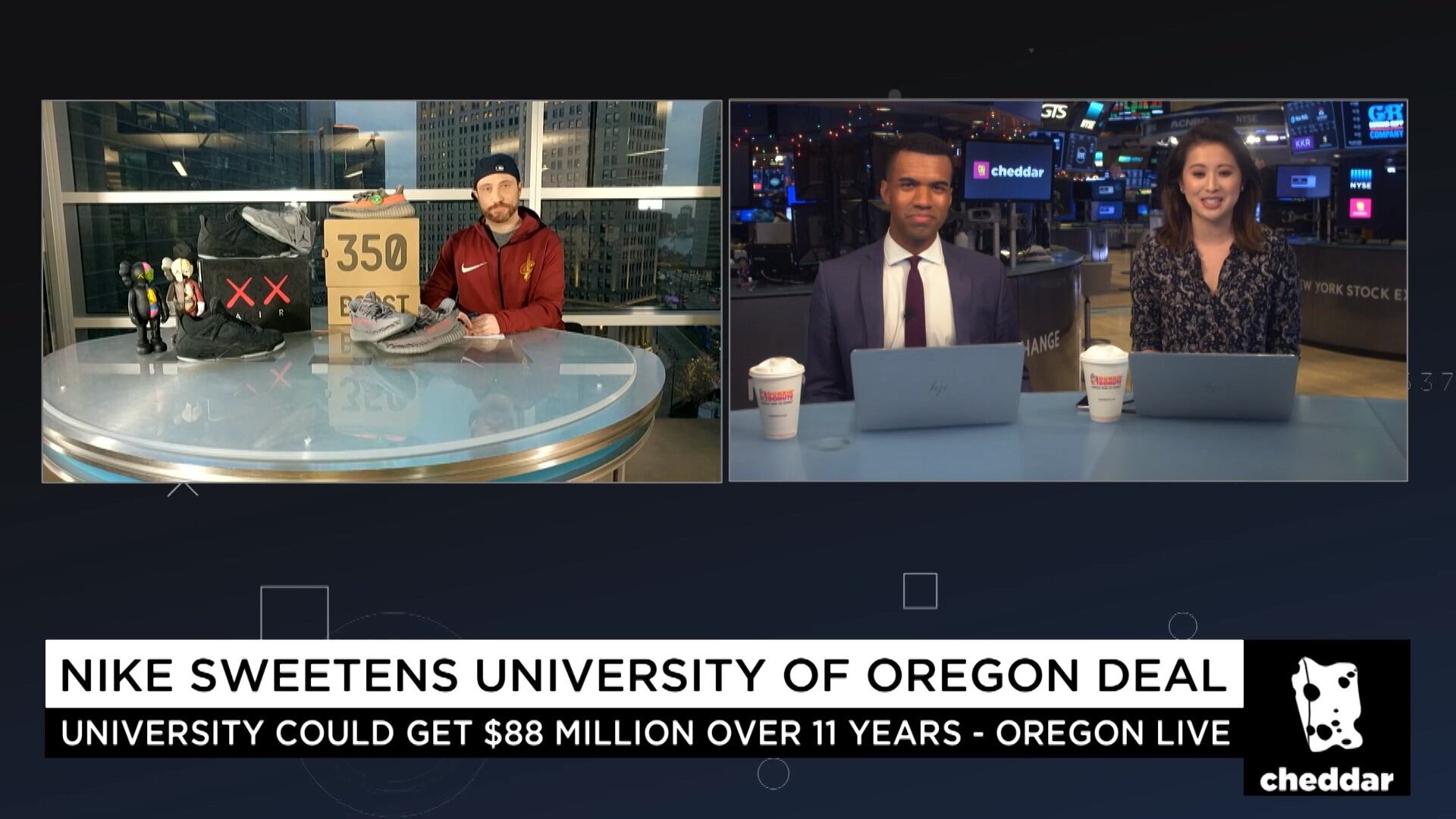
The University of Oregon's deal with Nike could become even sweeter. The program could reportedly get more than $88 Million in cash, apparel, and shoes over an 11-year contract. StockX CEO Josh Luber explains what this means for the athletic retailer, and college athletics.
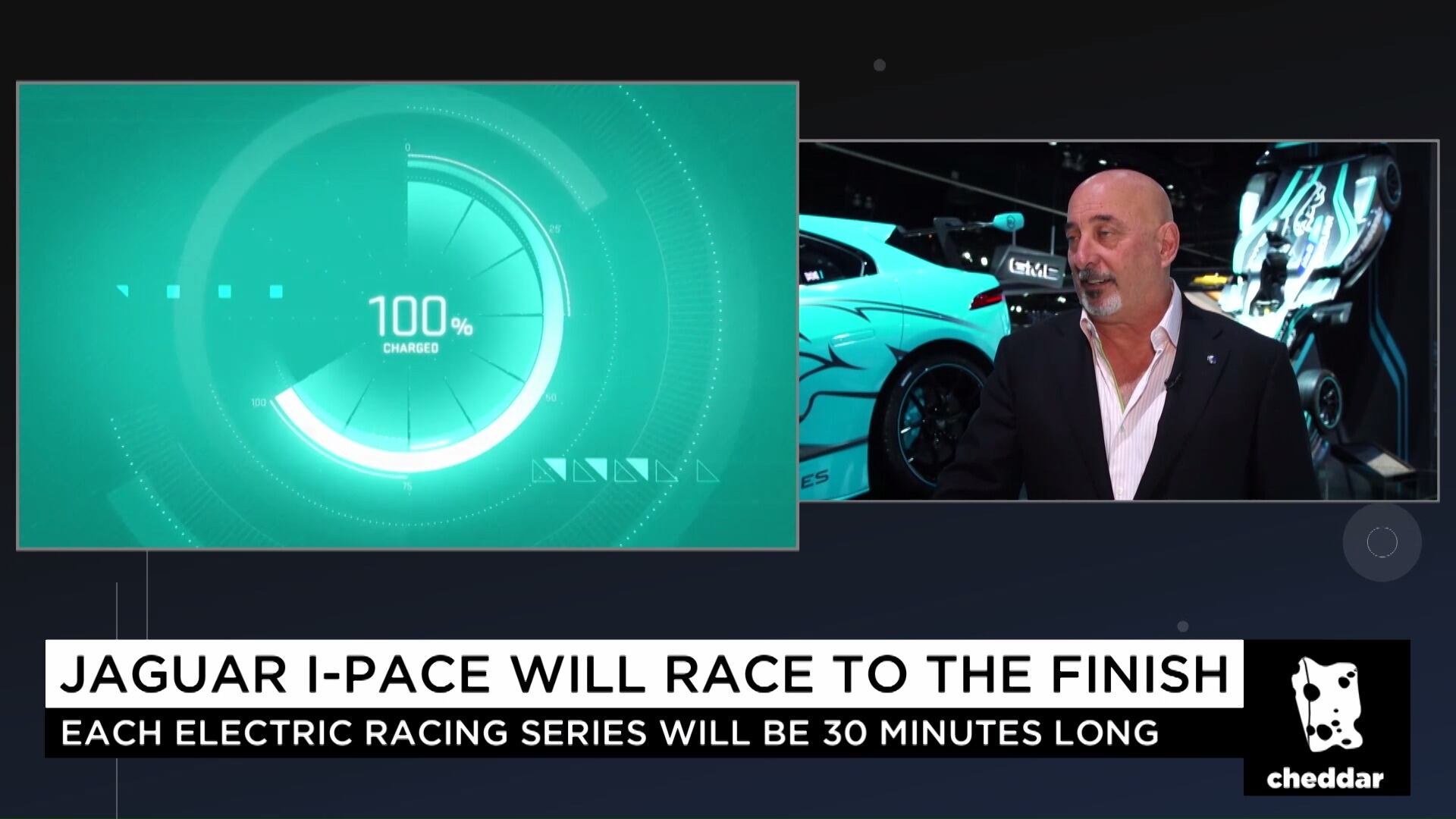
Bobby Rahal, who became one of an elite group of race car drivers by winning the Indy500 in 1986, has remained a huge part of the racing world. He caught up with Alyssa Julya Smith at the Los Angeles Auto Show preview to talk about his partnership with Jaguar Land Rover, and Jaguar's I-PACE eTrophy Series.
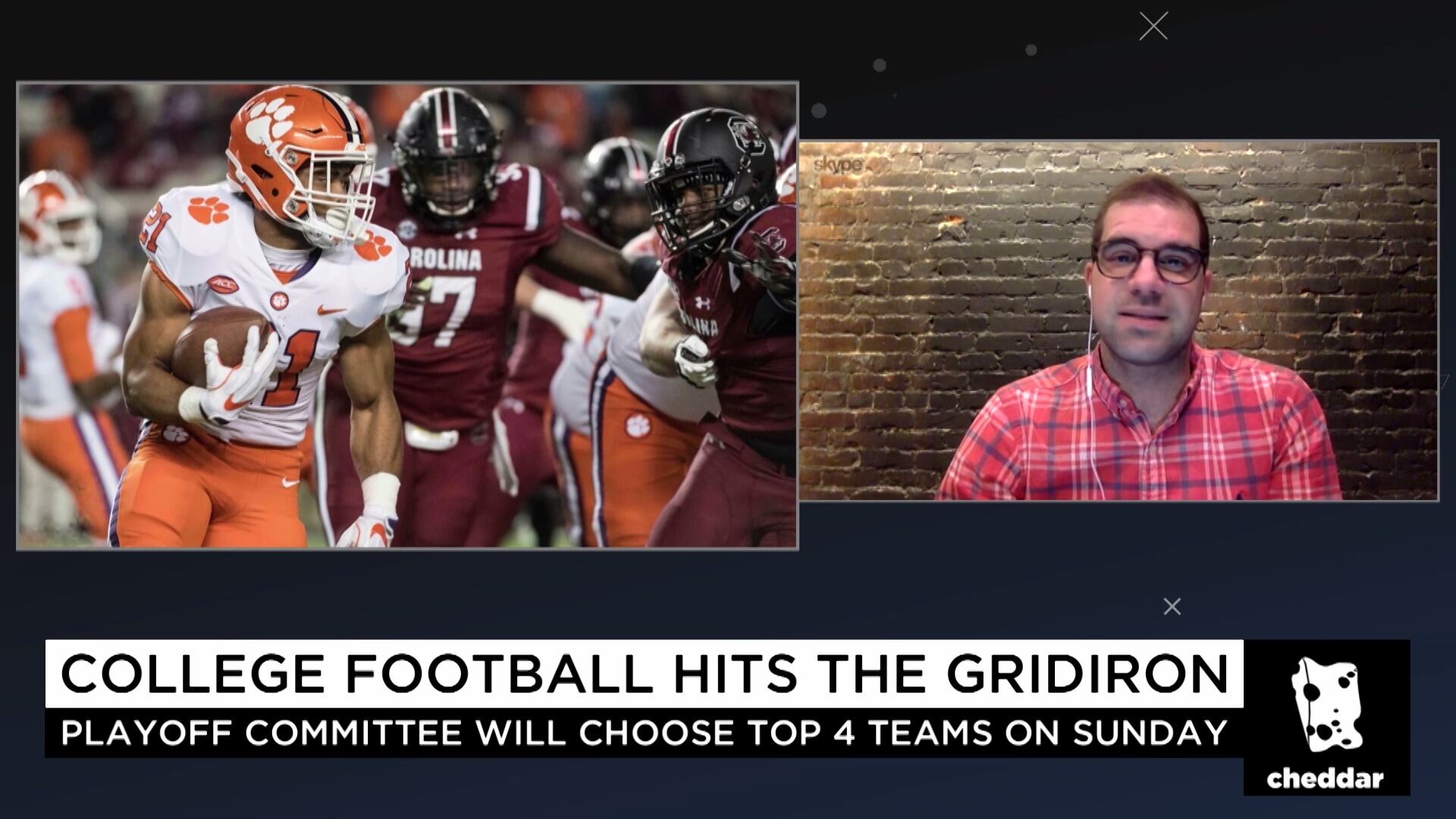
It's a big weekend for college football. The top teams in the country will battle it out for a conference championship title. Nick Dimengo, Senior Editor at FHM Magazine joins Cheddar to give his opinion on who will end up with the trophy on January 8th.
Danny Boockvar, NFL Experience President, tells Cheddar all about the pro football league's new interactive exhibit.
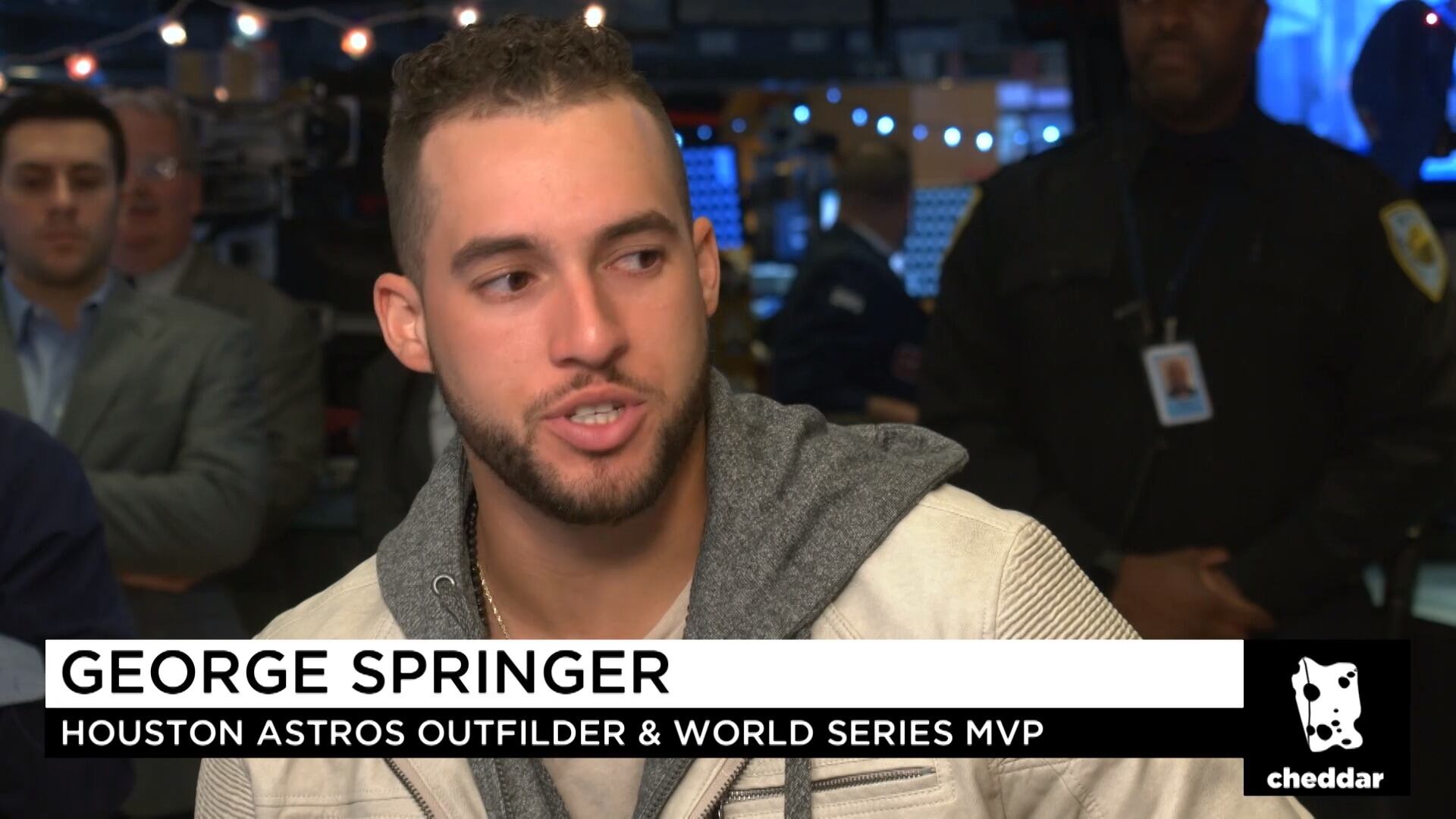
The Astros won the World Series just weeks after Hurricane Harvey devastated Houston. George Springer, who was named MVP of the series, says winning provided an outlet and a chance for the city to rebound.
Jaymee Messler, co-founder and president of Players' Tribune, told Cheddar how the company is creating a platform for athletes to expand their interactions with fans on Twitter.