The enormous pressure on elite athletes to maintain a lean figure could ultimately change the demographics of who can compete at the Olympics.
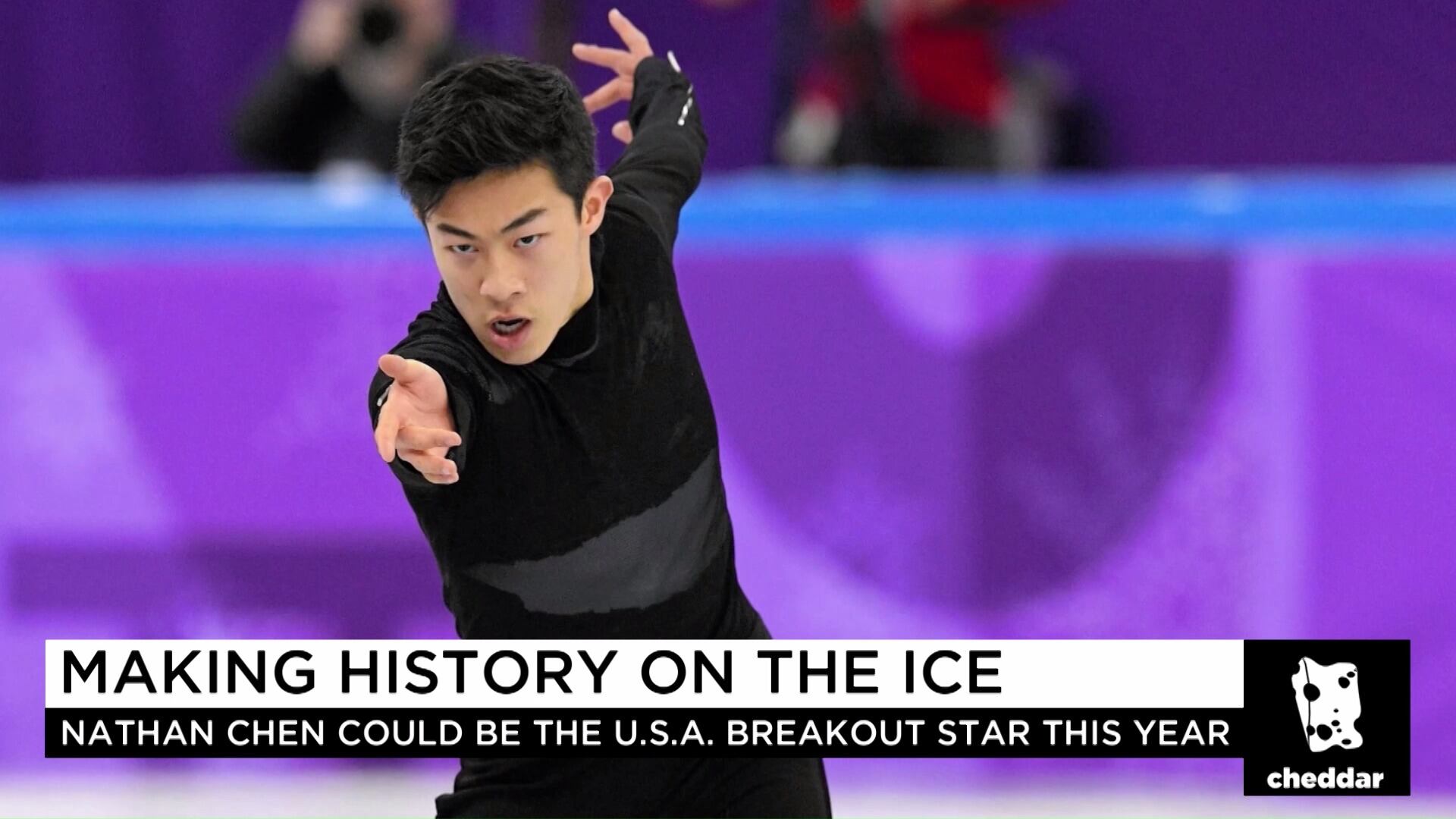
That’s according to New York Times sports reporter Karen Crouse, who broke the news that figure skater Adam Rippon succumbed to an eating disorder to maintain his body shape.
“The more it is about appearance, you’re going to get kids in the sport that are younger and younger. You have teenagers whose metabolism is still pretty high and they don’t have these weight issues,” she told Cheddar. “Maybe we are going to see in the future far fewer elite skaters that are 28 years old like Adam.”
Rippon, who won a bronze medal in this year’s Games, revealed to Crouse that he subsisted for a time on a daily diet of three slices of bread with a dab of “I Can’t Believe it’s Not Butter” and a couple cups of coffee.
He thought the longer, thinner frame would be more aesthetically pleasing to the judges. But a broken foot last year changed his mind.
“He actually thinks that one of the reasons he suffered this injury was that he wasn’t getting enough calcium and other nutrients, and that made his bones brittle,” Crouse said. “He’s now eating much better and actually is ten pounds heavier than he was two years ago when he won that national title. And if you look at him, he has an enviable body.”
Since his injury, Rippon has been workin with a nutritionist with the United States Olympic Committee who’s helped him develop healthier eating habits.
The 2018 Winter Olympics have officially begun. Here are the Olympians to keep an eye on.
The 2018 Winter Olympics are officially underway after the opening ceremony Friday. The big story so far for the American team: the controversy over the flag bearer.
Tanya Ghahremani, associate lifestyle editor for Bustle, takes a look at just how much money skaters and their families shell out in pursuit of an almost impossible dream. The Winter Olympics are now underway in PyeongChang, South Korea.
Cheddar is dedicating the day to celebrating women, and we're calling it "Chedher"! We have special co-hosts and interviews from women in sports, tech, business, politics and more.
Hope King welcomes special co-hosts Alicia Quarles and Tanzina Vega.
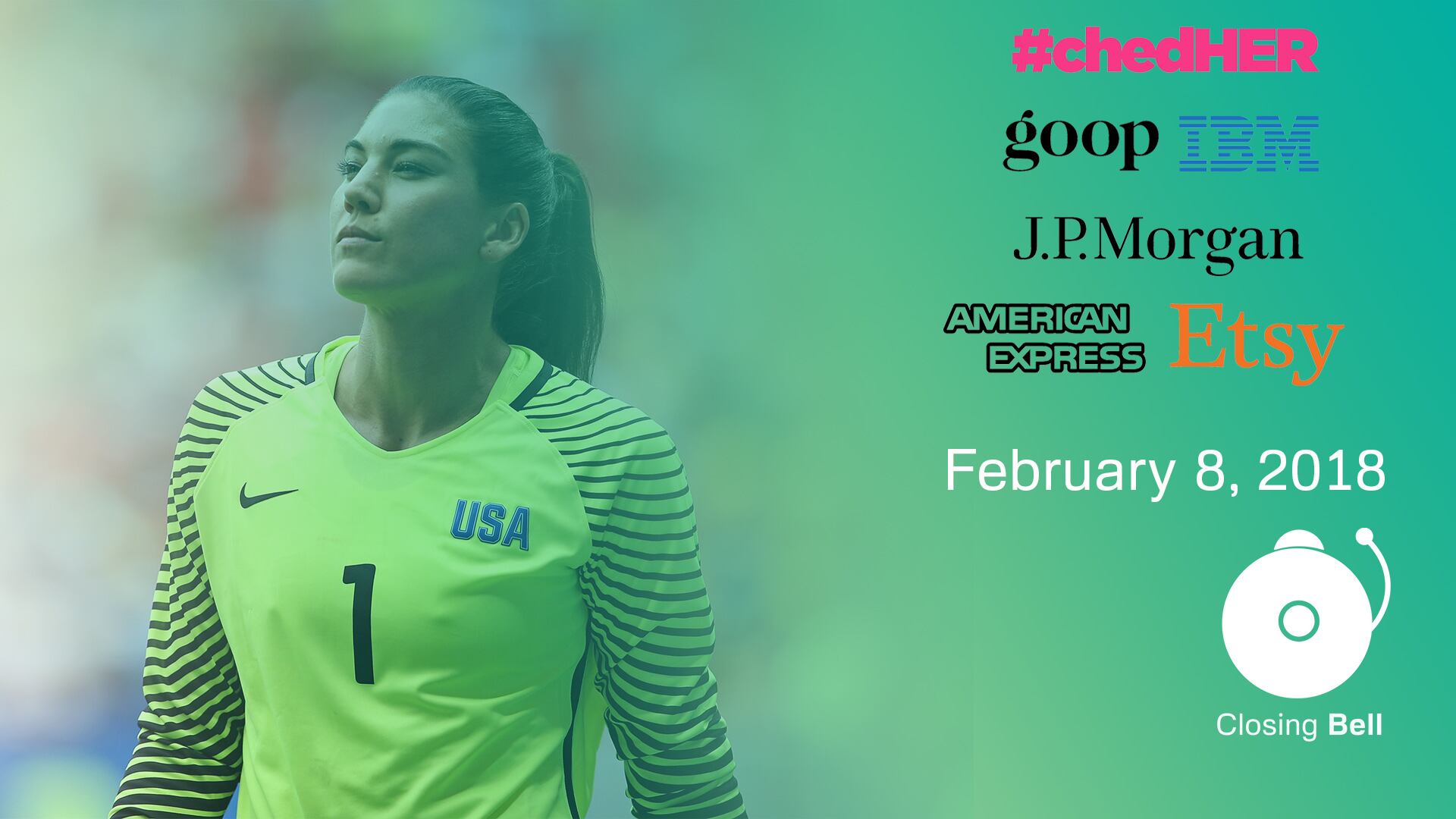
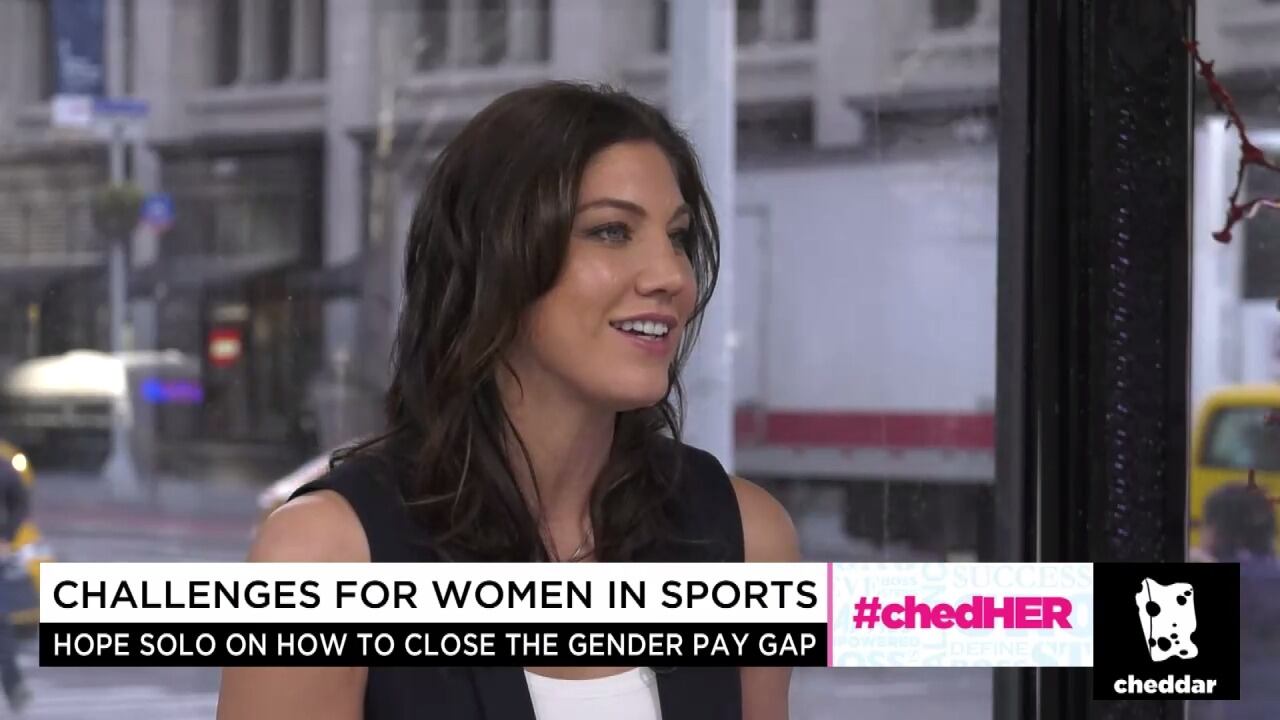
Soccer phenom Hope Solo is an outspoken advocate for the gender pay gap in sports. Along with her U.S. Soccer teammates she is advocating for equal pay in the league. Cheddar's Hope King spoke with the athlete about challenges facing women in sports, and how she is inspiring the next generation.
U.S. Women's Soccer has been plagued by inequities in how athletes are paid compared to their male counterparts. Hope Solo discusses why the disparity exists and what she's doing to change it.
Between Bells: Cheddar turns into #chedHER, with 100% women anchors and guests. We highlight women in business, tech, entertainment, politics, and sports. With Cosmopolitan, EMILY's List, Lea DeLaria, MoveOn.org, THINX, and more!
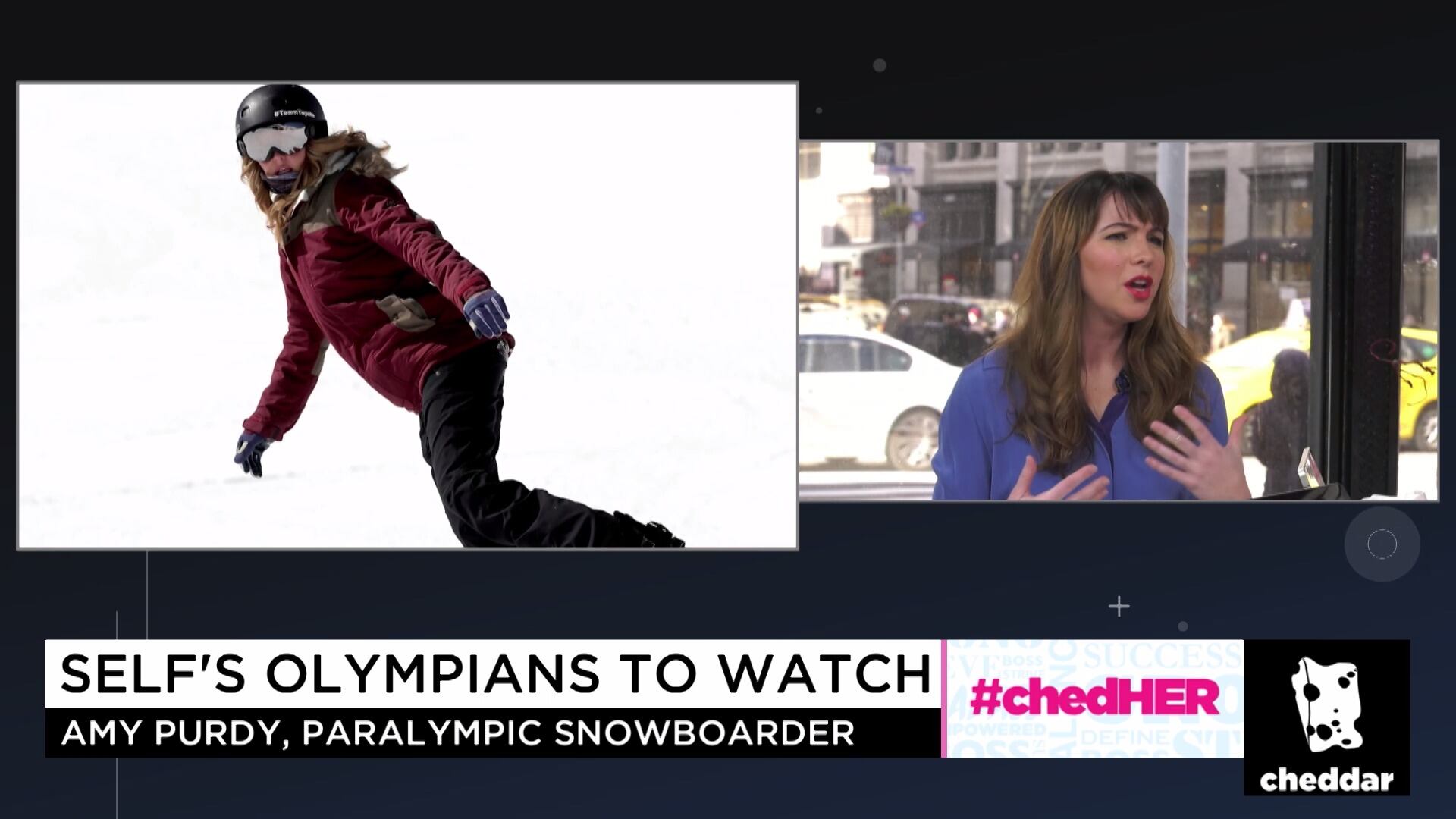
Team USA is sending 109 women to represent the United States at the Winter Olympics. SELF's Amy Eisinger joins Cheddar to discuss some of the most inspiring athletes to watch during the games.
Radios may be a relic of the past, but audio technology is anything but outdated. In this week's Volvo Tech Drive the Founder and CEO of Aaptiv explains how his company is using audio to change the way the world works out.
On Between Bells: Government shutdown showdown, technology addiction, and big changes at New York Fashion Week. With Esquire, PCMag, Chat Sports, YourTango, and more.