If you wanted to previously find an image that perfectly matched what you saw in your head online, you had to type in a wordy search inquiry. You’d hit send and hope you find the perfect match from the billions of images out there.
Now, that mental snapshot can be crafted in seconds by artificial intelligence and sometimes it’s even better than you could imagine.
“We want to solve a big problem that everyone has, which is roughly half of the searches today are going unanswered,” said Yusuf Mehdi, Microsoft’s consumer chief marketing officer. “But with A.I., we can now start to answer more and more of those questions.”
Microsoft invested $10 billion in Open A.I., the artificial intelligence research laboratory responsible for text-based ChatGPT and image generator DALL-E. It recently combined its powers with its search engine Bing. Not only will it store the searches, it will use third-party apps like Open Table and the breadth of the internet to give you simplified answers. Think of it as the modern version of Ask Jeeves, but it actually works, Mehdi said.
“You can just talk to it like an everyday person, and the A.I. does all the work and comes back with simple answers,” he explained.
When you describe something to Bing through its chat function and ask for an image, it will generate it for you using DALL-E technology in seconds -- even if it’s something that never existed like Baby Yoda sharing a drink with Boba Fett in Mos Eisley.
Or you can ask Bing to come up with reference images to give to a contractor. Mehdi recently queried for pictures of a mid-Century modern-style bar to serve as inspiration for an upcoming house remodeling project.
“It's going to make people in their current jobs that much more productive, that much more effective, than we're seeing that today,” Mehdi said. “Second, it’s going to create a new set of jobs where people can learn how to take advantage of the A.I.”
If what you need can only be described in words, Bing and ChatGPT combine together to give you answers with context. Instead of having to research individual items and draw your own conclusions, it will compile the results for you. It can be especially useful when it comes to travel.
“Travel planning takes multiple weeks, people taking lots of notes, lots of tabs, having to compile it together,” he said. “What you can see here is in one chat session, you can literally just ask multiple questions like we were saying, “Hey, give me a day-by-day itinerary. Tell me about the festivals. What should I wear? What should I know about the customs of coming in?”
At the end of the day, it will save us time.
“We're automating the mundane tasks, the things you don't want us to do so it frees you up to do the really interesting work,” Mehdi said.
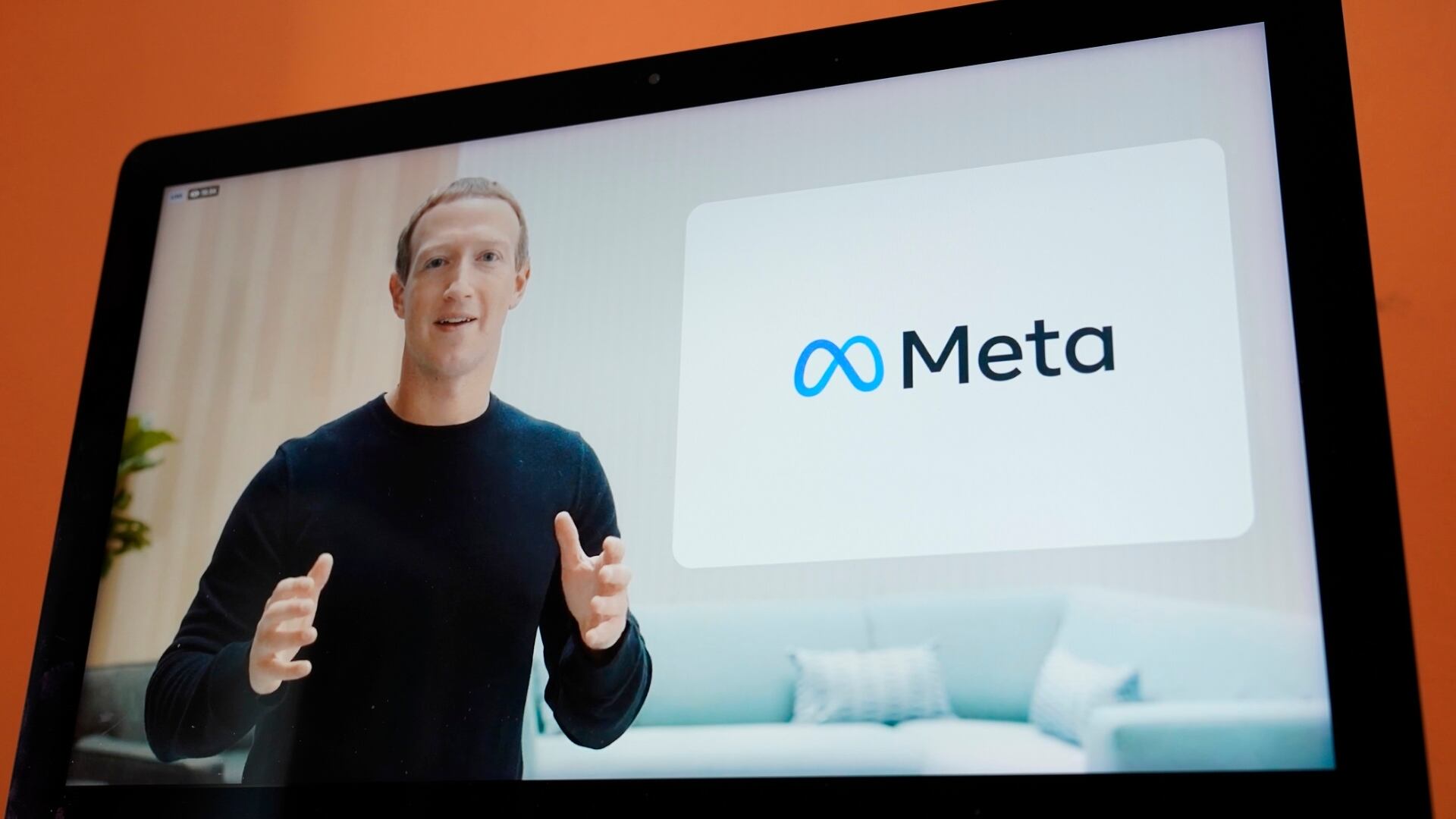
The UK's Competition and Markets Authority blocked Facebook parent company Meta's acquisition of the image sharing platform Giphy, stating that the deal would harm UK advertisers and social media users. Meta responded and said that it is considering an appeal.
Jill and Carlo cover the latest developments with the Omicron variant that are spooking markets once again. Twitter's @Jack is leaving, SCOTUS takes up abortion rights and the world has a brand new republic.
Phyllis Newhouse, the first black woman to bring a company public via SPAC on the NYSE earlier this year, has launched her second SPAC, ShoulderUp Technology Acquisition.
Phyllis is a serial entrepreneur, retired military officer, and founder of the ShoulderUp movement, which educates and encourages women around the world to reach their greatest economic, political and cultural potential. Shawn Henry is part of the ShoulderUp team, bringing his expertise on cybersecurity to the new company. Both Phyllis and Shawn joined Cheddar to discuss this new venture and how it plans to tackle the issue of cybercrime.
Don Basile, CEO, Monsoon Blockchain & Founder of Bitcoin Latinum, joins Cheddar News' Closing Bell, where he explains why we're seeing major crypto investors look to purchase expensive pieces of art, and discusses what the NFT space could look like in the not-too-distant future.
Jack Constantine, chief digital officer and product inventor at Lush, joined Cheddar to talk about the cosmetic company's mass exodus from major social media platforms TikTok, Facebook, Instagram, and Snapchat, in the wake of recent reports that Instagram specifically had negative impacts on teen girls. He noted that with teenage girls being a large part of its consumer base and audience, Lush had a responsibility to market its company on outlets that prioritize mental wellbeing. "For us, we've always been a social brand, and it started to feel that social media was no longer offering what we felt we wanted to gain from it," he said. "And then obviously when you add that to the damage that it's causing, it just feels like a combination that we can't continue on with." The company also pulled out of social media platforms in 2019.
Jon Lowen, Co-Founder of Surfside, joined Wake Up With Cheddar's Baker Machado to discuss Uber's partnership with cannabis retailer Tokyo Smoke, as it's the first time a cannabis merchant has been listed on UberEats across all of its global markets.
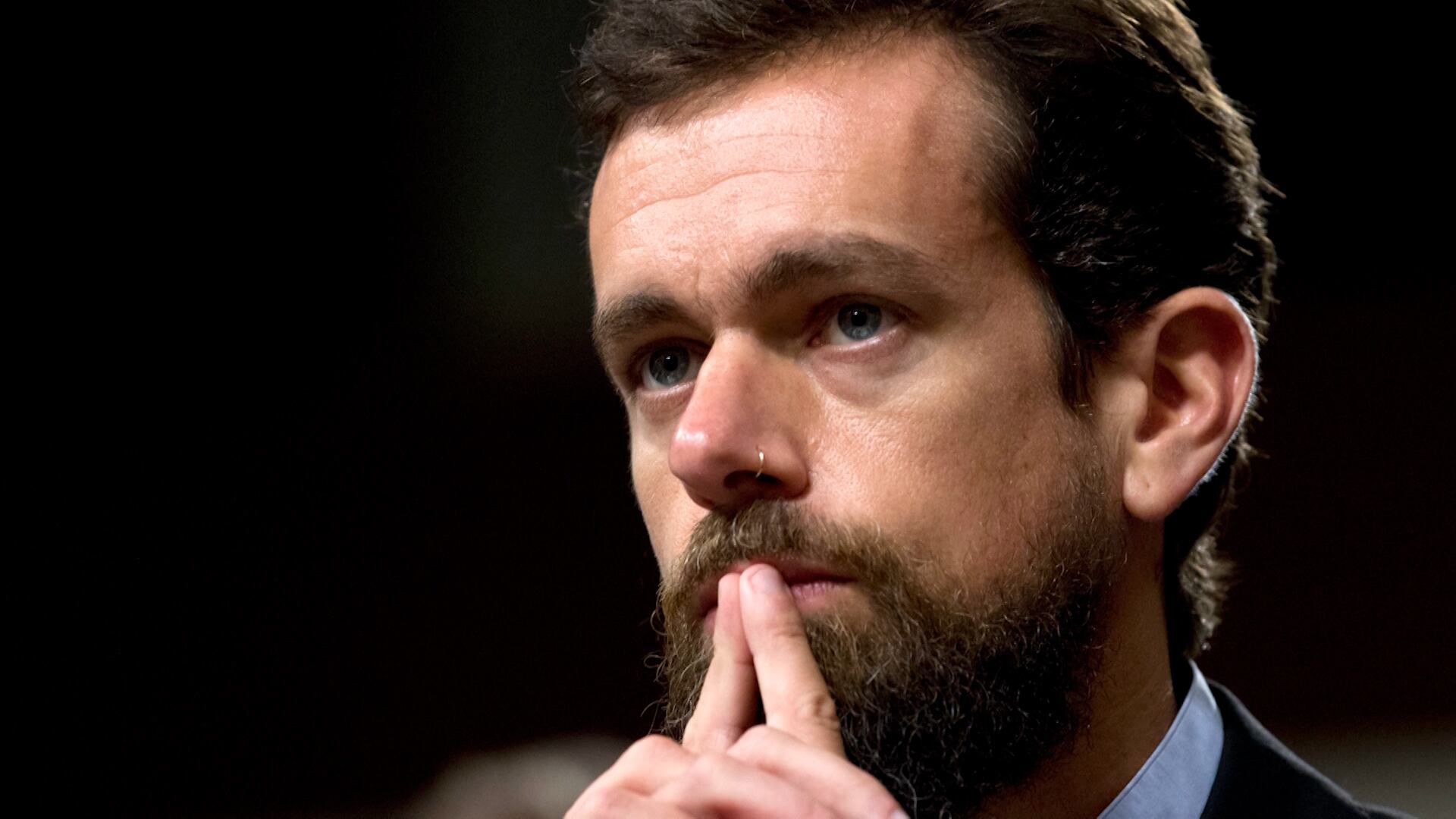
Jack Dorsey resigned from his post as CEO of the social media company on Monday and will be replaced by chief technology officer Parag Agrawal. Mitch Rubin, portfolio manager at RiverPark Long/Short Opportunity Fund, joined Cheddar to break down the move and what it means for investors in both Twitter and Square, the payment company that Dorsey also helms. "For the long-term, I think this is very positive news for both companies," he said. Rubin also talked about growing competition in the social media space and why Twitter continues to lag behind other major players.