If you wanted to previously find an image that perfectly matched what you saw in your head online, you had to type in a wordy search inquiry. You’d hit send and hope you find the perfect match from the billions of images out there.
Now, that mental snapshot can be crafted in seconds by artificial intelligence and sometimes it’s even better than you could imagine.
“We want to solve a big problem that everyone has, which is roughly half of the searches today are going unanswered,” said Yusuf Mehdi, Microsoft’s consumer chief marketing officer. “But with A.I., we can now start to answer more and more of those questions.”
Microsoft invested $10 billion in Open A.I., the artificial intelligence research laboratory responsible for text-based ChatGPT and image generator DALL-E. It recently combined its powers with its search engine Bing. Not only will it store the searches, it will use third-party apps like Open Table and the breadth of the internet to give you simplified answers. Think of it as the modern version of Ask Jeeves, but it actually works, Mehdi said.
“You can just talk to it like an everyday person, and the A.I. does all the work and comes back with simple answers,” he explained.
When you describe something to Bing through its chat function and ask for an image, it will generate it for you using DALL-E technology in seconds -- even if it’s something that never existed like Baby Yoda sharing a drink with Boba Fett in Mos Eisley.
Or you can ask Bing to come up with reference images to give to a contractor. Mehdi recently queried for pictures of a mid-Century modern-style bar to serve as inspiration for an upcoming house remodeling project.
“It's going to make people in their current jobs that much more productive, that much more effective, than we're seeing that today,” Mehdi said. “Second, it’s going to create a new set of jobs where people can learn how to take advantage of the A.I.”
If what you need can only be described in words, Bing and ChatGPT combine together to give you answers with context. Instead of having to research individual items and draw your own conclusions, it will compile the results for you. It can be especially useful when it comes to travel.
“Travel planning takes multiple weeks, people taking lots of notes, lots of tabs, having to compile it together,” he said. “What you can see here is in one chat session, you can literally just ask multiple questions like we were saying, “Hey, give me a day-by-day itinerary. Tell me about the festivals. What should I wear? What should I know about the customs of coming in?”
At the end of the day, it will save us time.
“We're automating the mundane tasks, the things you don't want us to do so it frees you up to do the really interesting work,” Mehdi said.
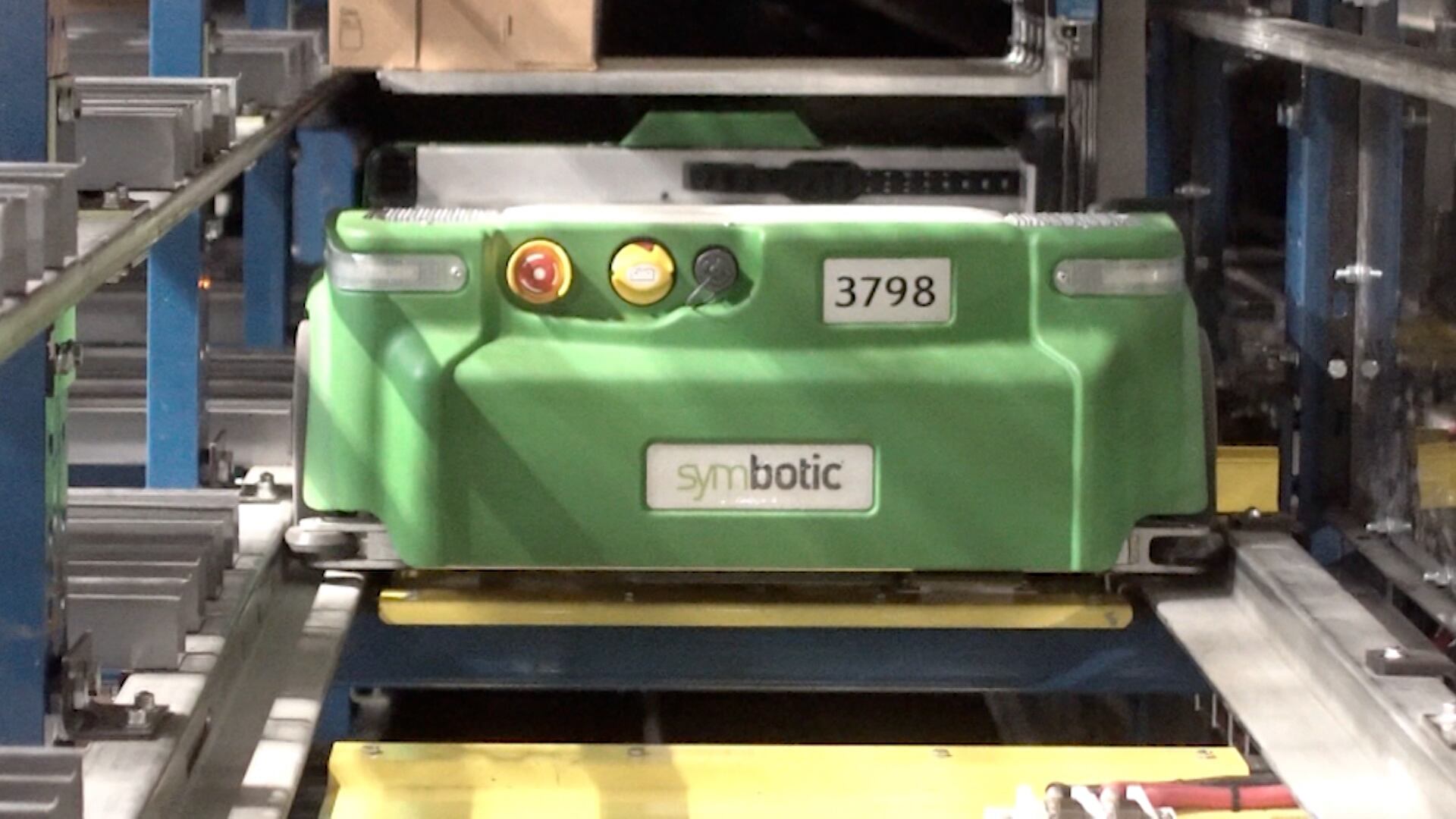
Specializing in AI, robotics, and automation for the global supply chain, Symbotic announced last month it will be tapping the public markets in a SPAC deal with investment giant SoftBank. Symbotic CFO Tom Ernst and Vikas Parekh, a managing partner at SoftBank Investment Advisers spoke with Cheddar about going public and the future of modernizing logistics amid the constrained supply networks. "The supply chain is fundamentally broken," said Ernst. "By employing the best in modern technology for autonomous vehicles and artificial intelligence, we're able to fundamentally rethink the way in which you receive and store and sort goods, making for a dramatically more efficient supply chain."
Michael Hershfield, Founder & CEO of Accrue Savings, joined Wake Up With Cheddar to discuss the company's new round of funding, and its core mission of rewarding consumers for saving rather than taking on more debt with buy now, pay later options.
Markets opened higher on the first trading day of the new year as investors continue to watch inflation and the rapid spread of the omicron variant in the U.S. Frances Newton Stacy, Optimal Capital Dir. of Strategy/Market Analyst joined Cheddar's Opening Bell to discuss.
Markets opened higher as investors react to positive data on the labor front, with weekly jobless claims falling to 198,000 for the week ending December 25. Ross Mayfield, investment strategy analyst at Baird joined Cheddar's Opening Bell to discuss the market open.
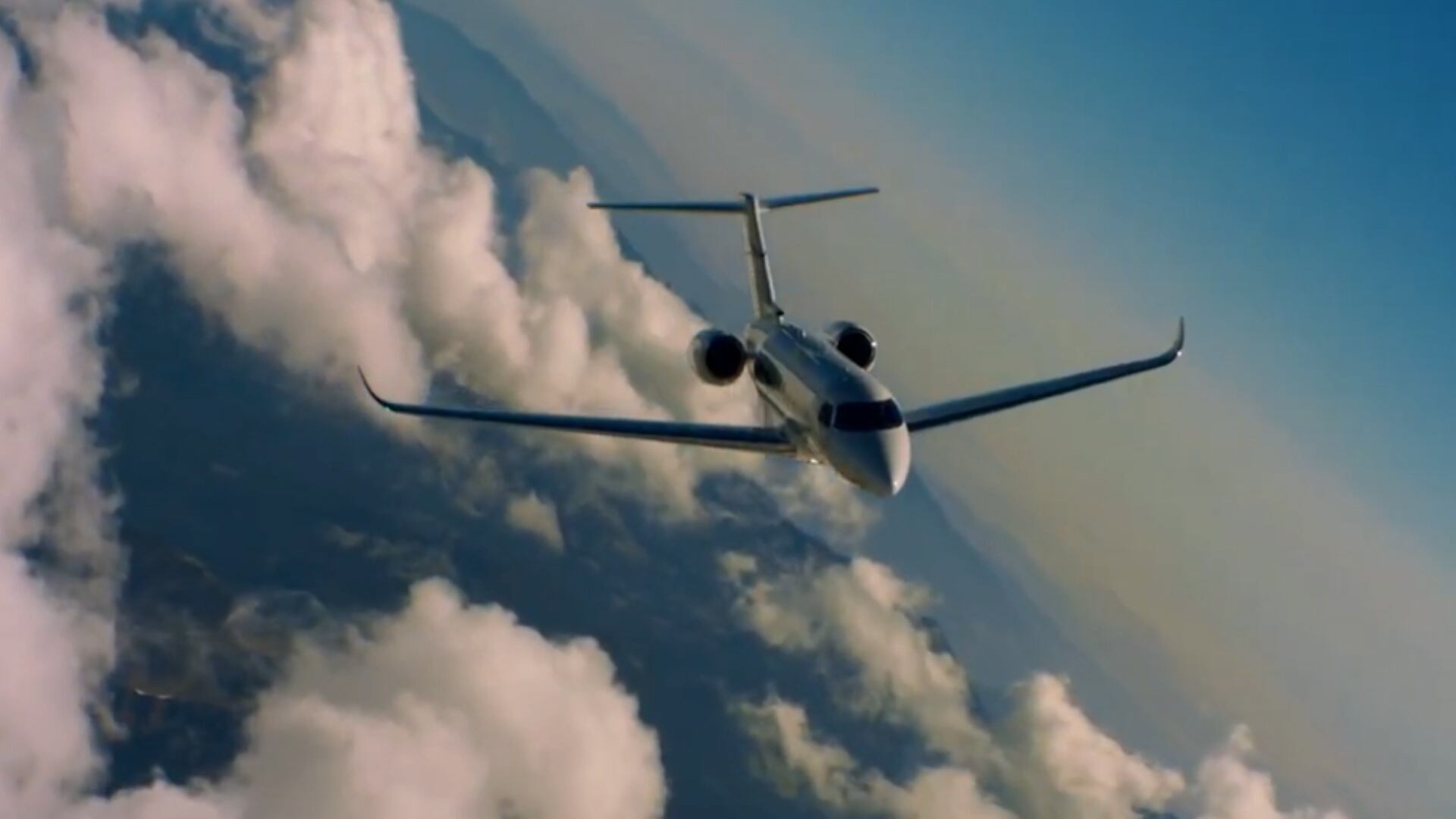
Sky Harbour, a company developing private aviation infrastructure, is gearing up to land on Wall Street. The company announced plans to go public through a SPAC deal with Yellowstone Acquisition Company, valuing the combined venture at $777 million. The company will trade on the New York Stock Exchange as $SKYH.
Dish Network is reportedly in discussions to merge with DirecTV. According to the NY Post, the two sides are currently 'trying to iron out the details.' The competitors have had talks in the past -- over the course of the past 20 years, but those talks been halted by the DOJ over antitrust concerns. Lydia Moynihan, Business Reporter, NY Post joined Cheddar's Opening Bell to discuss.
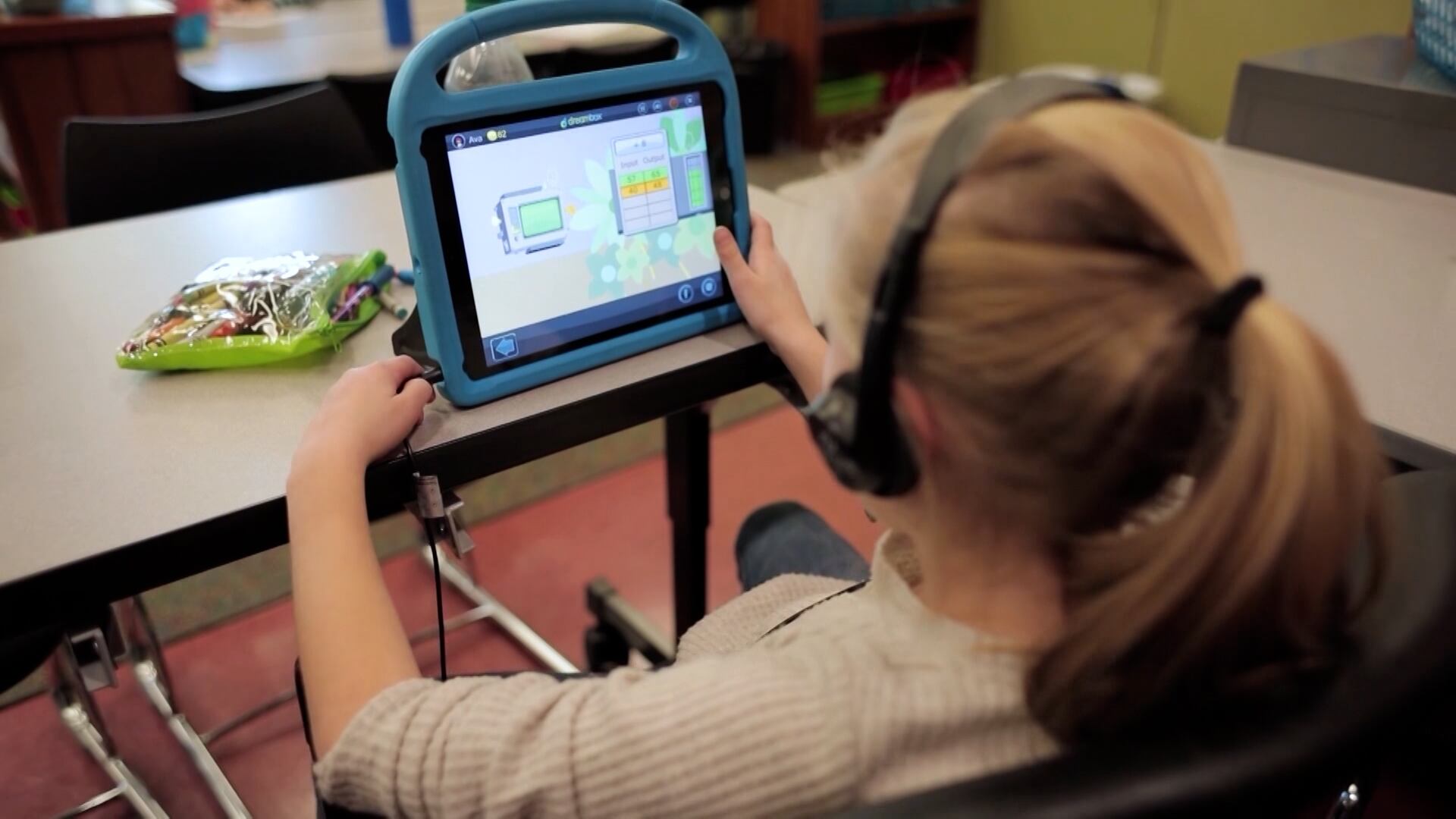
Jessie Woolley-Wilson, President and CEO of DreamBox Learning, joins ChedHER to discuss how technology is transforming the way the world learns, and her career journey as a leading woman of color in the tech industry.
One startup is working to reverse climate change one seed at a time. Terraformation is a global forest accelerator that provides tools, training, financing, and business support to help scale forest restoration projects worldwide. Forests naturally absorb carbon and Terraformation says that reforestation is a safe, low-cost, and scalable solution to the climate crisis. Yee Lee, VP of growth at Terraformation, joins Cheddar Climate to discuss.