*By Tracey Cheek*
In a sharp contrast to years past, the White House Correspondents' Dinner will not feature a class clown, but a professor ー First Amendment historian Ron Chernow.
The sober-minded selection comes after comedian Michelle Wolf's take-no-prisoners routine at the last event in April ー her jabs at Sarah Huckabee Sanders, in particular, incited outrage from the White House and some of the reporters in attendance.
“\[Chernow is\] not going to be controversial, he’ll be a very ‘eat your vegetables’ performer," said Jon Levine, media editor at The Wrap
Chernow ー a significant deviation from the likes of Stephen Colbert and Wanda Sykes ー is best known for his thick volumes on American presidents. Perhaps most notably, his book on Alexander Hamilton inspired the hit Broadway musical and cultural phenomenon, “Hamilton.”
But does it really matter who gets up and tells jokesー or in this year's case, gives a history lesson ー to a group of journalists? Levine said that the White House Correspondents' Dinner has been criticized as an access journalism event, and for all the rumblings, it's not particularly important.
“The event has gotten criticism since as long as I can remember," he said." From a lot of journalists who say it’s weird to sort of be writing all this very tough coverage about Trump or Sarah Sanders or whatever, and then you go there and have drinks with everybody and pal around. It's a little strange.”
President Trump has not shown up to a White House Correspondents dinner since taking office, in contrast to his predecessors, and Levine is positive that this year will be no exception.
“There is not a question, he will not show up,” he said.
“It’s clearly just not his thing. He knows that he goes after the press every single day. It would be a hostile audience. It would be at best awkward.”
As governments around the world consider how to monitor new coronavirus outbreaks while reopening their societies, many are starting to bet on smartphone apps to help stanch the pandemic. But their decisions on which technologies to use — and how far those allow authorities to peer into private lives — are highlighting some uncomfortable trade-offs between protecting privacy and public health.
The stock market shook off a weak start and ended with modest gains Monday, thanks to another solid showing from big technology companies.
The Treasury Department says it will need to borrow a record $2.99 trillion during the current April-June quarter to cover the cost of the government’s various pandemic rescue efforts.
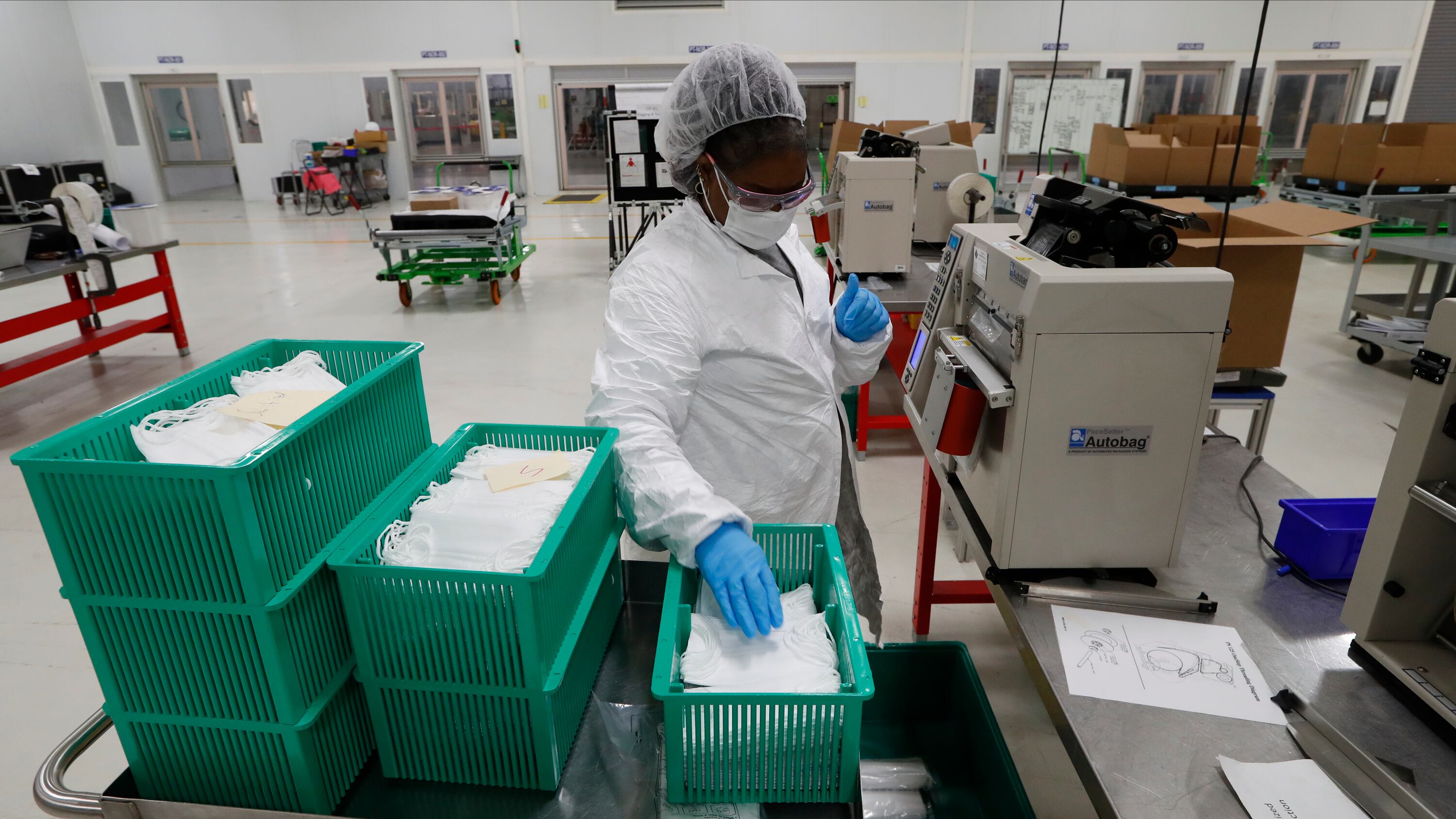
Companies across a wide swath of industries have found ways to give back to communities in their time of need amid the COVID-19 pandemic.
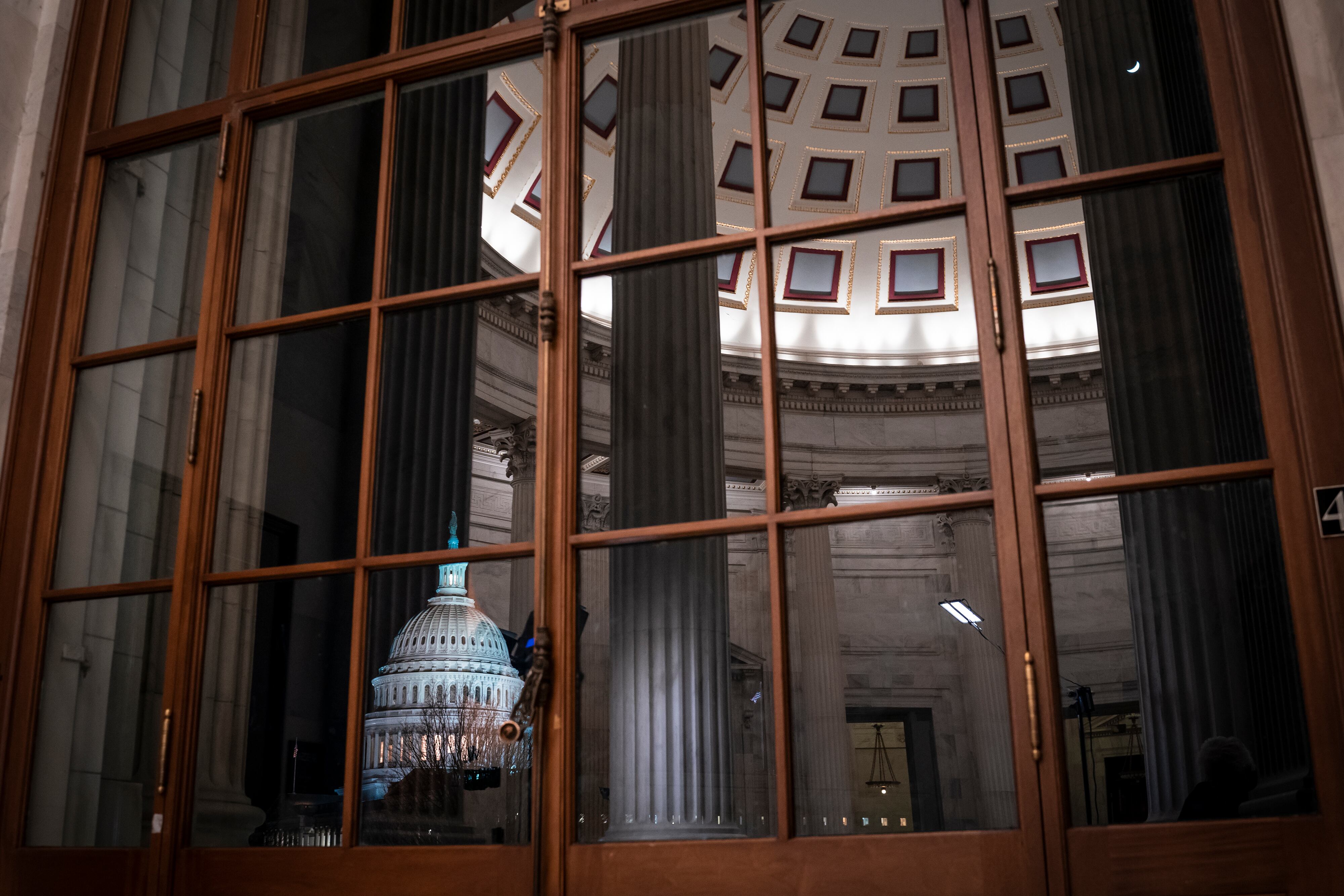
It’s a morning of firsts for the Supreme Court: the first time audio of the court’s arguments is being heard live by the world and the first arguments by telephone. The changes are a result of the coronavirus pandemic, which has made holding courtroom sessions unsafe.
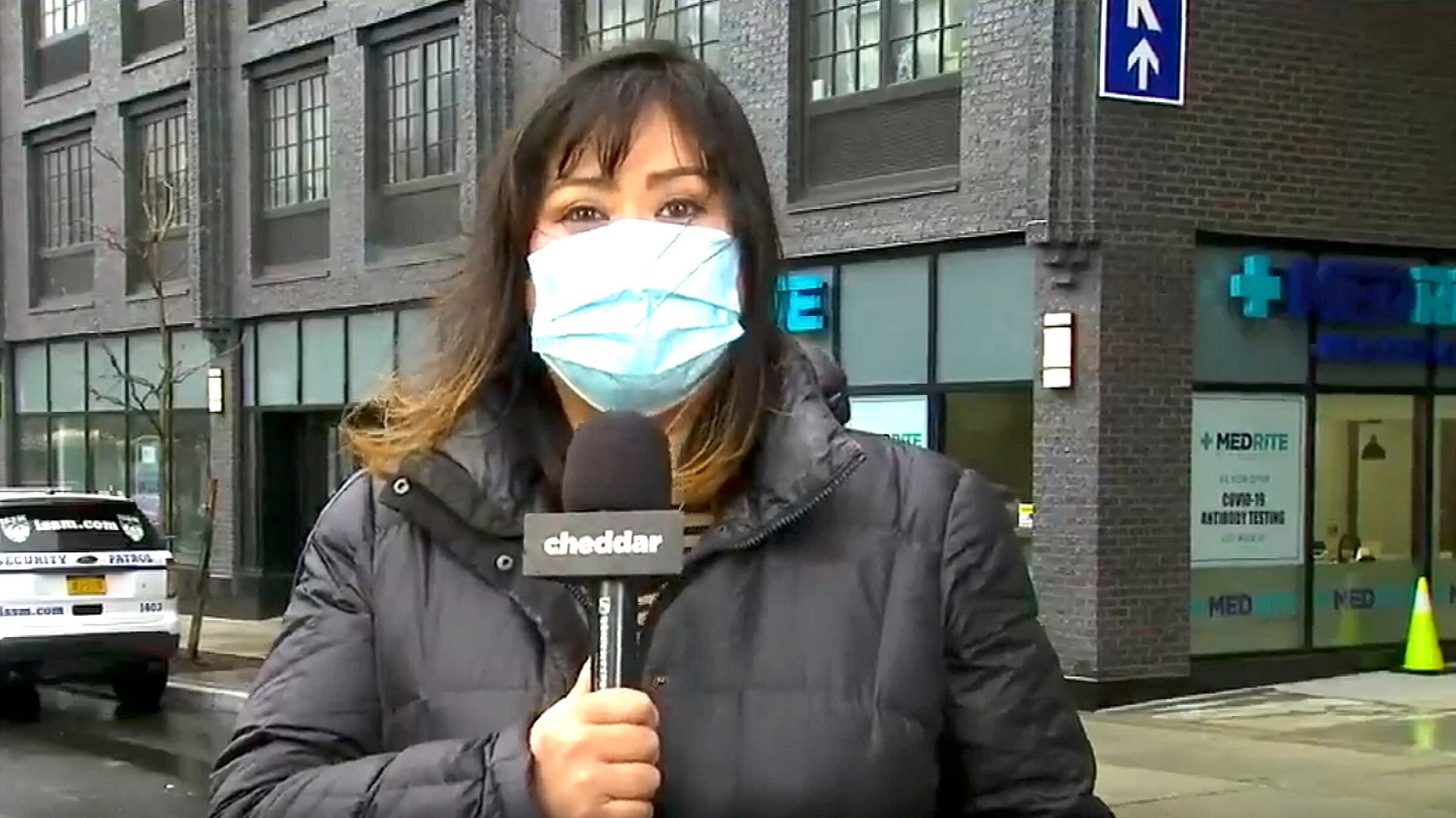
COVID-19 tests look for antibodies, which are proteins the body develops in response to toxic or foreign substances inside the bloodstream.
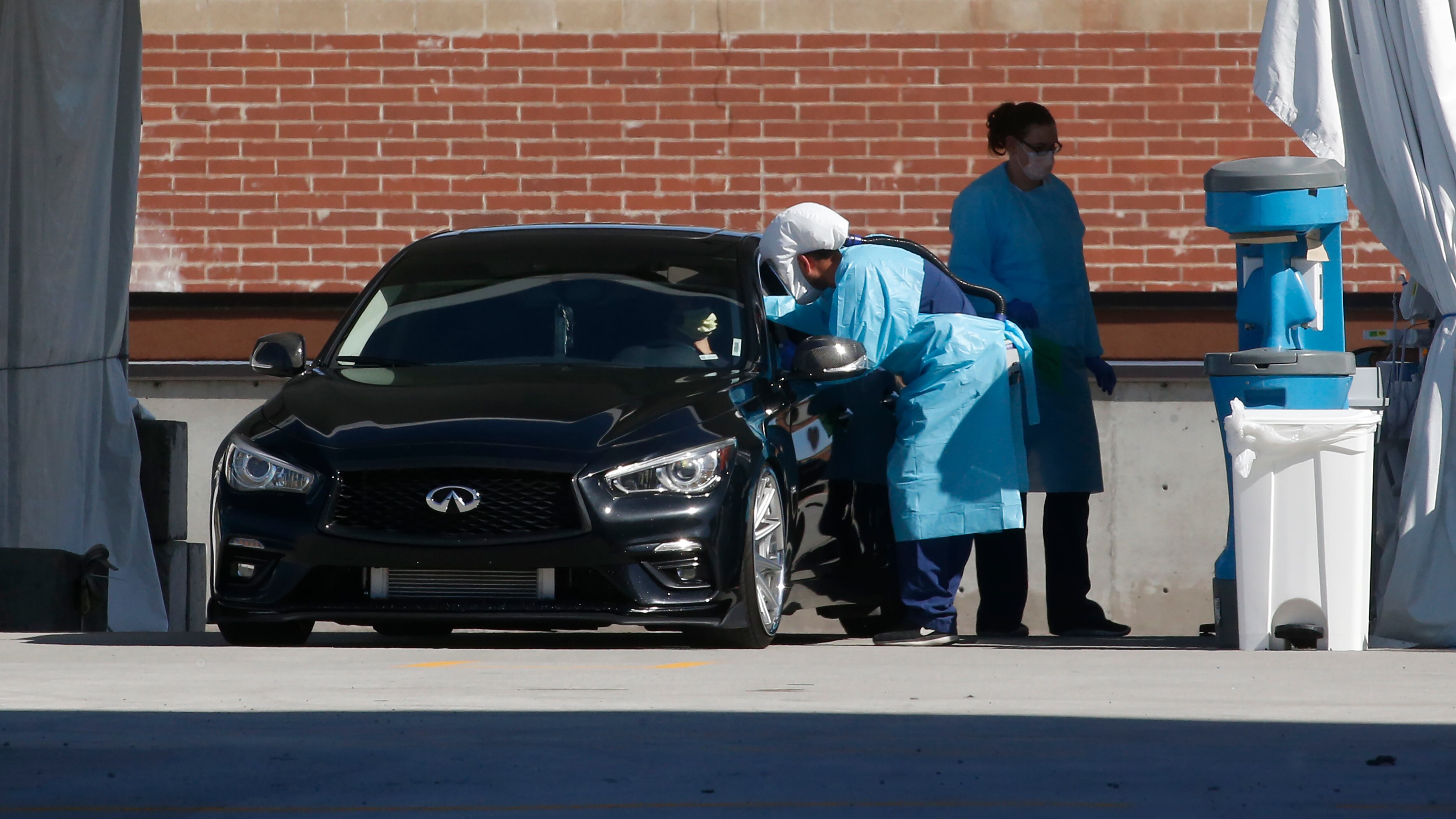
Utah's Lieutenant Governor Spencer Cox and Domo CEO Josh James joined Cheddar to discuss their partnership on testing for COVID-19.
From Wall Street to Silicon Valley, these are the top stories that moved markets and had investors, business leaders, and entrepreneurs talking this week on Cheddar.
Stocks ended lower on Wall Street Friday, giving up their gains for the week, after Amazon and other big companies laid out how the coronavirus pandemic is hitting their bottom lines.
Prime Minister Justin Trudeau said Friday that Canada is banning the use and trade of assault-style weapons immediately.