*By Tracey Cheek*
In a sharp contrast to years past, the White House Correspondents' Dinner will not feature a class clown, but a professor ー First Amendment historian Ron Chernow.
The sober-minded selection comes after comedian Michelle Wolf's take-no-prisoners routine at the last event in April ー her jabs at Sarah Huckabee Sanders, in particular, incited outrage from the White House and some of the reporters in attendance.
“\[Chernow is\] not going to be controversial, he’ll be a very ‘eat your vegetables’ performer," said Jon Levine, media editor at The Wrap
Chernow ー a significant deviation from the likes of Stephen Colbert and Wanda Sykes ー is best known for his thick volumes on American presidents. Perhaps most notably, his book on Alexander Hamilton inspired the hit Broadway musical and cultural phenomenon, “Hamilton.”
But does it really matter who gets up and tells jokesー or in this year's case, gives a history lesson ー to a group of journalists? Levine said that the White House Correspondents' Dinner has been criticized as an access journalism event, and for all the rumblings, it's not particularly important.
“The event has gotten criticism since as long as I can remember," he said." From a lot of journalists who say it’s weird to sort of be writing all this very tough coverage about Trump or Sarah Sanders or whatever, and then you go there and have drinks with everybody and pal around. It's a little strange.”
President Trump has not shown up to a White House Correspondents dinner since taking office, in contrast to his predecessors, and Levine is positive that this year will be no exception.
“There is not a question, he will not show up,” he said.
“It’s clearly just not his thing. He knows that he goes after the press every single day. It would be a hostile audience. It would be at best awkward.”
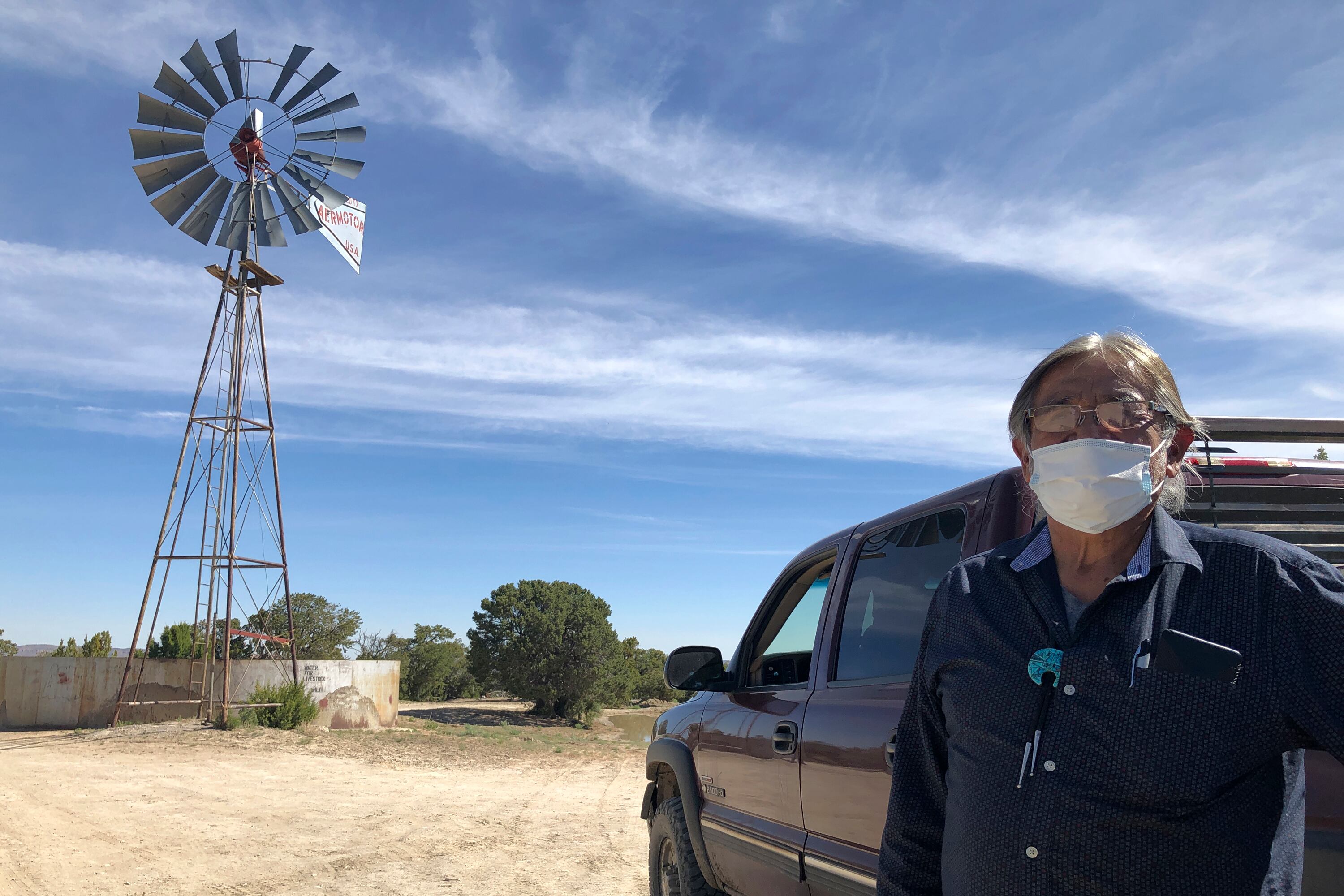
Even as some states begin the process of reopening their economies, Native American tribes are dealing with disproportionate challenges during the pandemic. The Navajo Nation, in particular, has suffered greatly. "The native communities are the ones that are suffering the most from the virus," former New Mexico Governor Bill Richardson told Cheddar. "Close to 30 to 40 percent of those that are afflicted are tribal members, especially the Navajo Nation."
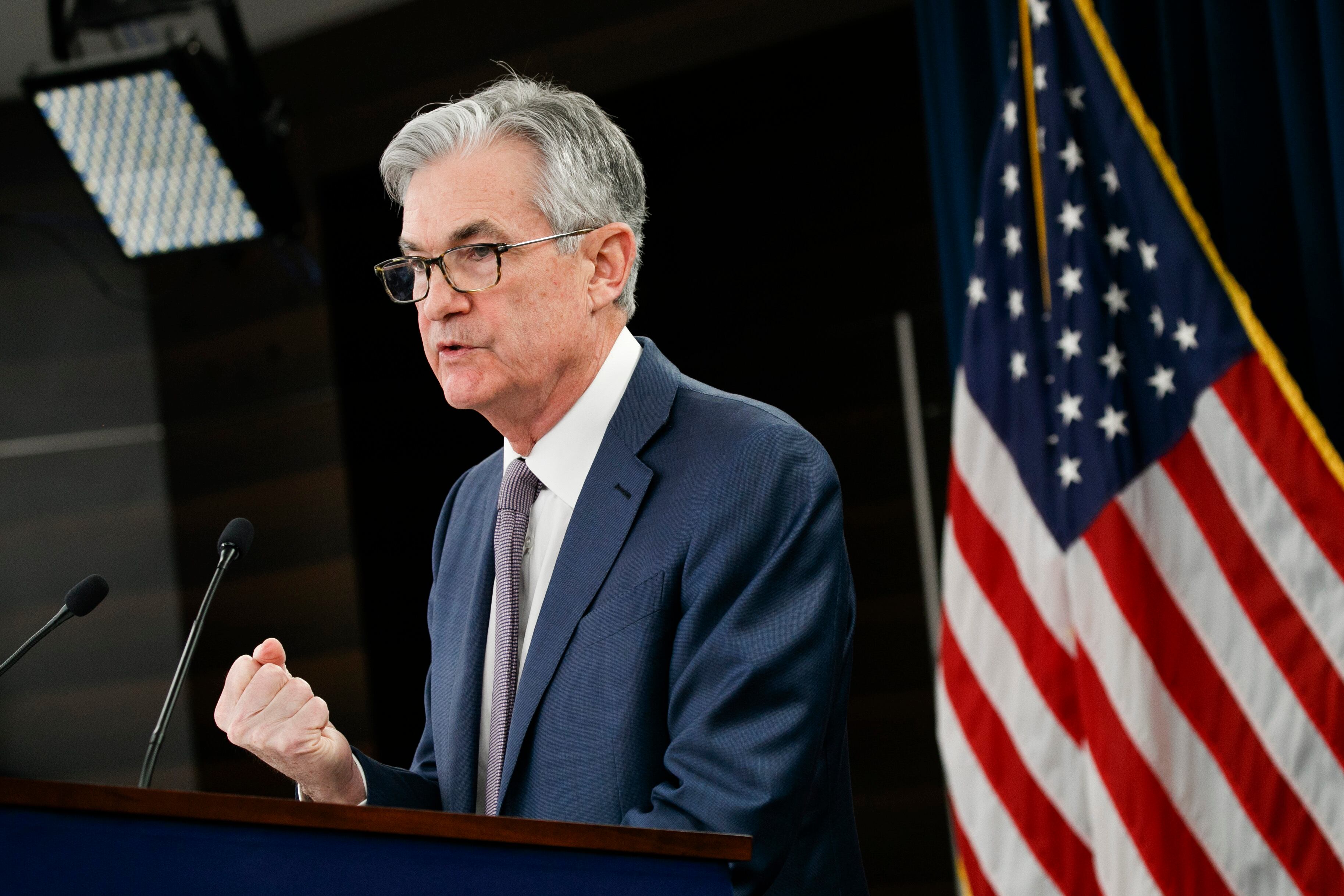
Federal Reserve Chair Jerome Powell said Tuesday that the central bank’s lending programs for medium-sized businesses and state and local governments will be operational by the end of this month.
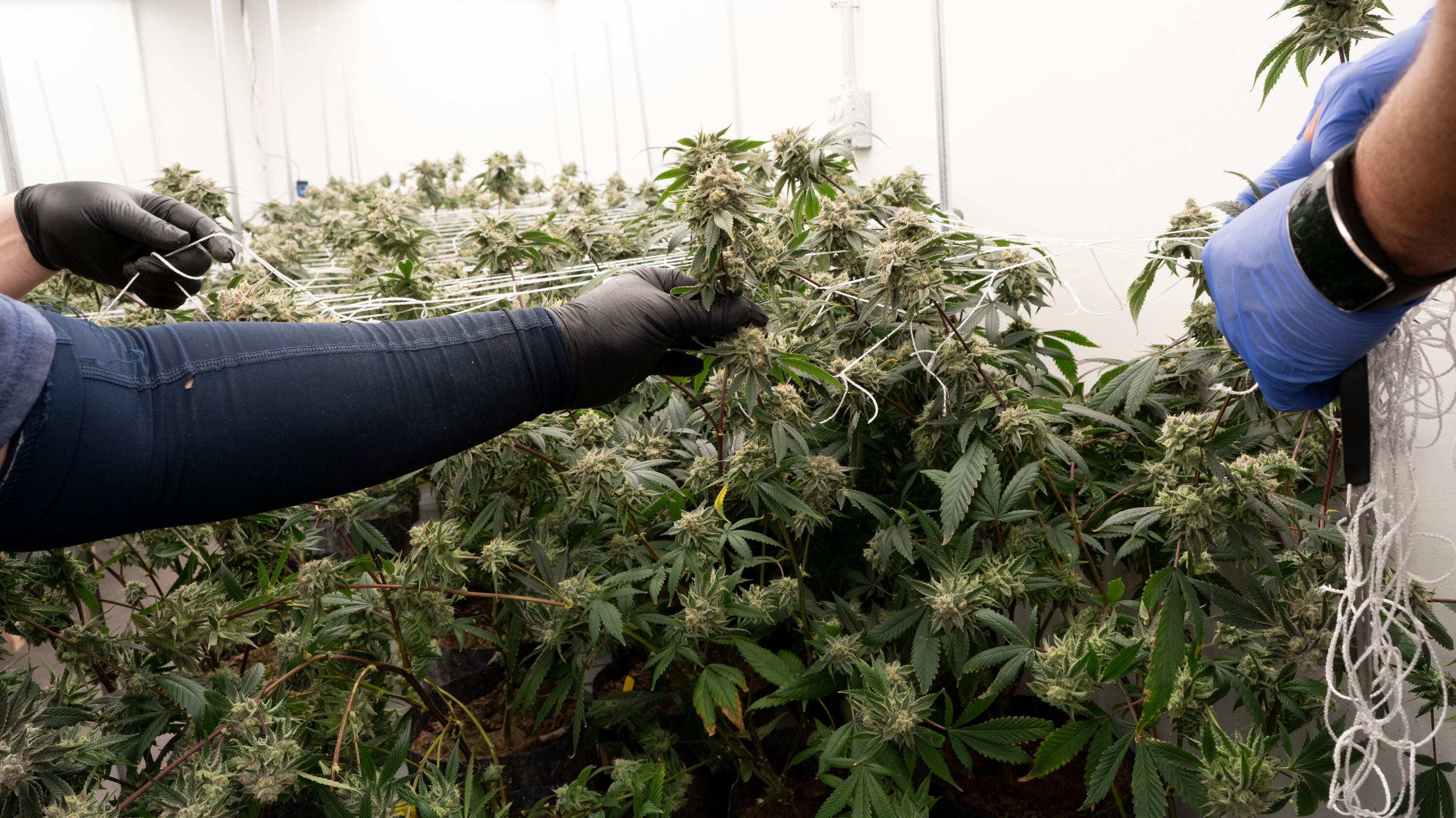
The U.S. House of Representatives narrowly approved a $3 trillion coronavirus stimulus bill on Friday that includes provisions for cannabis banking, even as opposition to the measure builds in the Republican-controlled Senate.
Stocks are mixed in early trading on Wall Street Tuesday, a day after the market had its biggest jump in more than five weeks.
Director of the Rhode Island Labor Department, Scott Jensen discussed how Amazon's tech aided the state amid the widespread unemployment during the pandemic.
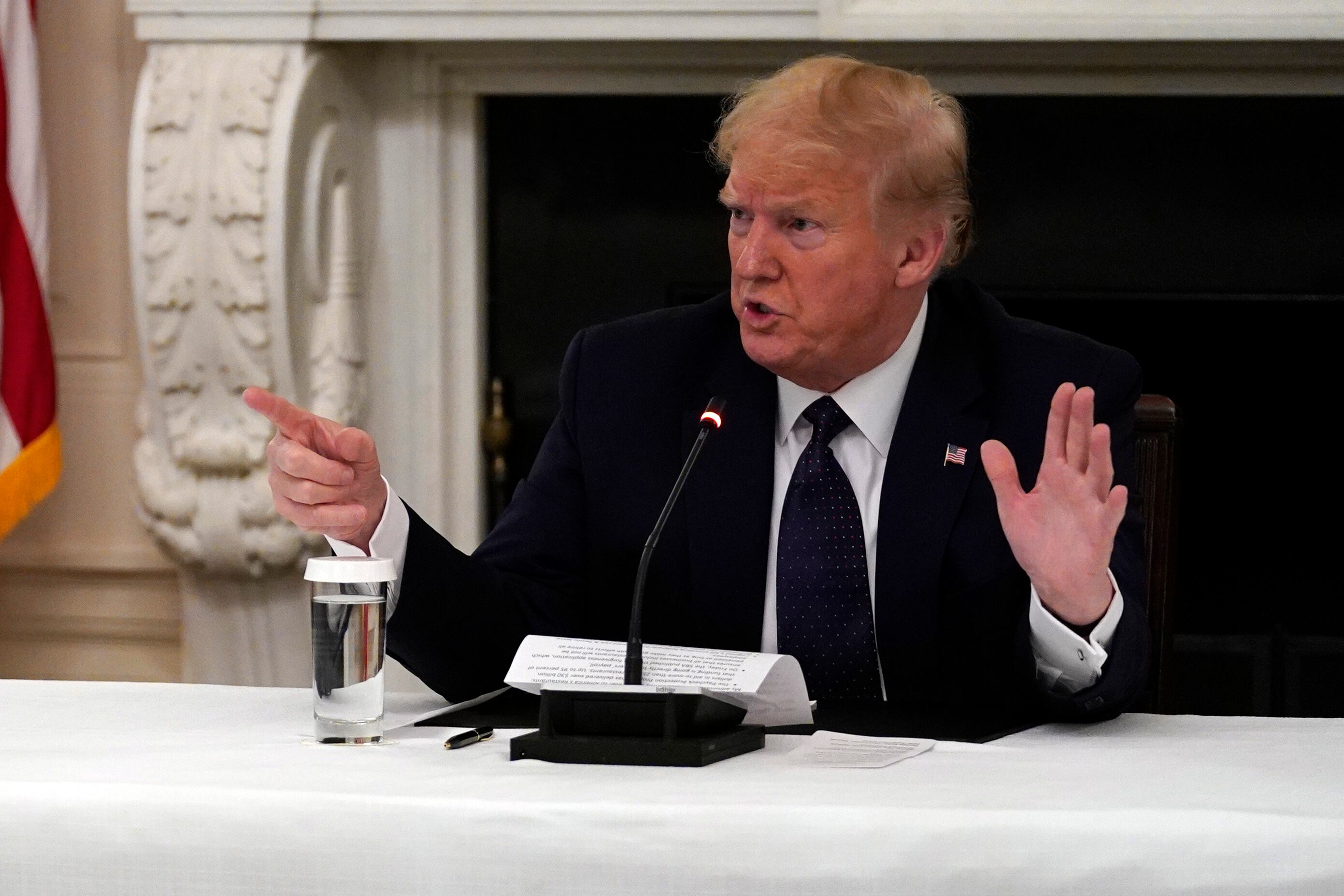
President Donald Trump said Monday that he is taking a malaria drug to lessen symptoms should he get the new coronavirus, even though the drug is unproven for fighting COVID-19.
As large swaths of New York begin to reopen this weekend, mayors and local officials across the state are feeling the squeeze from budget cuts, furloughs, and frustrated constituents.
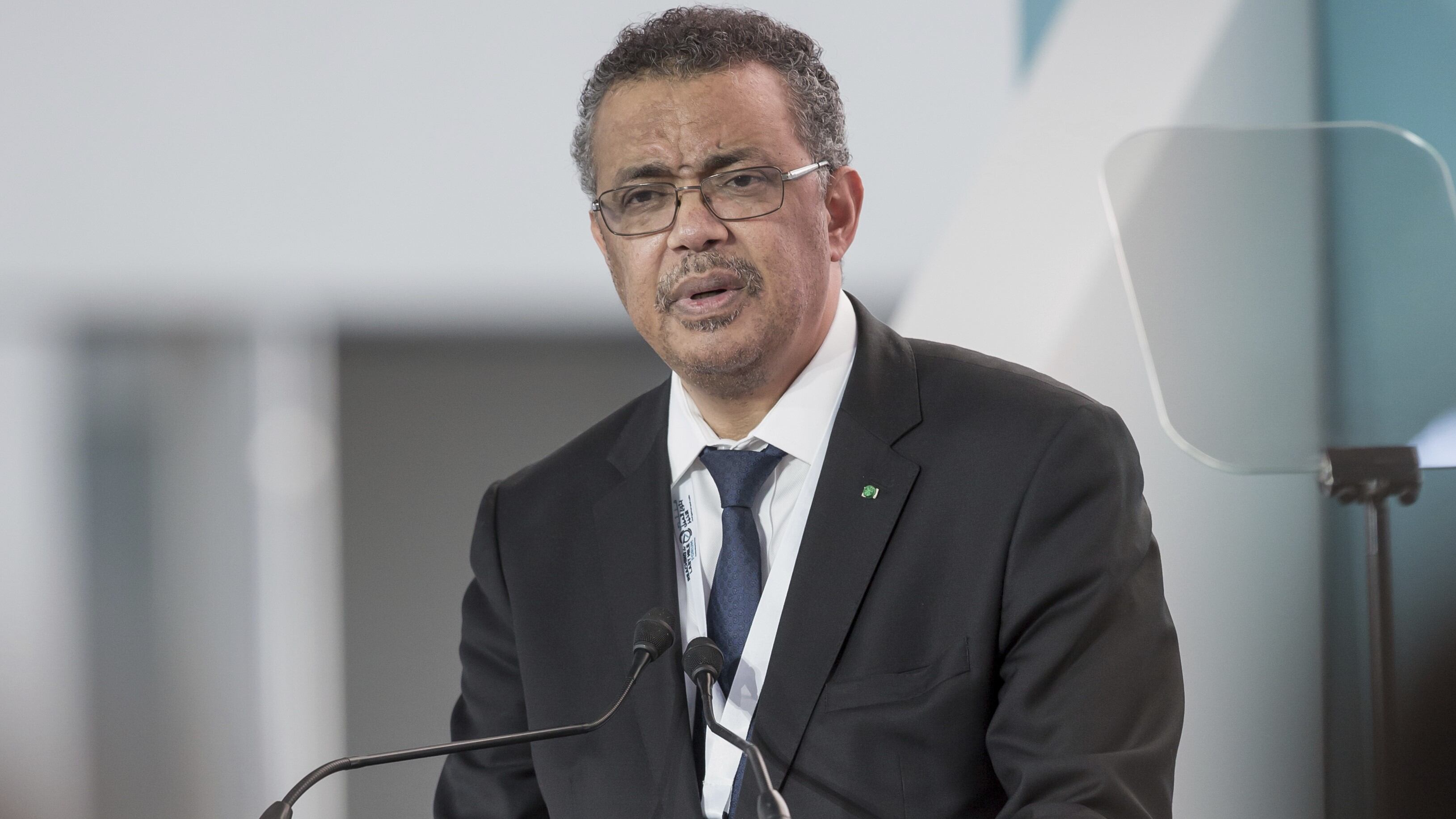
WHO Director-General Tedros Adhanom Ghebreyesus says he will begin an independent evaluation of the U.N. health agency’s response to the coronavirus pandemic “at the earliest appropriate moment.”
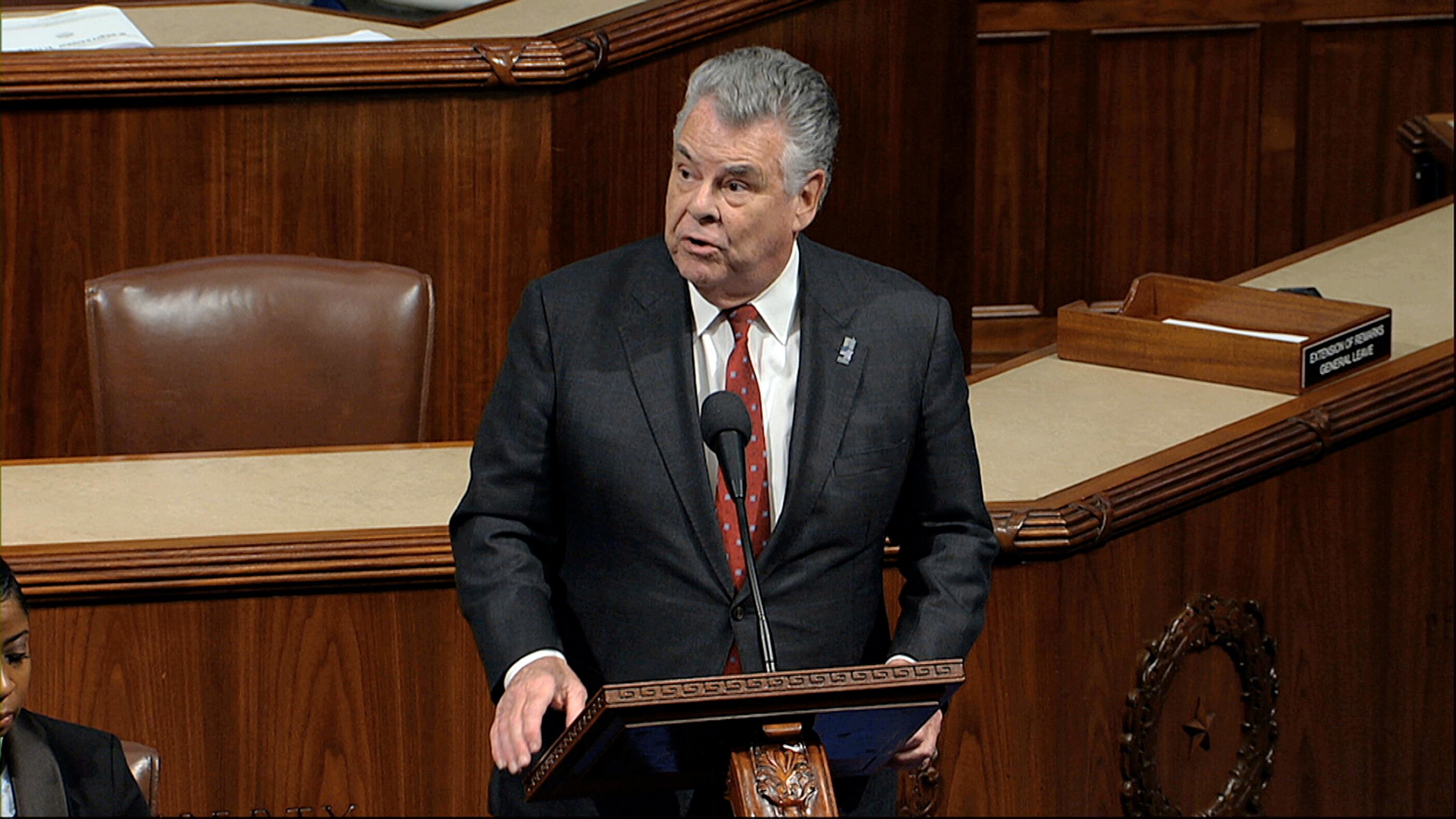
Congressman Peter King (R-N.Y. 2nd District) tells Cheddar exclusively that he plans to vote in favor of the $3 trillion coronavirus relief bill introduced by Democratic Speaker of the House Nancy Pelosi earlier this week.
The U.S. government is imposing new restrictions on Chinese tech giant Huawei by limiting its ability to use American technology to build its semiconductors.