Is the Drama Around the White House Correspondents' Dinner Worth It?
*By Tracey Cheek*
In a sharp contrast to years past, the White House Correspondents' Dinner will not feature a class clown, but a professor ー First Amendment historian Ron Chernow.
The sober-minded selection comes after comedian Michelle Wolf's take-no-prisoners routine at the last event in April ー her jabs at Sarah Huckabee Sanders, in particular, incited outrage from the White House and some of the reporters in attendance.
“\[Chernow is\] not going to be controversial, he’ll be a very ‘eat your vegetables’ performer," said Jon Levine, media editor at The Wrap
Chernow ー a significant deviation from the likes of Stephen Colbert and Wanda Sykes ー is best known for his thick volumes on American presidents. Perhaps most notably, his book on Alexander Hamilton inspired the hit Broadway musical and cultural phenomenon, “Hamilton.”
But does it really matter who gets up and tells jokesー or in this year's case, gives a history lesson ー to a group of journalists? Levine said that the White House Correspondents' Dinner has been criticized as an access journalism event, and for all the rumblings, it's not particularly important.
“The event has gotten criticism since as long as I can remember," he said." From a lot of journalists who say it’s weird to sort of be writing all this very tough coverage about Trump or Sarah Sanders or whatever, and then you go there and have drinks with everybody and pal around. It's a little strange.”
President Trump has not shown up to a White House Correspondents dinner since taking office, in contrast to his predecessors, and Levine is positive that this year will be no exception.
“There is not a question, he will not show up,” he said.
“It’s clearly just not his thing. He knows that he goes after the press every single day. It would be a hostile audience. It would be at best awkward.”
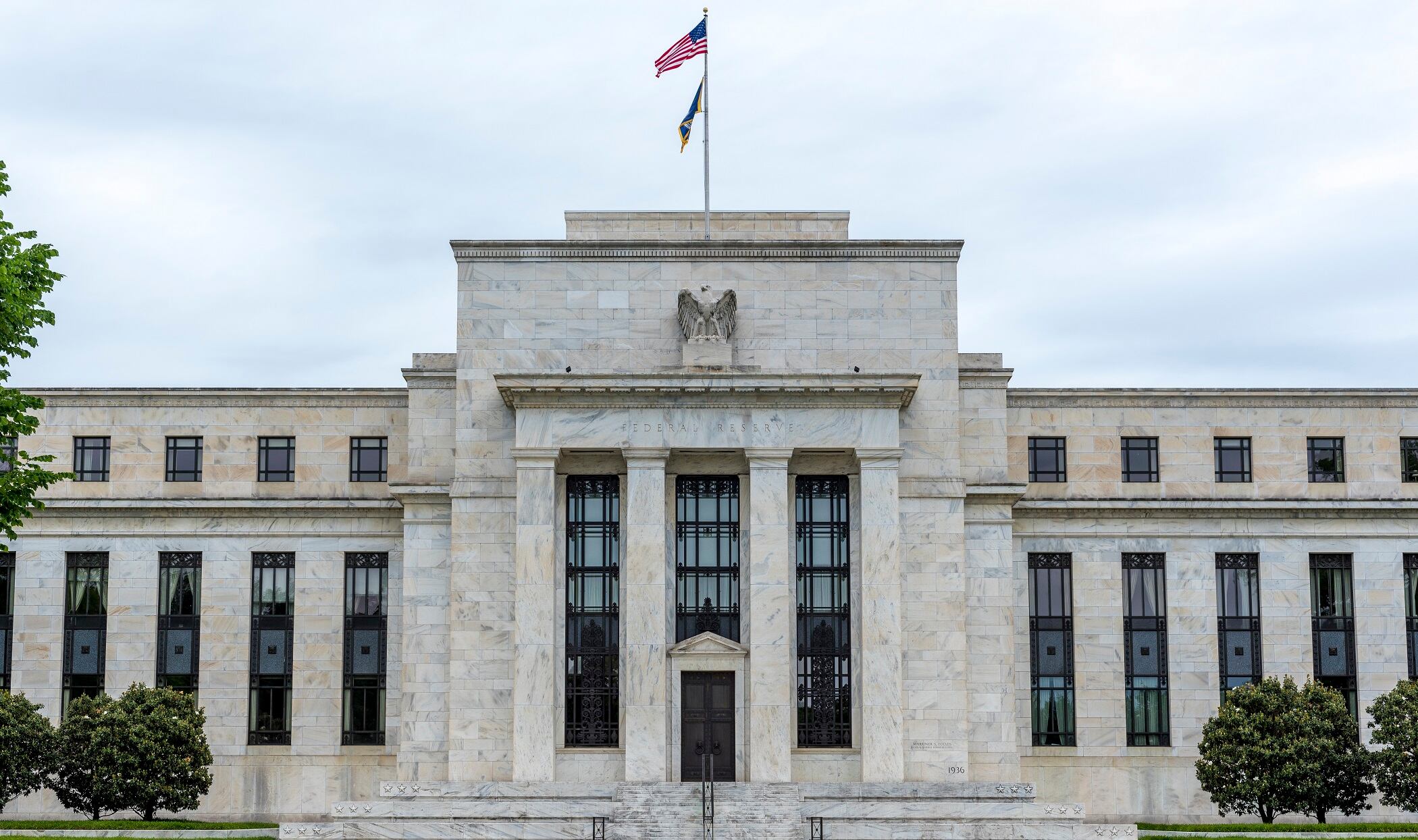
With the Fed about to the announce a 25 basis point interest rate hike on Wednesday, what exactly does this mean for investors, consumers, and businesses?
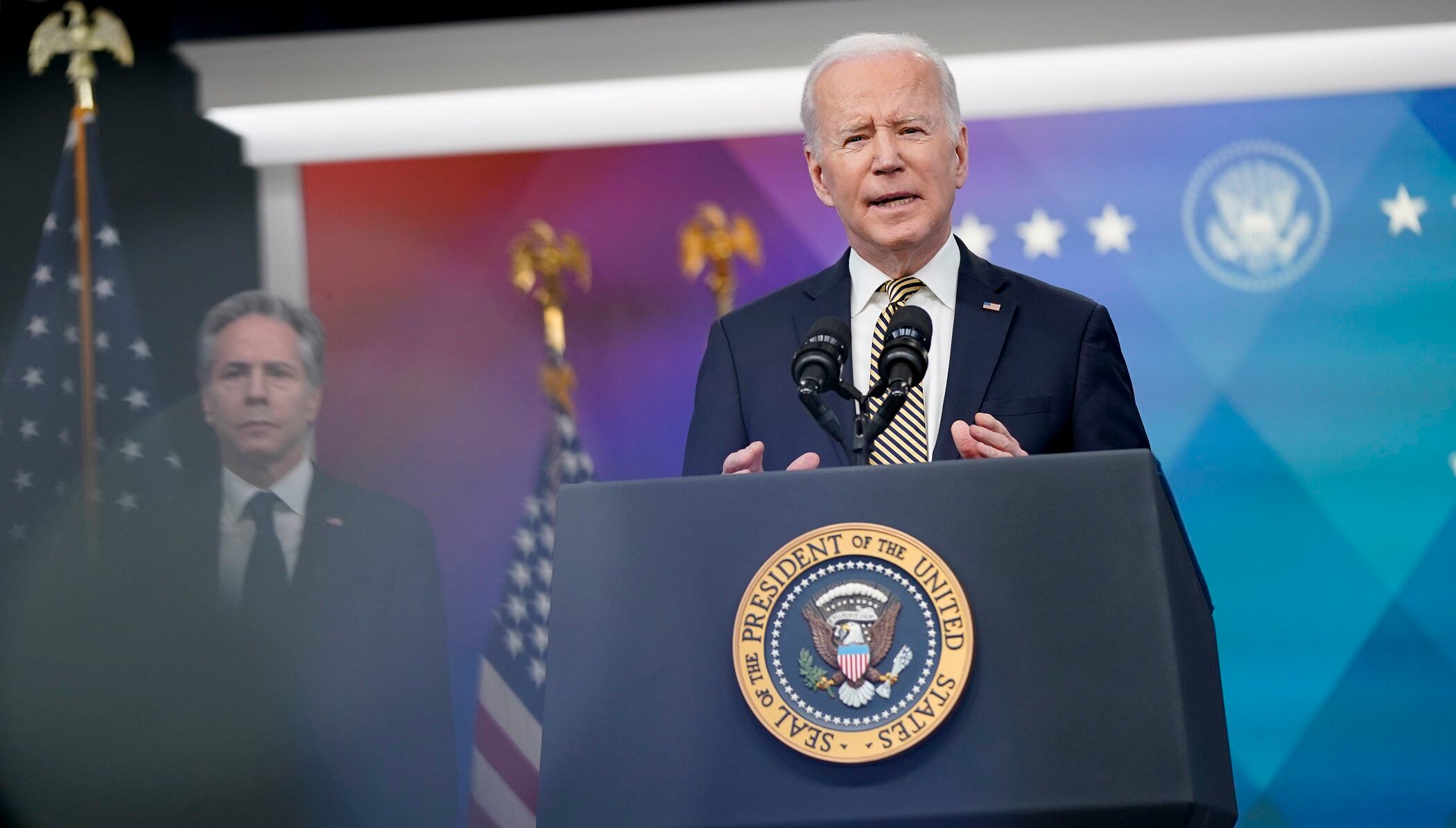
Ukrainian President Volodymyr Zelenskyy has summoned the memory of Pearl Harbor and the Sept. 11 terror attacks in an impassioned video plea to Congress to send more help for Ukraine’s fight against Russia.
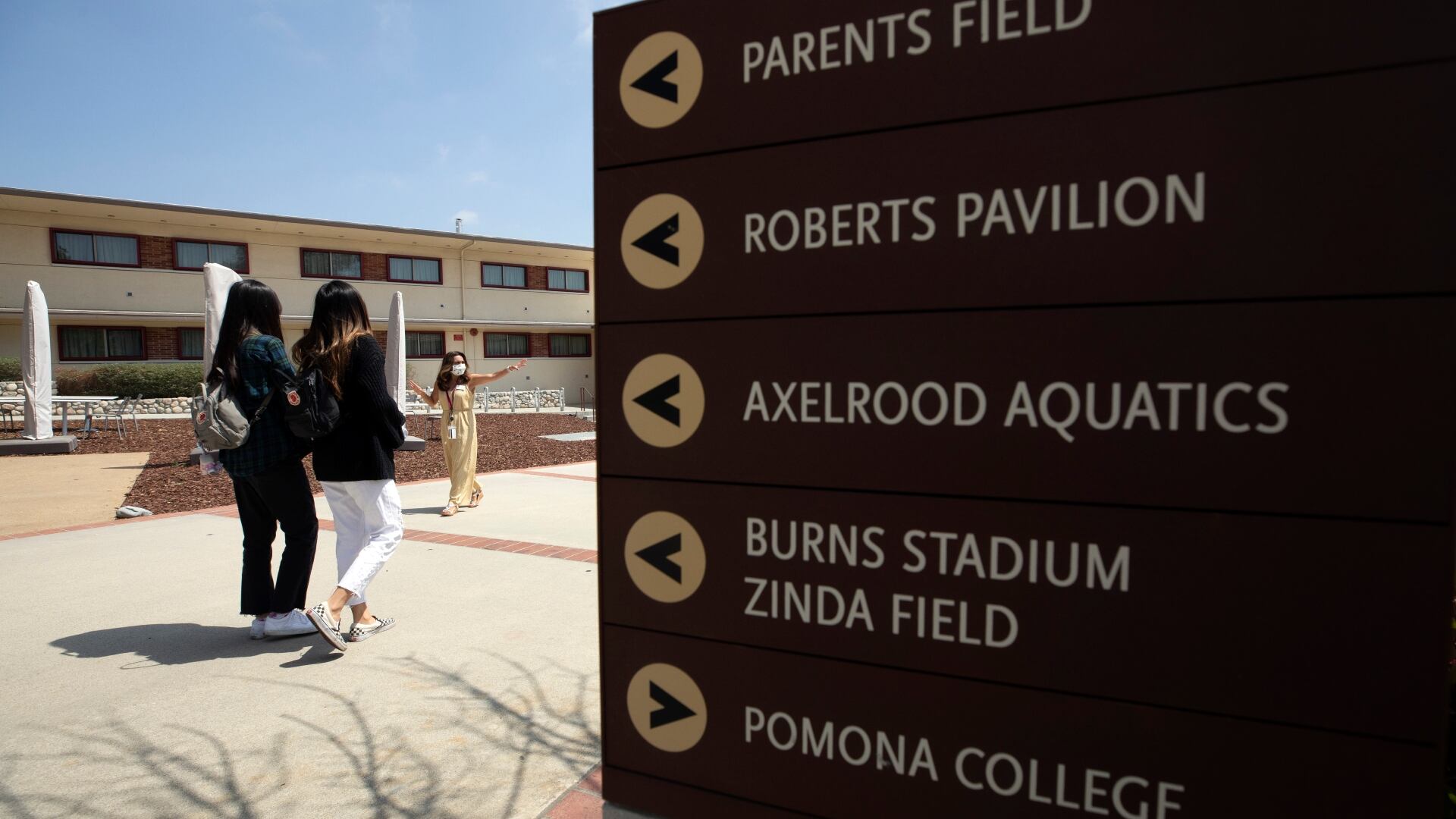
In February, Senator Jeff Merkley (D-Ore.) and Representative Jamaal Bowman (D-N.Y. 16th District) introduced the Fair College Admissions for Students Act. The bill looks to curb the admissions advantage given to the children of alumni and donors for colleges and universities. Sen. Merkley joined Cheddar news to discuss the push behind the legislation. "My dad was a mechanic. I was applying to schools around the country. I never thought about the fact that those students who came from the most privileged backgrounds also got a special advantage in applying to college," he said. "They take up 10-25 percent of the slots at many of our universities, and so this is kind of affirmative action for those who need it least rather than a level playing field for everyone else." If enacted, the law would amend the Higher Education Act of 1965 doing away with legacy or donor status admissions for any school participating in the federal student aid program.
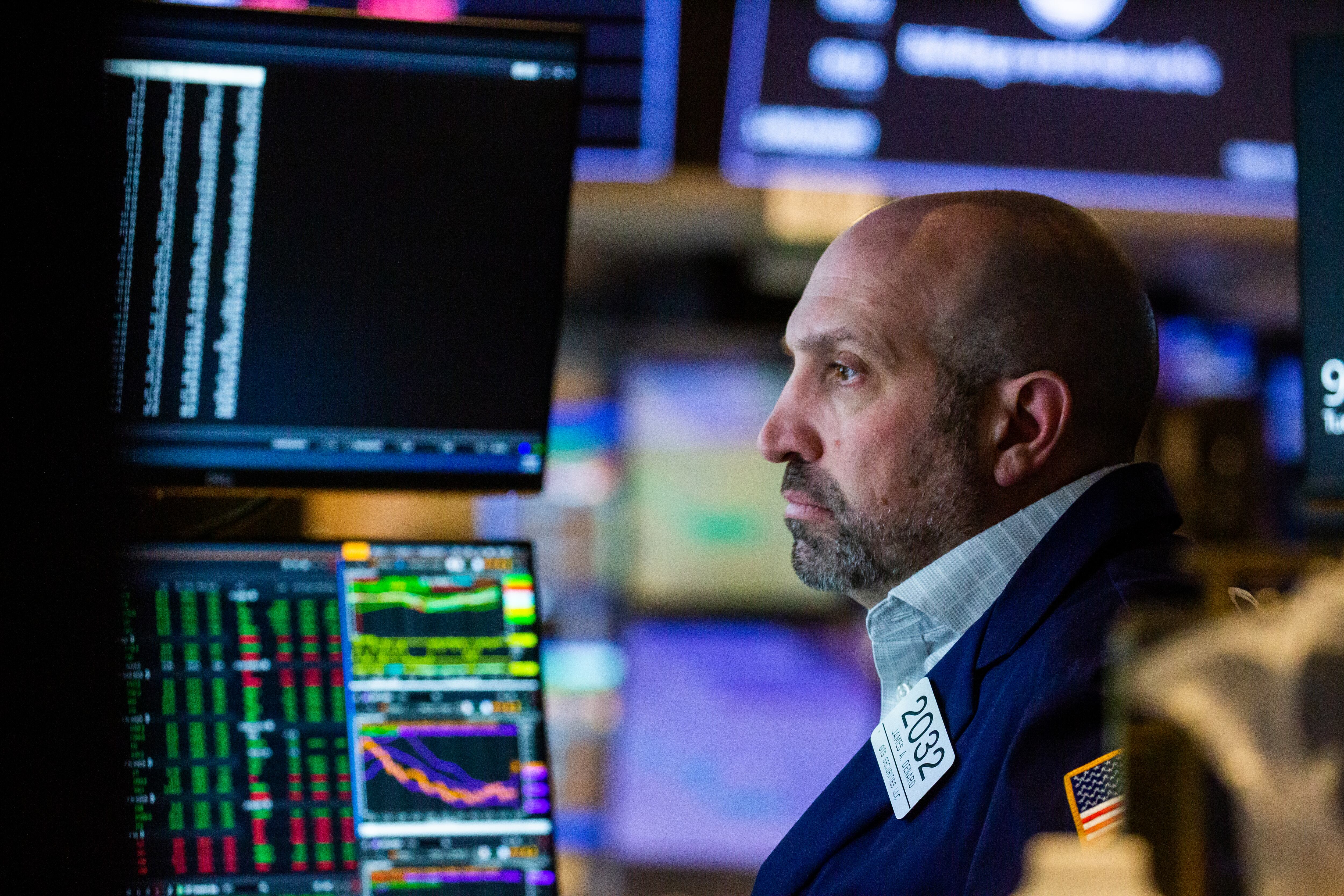
Nancy Daoud, a private wealth adviser for Ameriprise Financial, joins Cheddar News' Closing Bell, where she discusses what led to a sharp spike on Wall Street during Tuesday's session and what she will be watching for most closely when the Fed announces it latest policy decision on Wednesday.
Russia's economy is effectively at a standstill after it was slapped with extensive western sanctions, and now it has to make the first of four monthly interest payments on dollar bonds. It's likely the country will not be able to pay — so what happens next? Major credit ratings agencies have downgraded Russian sovereign debt, with Fitch issuing a 'C' rating and S&P Global Ratings issuing a 'CCC-' rating. Caleb Silver, Editor in Chief of Investopedia, joins Closing Bell to discuss what a Russian debt default could mean for Russia's economy, U.S. consumers who have pensions with exposure to Russian assets, and whether this could create a global financial crisis.
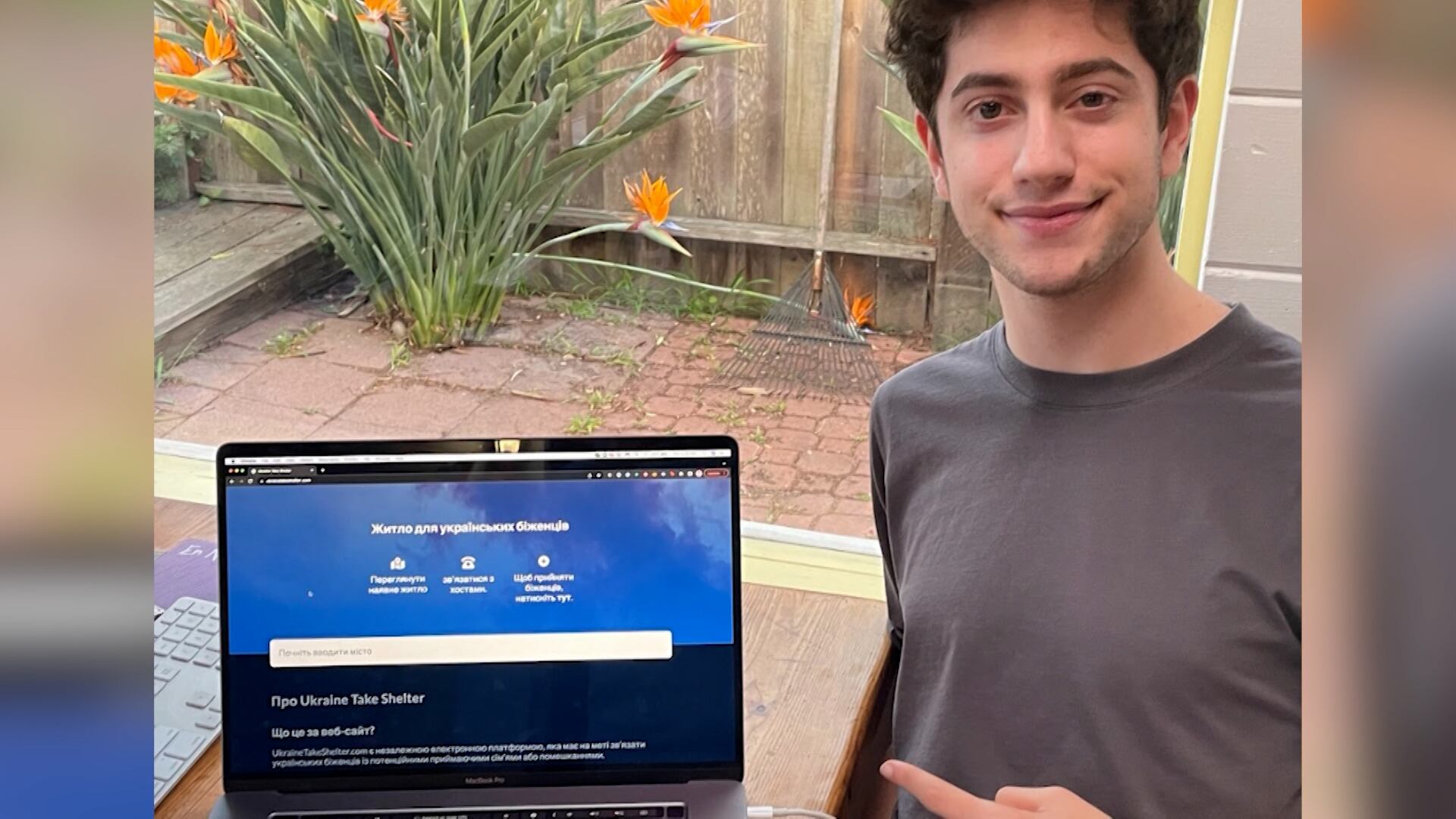
With the number of Ukrainians being displaced due to the Russian invasion surging, two students from Harvard took it on themselves to develop a website to help connect potential hosts with refugees seeking housing. The co-founder of the website Ukraine Takes Shelter, Marco Burstein, joined Cheddar news to discuss working together with fellow freshman Avi Schiffmann to streamline the effort to aid Ukrainian refugees. "We basically worked for three days straight developing the website, and since then the response has been pretty incredible," Burstein said.
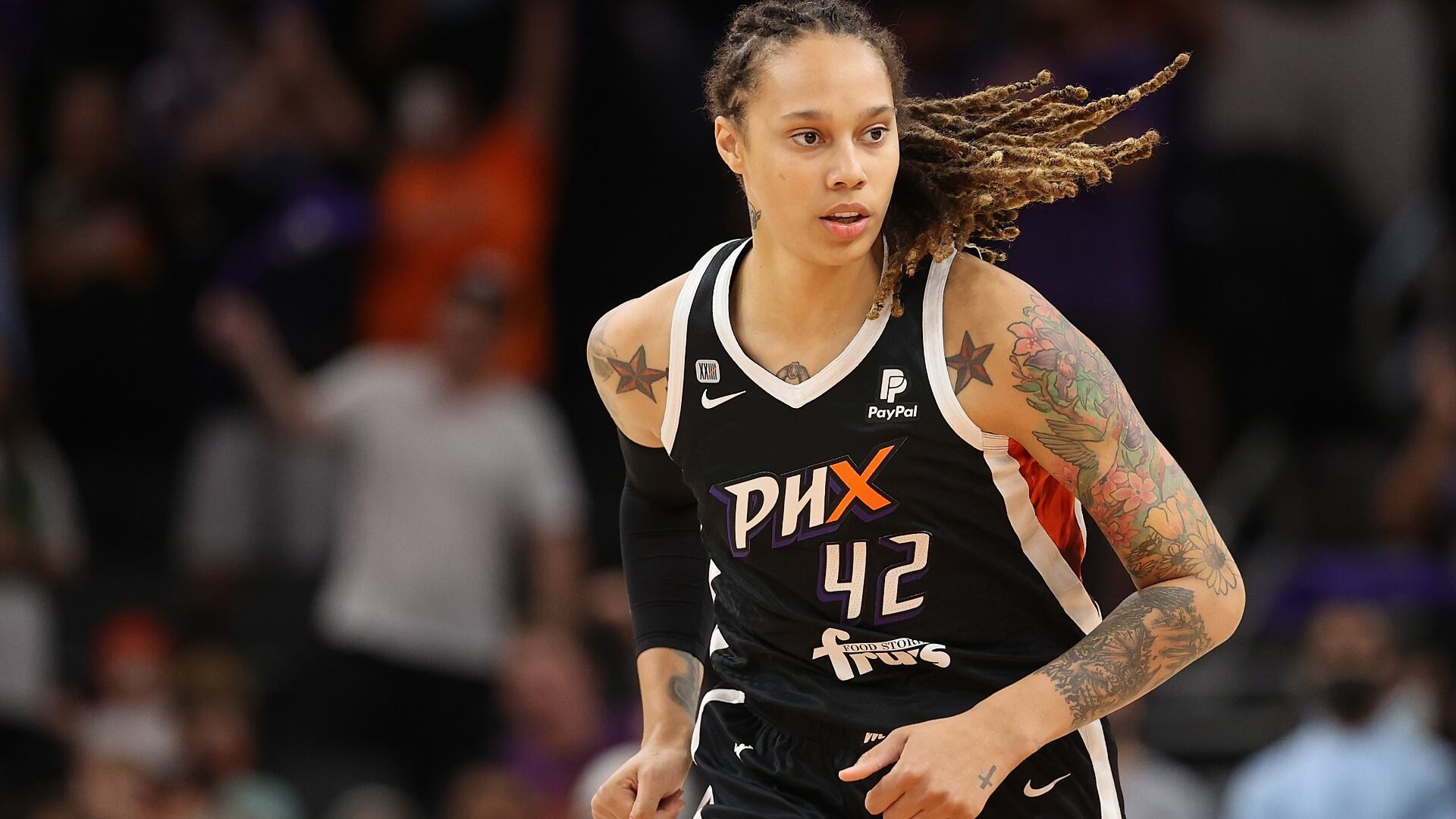
Over three weeks ago, WNBA player Brittney Griner was arrested in Russia on drug charges. According to reports, the Star arrived at an airport near Moscow where authorities found Vape cartridges and hashish oil in her luggage. Grindr faces serious charges that could carry a possible sentence of 5-10 years in a Russian prison. Experts warn that Griner's arrest could be used as a bargaining chip. Partner at Stroock & Stroock & Lavan, Thomas Firestone, joined Cheddar to discuss more.