Is the Drama Around the White House Correspondents' Dinner Worth It?
*By Tracey Cheek*
In a sharp contrast to years past, the White House Correspondents' Dinner will not feature a class clown, but a professor ー First Amendment historian Ron Chernow.
The sober-minded selection comes after comedian Michelle Wolf's take-no-prisoners routine at the last event in April ー her jabs at Sarah Huckabee Sanders, in particular, incited outrage from the White House and some of the reporters in attendance.
“\[Chernow is\] not going to be controversial, he’ll be a very ‘eat your vegetables’ performer," said Jon Levine, media editor at The Wrap
Chernow ー a significant deviation from the likes of Stephen Colbert and Wanda Sykes ー is best known for his thick volumes on American presidents. Perhaps most notably, his book on Alexander Hamilton inspired the hit Broadway musical and cultural phenomenon, “Hamilton.”
But does it really matter who gets up and tells jokesー or in this year's case, gives a history lesson ー to a group of journalists? Levine said that the White House Correspondents' Dinner has been criticized as an access journalism event, and for all the rumblings, it's not particularly important.
“The event has gotten criticism since as long as I can remember," he said." From a lot of journalists who say it’s weird to sort of be writing all this very tough coverage about Trump or Sarah Sanders or whatever, and then you go there and have drinks with everybody and pal around. It's a little strange.”
President Trump has not shown up to a White House Correspondents dinner since taking office, in contrast to his predecessors, and Levine is positive that this year will be no exception.
“There is not a question, he will not show up,” he said.
“It’s clearly just not his thing. He knows that he goes after the press every single day. It would be a hostile audience. It would be at best awkward.”
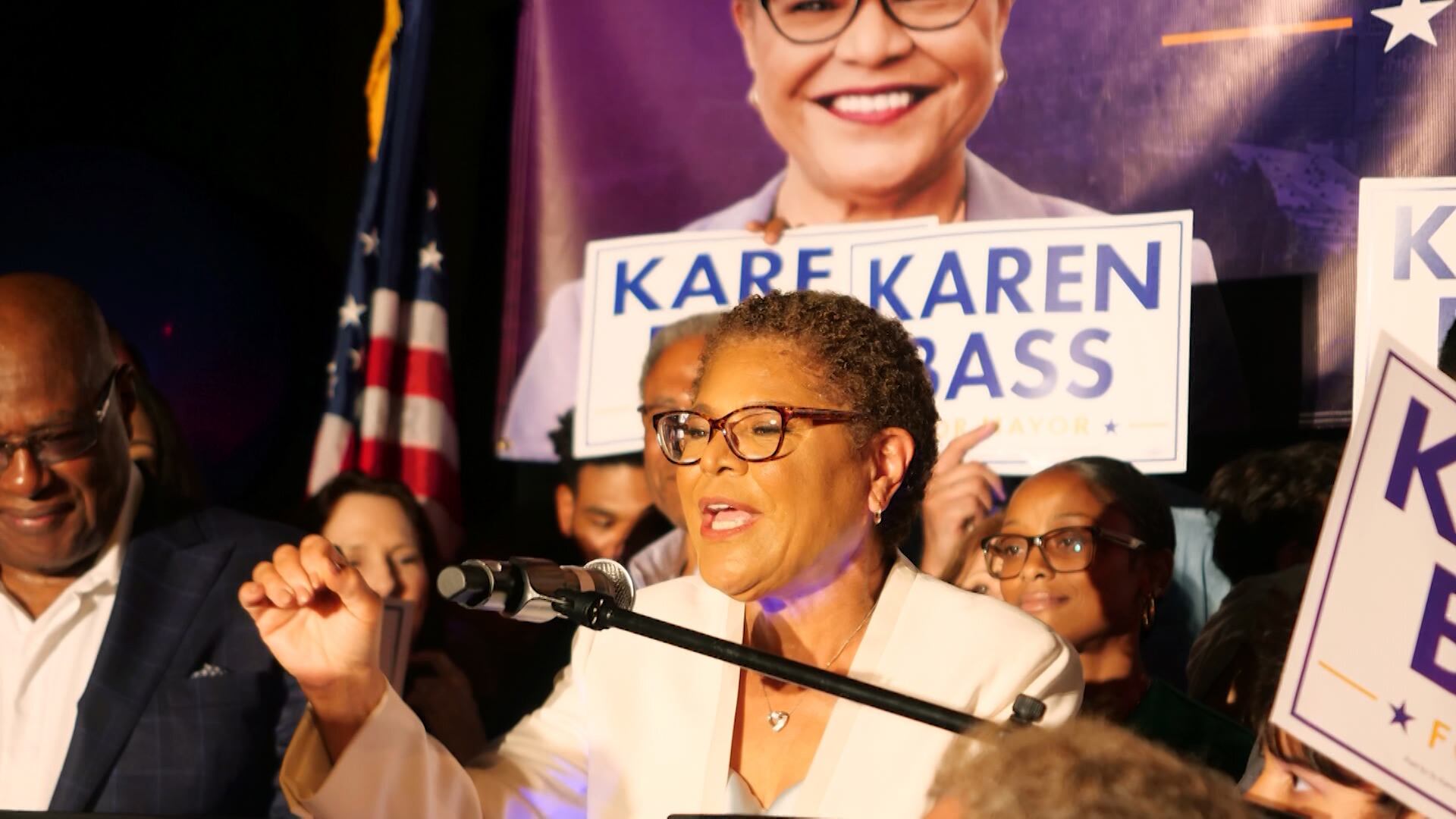
Claudia Rosenbaum, freelance reporter for Vanity Fair, joins Cheddar Politics to discuss the race for Los Angeles mayor.
Rick Caruso, a billionaire real estate developer, forced a runoff with the longtime Democratic Rep. Karen Bass, who had been the favorite in the race until an ad blitz from Caruso leaning on the city's issues with crime and homelessness.
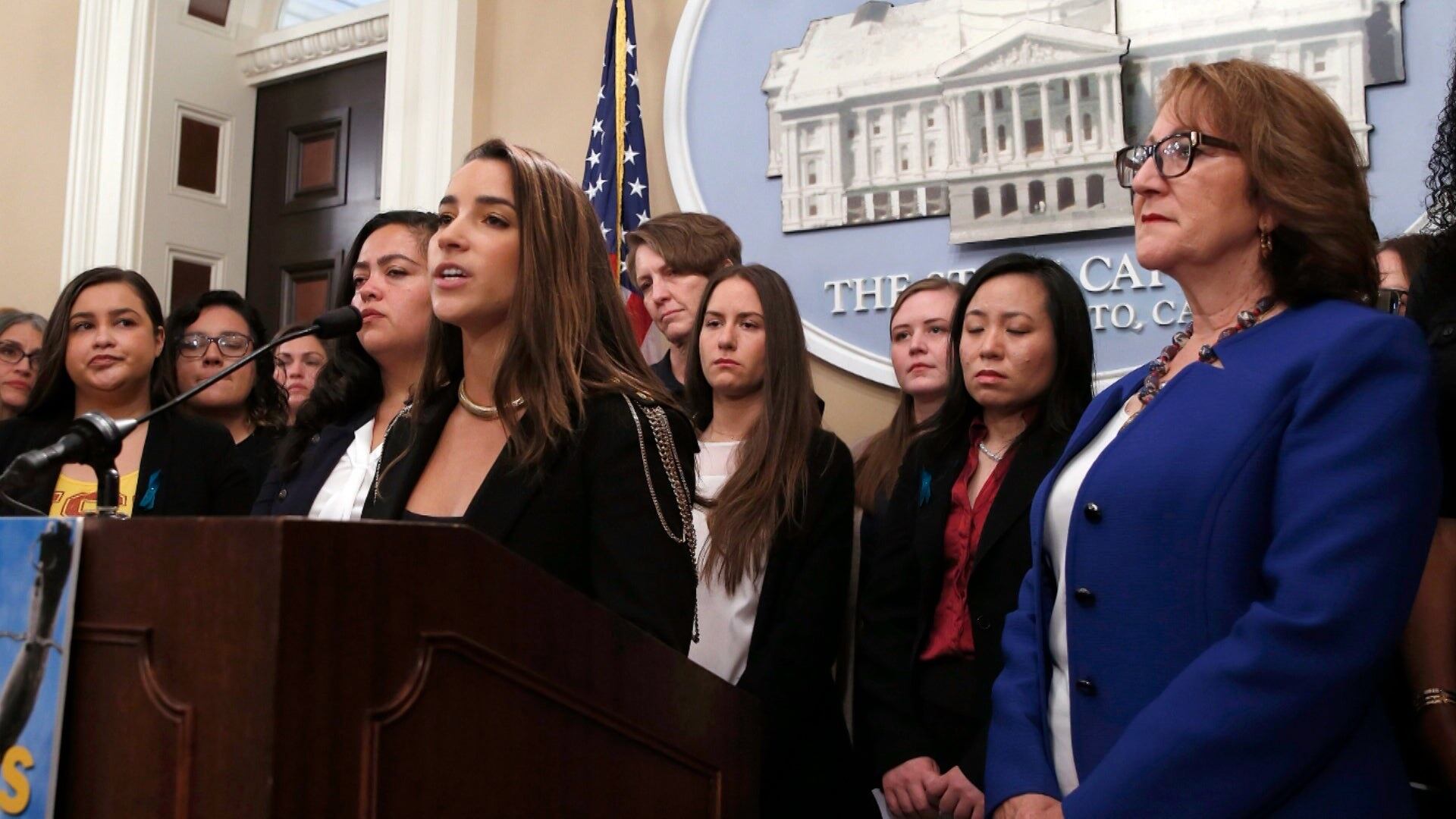
Survivors of Larry Nassar, including Olympian Simone Biles, are seeking $1 billion in damages from the FBI due to its failure to investigate the former gymnastics team doctor convicted of committing years of serial sexual abuse of minors. Jack Queen, a senior reporter at Law360, joined Cheddar News to break down the legal grounds of this case. "This is one of the biggest black eyes that the Bureau has faced in generations, quite frankly, and the FBI has taken full responsibility and admitted that it completely botched this investigation," he said. "So, there's a lot of pressure to settle."
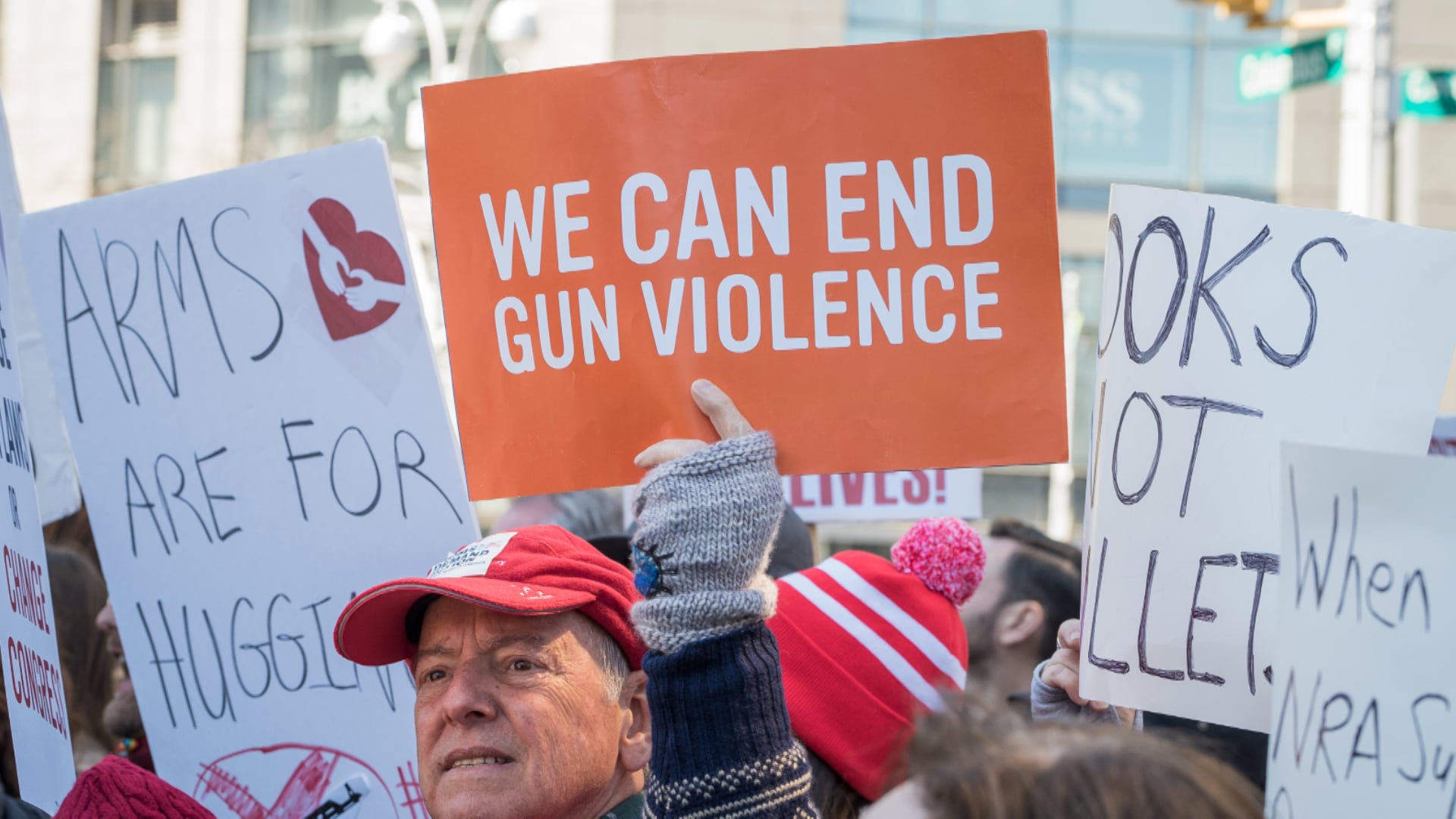
The House has passed some of the most aggressive gun-control measures in years, including raising the minimum age to buy semi-automatic rifles from 18 to 21 and banning high-capacity magazines. Daniel Webster, Co-Director of the Center for Gun Violence Solutions, explains why this legislation has little chance to pass in the Senate, and what else can be done to curb gun violence in this country.
We are already starting to feel the effects of summer. Heat waves in Texas and California are already sending temperatures soaring. That could spell trouble for the nation's power supply. there are new concerns about outages in many areas of the country. Cheddar's Shannon Lanier explains the two main causes of blackouts, and what states are doing to keep the lights on and the air conditioning running.
If you have been on the road this past year, you've probably seen more accidents on the road than you ever have. You're not wrong. Traffic fatalities are not only increasing they are hitting historic highs. Almost 43,000 people died in motor vehicle accidents in 2021. Cheddar's Shannon Lanier investigates - and finds out why.
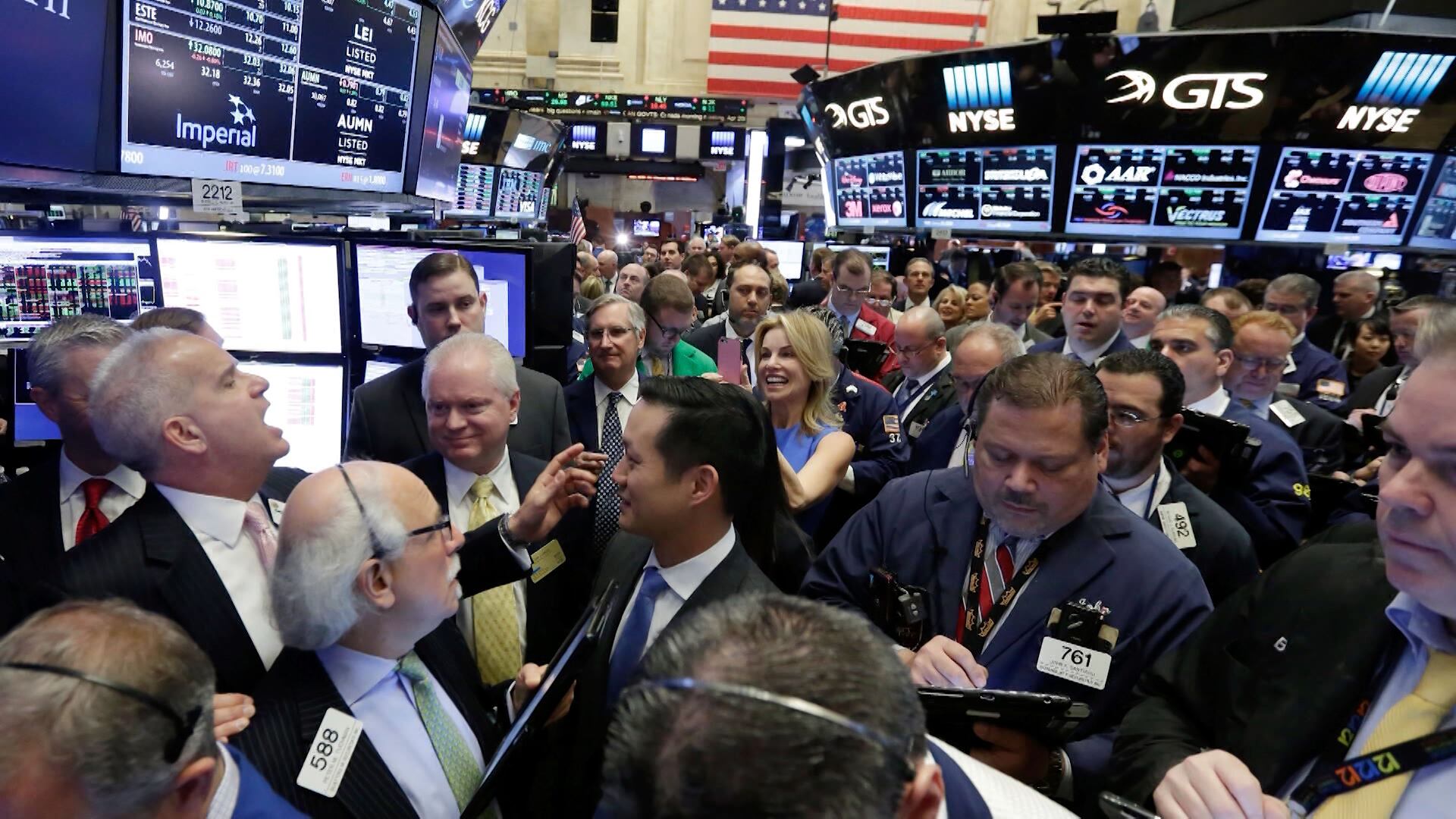
U.S. stocks close Tuesday at session highs after a subpar start to the trading day. Tim Chubb, Chief Investment Officer at the wealth advisory firm, Girard, joins Cheddar News' Closing Bell to discuss. 'We're starting to see the moderation of three core things -- we've seen the moderation of prices, we've seen the moderation of wage growth we've seen in the labor market, and we've also seen a moderation of job openings,' he says.
Catching you up on the stories you need to know this morning, mass shooting victims testify on Capitol Hill, the White House outlines its plan to vaccinate kids younger than five years old, and we break down how to protect yourself from monkeypox.
A lot has changed since the pandemic began back in march 2020. COVID-19 caused a huge disruption in the U.S. labor force that is just beginning to normalize. As of last month, about 96% of jobs lost in the pandemic have returned. Still, where people work now looks very different from two years ago. Cheddar's Shannon Lanier looks at where the jobs are now and where they aren't.
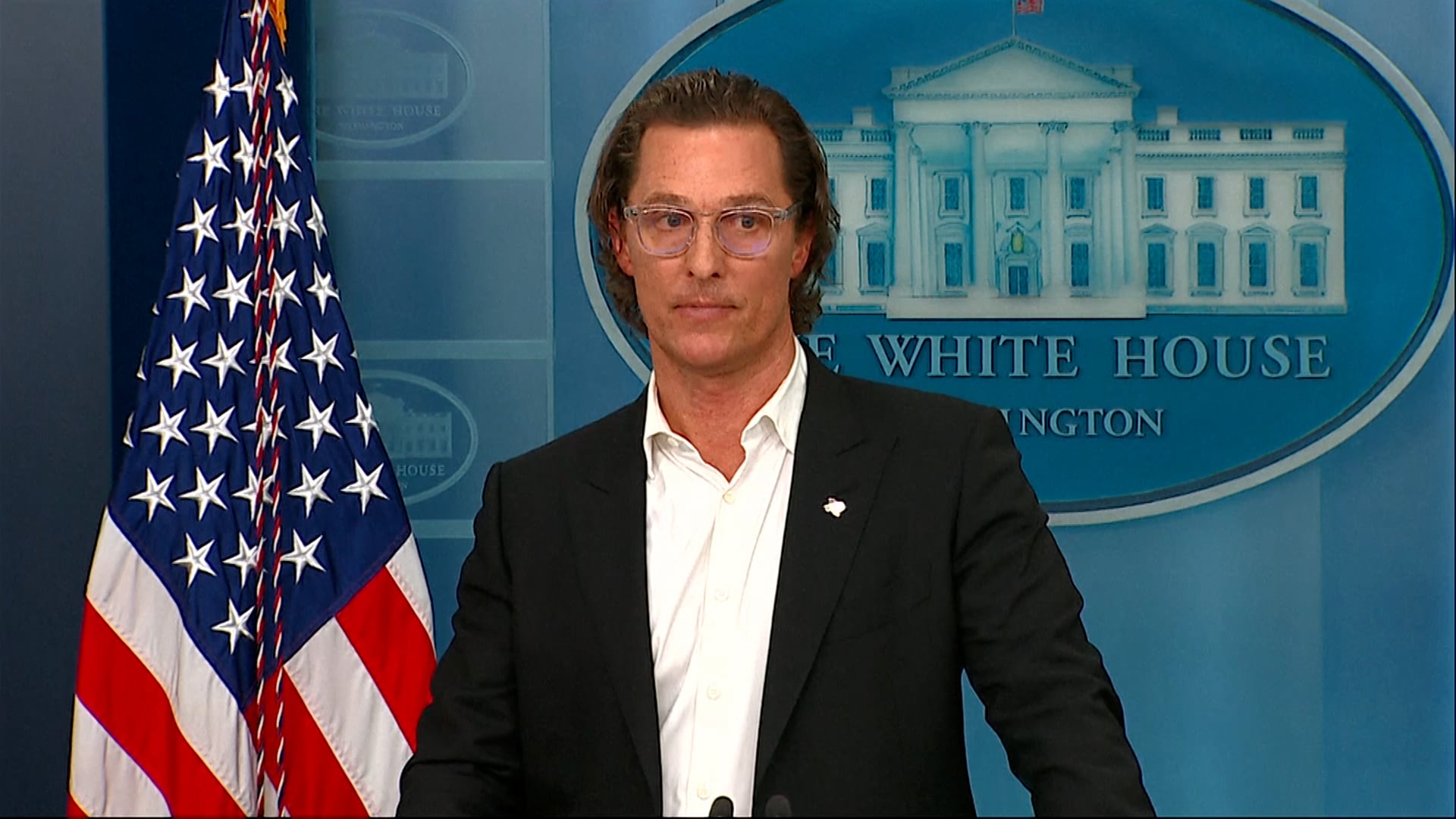
Getting you caught up on the stories you need to know this morning: Matthew McConaughey lends his voice to the gun control fight in congress, at least 30 people were injured in Germany after a car plows into a crowd, and a new weight loss drug shows promising results.