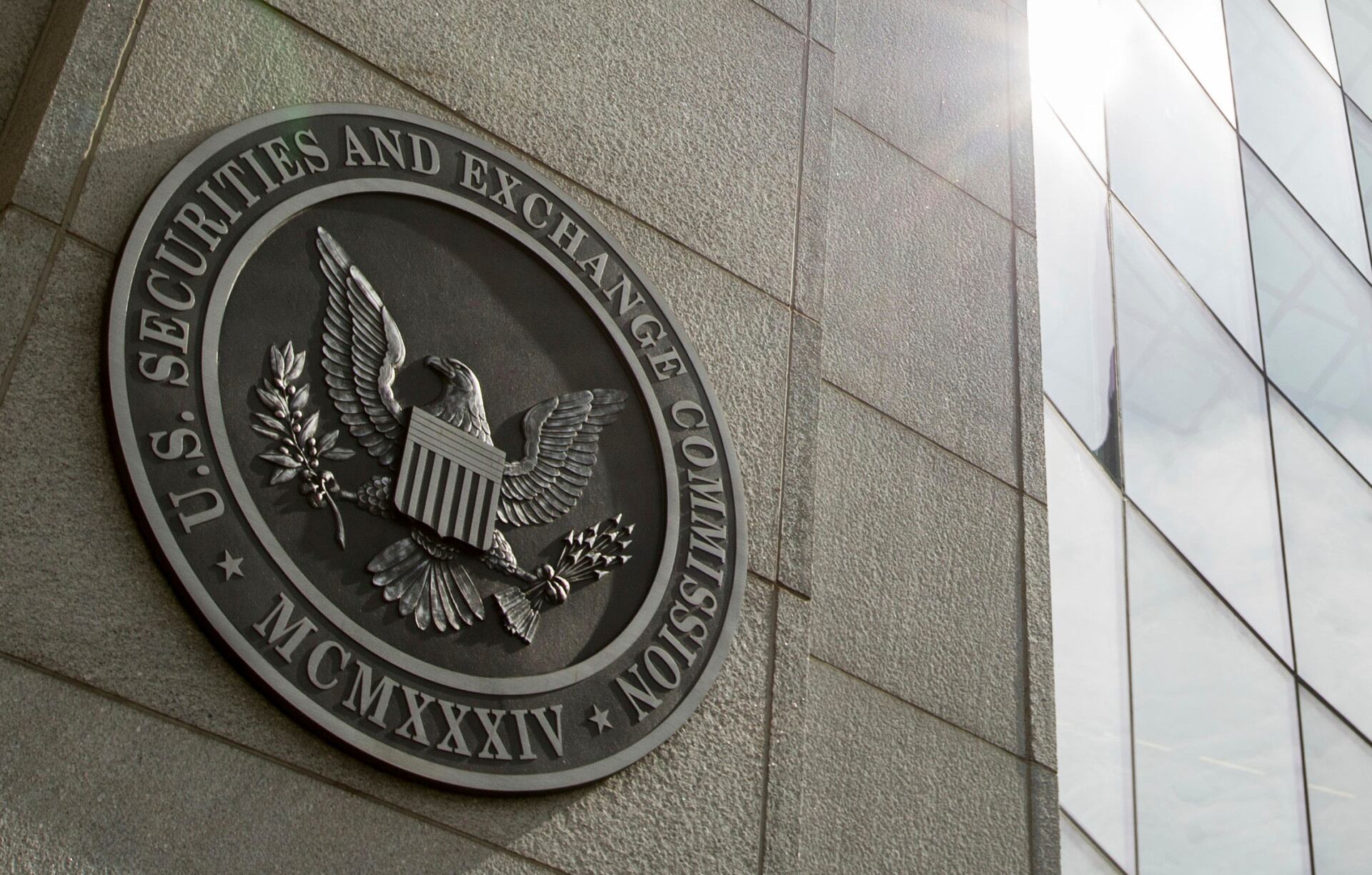
*By Carlo Versano* Tesla shares sank 3 percent in early trading Monday, following CEO Elon Musk's [announcement](https://www.tesla.com/blog/STAying-public) over the weekend that he is abandoning his controversial plan to take the company private. The reversal capped 16 days of panic inside Tesla to see whether the idea, put forth in a tweet earlier this month, was viable. It finally became clear, by Musk's own admission, that it was not. In the blog post, published without the fanfare of his earlier tweets, Musk said it had become clear to him that, while "there was more than enough funding" to take Tesla private, doing so would estrange many of the company's existing shareholders (and most ardent supporters of the company). It was reported that Musk also became wary of the strings attached to taking cash from the Saudi sovereign wealth fund, which he said expressed both the interest and ability to fund his buyout. Musk also said the company "absolutely must stay focused on ramping Model 3 and becoming profitable." Advancing such a huge, complex buyout of public shareholders ー one Musk originally valued at $72 billion ー would take resources away from that effort. While the will-he-won't-he drama that had captivated Wall Street and Silicon Valley for the last three weeks seems to have come to an end, Musk may not be out from under the thumb of regulators yet. The SEC began a formal inquiry into what Musk meant when he tweeted that he had "secured funding" for a buyout and whether that constituted securities fraud. That investigation is reportedly still underway, even without a go-private deal on the horizon.