*By Carlo Versano*
There's a civil war underway in cryptocurrency ー and it's shaking investor confidence in the very foundation of the blockchain.
Bitcoin, down 25 percent in a week and over 75 percent since its highs of a year ago, is suffering at least in part from the latest "hard fork" split of the two versions of Bitcoin Cash (BCH) into ABC and SV ー which themselves are just second-rate copies of the original Bitcoin currency, according to Merlin Rothfeld, a crypto investor and strategist with the Online Trading Academy.
Rothfeld predicted the volatility in Bitcoin will be a good thing in the long term, as it "shakes out" the vulnerabilities in the relationship between crypto and blockchain.
All of the things that have consistently appealed to Bitcoin investors ー the decentralization, transparency, chain of record ー are still intact, Rothfeld said. "That's very appealing to have this kind of autonomy."
Some investors worry that miners are mining "empty blocks" that would modify, and thus interfere with, the older version of the blockchain of a specific currency ー and that shakes the confidence of the entire market that relies on "proof of work" algorithms to record transactions, according to Rothfeld.
Once investors better understand how those vulnerabilities are being exploited, they can be patched, Rothfeld said. But until then, we should expect the volatility to continue and Bitcoin demand to wane. "I don't see it stopping anytime soon," he said.
For full interview [click here](https://cheddar.com/videos/whats-next-for-the-bitcoin-slump).
"New Collar" is a recent term coined for tech jobs that don’t necessarily require a degree but do need a specified technological skillset. Matt Calkins, CEO at cloud-computing and software company Appian, joined Cheddar News to discuss the latest. "This new collar movement is about switching the track you’re on and getting out to a higher value track, making the most of your skills," he said.
Ice Cube's 3-on-3 basketball league, the Big3, is introducing decentralized team ownership to fans with the chance to own a minority stake in the 12 teams through blockchain technology, a first for professional sports. The rapper, actor, and filmmaker joined Cheddar News to talk about the new ownership model using NFTs. "This is a perfect time to offer it to fans and not just wait for fat cats to come and want to buy the teams but for fans to be able to be a part of it,” he said.
Catching you up on what you need to know on April 13, 2022, with President Biden referring to the Russian invasion of Ukraine as a genocide, a suspect has been identified in the Brooklyn subway shooting that injured 23 people, New York’s lieutenant governor has resigned due to bribery allegations, and more.
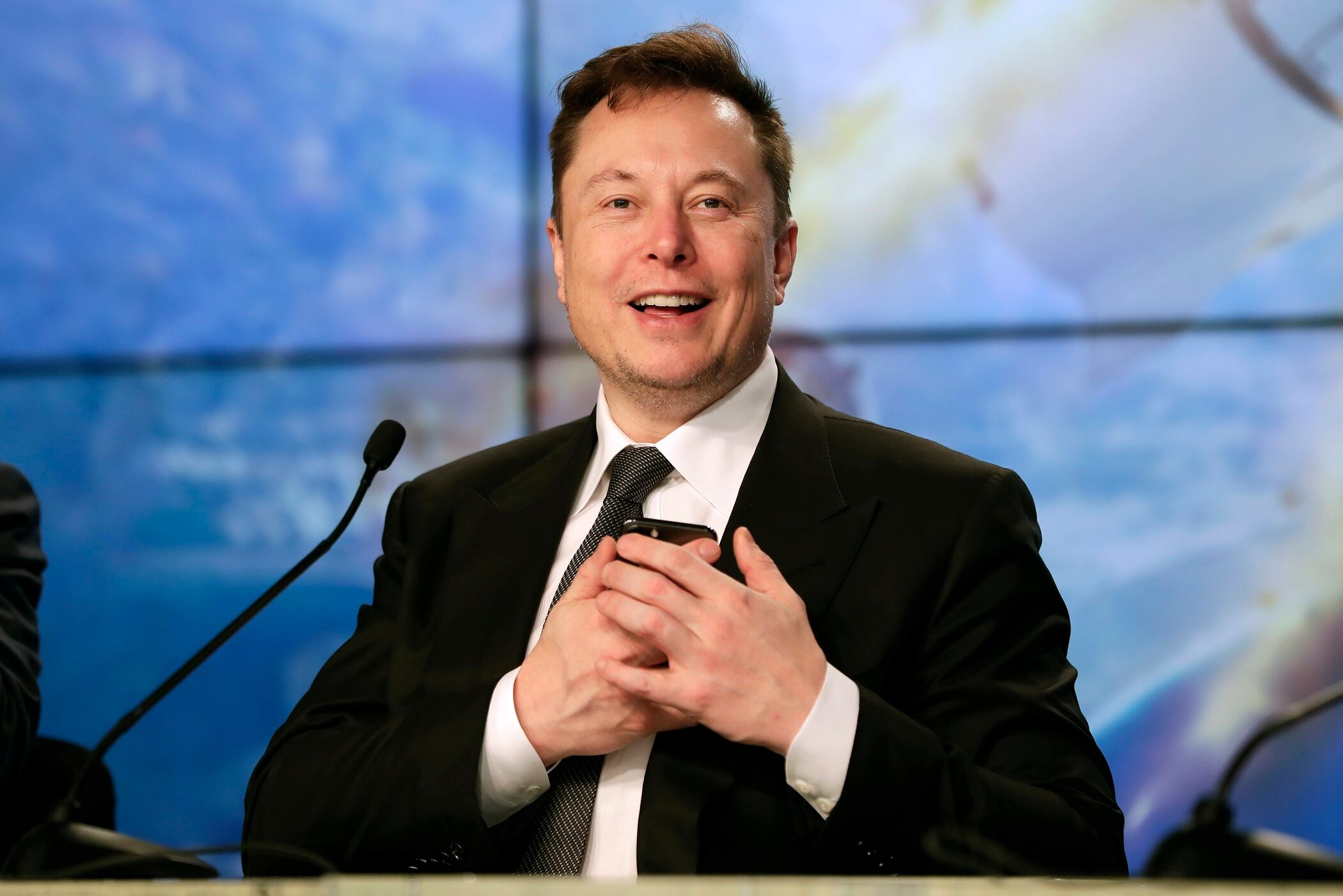
Elon Musk’s huge Twitter investment took a new twist Tuesday with the filing of a lawsuit alleging that the colorful billionaire illegally delayed disclosing his big stake in the social media company so he could buy more shares at lower prices.